
PrecisionPositioninginExtremeTemperatureswithMagnetostrictiveTechnology
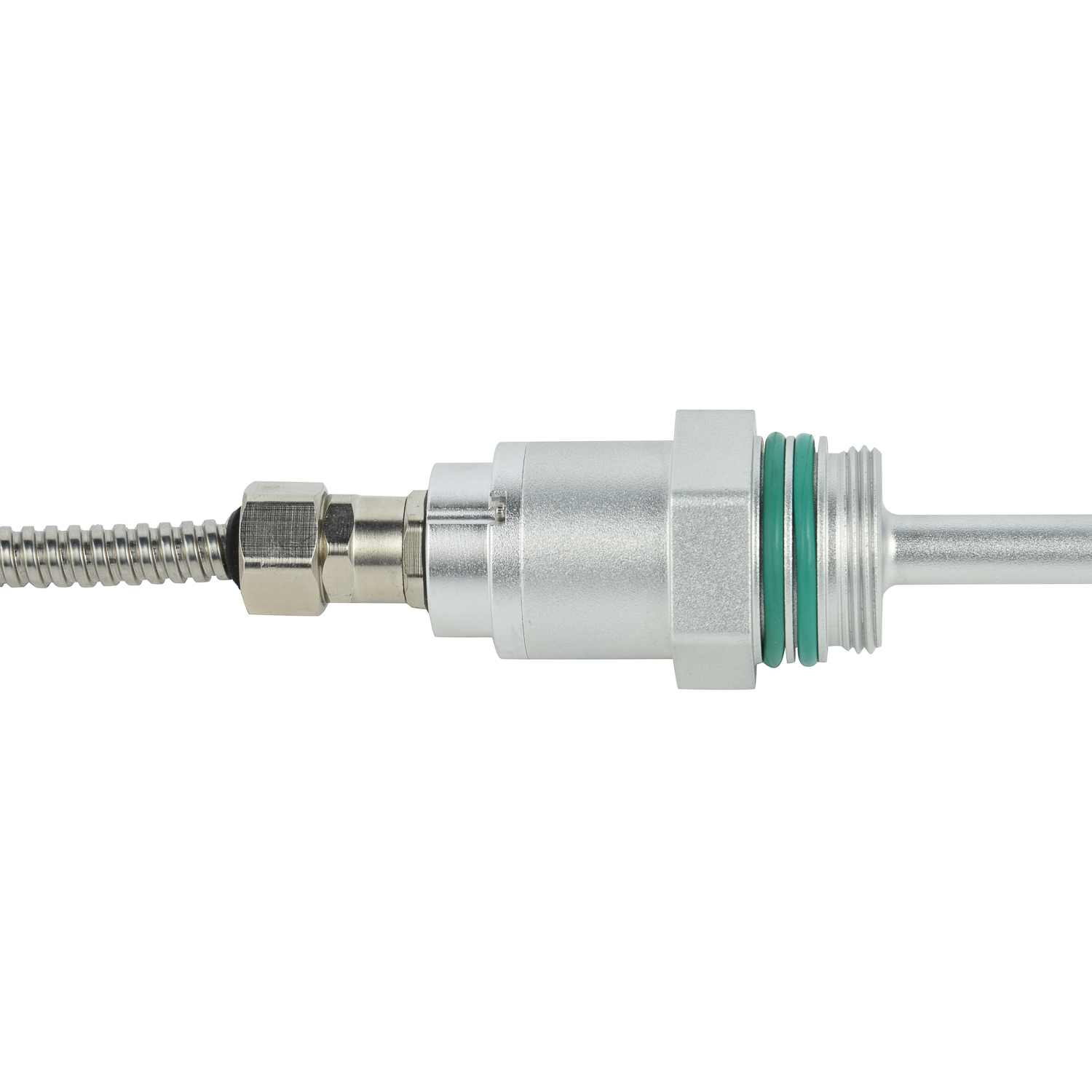
In the demanding world of industrial automation and advanced engineering, maintaining precise positional control is paramount. This challenge becomes exponentially greater when equipment must operate reliably in environments with extreme temperature fluctuations. From the deep freeze of cryogenic applications to the intense heat of metal processing furnaces, traditional sensing technologies often fail. This is where magnetostrictive position sensor technology emerges as a critical solution, offering unparalleled accuracy and durability where it matters most.
The Core Principle: How Magnetostrictive Sensing Works
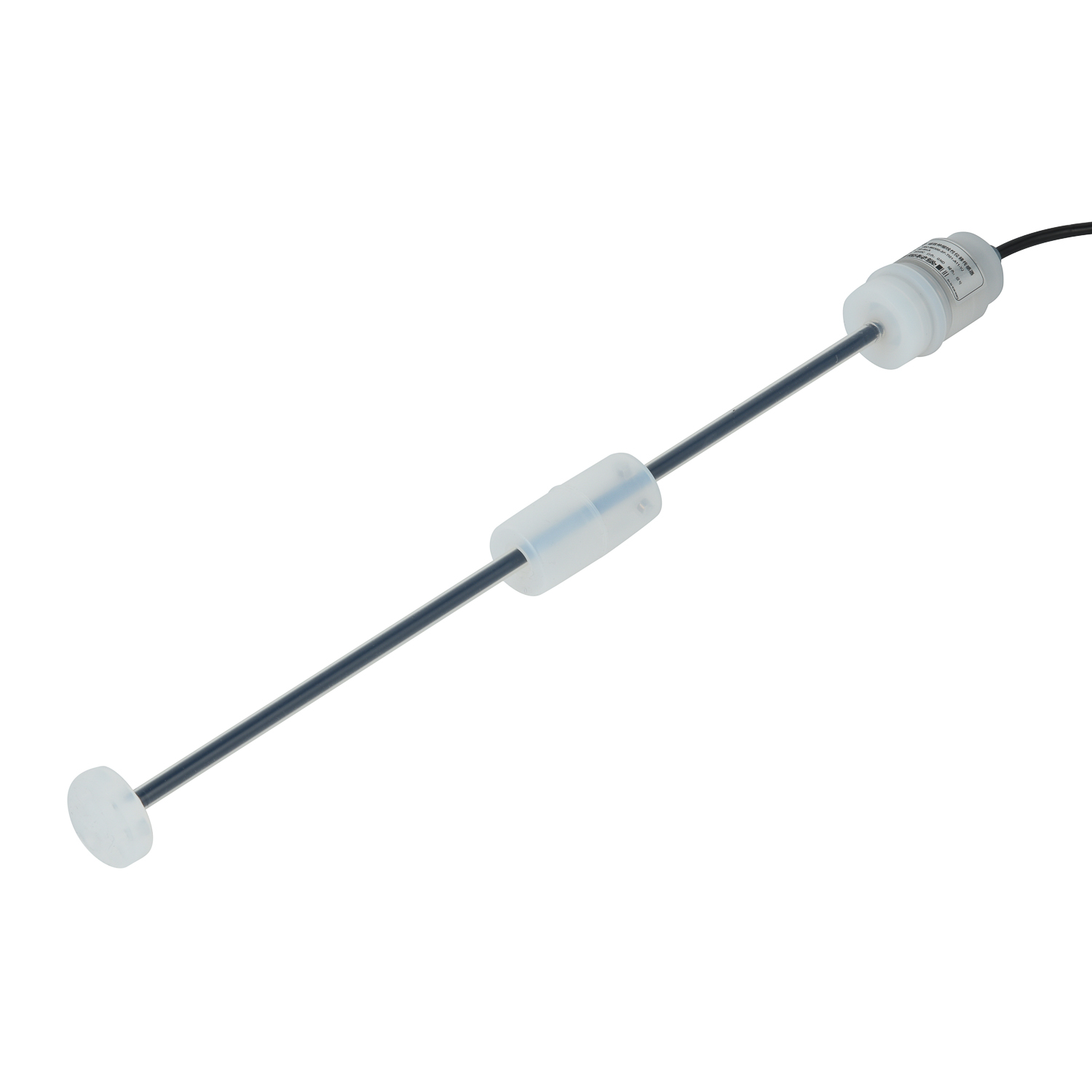
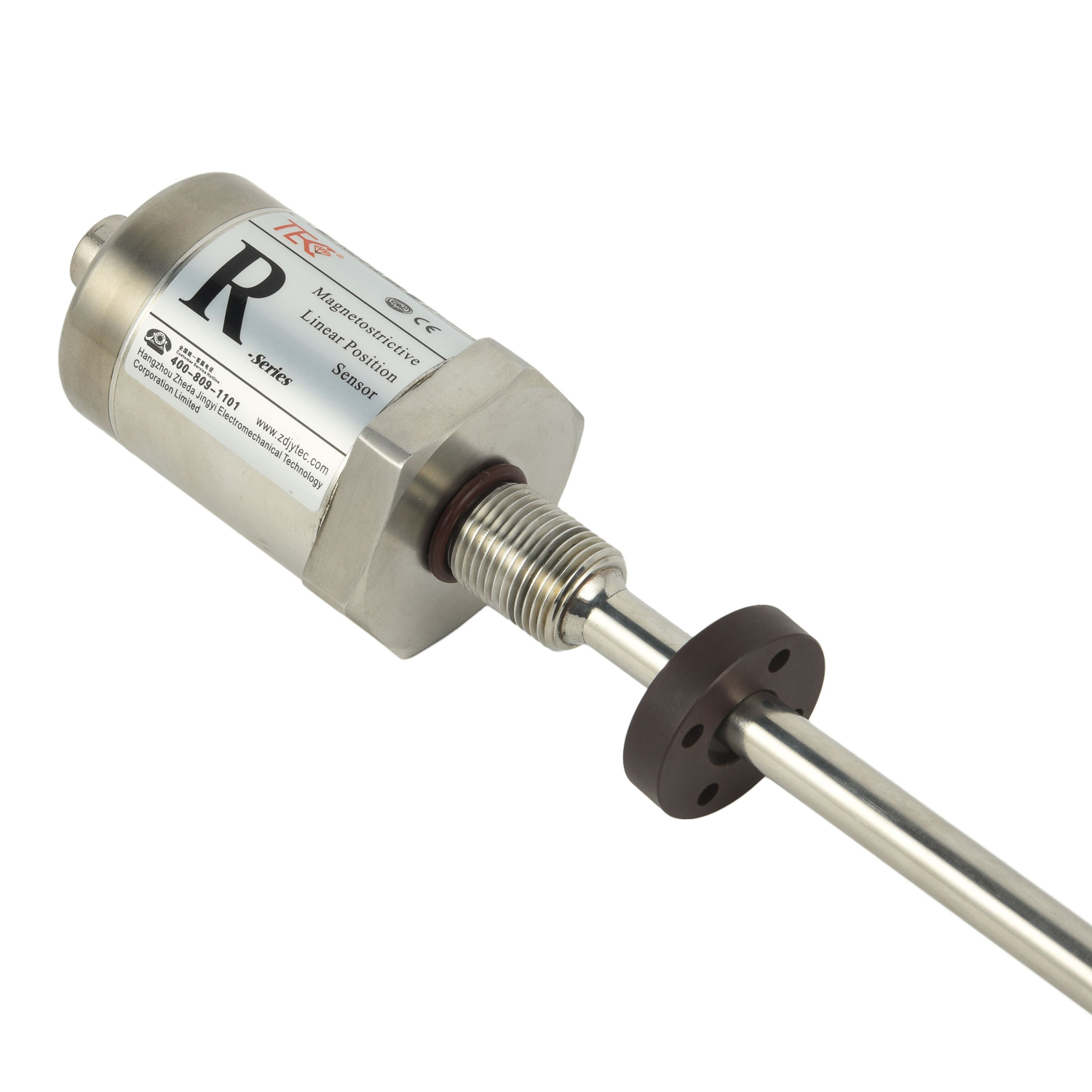
At its heart, magnetostrictive technology operates on a precise physical phenomenon. A sensor tube contains a magnetostrictive wire. A position magnet, attached to the moving target, generates a circumferential magnetic field. When an electrical interrogation pulse is sent down the wire, it interacts with this magnetic field, instantly creating a torsional strain wave (or "Wiedemann effect"). The time delay between the pulse initiation and the return wave's detection is measured with extreme accuracy. This time interval is directly proportional to the magnet's distance from the sensor's origin, enabling non-contact, absolute linear position measurement with micron-level repeatability.
Conquering Cryogenic Challenges: Performance in Sub-Zero Environments
In applications like liquefied natural gas (LNG) systems, aerospace testing, or superconducting magnet control, sensors face temperatures plunging to -200°C and below. Magnetostrictive sensors excel here due to their inherent design. The sensing wire's material properties and the careful selection of waveguide and electronics ensure stable performance. Unlike potentiometric or some optical sensors, they are not hindered by lubricant solidification or condensation. Their robust, sealed construction prevents internal icing, guaranteeing reliable feedback for valve control or actuator positioning in critical cold-chain and scientific processes.
Thriving in Intense Heat: Reliability in High-Temperature Applications
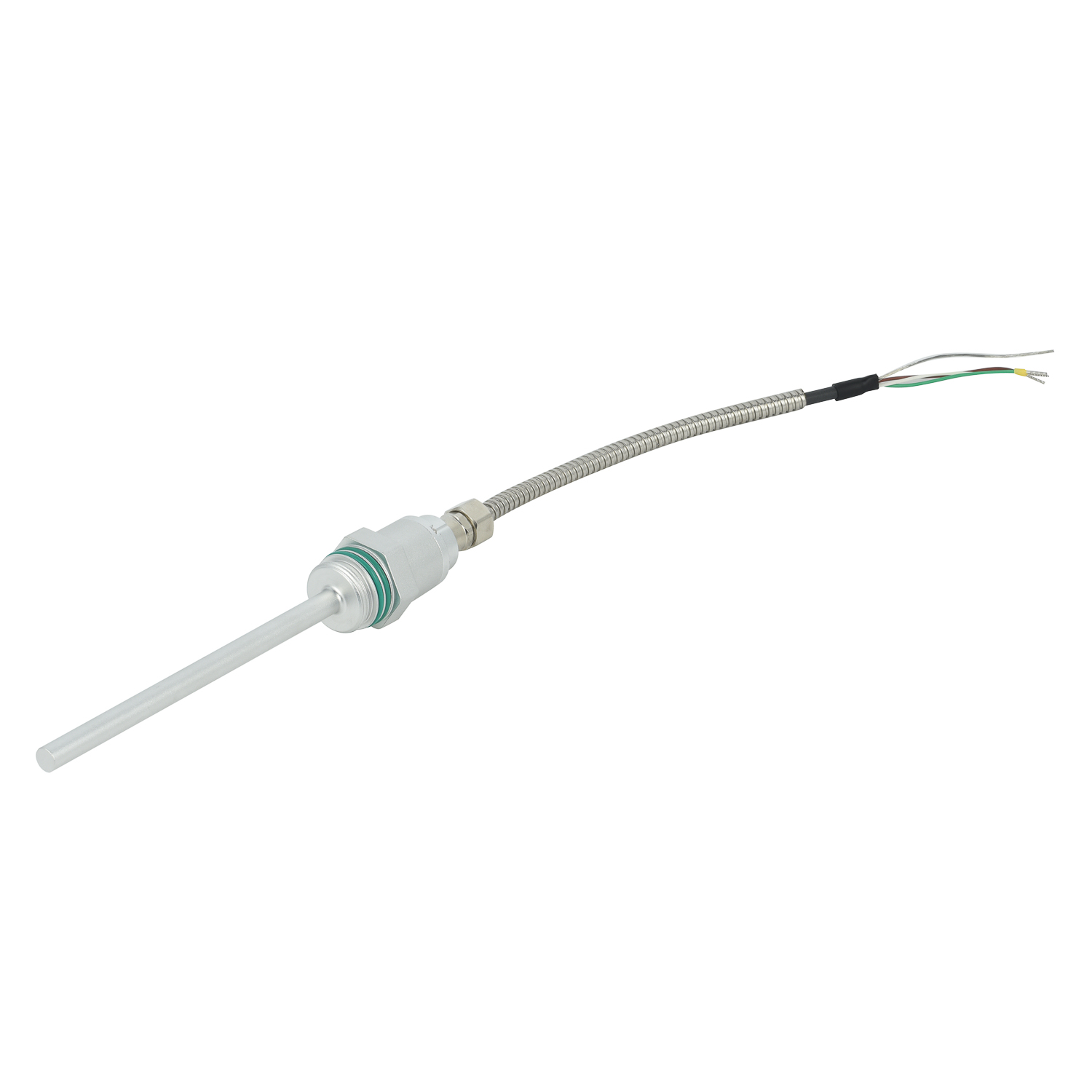
The opposite extreme—environments exceeding 150°C near furnaces, die-casting machines, or turbine controls—is equally punishing. Magnetostrictive position sensors are engineered with high-temperature waveguides, specialized electronics, and effective thermal barriers. The non-contact nature eliminates mechanical wear from heat expansion. Advanced models can withstand ambient temperatures over 200°C by locating the sensitive electronics remotely via a flexible interconnect. This thermal stability ensures precise control of hydraulic cylinders, dampers, and robotic arms in metalworking, glass manufacturing, and power generation, where downtime is catastrophic.
Engineering for Thermal Stability: Materials and Design Innovations
Achieving this wide operational range is no accident. It results from deliberate engineering choices. The magnetostrictive waveguide is often made from specialized iron-nickel or cobalt alloys with minimal temperature coefficient. The protective outer tube is typically stainless steel, providing both mechanical strength and a thermal buffer. Signal conditioning electronics incorporate temperature compensation algorithms that dynamically adjust readings based on integrated sensor data. This holistic design approach mitigates thermal drift, ensuring the output remains accurate even during rapid thermal cycling or sustained exposure to temperature extremes.
Key Advantages Over Alternative Technologies
Why choose magnetostrictive sensors for extreme temperatures? They offer distinct benefits. Compared to Linear Variable Differential Transformers (LVDTs), they provide absolute positioning without wear-prone sliding contacts. Against laser-based systems, they are less susceptible to interference from steam, dust, or thermal haze. They outperform resistive potentiometers, which can fail due to thermal expansion or lubricant breakdown. The technology delivers high resolution, excellent long-term stability, and robust resistance to vibration and shock—all within a single, durable package that minimizes maintenance in harsh conditions.
Implementing Robust Systems: Integration and Protection Strategies
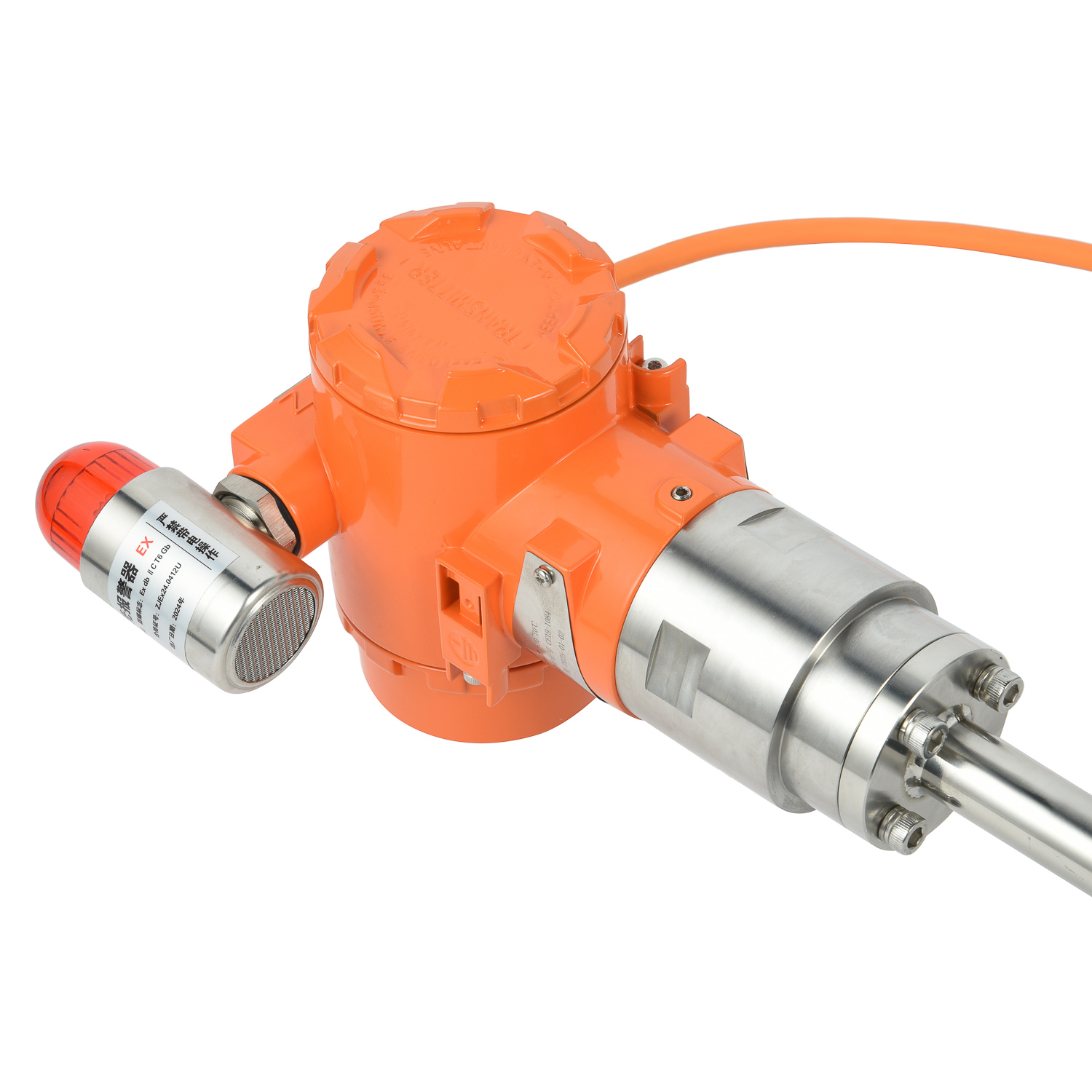
Successful deployment requires thoughtful integration. For very high ambient temperatures, use heat shields, cooling fins, or remote mounting kits to protect the electronics compartment. Ensure cabling is rated for the temperature range and protected from radiant heat. In cryogenic setups, verify all seals and O-ring materials are specified for low-temperature flexibility. Always consult the sensor's detailed temperature profile specifications, which differentiate ambient, waveguide, and storage temperature limits. Proper installation maximizes sensor life and protects your investment in precision.
Transforming Industries: Real-World Applications and Impact
The practical impact is profound. In plastic injection molding, these sensors ensure consistent shot control despite hot barrel temperatures. In steel mills, they provide reliable feedback for rolling mill gap control. Energy sector valves, precisely positioned by magnetostrictive sensors, regulate flows in pipelines spanning arctic to desert climates. This reliability translates to improved product quality, reduced waste, enhanced safety, and higher overall equipment effectiveness (OEE). It enables automation in processes previously considered too hostile for accurate feedback.
The Future of Precision in Harsh Environments
As industries push the boundaries of efficiency and capability, the need for resilient sensing grows. Magnetostrictive technology continues to evolve, with advancements in materials science and digital signal processing further extending its operational envelope. It stands as a proven, reliable foundation for the next generation of smart manufacturing, clean energy, and extreme-environment robotics. By providing a trustworthy "eye" on position where other technologies falter, it empowers engineers to design more ambitious, reliable, and productive systems for the world's toughest jobs.
 Graybus Cable Fault
 Field Application of Graybus C
 Model and Specification of Gra
 Import Substitute Graybus Cabl