
ABuyer'sChecklist:10SpecstoEvaluateinaMagnetostrictiveDisplacementSensor
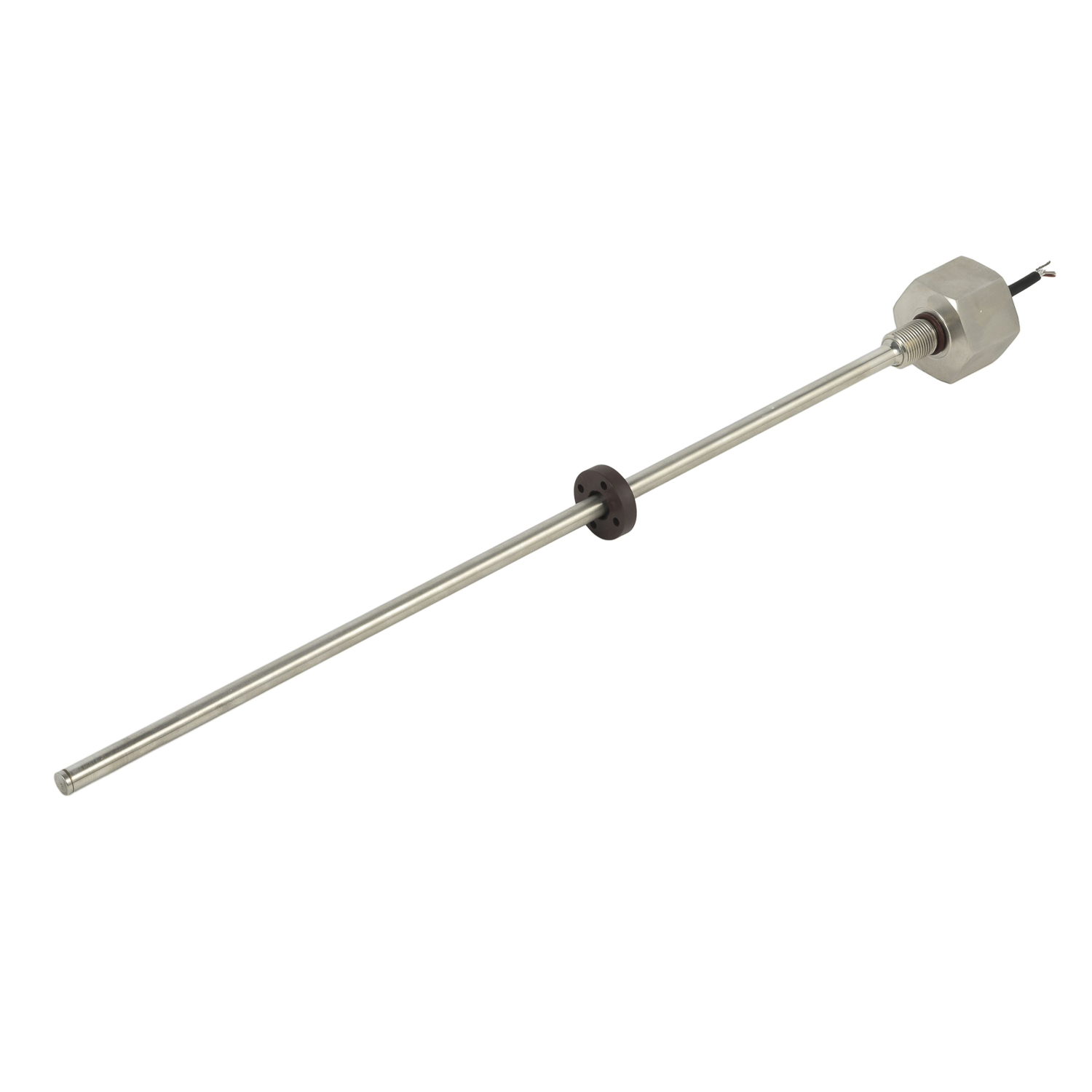
Selecting the right magnetostrictive displacement sensor is pivotal for ensuring precision, reliability, and longevity in demanding industrial applications. Navigating the technical specifications can be daunting. This definitive checklist breaks down the ten most critical specs you must evaluate to make an informed and optimal purchasing decision.
1. Measurement Range and Stroke Length
The fundamental starting point is defining your required measurement range. Specify the exact distance the sensor must accurately monitor, from the minimum to the maximum position. Ensure the sensor's nominal stroke length comfortably encompasses your entire operational range with a slight margin, avoiding selection at the absolute limits of its capability.
2. System Accuracy and Linearity
Do not confuse resolution with accuracy. System accuracy, often expressed as a percentage of full scale (e.g., ±0.02% FS), defines the maximum deviation between the measured and actual position. Non-linearity is a key component of this. Demand clear, traceable accuracy data from the manufacturer for your specific application conditions.
3. Resolution and Repeatability
While accuracy defines correctness, resolution defines the smallest detectable change in position. For high-precision tasks like servo control, micron-level resolution is essential. Repeatability, the sensor's ability to consistently return to the same reading under identical conditions, is often more critical than absolute accuracy for stable process control.
4. Response Time and Update Rate
In dynamic systems, sensor speed is non-negotiable. Response time indicates how quickly the sensor reacts to a position change. The update rate (frequency) defines how often new position data is output. For high-speed machinery, seek sensors with sub-millisecond response times and kilohertz-level update rates to faithfully track rapid motion.
5. Output Signal and Interface
Compatibility with your control system is paramount. Common outputs include analog (4-20mA, 0-10V), start-stop digital (SSI), and fieldbus protocols (PROFIBUS, EtherCAT). Choose an output that matches your PLC or controller input, considering signal integrity over distance and noise immunity in your electrical environment.
6. Housing Material and IP Rating
The sensor must survive its environment. Evaluate the housing material (e.g., stainless steel, anodized aluminum) for corrosion resistance against coolants, oils, or washdowns. The Ingress Protection (IP) rating (e.g., IP67, IP69K) certifies its resilience against dust and liquids, which is crucial for harsh or hygienic installations.
7. Process Connection and Mounting
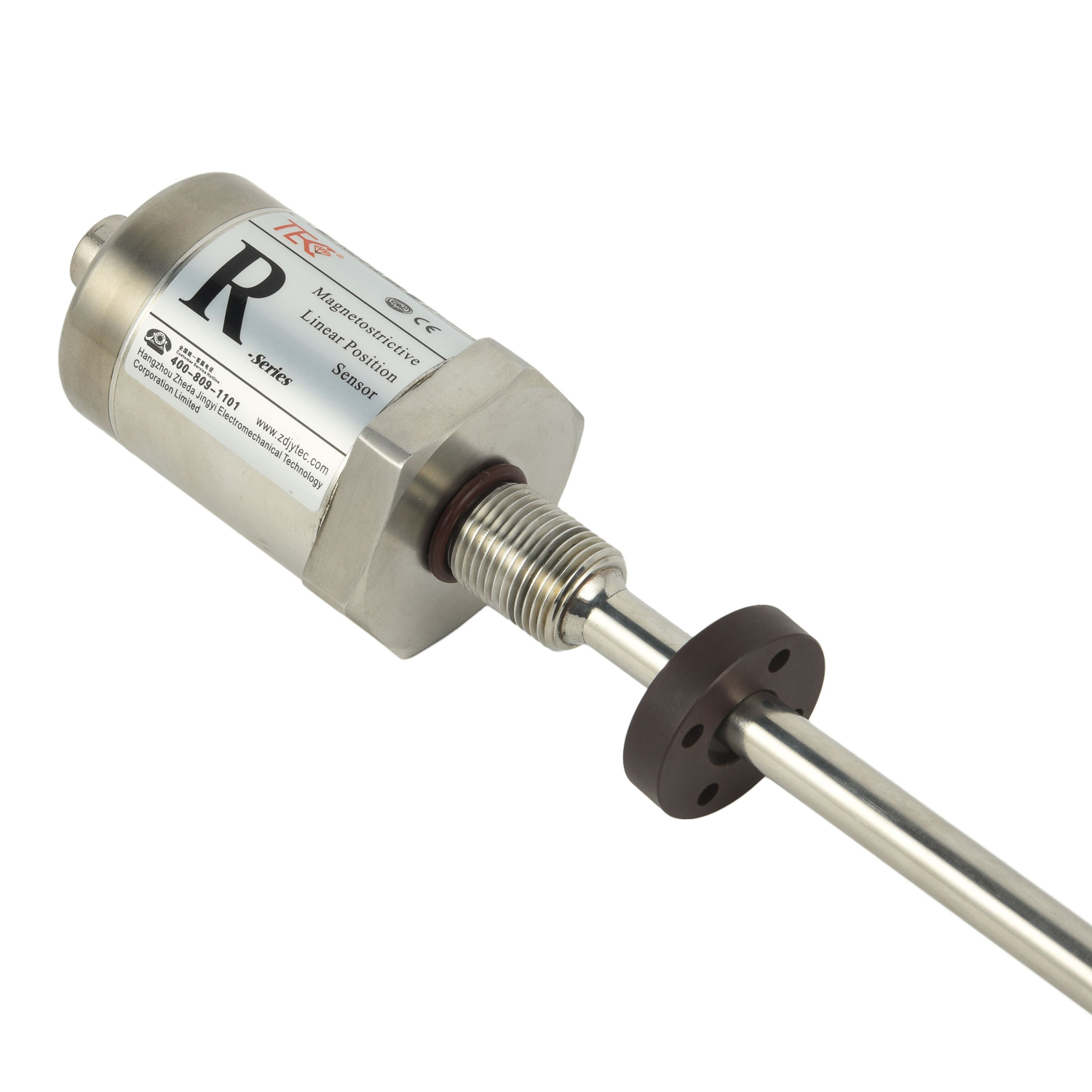
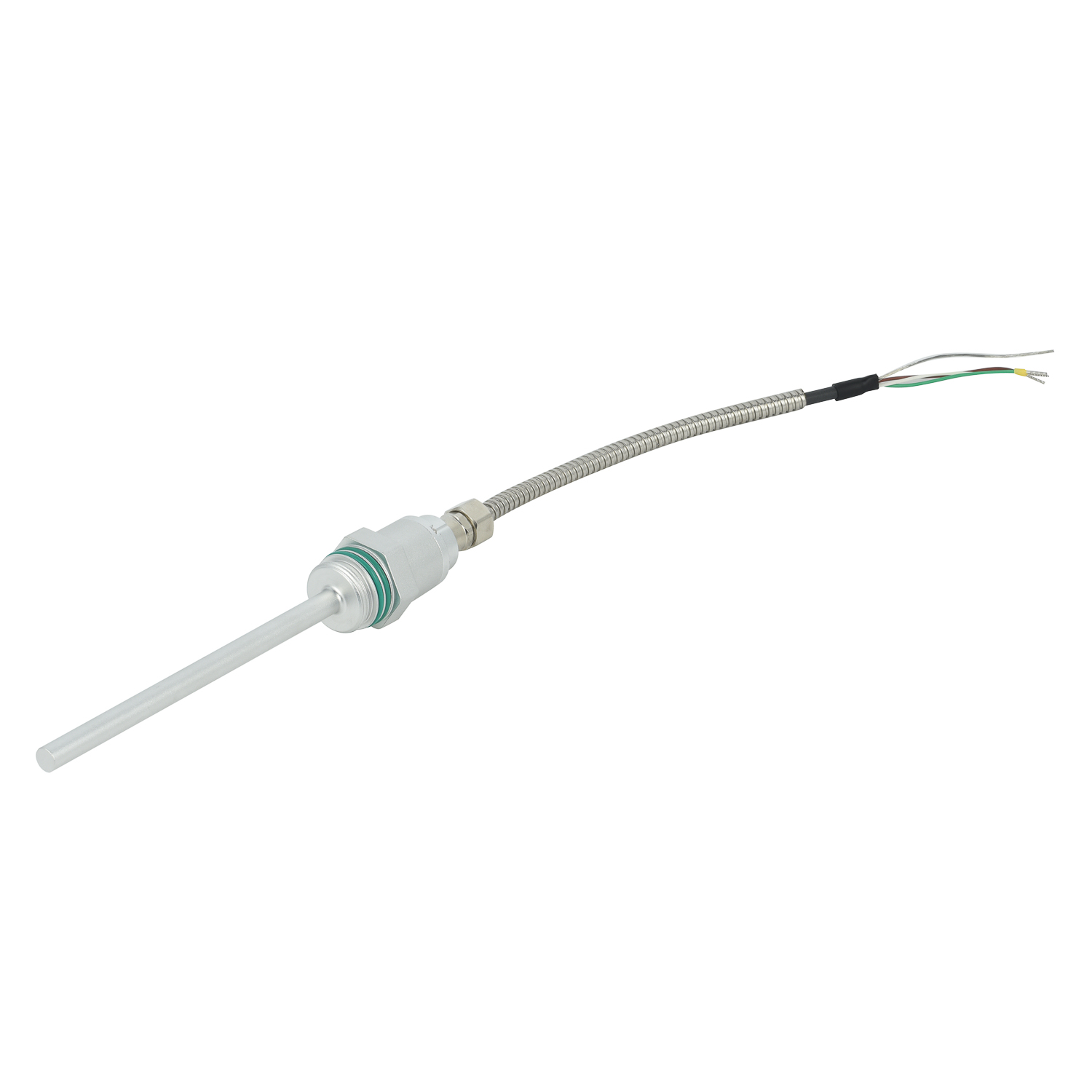
Mechanical integration is a practical necessity. Specify the required mounting style (e.g., flange, threaded, clevis) and the position of the sensing element (front, side, or non-contact). Verify that the mechanical dimensions and connection types align perfectly with your machine's design to avoid costly adaptions.
8. Temperature Stability and Operating Range
Industrial temperatures fluctuate. A sensor's temperature coefficient defines how much its reading drifts with temperature changes. Ensure the sensor's specified operating temperature range exceeds your application's extremes and that its thermal stability spec meets your accuracy requirements across that entire range.
9. Rod Material and Seal Selection
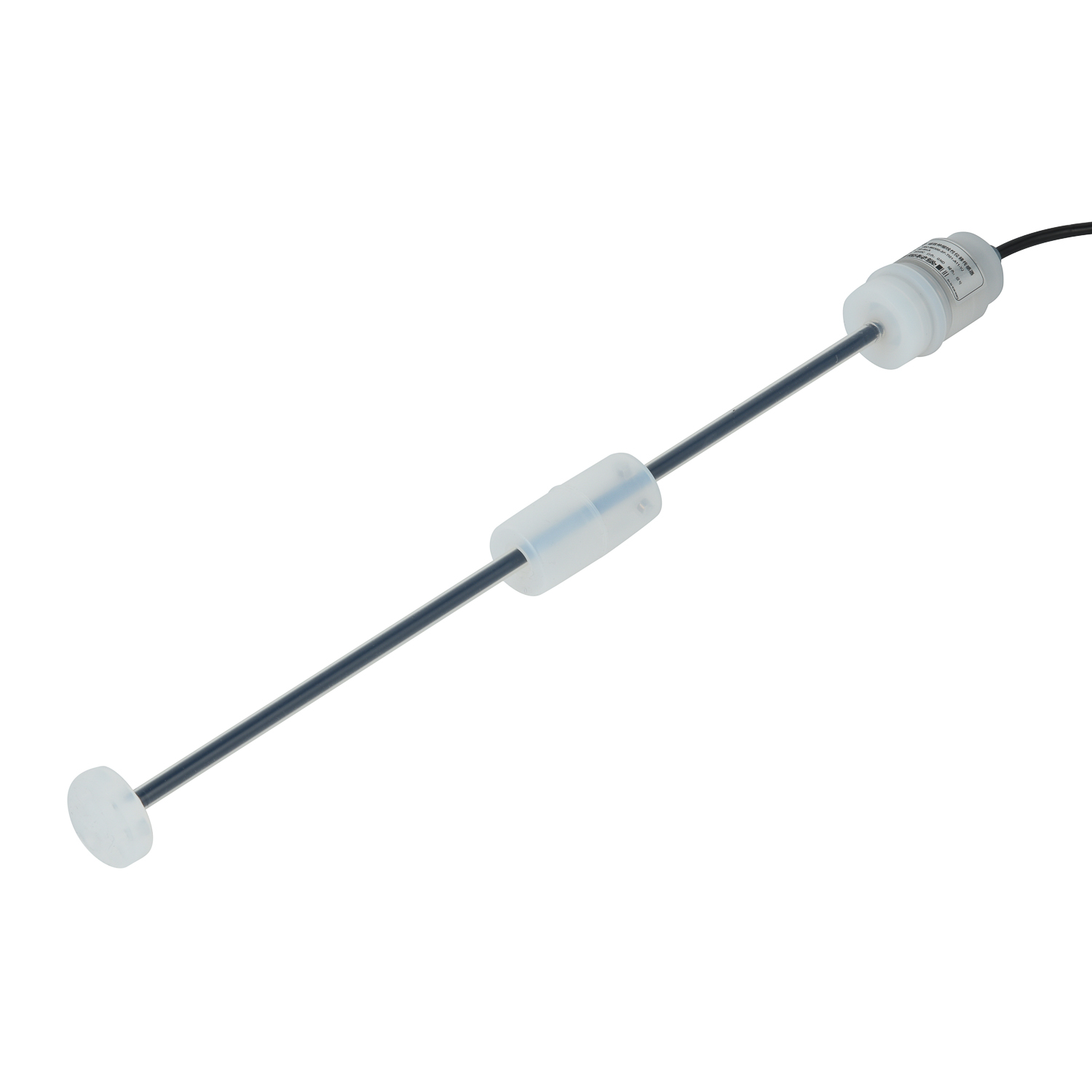
The waveguide rod (or probe) is the sensing element. Its material must be compatible with the measured medium. Options include stainless steel for general use or specialized coatings for corrosive fluids. Similarly, the seal material (e.g., Viton, PTFE) must be chosen based on chemical compatibility and temperature.
10. Certifications and Special Requirements
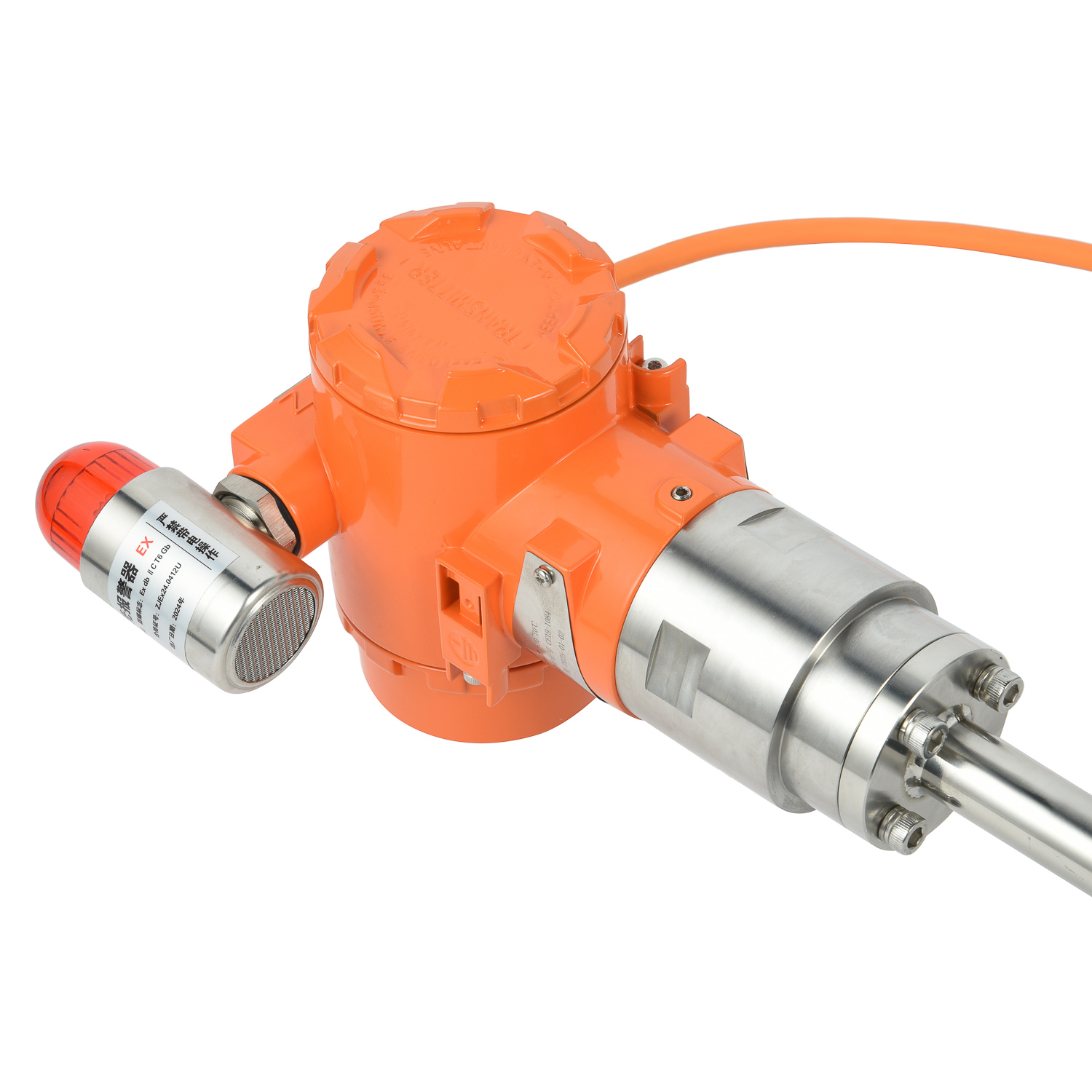
Finally, confirm any mandatory certifications for your industry or region, such as ATEX/IECEx for hazardous areas, CE, or UL. Also, consider any special needs like high-pressure ratings, intrinsic safety, or exceptional shock/vibration resistance documented in the sensor's datasheet.
 Graybus Cable Fault
 Field Application of Graybus C
 Model and Specification of Gra
 Import Substitute Graybus Cabl