
BridgingtheGap:MagnetostrictiveSensorsasEnablersofDigitalTwins
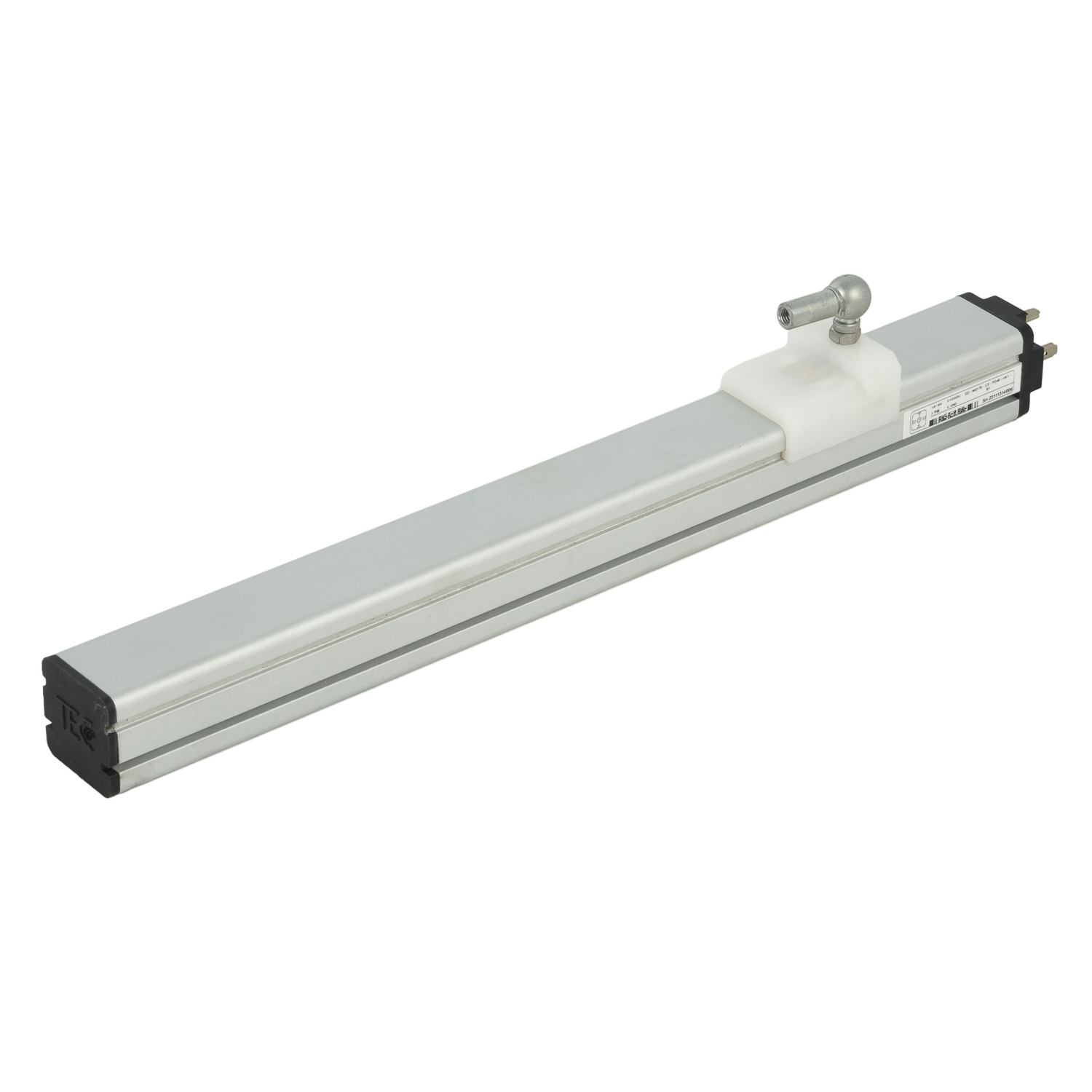
In the era of Industry 4.0, the seamless integration of physical assets with their virtual counterparts is paramount. Digital twins, dynamic virtual replicas of physical systems, are revolutionizing how we monitor, analyze, and optimize industrial processes. However, the fidelity and utility of any digital twin are fundamentally constrained by the quality and precision of the data flowing from the physical world. This is where magnetostrictive sensors emerge as a critical, enabling technology, providing the high-fidelity data bridge essential for powerful digital twin applications.
The Critical Need for High-Fidelity Data in Digital Twins
A digital twin is only as good as the data it receives. Inaccurate, delayed, or low-resolution sensor data creates a "garbage in, garbage out" scenario, rendering even the most sophisticated virtual model ineffective. For digital twins to reliably simulate real-world behavior, predict failures, and recommend optimizations, they require continuous streams of precise, real-time data on parameters like position, force, pressure, and torque. This demand for data integrity is the primary challenge that magnetostrictive sensor technology is uniquely positioned to solve.
Magnetostrictive Sensors: The Precision Measurement Backbone
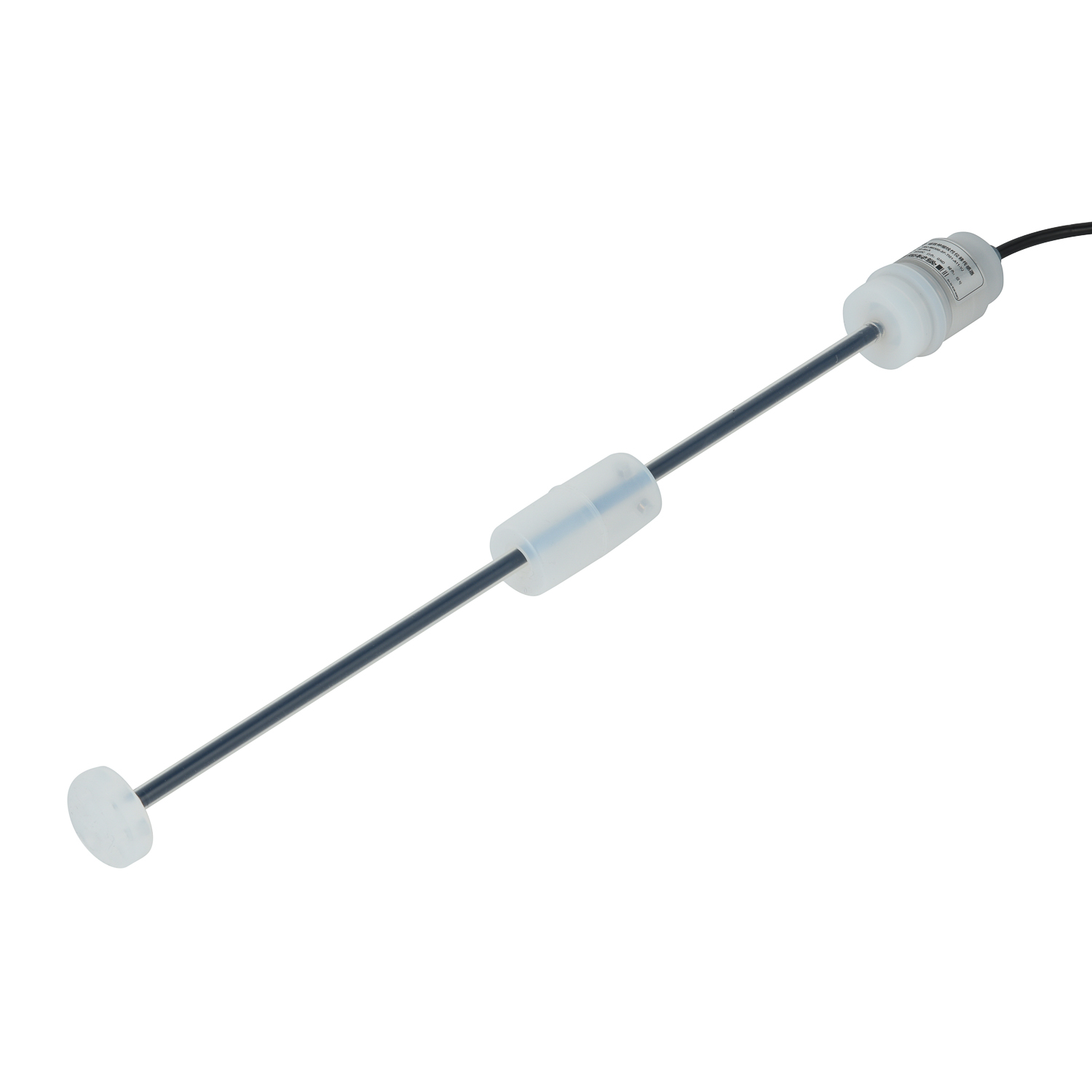
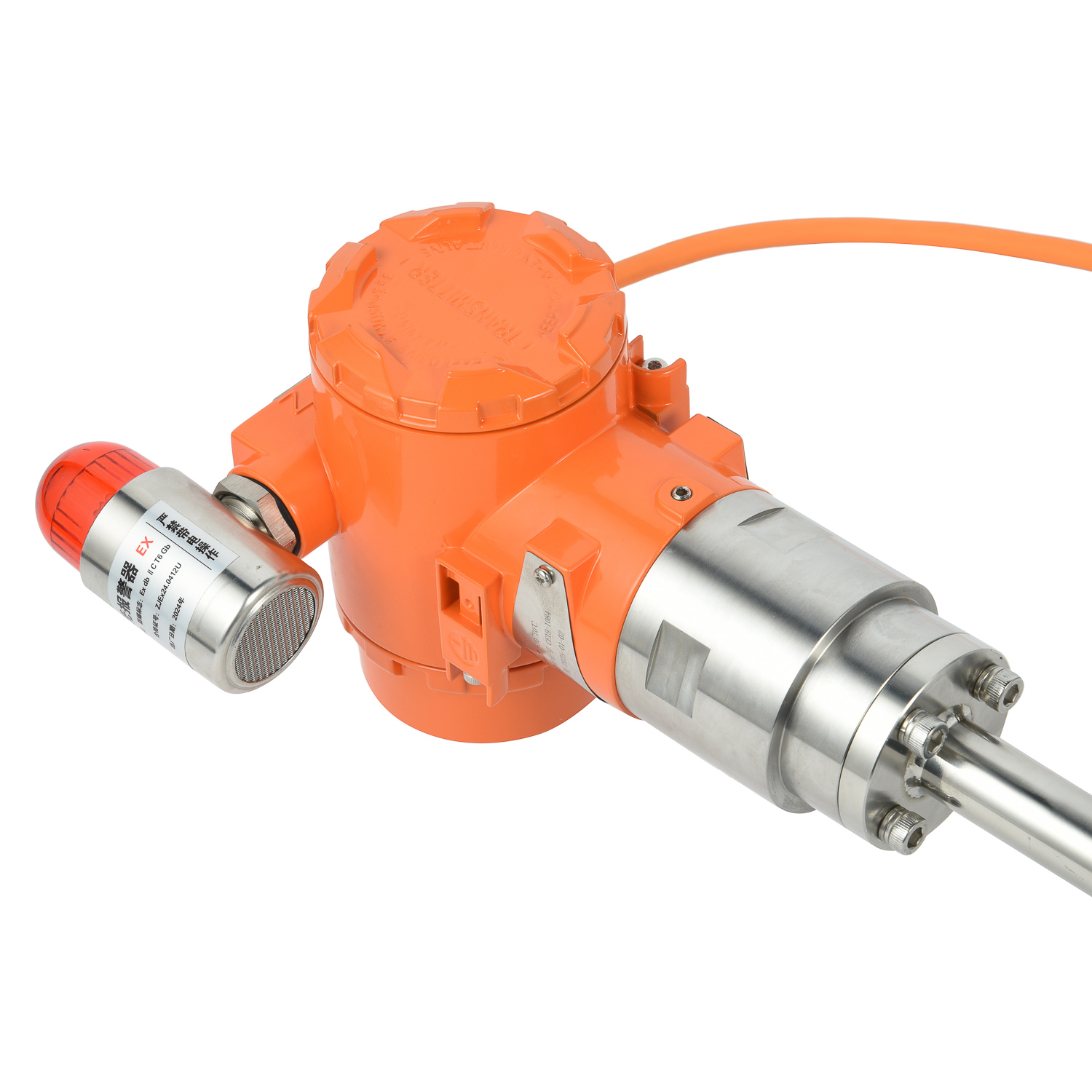
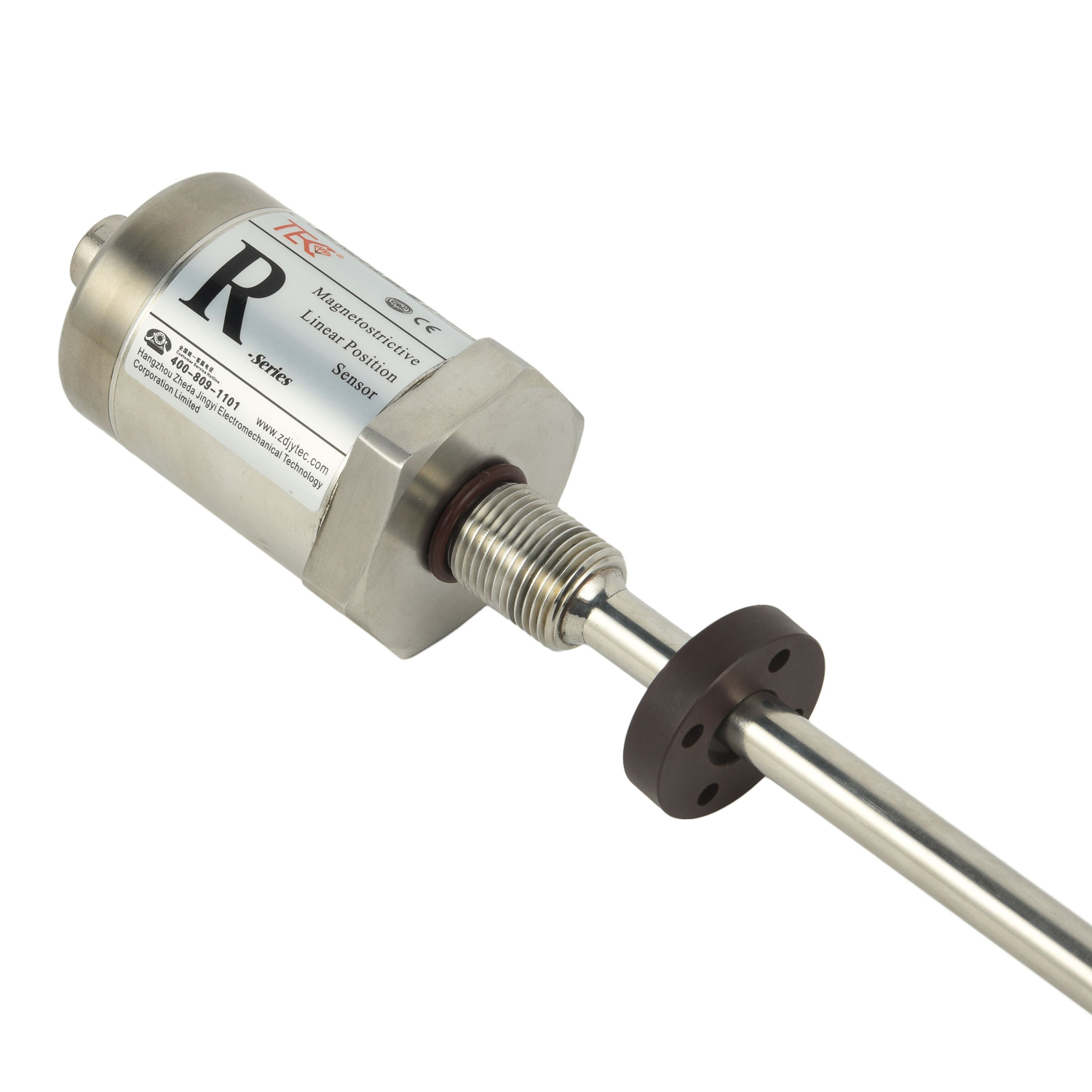
Magnetostrictive sensors operate on a fundamental physical principle: the magnetostrictive effect. They provide non-contact, absolute position sensing with exceptional accuracy, repeatability, and long-term stability. Unlike incremental or potentiometric sensors, they are highly robust, resistant to wear, and perform reliably in harsh industrial environments involving vibration, contaminants, and temperature fluctuations. This inherent reliability makes them the backbone for mission-critical measurements in hydraulics, factory automation, and heavy machinery.
Creating the Real-Time Data Bridge for Virtual Replicas
The true power of magnetostrictive sensors is realized in their role as data enablers. By delivering micron-level precision in position feedback—for example, of a cylinder rod in a hydraulic press—the sensor provides the exact digital thread needed. This real-time data stream is fed directly into the digital twin platform, allowing the virtual model to mirror the physical asset's state with unparalleled accuracy. This bridge transforms the digital twin from a static model into a living, breathing simulation that evolves synchronously with its physical counterpart.
Enabling Predictive Maintenance and Operational Optimization
With a high-fidelity data bridge established, digital twins powered by magnetostrictive sensor data unlock transformative outcomes. Predictive maintenance becomes precise; the twin can analyze subtle changes in cylinder speed or end-position drift—data provided by the sensor—to forecast seal wear or impending component failure weeks in advance. Furthermore, operational parameters can be optimized in the virtual space and validated before implementation on the physical machine, reducing downtime and maximizing efficiency.
The Future: Integrated Systems and Smarter Factories
The convergence of magnetostrictive sensing with digital twin technology is a cornerstone for the smart factory. As Industrial IoT (IIoT) ecosystems mature, these sensors will increasingly feature embedded connectivity, feeding data directly into cloud-based twin platforms. This integration facilitates system-wide optimization, where the performance of an entire production line, monitored by a network of precise sensors, is simulated and enhanced through its aggregated digital twin, driving unprecedented levels of productivity and agility.
 Graybus Cable Fault
 Field Application of Graybus C
 Model and Specification of Gra
 Import Substitute Graybus Cabl