
SmartSensing:IntegratingMagnetostrictiveDisplacementDataintoIndustry4.0
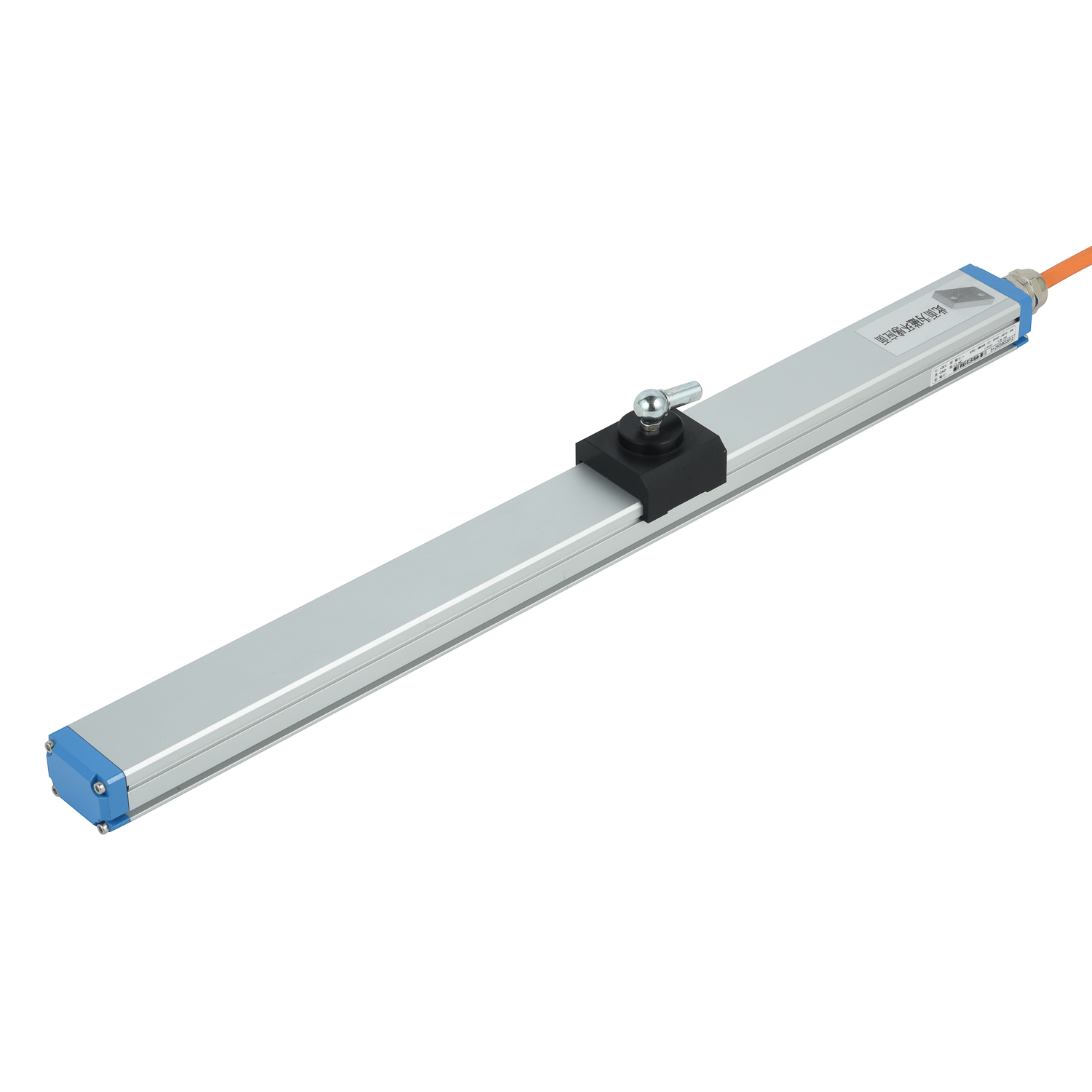
The dawn of Industry 4.0 has ushered in an era of intelligent manufacturing, where data is the new currency. At the core of this transformation lies the critical need for precise, reliable, and connected sensing technologies. Enter SmartSensing—a paradigm that seamlessly integrates advanced magnetostrictive displacement measurement into the digital industrial ecosystem, providing the foundational data for smarter decisions.
The Precision Backbone: Magnetostrictive Displacement Sensors
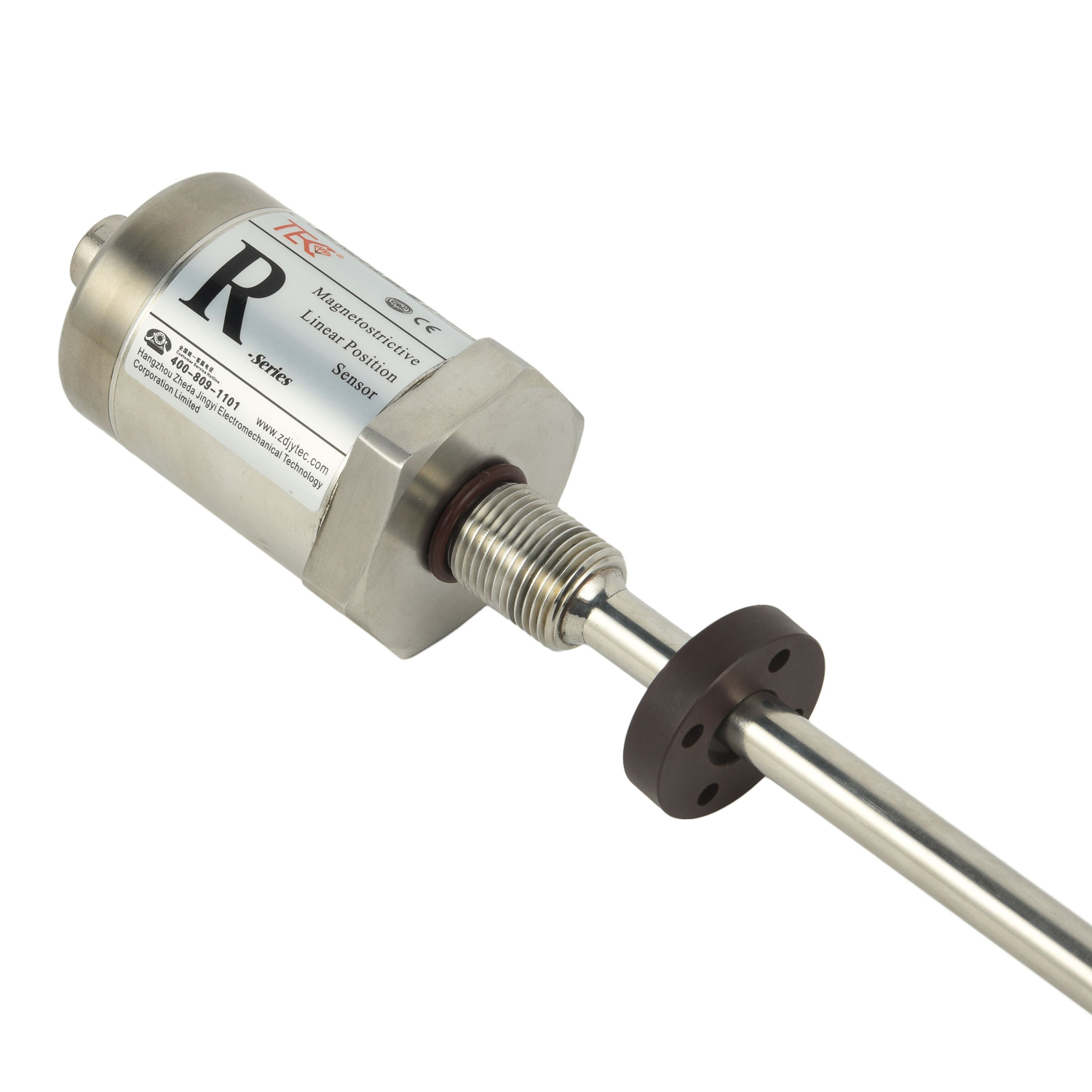
Magnetostrictive displacement sensors are the unsung heroes of high-accuracy industrial measurement. Operating on the principle of magnetostriction, these sensors determine the position of a magnetic marker with exceptional resolution and repeatability. Unlike traditional methods, they offer non-contact, wear-free operation, making them ideal for harsh environments involving vibration, temperature extremes, or contaminants. This inherent reliability provides the trustworthy data stream essential for any Industry 4.0 application.
From Raw Data to Intelligent Insight: The SmartSensing Framework
SmartSensing transcends simple measurement. It represents a holistic framework where magnetostrictive sensors are equipped with embedded microprocessors and standard industrial communication protocols like IO-Link, PROFINET, or EtherCAT. This transforms raw position data into rich, contextualized information. The sensor itself can perform pre-processing, diagnose its health, and transmit structured data packets directly to PLCs, SCADA systems, or the cloud, enabling true plug-and-produce interoperability.
Driving Predictive Maintenance and Operational Efficiency
Integrating magnetostrictive displacement data into networked systems unlocks predictive maintenance capabilities. By continuously monitoring parameters like cylinder velocity, mid-stroke positions, or subtle movement deviations, the system can identify trends indicative of impending component wear or failure. This allows maintenance to be scheduled proactively, minimizing unplanned downtime, reducing costs, and optimizing asset lifecycle management—a key tenet of Industry 4.0.
Enabling Adaptive Control and Closed-Loop Systems
In a smart factory, processes must be agile. Real-time, high-fidelity displacement data from SmartSensing enables dynamic, adaptive control. For instance, in hydraulic press applications, precise position feedback allows for real-time pressure and force adjustment, ensuring consistent product quality. This closed-loop control, fueled by accurate sensor data, is fundamental for flexible manufacturing and customized production runs.
The Foundation for Digital Twins and Advanced Analytics
The consistent and accurate data provided by SmartSensing-equipped sensors is vital for creating accurate digital twins—virtual replicas of physical machines or processes. Engineers can use this model for simulation, optimization, and troubleshooting without disrupting live production. Furthermore, aggregated displacement data from across the factory floor feeds into advanced analytics platforms, uncovering deeper insights into overall equipment effectiveness (OEE) and process bottlenecks.
Conclusion: The Strategic Imperative of Smart Sensing
Integrating magnetostrictive displacement data via SmartSensing is not merely a technical upgrade; it is a strategic imperative for embracing Industry 4.0. It bridges the gap between the physical and digital worlds, providing the reliable, actionable intelligence needed for autonomy, efficiency, and resilience. As industries continue their digital transformation, those who leverage such precise, integrated sensing will lead the charge in innovation and competitiveness.
 Graybus Cable Fault
 Field Application of Graybus C
 Model and Specification of Gra
 Import Substitute Graybus Cabl