
TheDurabilityAdvantage:WhyMagnetostrictiveSensorsOutlasttheCompetition
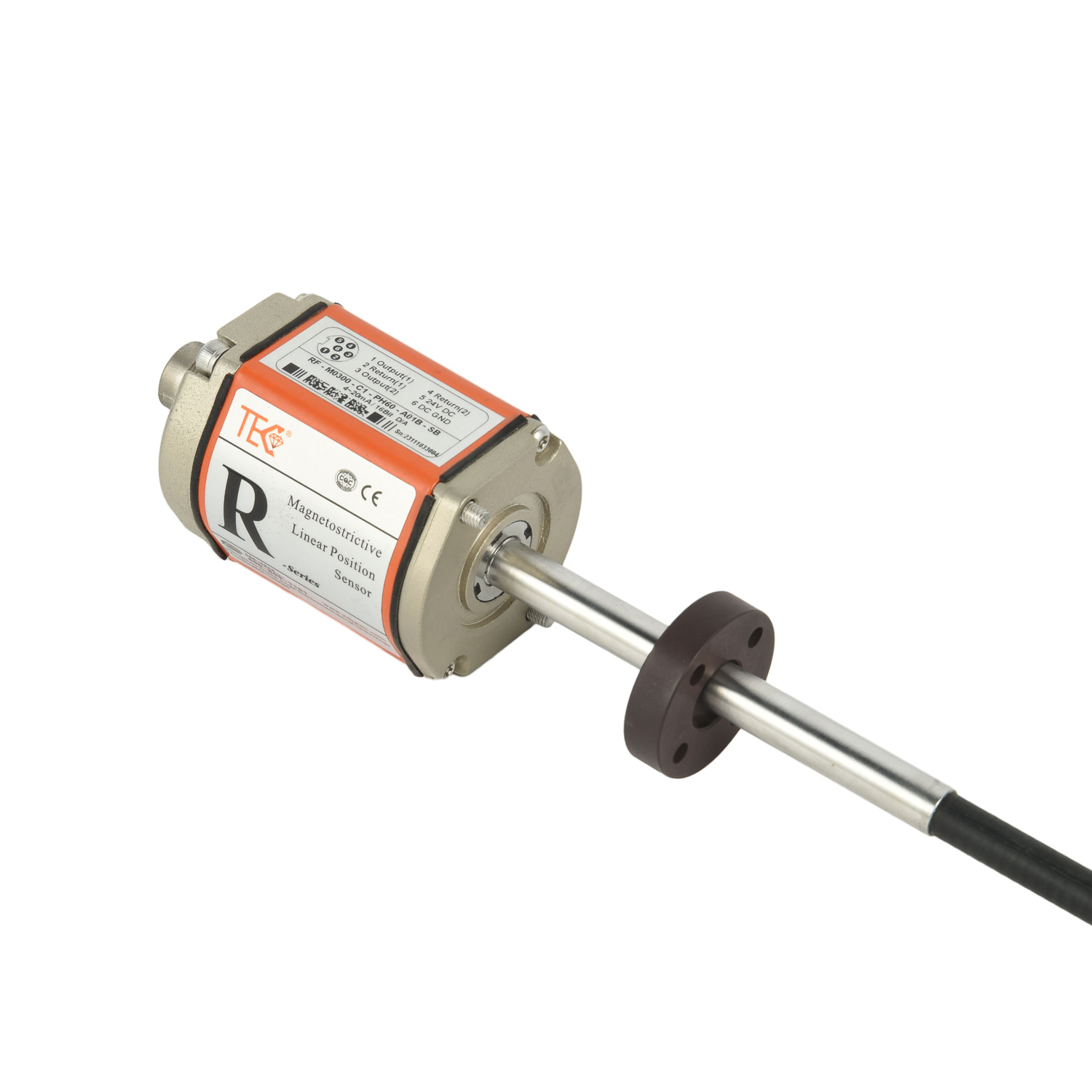
In the demanding world of industrial automation and precision measurement, equipment longevity isn't just a convenience—it's a critical economic factor. Sensor failure can lead to costly downtime, production losses, and maintenance headaches. This is where magnetostrictive sensors establish a commanding presence, engineered from the ground up to deliver unparalleled service life that consistently outperforms alternative sensing technologies.
Unmatched Robustness in Core Design and Materials
The fundamental operating principle of magnetostrictive sensors contributes directly to their ruggedness. They utilize a magnetostrictive waveguide—a specially engineered ferromagnetic wire or tube—sealed within a protective stainless steel housing. This core component is not subject to mechanical wear from physical contact, as measurement occurs via a torsional strain wave induced by the interaction of a position magnet and a current pulse. The materials selected, including high-grade stainless steel for the housing and engineered alloys for the waveguide, are inherently resistant to corrosion, pressure, and temperature extremes, forming a solid foundation for durability.
Triumphing Over Harsh Industrial Environments
Where other sensors falter, magnetostrictive sensors thrive. Their hermetically sealed construction provides an exceptional ingress protection (IP) rating, effectively shielding internal components from contaminants like dust, oil, coolant, and moisture. This makes them ideal for use in machine tools, hydraulic cylinders, and outdoor applications. Furthermore, they exhibit high immunity to electromagnetic interference (EMI) and radio frequency interference (RFI), common in electrically noisy industrial settings, ensuring signal integrity and reliable operation where other technologies might generate erroneous readings or fail.
Minimizing Maintenance and Maximizing Uptime
The non-contact sensing mechanism eliminates the wear and tear associated with potentiometric, LVDT, or even some magnetic encoder technologies that rely on physical contact or delicate optical components. There are no wipers to degrade, no bearings to fail, and no gears to wear out. This inherent reliability translates directly to reduced maintenance schedules, lower total cost of ownership, and significantly increased machine uptime. Users benefit from consistent, repeatable accuracy over tens of millions of cycles without performance degradation.
A Cost-Effective Solution Through Extended Lifecycle
While the initial investment in a magnetostrictive sensor may be higher than some alternatives, its superior durability redefines the cost equation. The extended mean time between failures (MTBF) drastically reduces replacement costs, labor for swaps, and production losses from unplanned stoppages. This long-term reliability and accuracy preservation ensure that the total lifecycle cost is often substantially lower, providing a compelling return on investment that less durable sensors cannot match.
Proven Longevity Across Diverse Applications
The evidence of their durability advantage is documented across countless industries. From the continuous high-cycle demands of injection molding machines and press lines to the corrosive atmospheres found in chemical processing and the high-pressure, high-vibration environments of mobile hydraulics, magnetostrictive sensors deliver sustained performance. This proven track record in real-world conditions solidifies their reputation as the go-to technology for applications where failure is not an option and long-term operational stability is paramount.
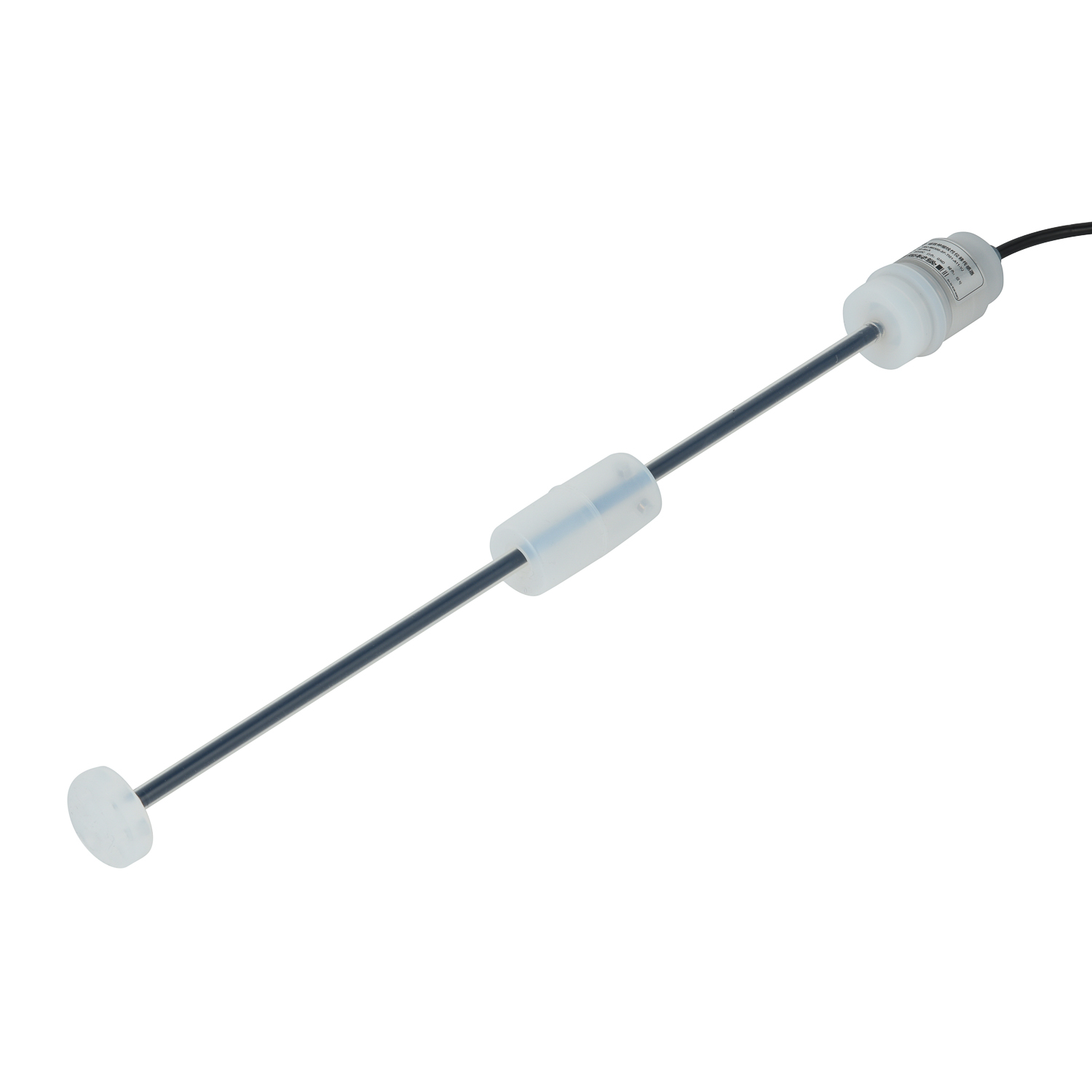 Graybus Cable Fault
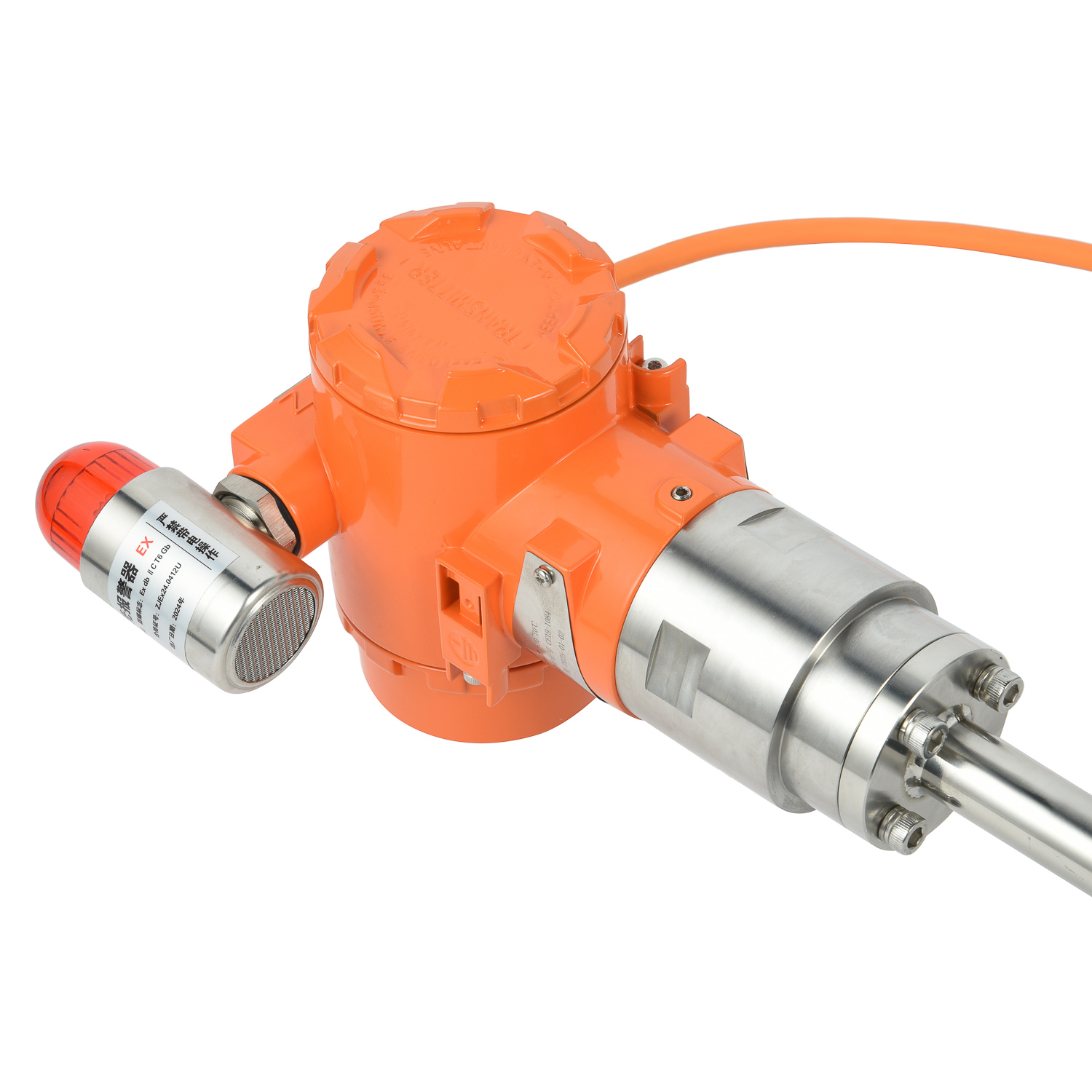 Field Application of Graybus C
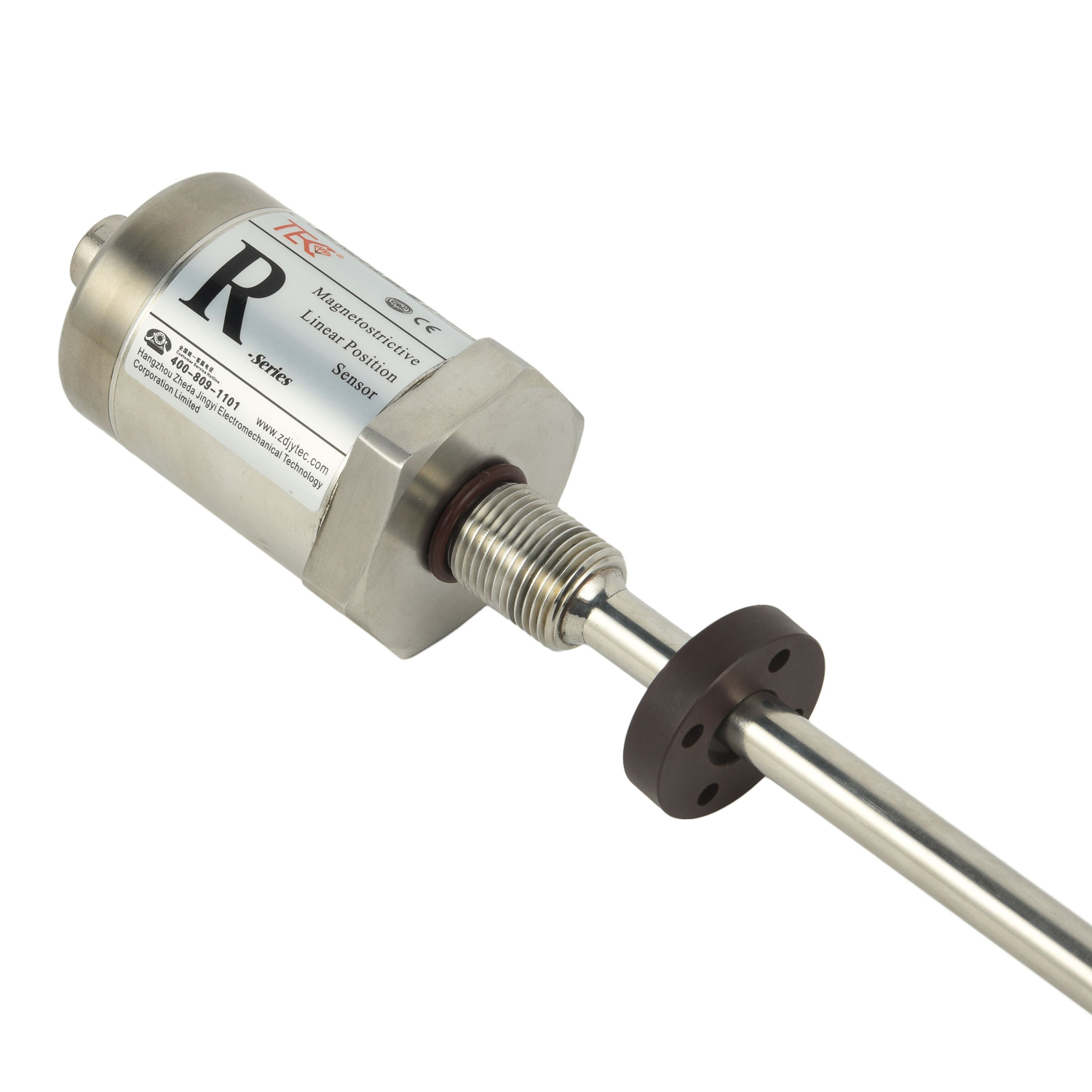 Model and Specification of Gra
 Import Substitute Graybus Cabl