
HydraulicstoRobotics:UniversalApplicationsofMagnetostrictiveDisplacementSensors
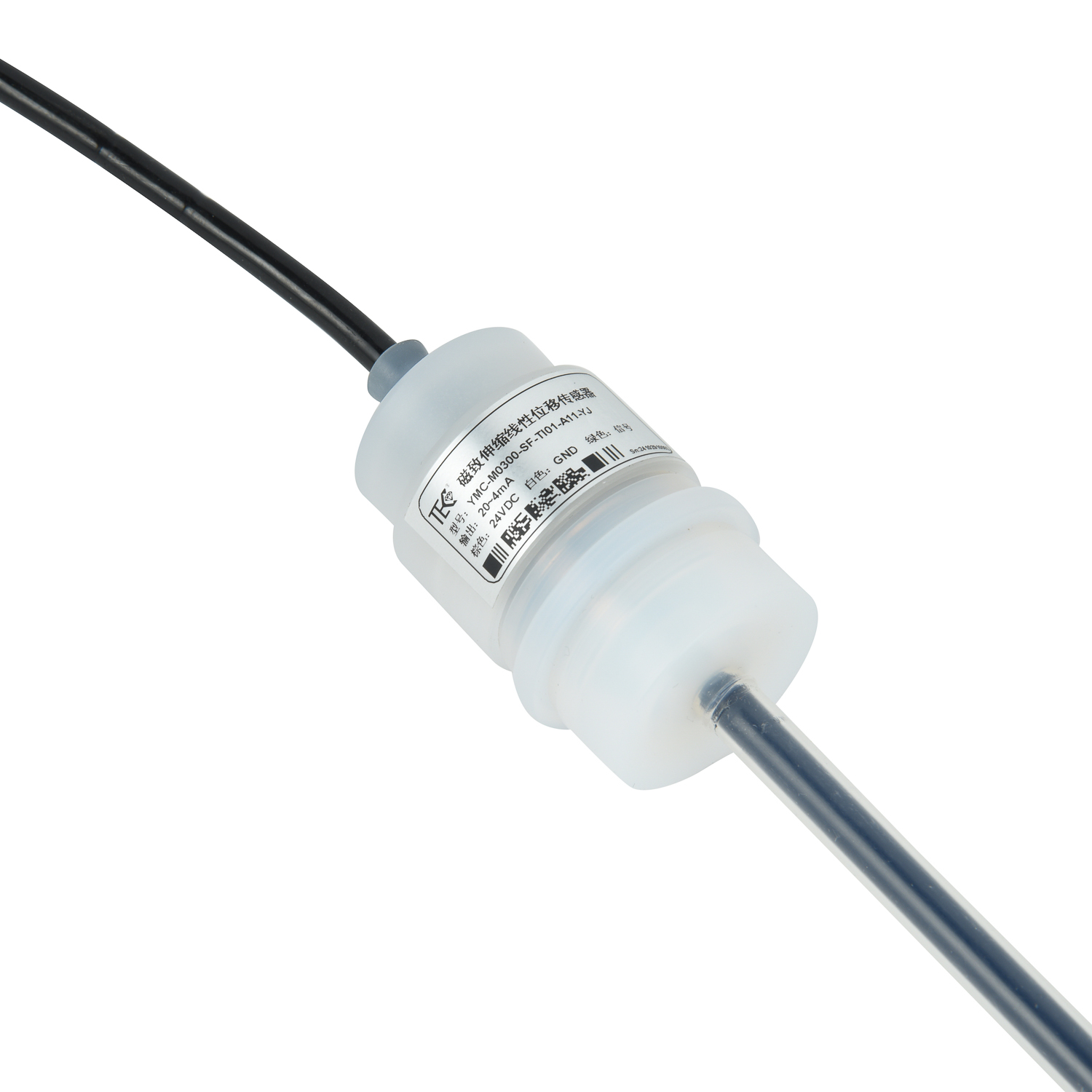
In the demanding world of industrial automation, achieving micron-level precision in position measurement is non-negotiable. This is where magnetostrictive displacement sensors excel, offering a unique blend of reliability, accuracy, and durability that makes them indispensable across a vast spectrum of applications. Their journey from robust hydraulic systems to sophisticated robotic cells underscores their universal utility.
Core Technology: The Science of Precision Measurement
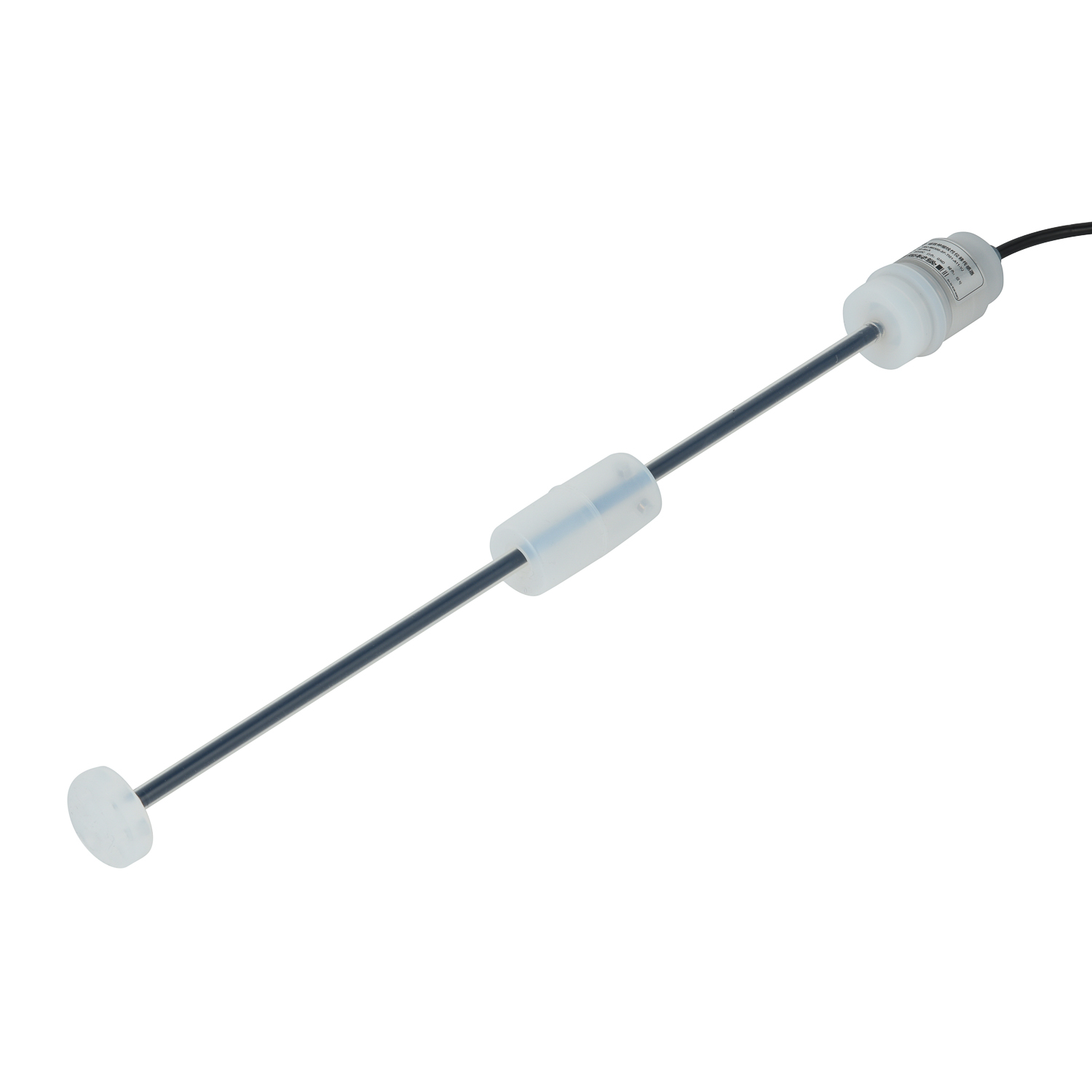
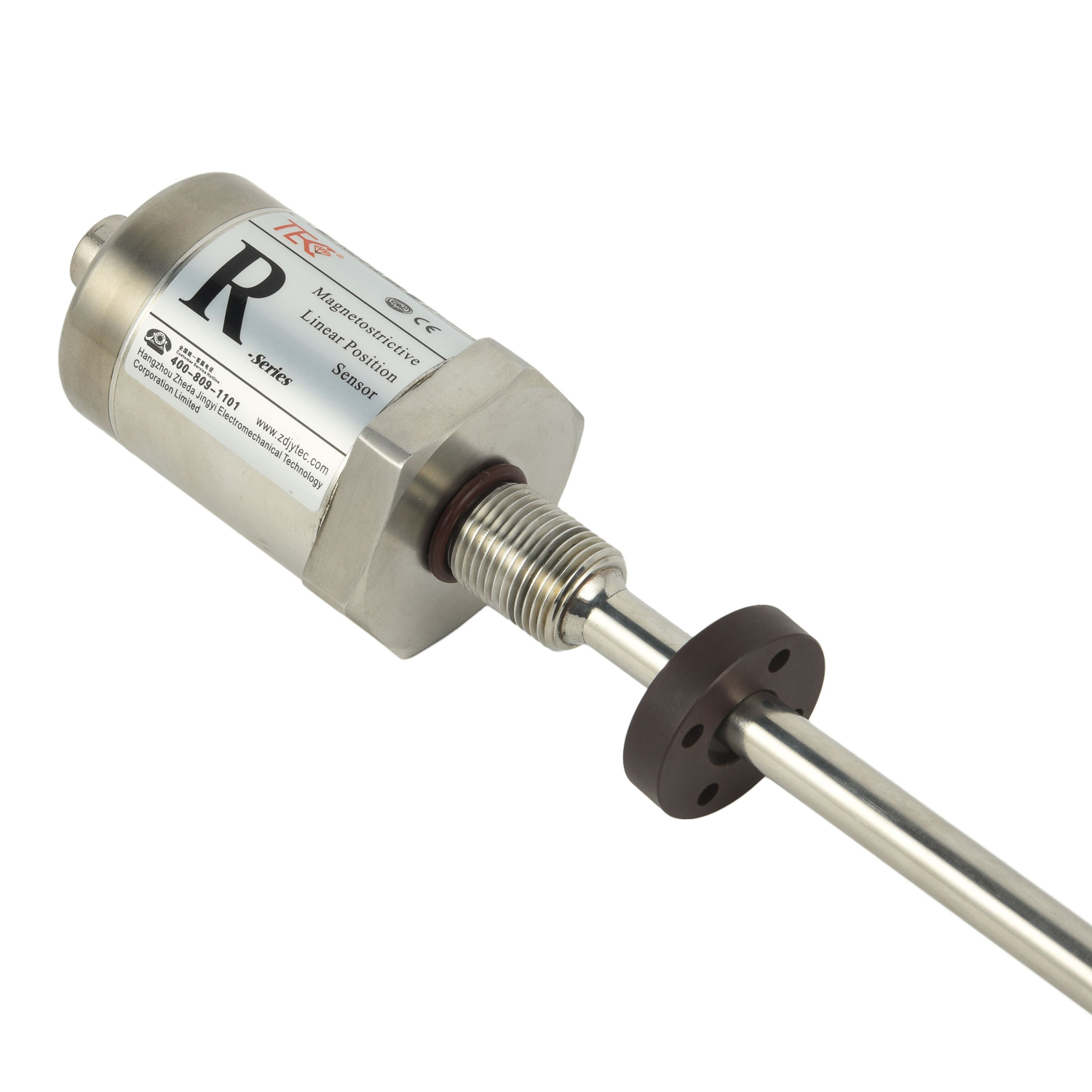
At the heart of a magnetostrictive sensor lies a simple yet brilliant principle. A current pulse sent down a waveguide wire interacts with the magnetic field of a position magnet. This interaction generates a torsional strain wave, whose travel time is measured to pinpoint the magnet's location with exceptional accuracy. This non-contact sensing method eliminates mechanical wear, ensuring long-term stability and repeatable measurements critical for both hydraulic piston rods and robotic joint feedback.
Hydraulic Systems: Ensuring Power and Control
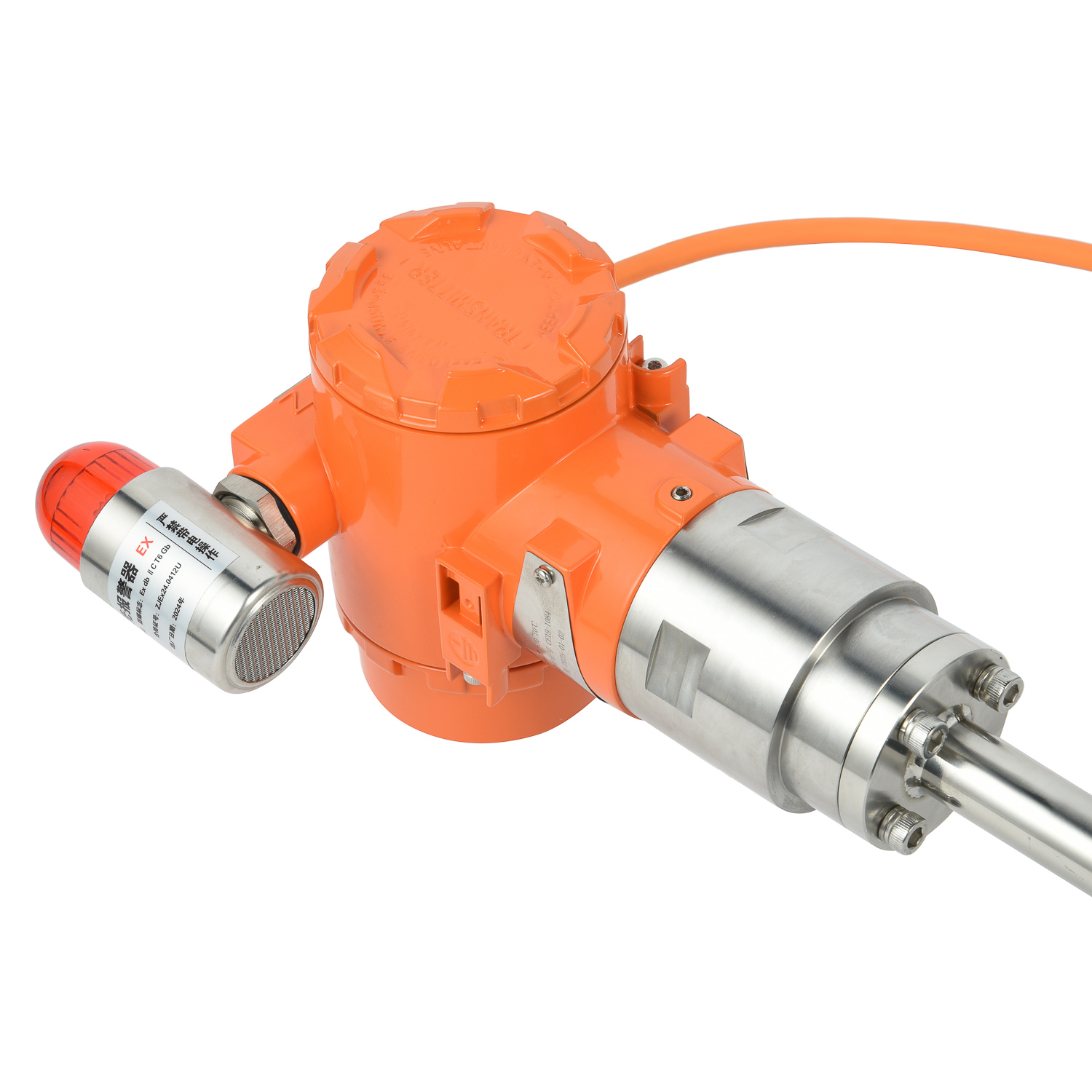
Within hydraulic cylinders, precise control of piston rod position is paramount for force, speed, and synchronization. Magnetostrictive sensors are ideally suited for this harsh environment. They are directly integrated into the cylinder, providing real-time, absolute position feedback. This enables precise control of press forces, injection molding strokes, and the synchronized movement of heavy machinery, directly enhancing system efficiency, safety, and product quality.
Robotics and Automation: Enabling Intelligent Motion
The transition to robotics highlights the sensor's versatility. In automated guided vehicles (AGVs), they provide accurate lift height positioning. For robotic arms, these sensors offer critical feedback on linear actuator position, enabling complex, coordinated movements with high repeatability. This precise feedback loop is essential for tasks like precision assembly, material handling, and automated welding, where every millimeter counts.
Key Advantages: Why They Dominate Industrial Applications
Several inherent benefits solidify their dominant position. Their high accuracy and repeatability provide consistent performance. The robust construction offers resilience against shock, vibration, and contaminants like hydraulic fluid or coolant. Furthermore, they provide absolute position measurement immediately upon power-up, eliminating the need for homing routines. This combination of features minimizes downtime and maximizes productivity across all applications.
Future Trends: Integration and Smart Sensing
The future of magnetostrictive sensors is intertwined with Industry 4.0. Modern sensors now come equipped with industrial network interfaces like IO-Link, facilitating seamless integration into digital control systems. This allows for predictive maintenance through continuous condition monitoring and data analytics. As automation evolves towards greater intelligence and interconnectivity, these smart sensors will continue to be a cornerstone of precise, reliable, and data-driven motion control.
 Graybus Cable Fault
 Field Application of Graybus C
 Model and Specification of Gra
 Import Substitute Graybus Cabl