
Hoist Intrinsically Safe Explosion-proof Electromagnetic Flowmeter Working Principle
Hoist intrinsically safe explosion-proof electromagnetic flowmeters measure conductive liquids safely in hazardous areas. Their working principle is based on Faraday's law of electromagnetic induction. When a conductive fluid flows through a non-magnetic measuring tube, it cuts the magnetic field generated by excitation coils. This motion induces a small voltage between two electrodes mounted on the tube wall. The induced voltage is proportional to fluid velocity, magnetic flux density, and electrode spacing. Since the tube diameter and magnetic field are fixed, the flow velocity can be calculated from the detected voltage. The converter then amplifies, filters, and converts the signal into standard flow readings and output signals. For explosion-proof and intrinsic safety, the design limits electrical energy in the sensor and signal circuits. Intrinsically safe barriers or galvanic isolators prevent sparks and high temperatures from reaching the hazardous environment. A flameproof or explosion-proof enclosure gives extra protection to internal electronics. The excitation circuit uses low-energy pulses, and the meter has no moving parts, reducing pressure loss and maintenance. These features make the flowmeter suitable for hoist systems, oil and gas sites, chemical plants, and other explosive atmospheres. Correct grounding, straight pipe sections, compatible safety barriers, regular calibration, and inspection are essential for accurate flow measurement and safe operation.
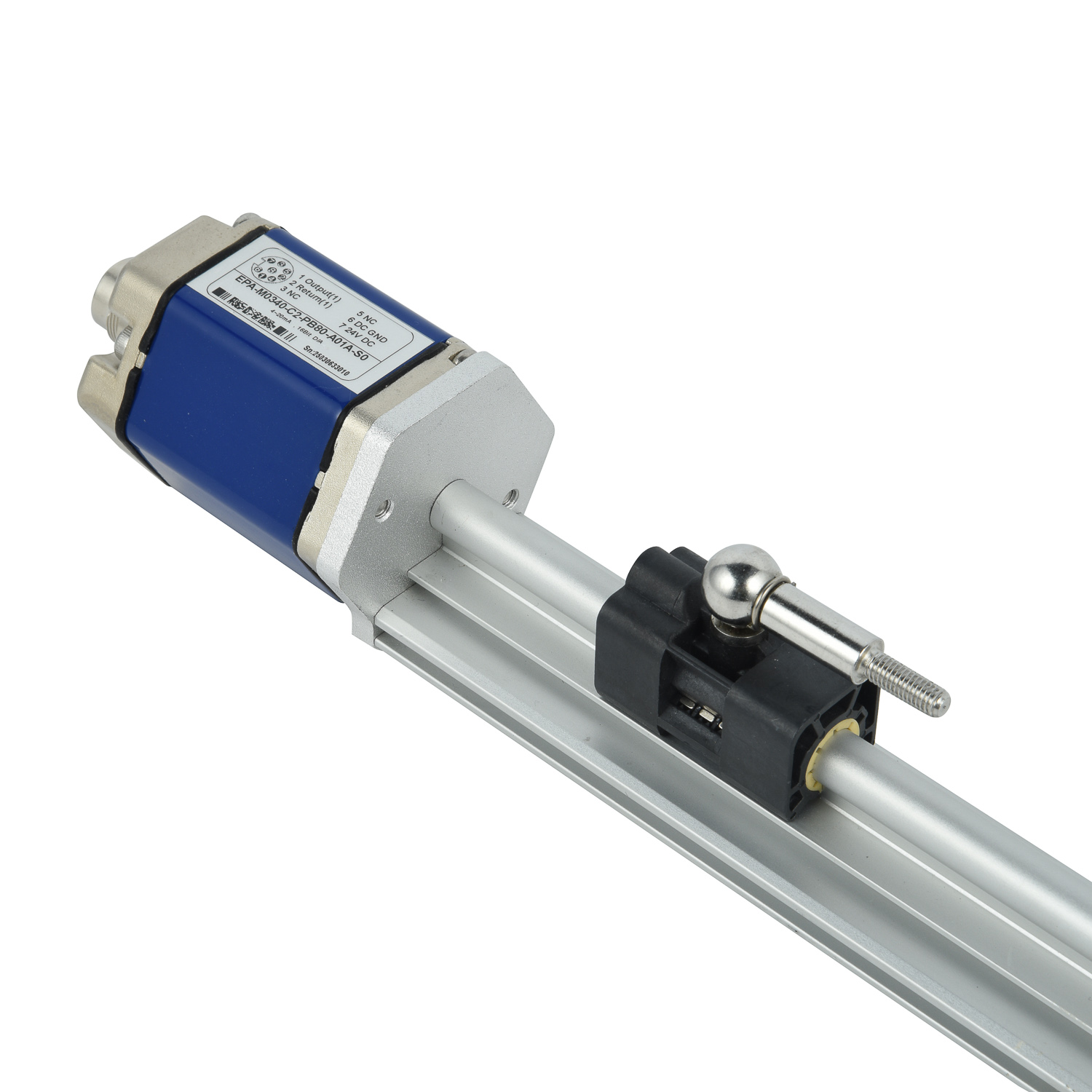 Hoist Intrinsically Safe Explo
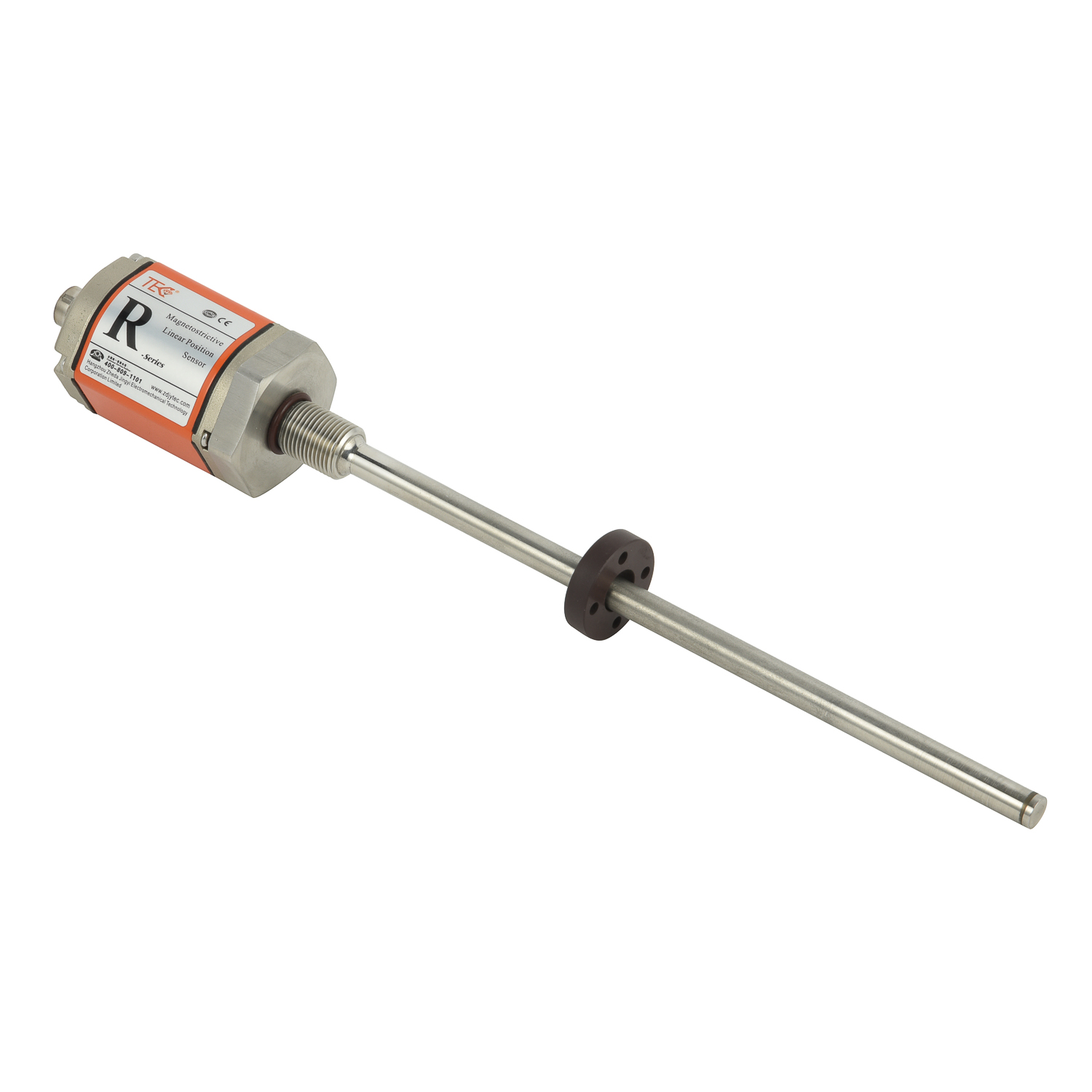 Gate Corrosion-resistant Elect
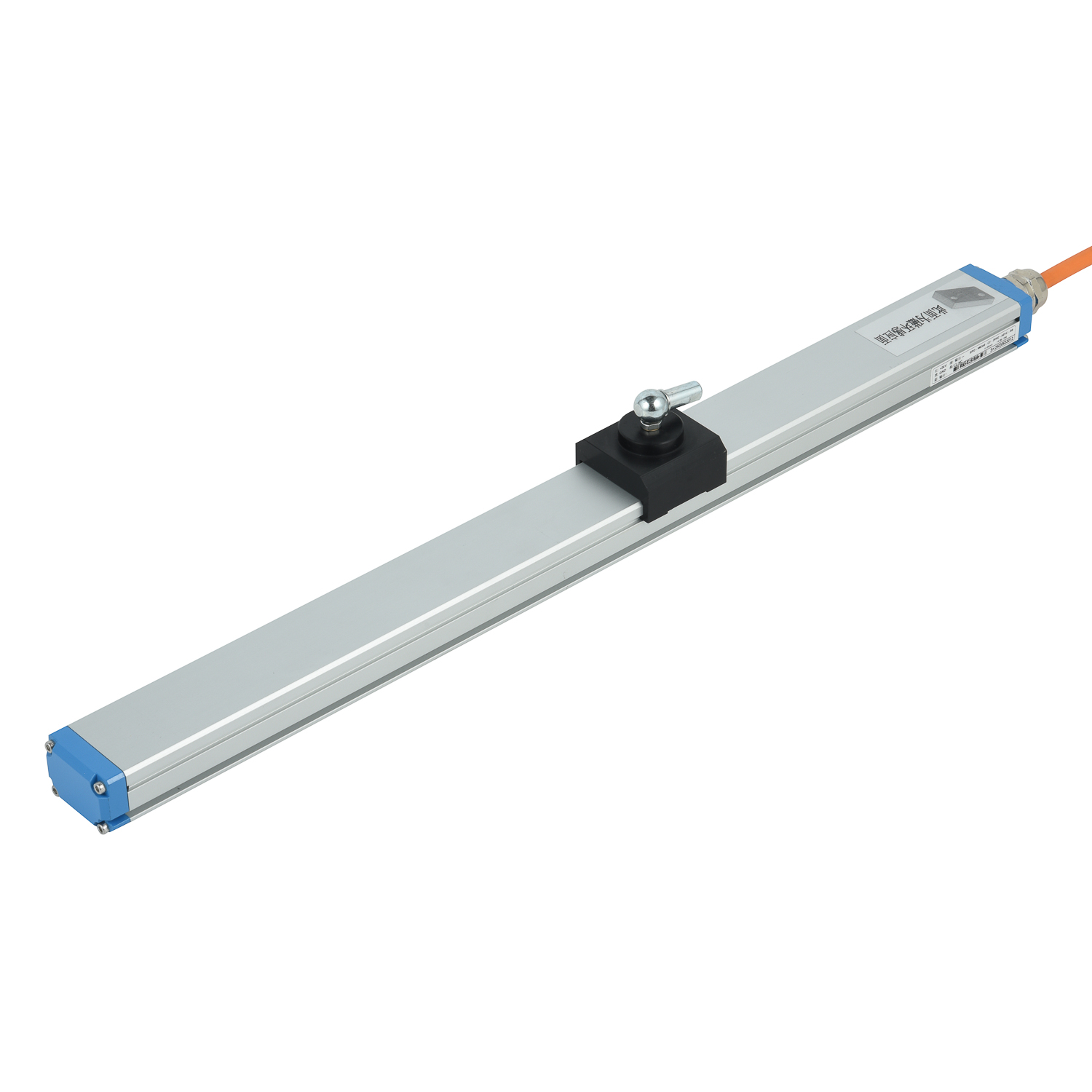 Silo Waterproof Electromagneti
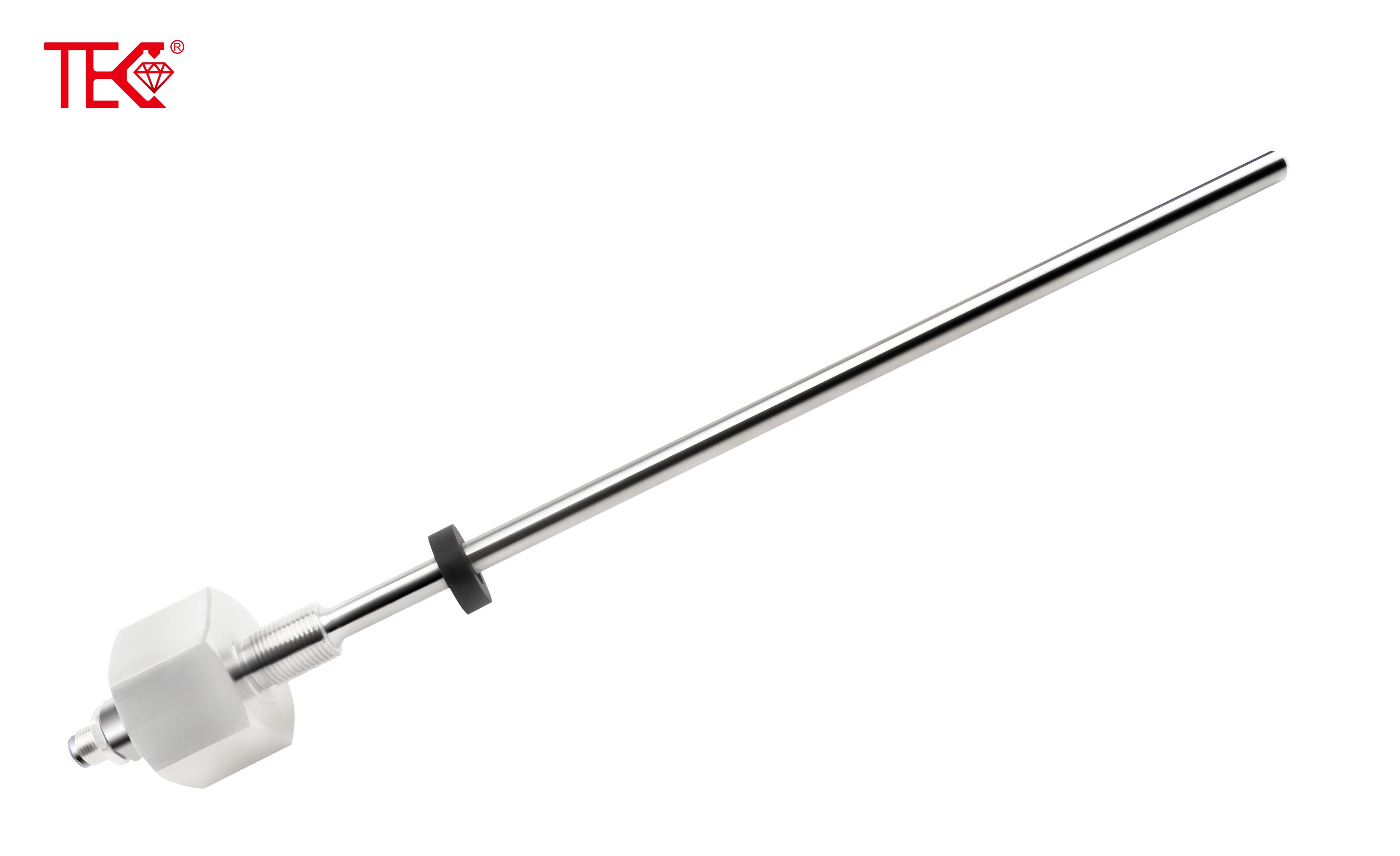 Reaction Kettle High-pressure