
Non-ContactBrilliance:WhyMagnetostrictiveSensorsLeadinHarshEnvironments
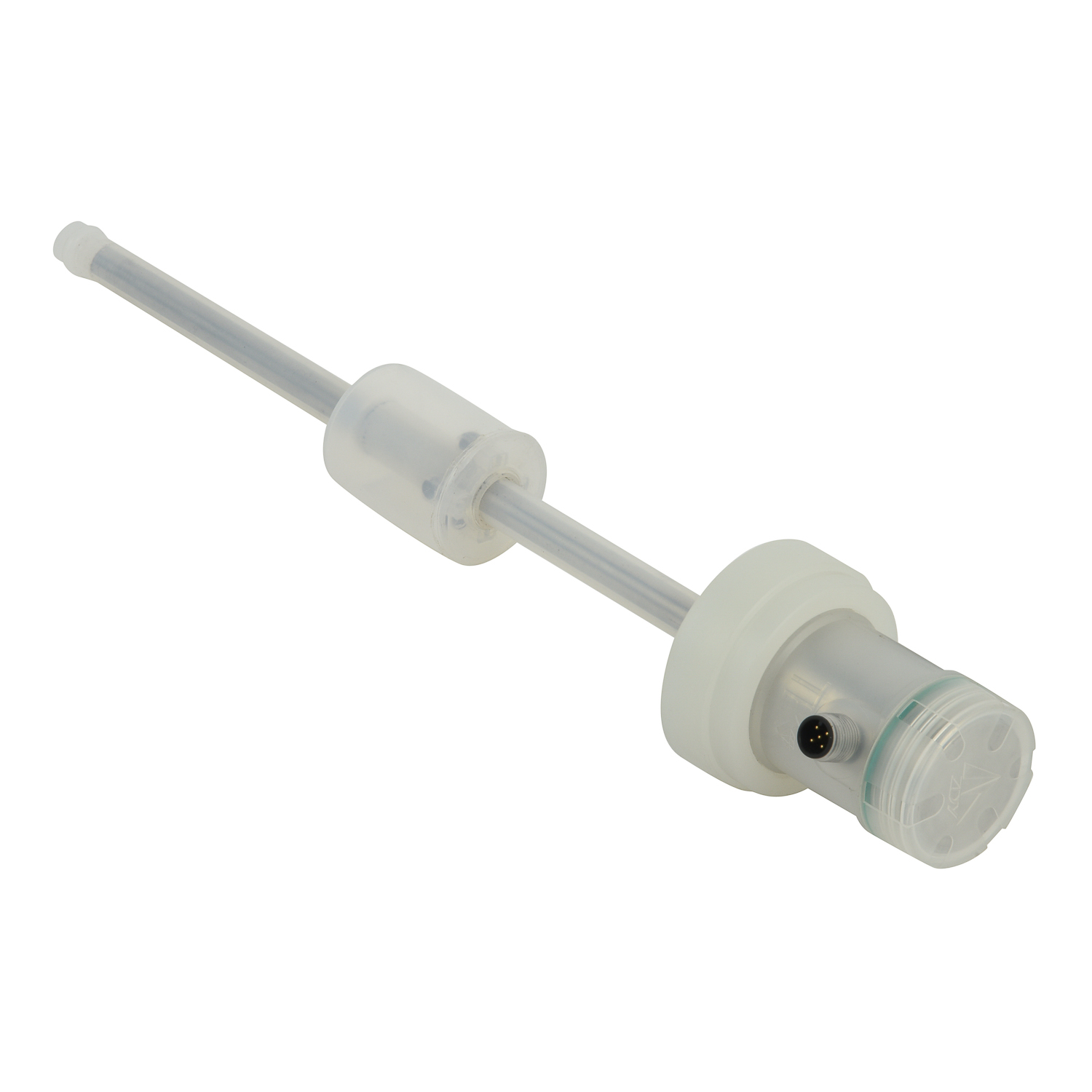
In the demanding world of industrial automation, reliable measurement is non-negotiable. Sensors face extreme temperatures, corrosive chemicals, intense vibration, and contaminant-laden atmospheres. Where traditional contact-based sensors falter and fail, one technology consistently demonstrates superior resilience and precision: the magnetostrictive sensor. Its fundamental non-contact principle is the cornerstone of its brilliance in hostile conditions.
The Core Principle: A Twist of Genius
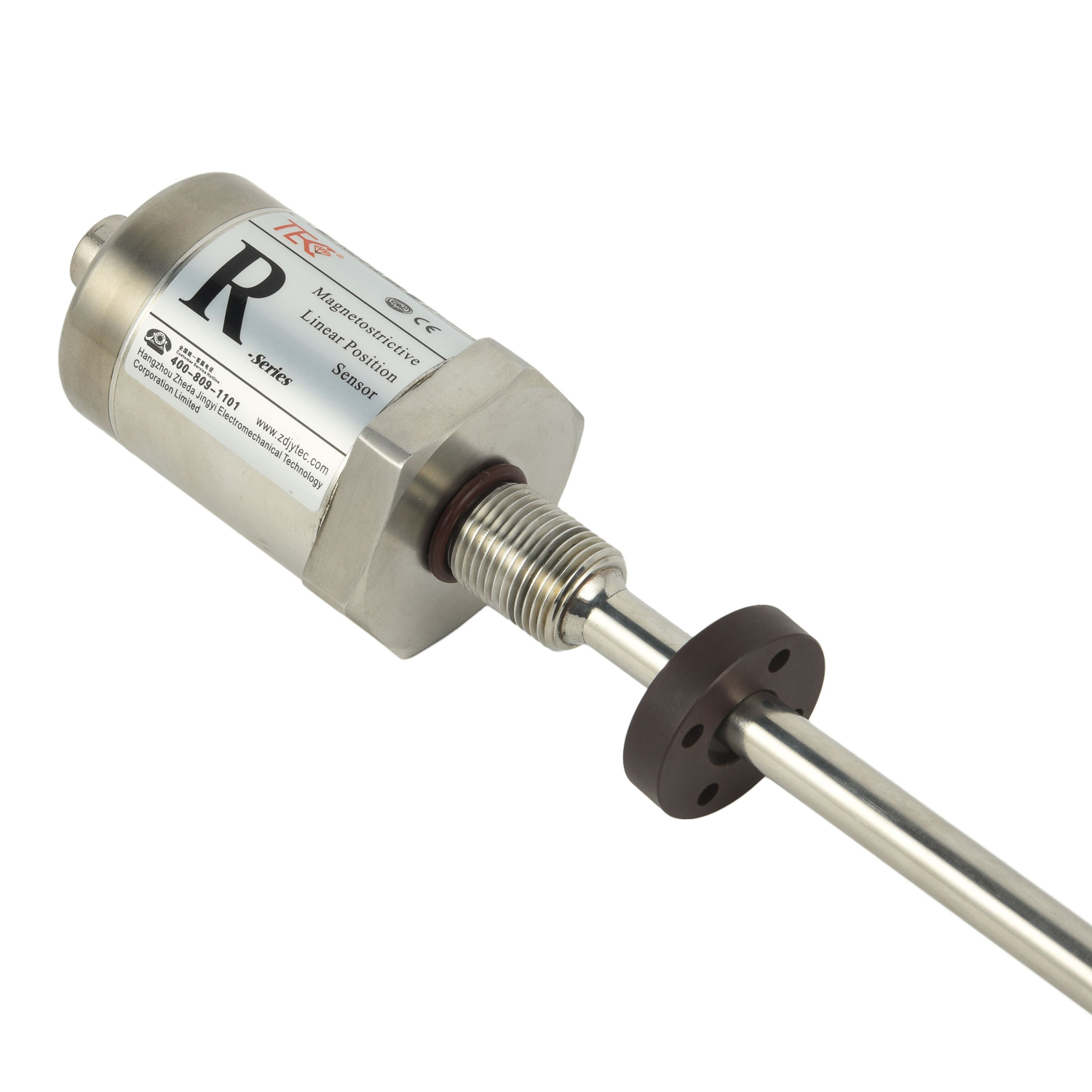
Magnetostrictive sensors operate on a fascinating physical phenomenon. A waveguide wire inside the sensor carries a brief current pulse, generating a circumferential magnetic field. A permanent magnet ring, attached to the target being measured, provides a second magnetic field. Where these fields intersect, a torsional stress wave (or "twist") is instantaneously generated in the waveguide. The time elapsed between sending the current pulse and detecting this returning twist is measured with extreme accuracy. This time interval is directly proportional to the position of the magnet, enabling precise, absolute position measurement without any physical contact between the moving part and the sensor body.
Unmatched Durability in Hostile Settings
The non-contact nature of this technology eliminates the primary cause of sensor wear and tear. With no mechanical linkages or sliding contacts, magnetostrictive sensors are immune to the degradation that plagues other technologies. They are inherently sealed, typically to IP67 or higher standards, protecting the internal waveguide from dust, moisture, and corrosive fluids. Their robust construction allows them to withstand severe shock and vibration, providing stable, drift-free performance where other sensors would produce noisy data or catastrophic failure. This inherent toughness translates directly to reduced downtime and lower total cost of ownership.
Precision That Withstands the Pressure
Beyond mere survival, magnetostrictive sensors deliver exceptional performance under pressure. They offer high linearity, repeatability, and resolution across their entire measuring range. Unlike potentiometric or other contacting sensors, their accuracy is not compromised by wear over time. They provide an absolute position reading immediately upon power-up, eliminating the need for re-homing sequences. This combination of long-term precision and reliability makes them the trusted choice for critical applications like hydraulic cylinder position control, press automation, and injection molding, where accuracy directly impacts product quality and process safety.
Leading the Future of Industrial Sensing
The advantages of magnetostrictive technology align perfectly with the trends of Industry 4.0. Their digital output integrates seamlessly with modern control systems, providing reliable data for predictive maintenance and process optimization. As industries push for greater efficiency in more extreme environments—from offshore platforms to automated foundries—the demand for this robust, non-contact sensing solution will only intensify. Their proven track record of non-contact brilliance ensures that magnetostrictive sensors will continue to lead the way, providing the reliable intelligence needed for the smart, harsh factories of the future.
 Graybus Cable Fault
 Field Application of Graybus C
 Model and Specification of Gra
 Import Substitute Graybus Cabl