
TheEngineer'sGuidetoSelectingtheRightMagnetostrictiveDisplacementSensor
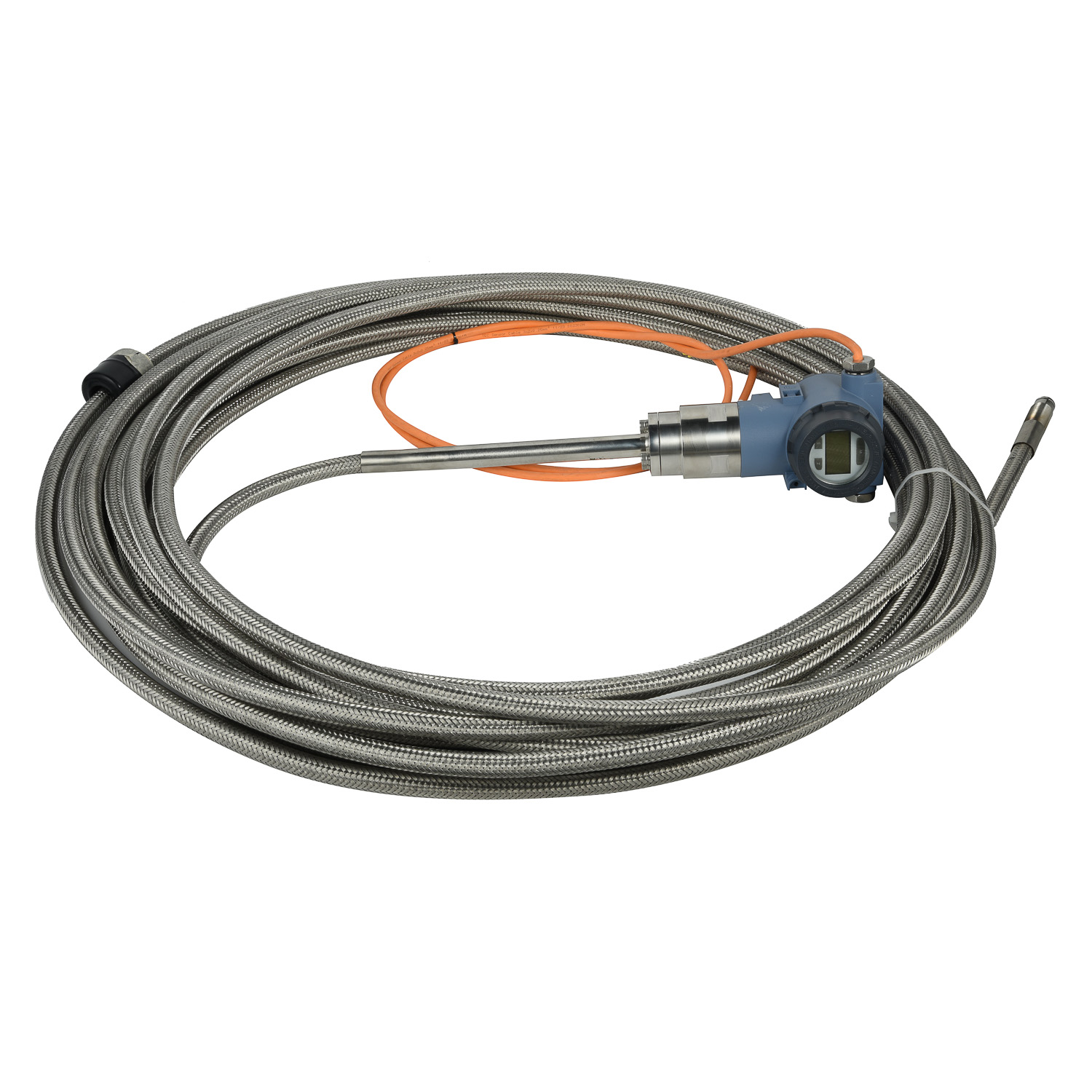
Navigating the world of industrial automation requires precision tools, and magnetostrictive displacement sensors stand out for their unparalleled accuracy in position sensing. But with various models and specifications available, selecting the optimal sensor for your application is critical. This guide breaks down the essential criteria to ensure you make an informed, performance-driven choice.
Understanding Core Operating Principles
At its heart, a magnetostrictive sensor works by measuring the time delay between the generation of a torsional strain wave and its detection. A current pulse sent down a waveguide interacts with a magnetic field from a position magnet, creating the wave. The time-of-flight is precisely measured to determine the magnet's absolute position. This non-contact sensing principle is the foundation of its exceptional reliability and long-term stability, making it ideal for harsh industrial environments where other technologies may falter.
Key Selection Criteria: Accuracy and Resolution
The foremost consideration is the required level of precision. Don't just look at the headline resolution figure; delve into the nonlinearity error specification, which defines the sensor's fundamental accuracy across its entire stroke. Consider environmental factors like temperature stability, as thermal effects can influence readings. For dynamic applications, evaluate the sensor's response time and repeatability. A sensor with sub-micron resolution might be necessary for precision machining, while a hydraulic cylinder application may prioritize robust absolute accuracy over extreme resolution.
Output Signal and Electrical Interface
Your control system dictates the needed output. Common options include analog voltage or current (e.g., 0-10V, 4-20mA), start-stop digital pulses, or fieldbus protocols like PROFIBUS, IO-Link, or EtherCAT. The choice impacts system integration complexity and data transmission speed. Also, assess the electrical requirements: supply voltage range, current consumption, and output load capacity. Ensuring compatibility from the start prevents costly integration issues and communication delays on the factory floor.
Mechanical and Environmental Durability
The sensor must survive its operating environment. Key ratings include the Ingress Protection (IP) code for dust and water resistance, crucial for washdown or outdoor applications. Evaluate the housing material—stainless steel is often required for corrosive settings. Consider shock and vibration resistance specifications, especially in mobile equipment or heavy machinery. The choice of waveguide material and the position magnet's design also contribute to resilience against mechanical stress and magnetic interference.
Installation Considerations and System Integration
Proper installation is paramount for optimal performance. Factors include the required mounting style (in-cylinder, external, floating), available space constraints, and the stroke length. Pay close attention to alignment requirements between the sensor and the position magnet to avoid signal degradation. Ensure the sensor's temperature range and media compatibility (if used in-cylinder) match the application. A well-planned integration, considering cable routing and connector types, minimizes downtime and ensures long-term, maintenance-free operation.
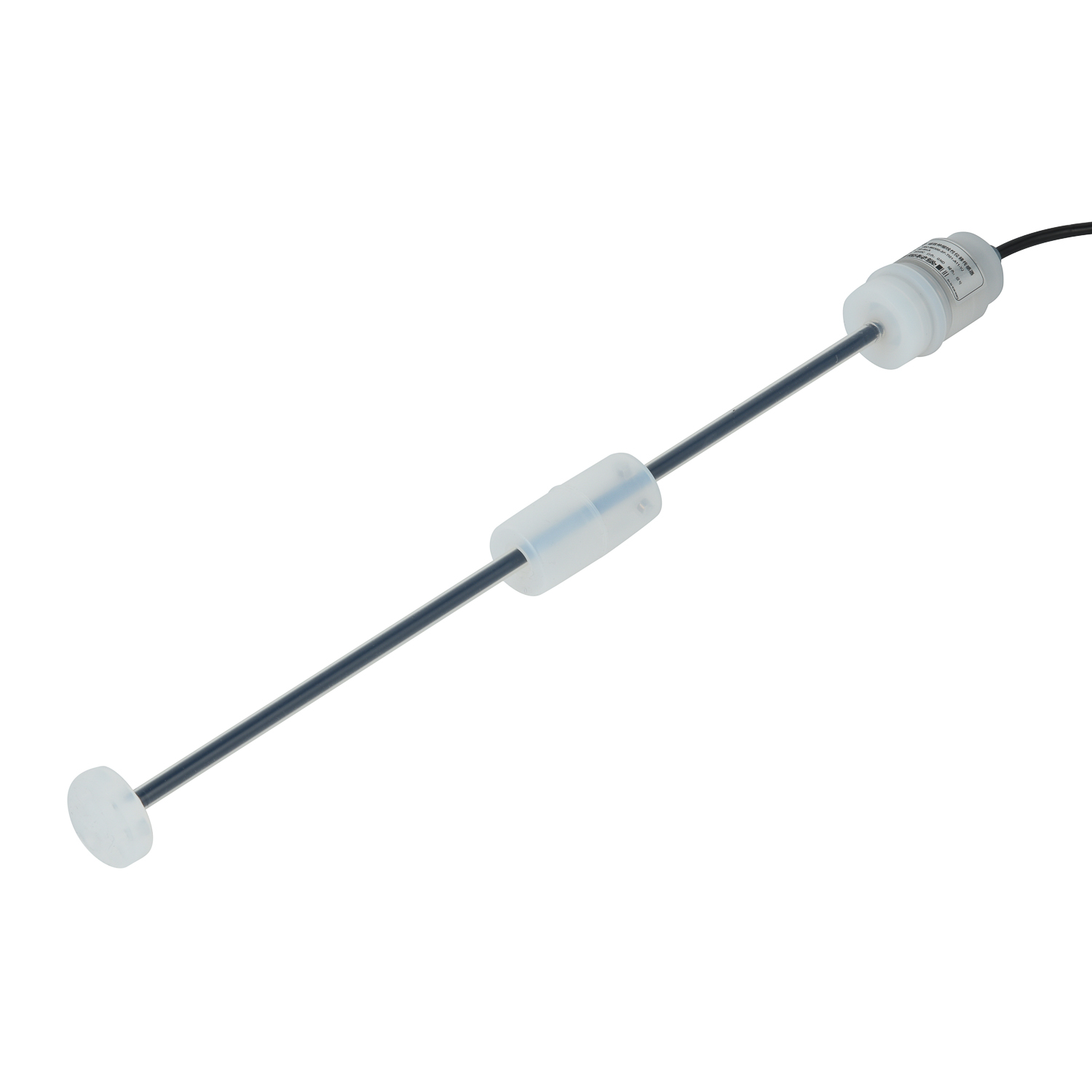 Graybus Cable Fault
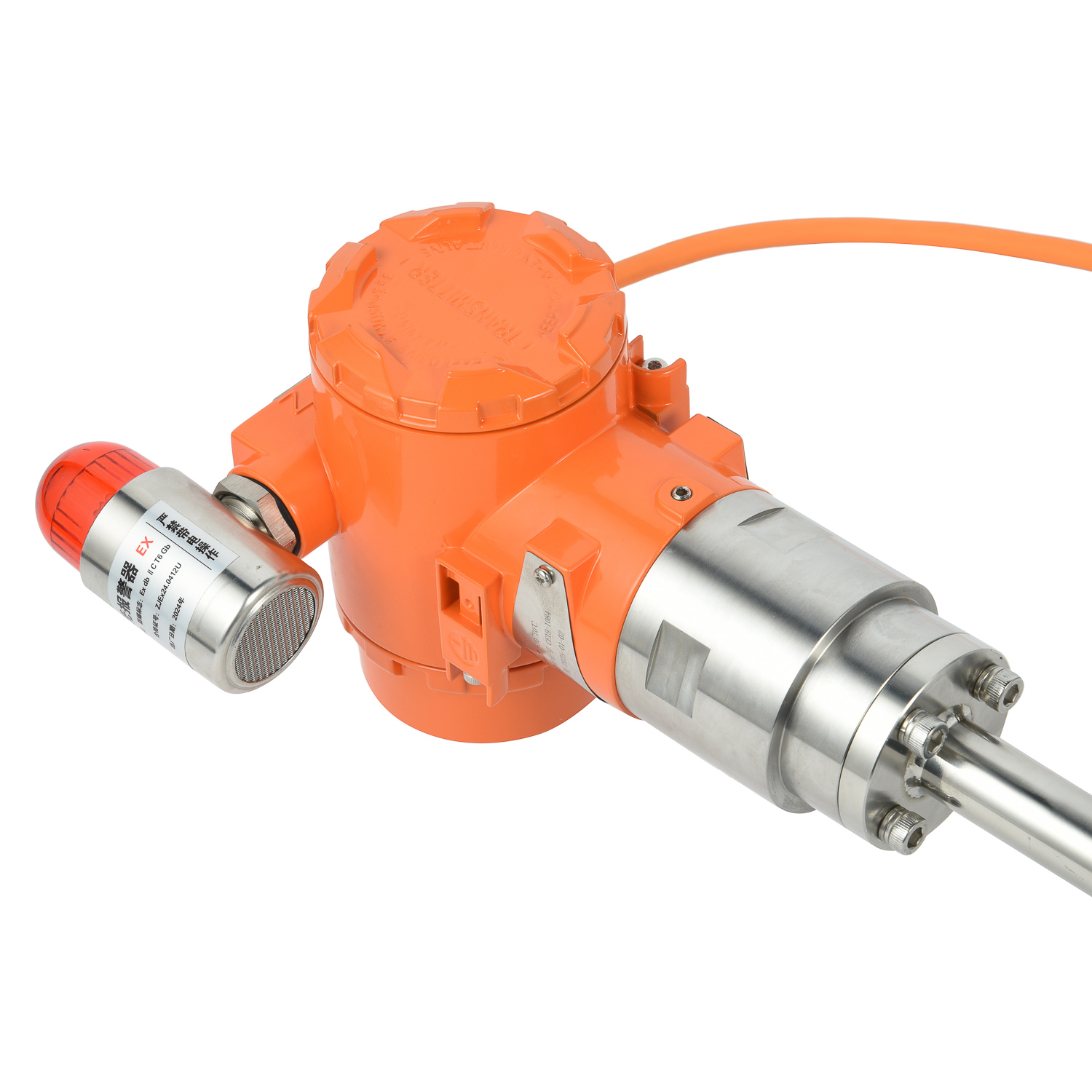 Field Application of Graybus C
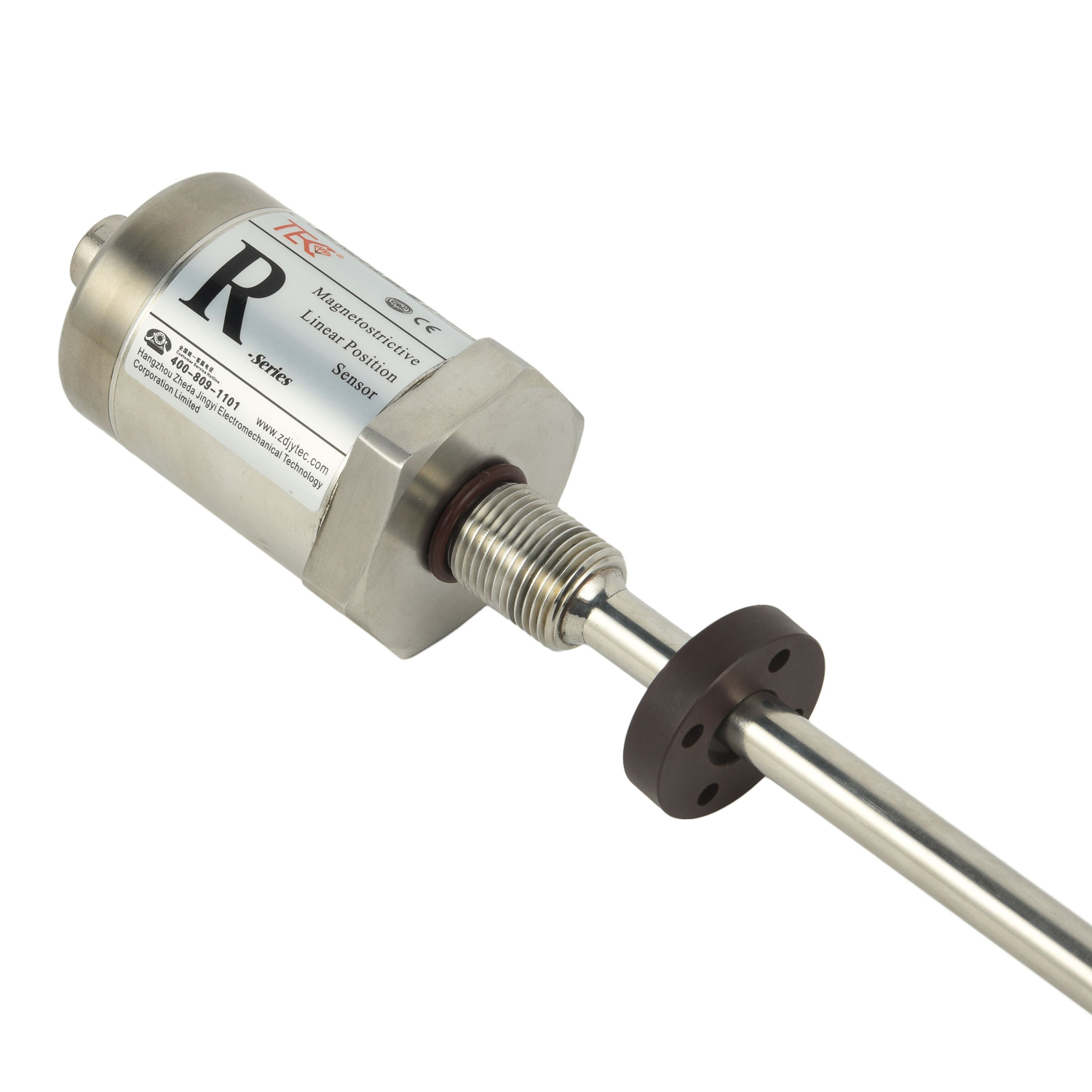 Model and Specification of Gra
 Import Substitute Graybus Cabl