
TheSilentWorkhorse:MagnetostrictiveDisplacementSensorsinModernAutomation
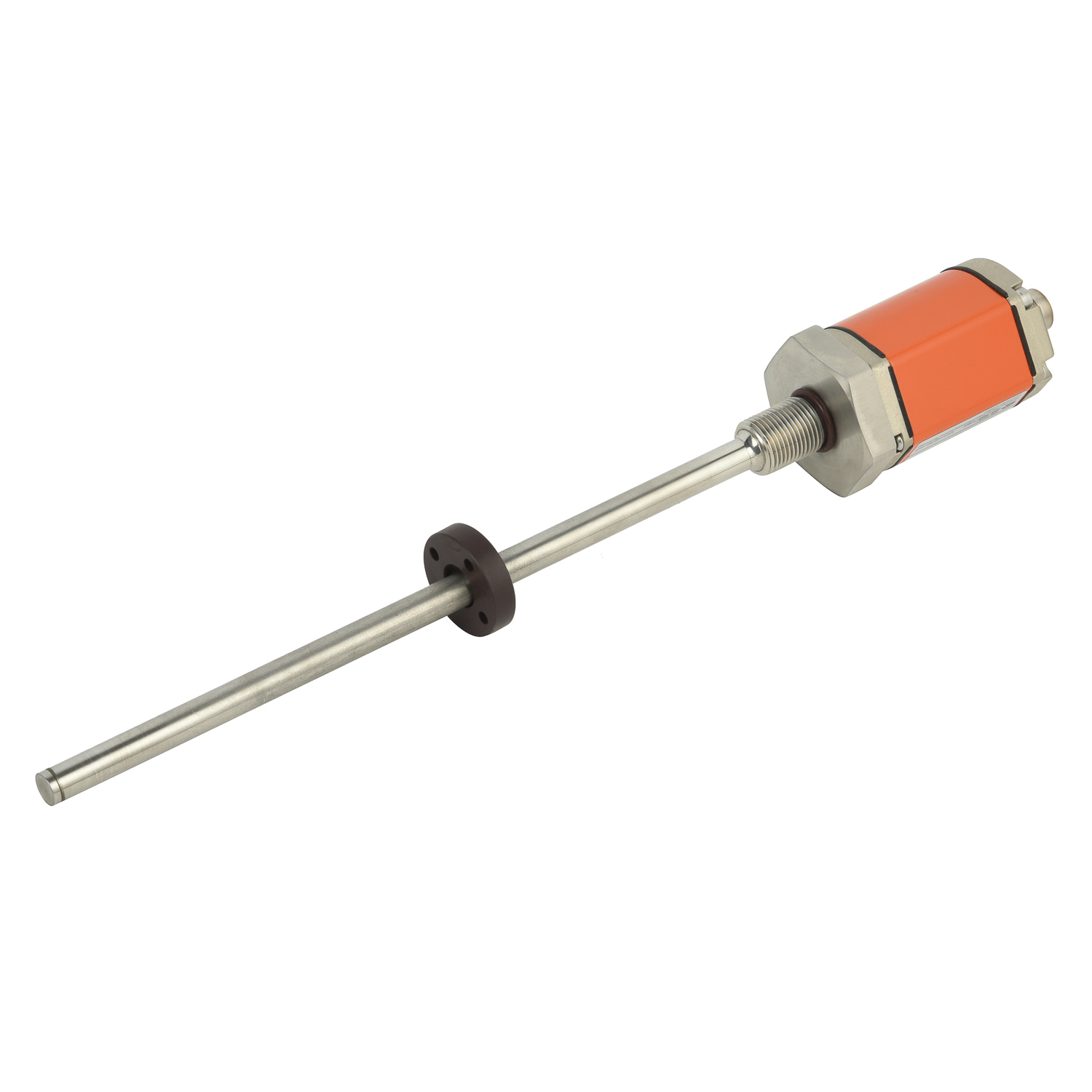
In the relentless drive of modern industry, where precision and reliability are non-negotiable, a quiet champion operates behind the scenes. Magnetostrictive displacement sensors have cemented their role as fundamental components in automation, providing accurate linear position feedback where other technologies may falter. Their unique operating principle and robust design make them indispensable for mission-critical applications.
The Core Principle: A Twist in Time Reveals Position
At the heart of these sensors lies a clever physical phenomenon. A current pulse sent down a waveguide inside the sensor generates a circumferential magnetic field. A permanent magnet, attached to the moving target, interacts with this field, creating a torsional strain wave—the magnetostrictive effect. The sensor precisely measures the time delay between the current pulse initiation and the wave's return. Since the wave travels at a known sonic speed, this time-of-flight measurement is directly converted into an exact absolute position of the magnet, enabling non-contact, wear-free operation.
Unmatched Precision and Reliability in Harsh Environments
Why choose magnetostrictive technology? The answer lies in its exceptional performance credentials. These sensors deliver high accuracy and repeatability, often down to micrometer levels, without any physical contact with the moving part. This eliminates mechanical wear, ensuring a long operational life. Furthermore, they are inherently rugged, typically featuring stainless steel housings that offer excellent resistance to shock, vibration, moisture, and extreme temperatures, making them ideal for demanding factory floor and hydraulic cylinder applications.
Driving Efficiency Across Diverse Industrial Applications
The versatility of magnetostrictive displacement sensors is showcased across automation landscapes. In hydraulic and pneumatic systems, they provide precise piston rod positioning for presses and injection molding machines. They enable accurate feedback in servo systems for robotics and CNC equipment. From monitoring valve strokes and roll positions in steel mills to controlling elevator levels and turbine blades, these sensors are the silent workhorses ensuring synchronized and efficient motion control.
The Future of Sensing: Smarter Integration and Enhanced Capabilities
The evolution of magnetostrictive sensors aligns with Industry 4.0 trends. Modern iterations feature integrated digital electronics, providing direct communication via fieldbus protocols like PROFINET, EtherCAT, or IO-Link. This enables advanced diagnostics, parameterization, and seamless integration into smart networks. Future developments point toward even higher sampling rates, miniaturization for compact spaces, and enhanced materials for more corrosive environments, solidifying their role in the automated factories of tomorrow.
Selecting the Right Sensor for Your Automation Challenge
Implementing the optimal sensor requires careful consideration. Key parameters include measurement stroke length, required accuracy and resolution, output signal type (analog or digital), response time, and the specific environmental ratings (IP, temperature range). Understanding the mechanical mounting constraints and the electrical interface requirements of your control system is crucial to harnessing the full, reliable potential of this powerful sensing technology.
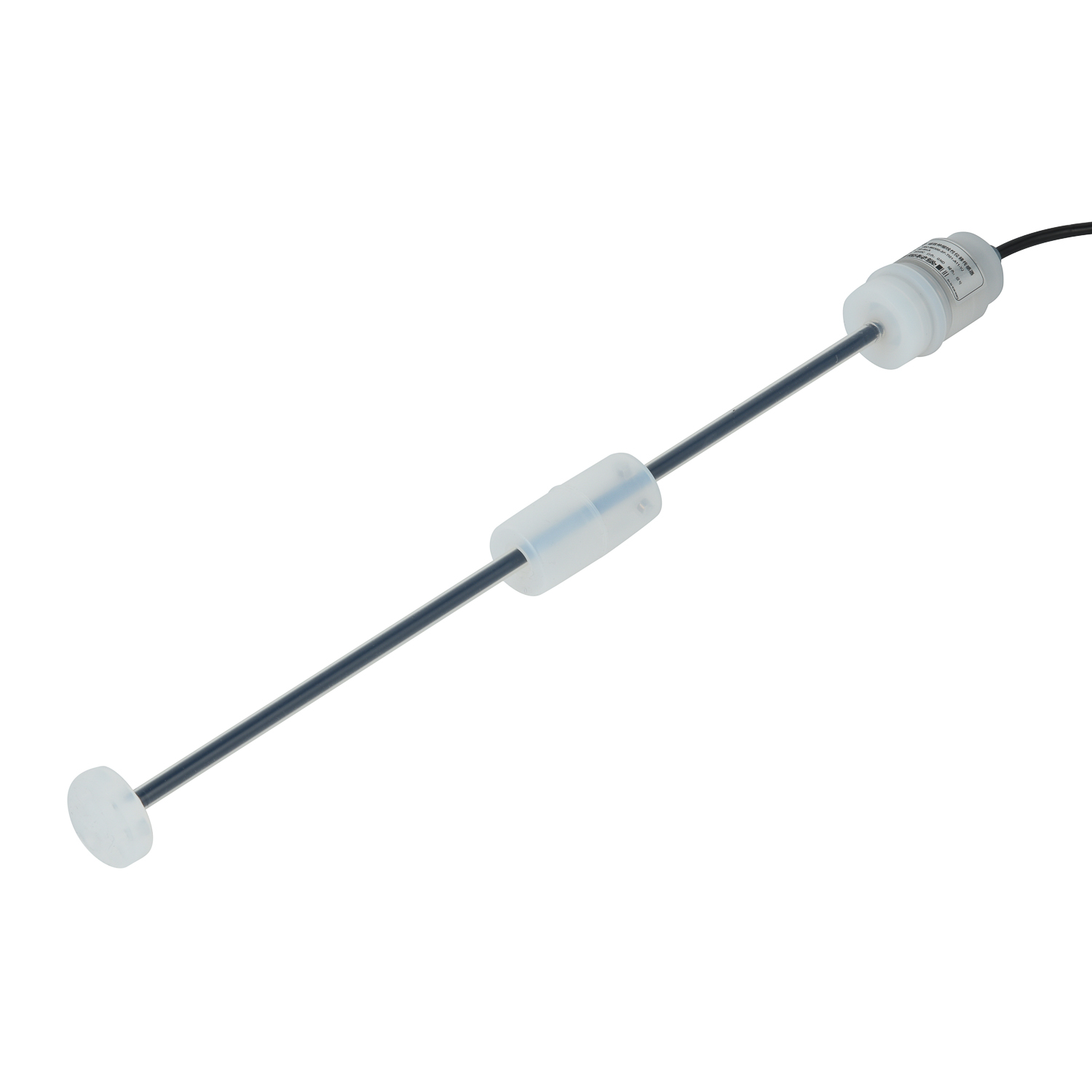 Graybus Cable Fault
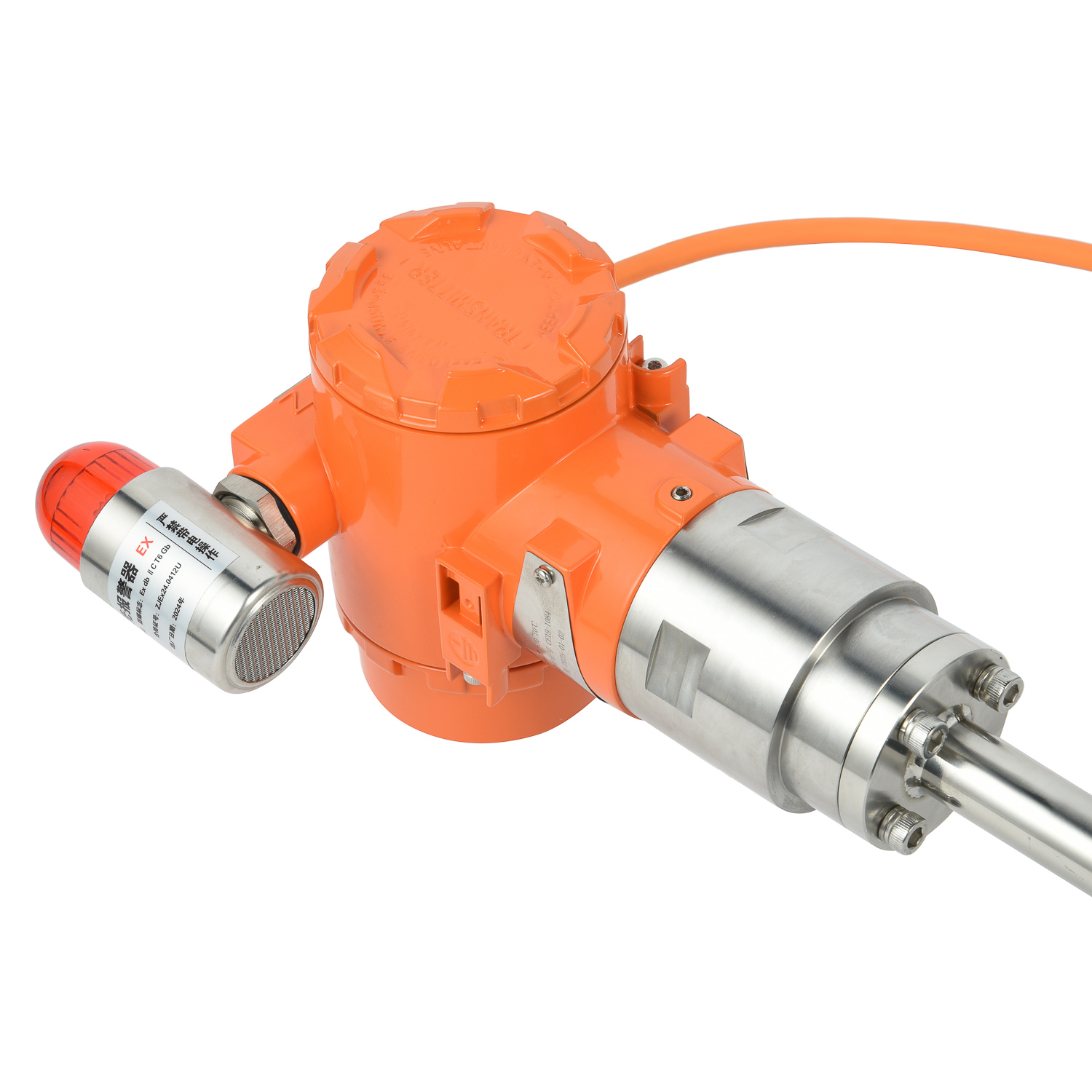 Field Application of Graybus C
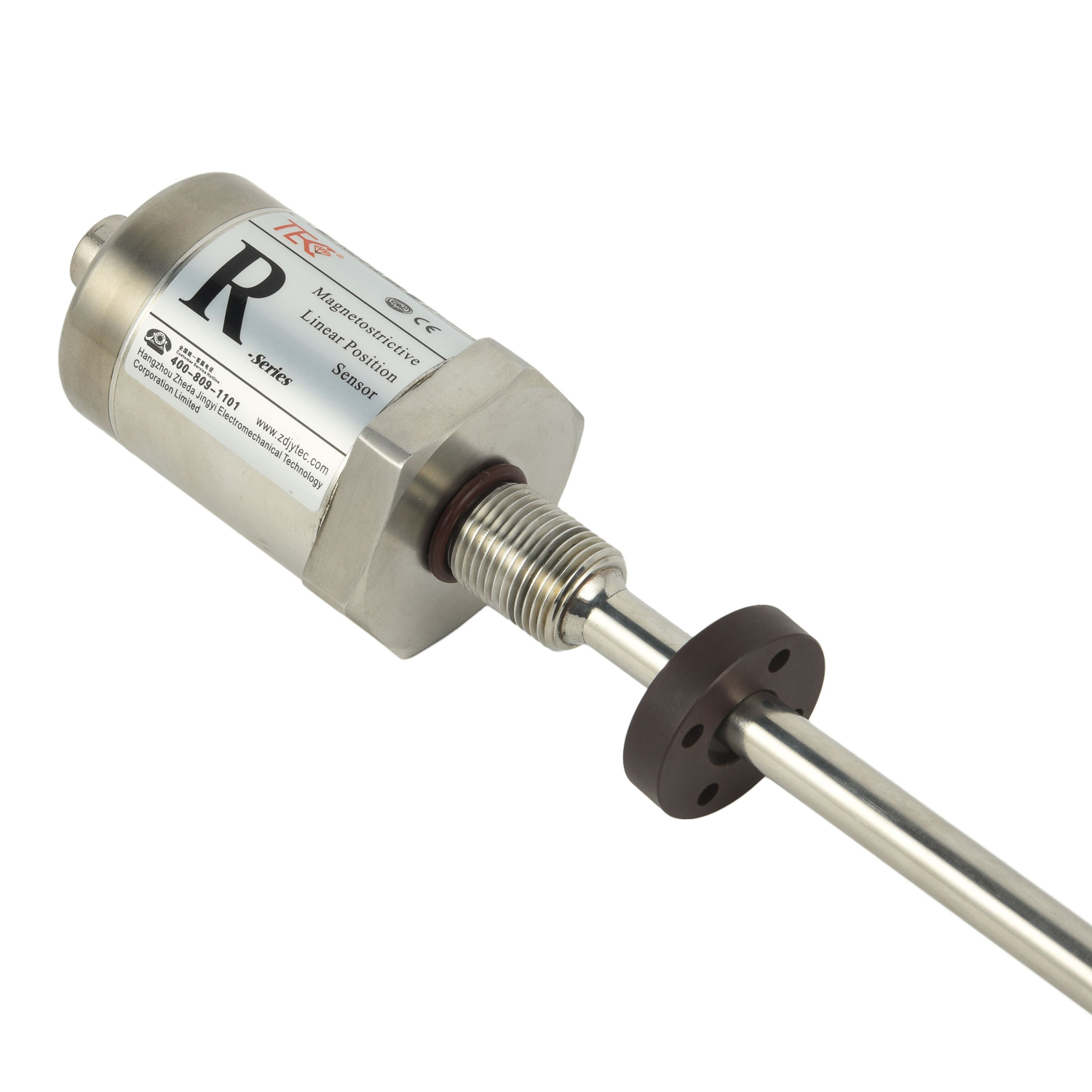 Model and Specification of Gra
 Import Substitute Graybus Cabl