
BeyondLimits:HowMagnetostrictiveSensorsRedefineMeasurementAccuracy
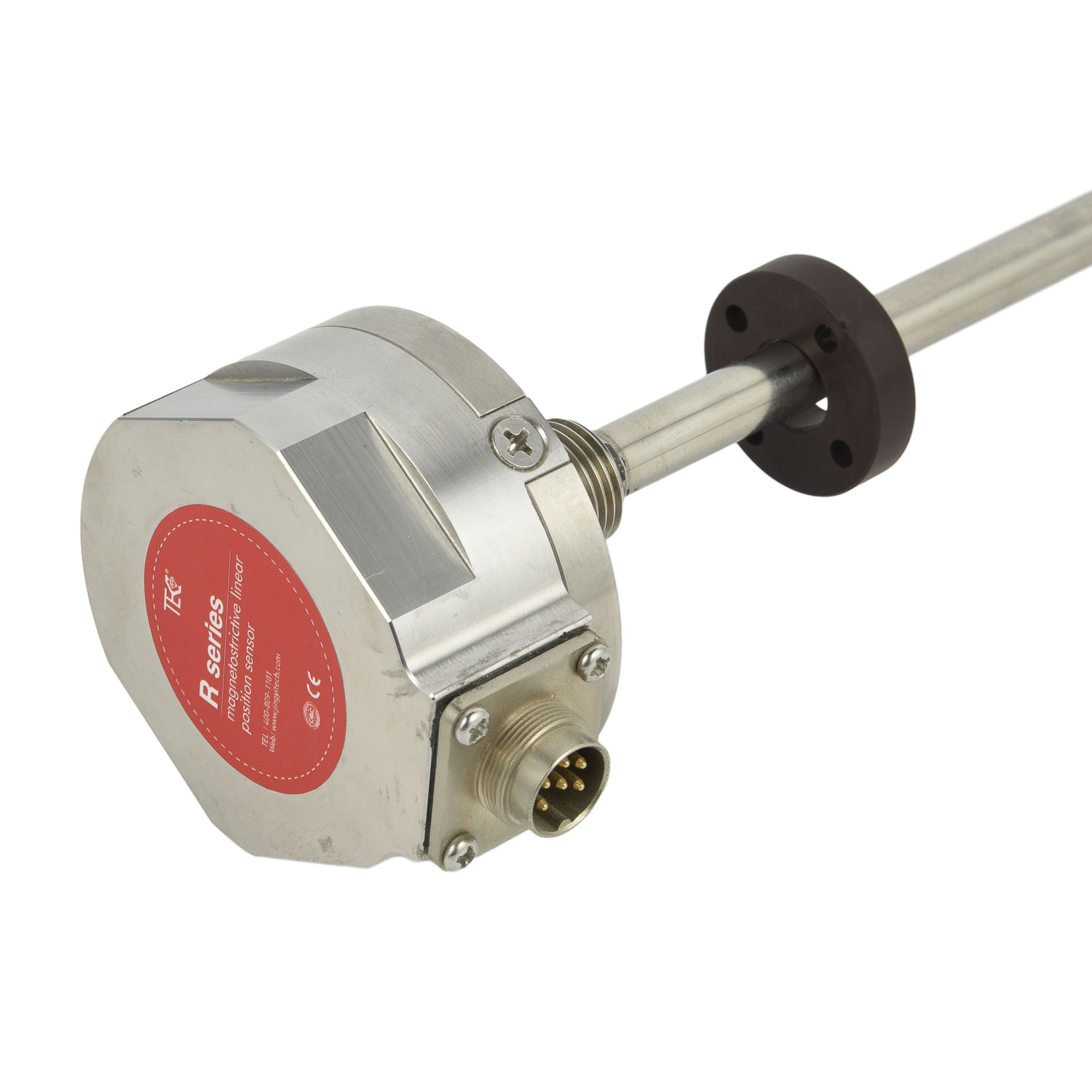
In the demanding world of industrial automation and precision engineering, measurement accuracy is not just a requirement—it's the cornerstone of efficiency, safety, and innovation. Traditional sensing technologies often hit a wall, constrained by environmental factors, mechanical wear, or inherent design limitations. Enter magnetostrictive sensors, a sophisticated technology that is fundamentally reshaping what we consider possible in non-contact position and level measurement, pushing the boundaries of precision far beyond conventional limits.
The Core Principle: A Twist of Physics for Unmatched Precision
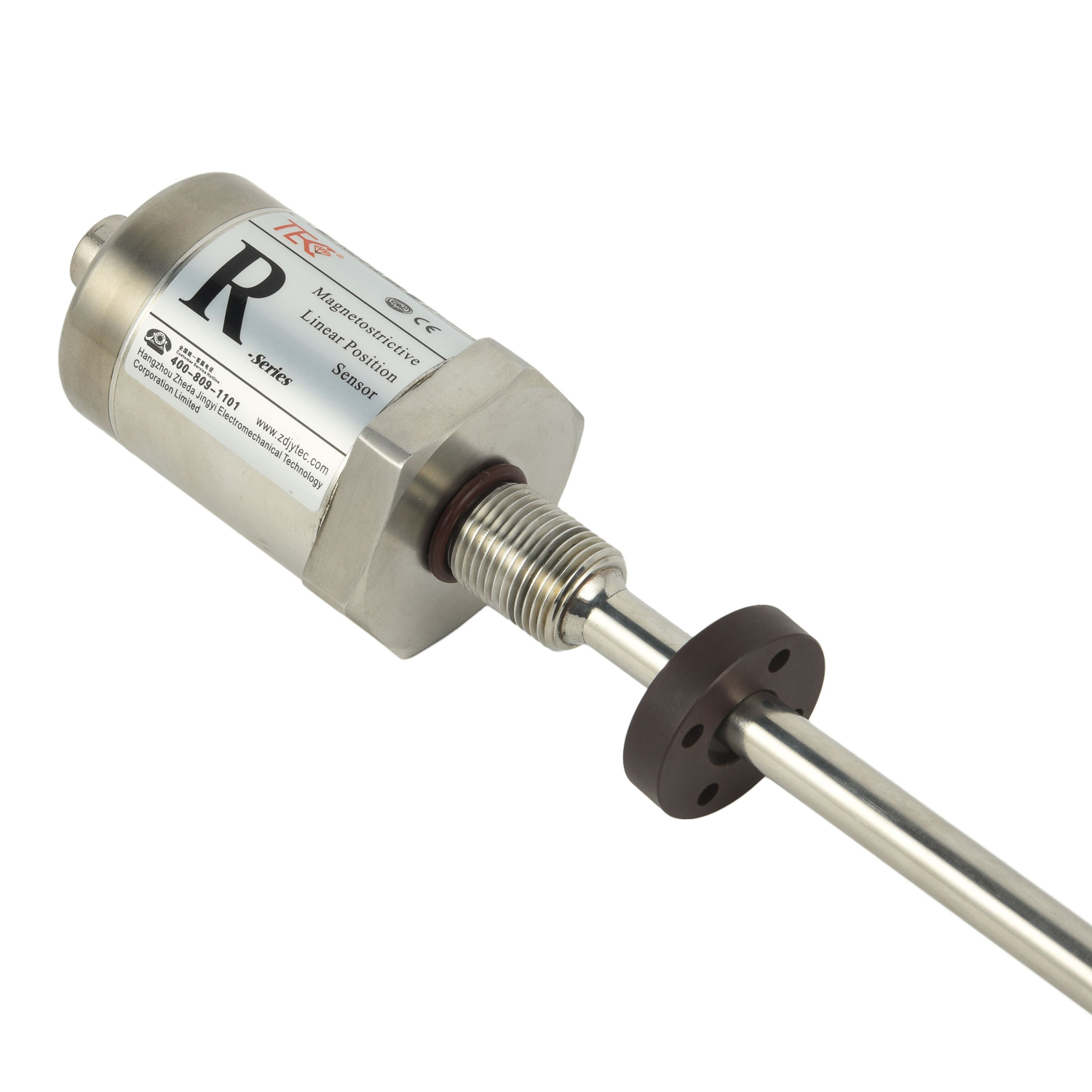
At the heart of this technology lies a unique physical phenomenon: magnetostriction. It involves the interaction between two magnetic fields. A sensor's waveguide tube contains a magnetostrictive wire. A current pulse sent down this wire creates a circumferential magnetic field. A permanent magnet, positioned on the moving target being measured, provides a second field. Where these fields intersect, a torsional stress wave (or "twist") is generated in the wire. By precisely measuring the time between sending the pulse and detecting this returning twist, the sensor calculates the magnet's position with extraordinary accuracy. This non-contact method eliminates the friction and wear that plague mechanical sensors.
Redefining Accuracy: Sub-Micron Resolution and Long-Term Stability
What sets magnetostrictive sensors apart is their exceptional performance metrics. They routinely achieve sub-micron resolution and linearity, providing consistent, repeatable data critical for high-precision applications like hydraulic cylinder control or semiconductor manufacturing. Unlike potentiometric or LVDT sensors, they have no contacting parts to degrade. This results in unparalleled long-term stability and reliability, reducing maintenance downtime and total cost of ownership. Their inherent robustness allows them to deliver this precision even in harsh environments with significant vibration, temperature fluctuations, or contaminants.
Transforming Industries: From Factory Floors to Energy Systems
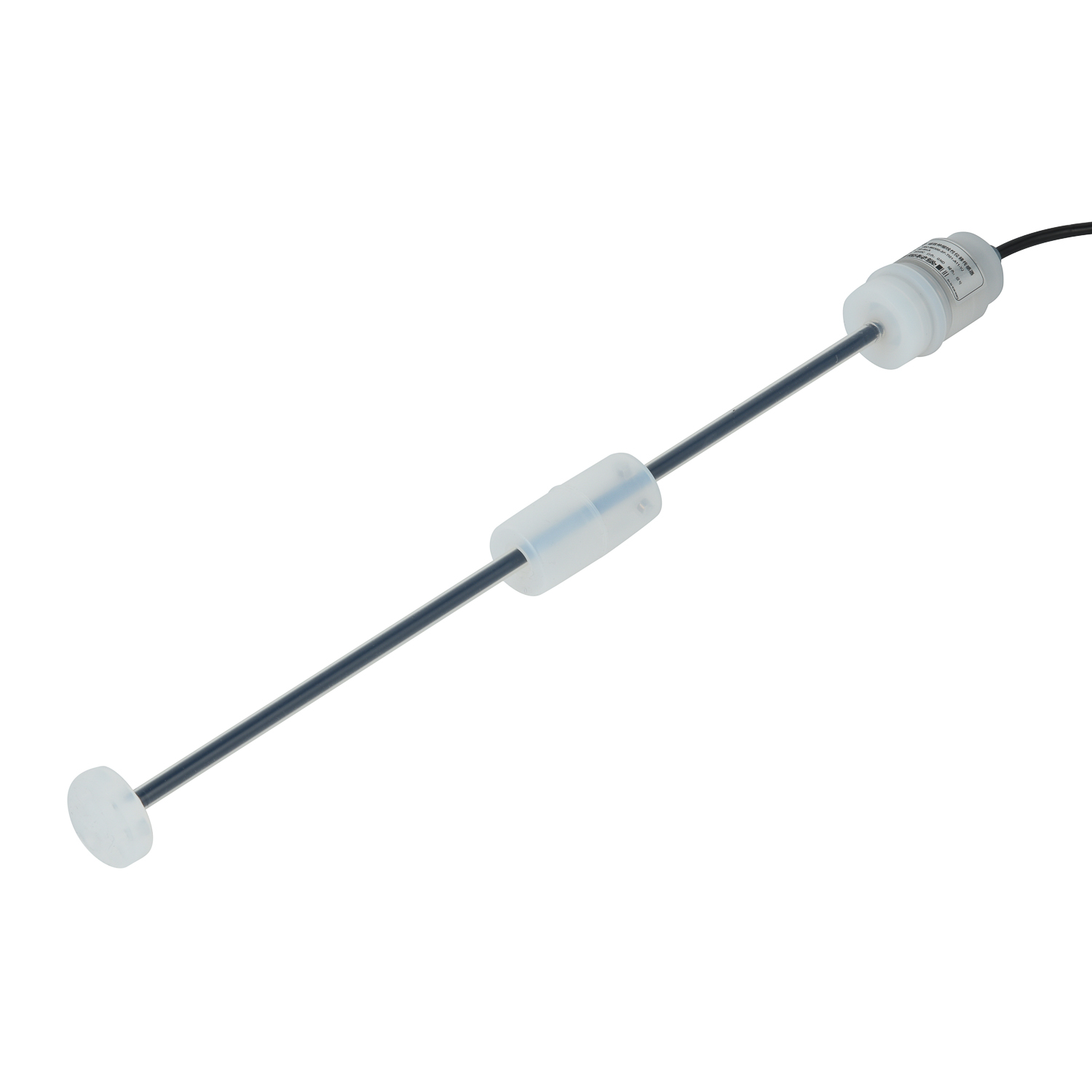
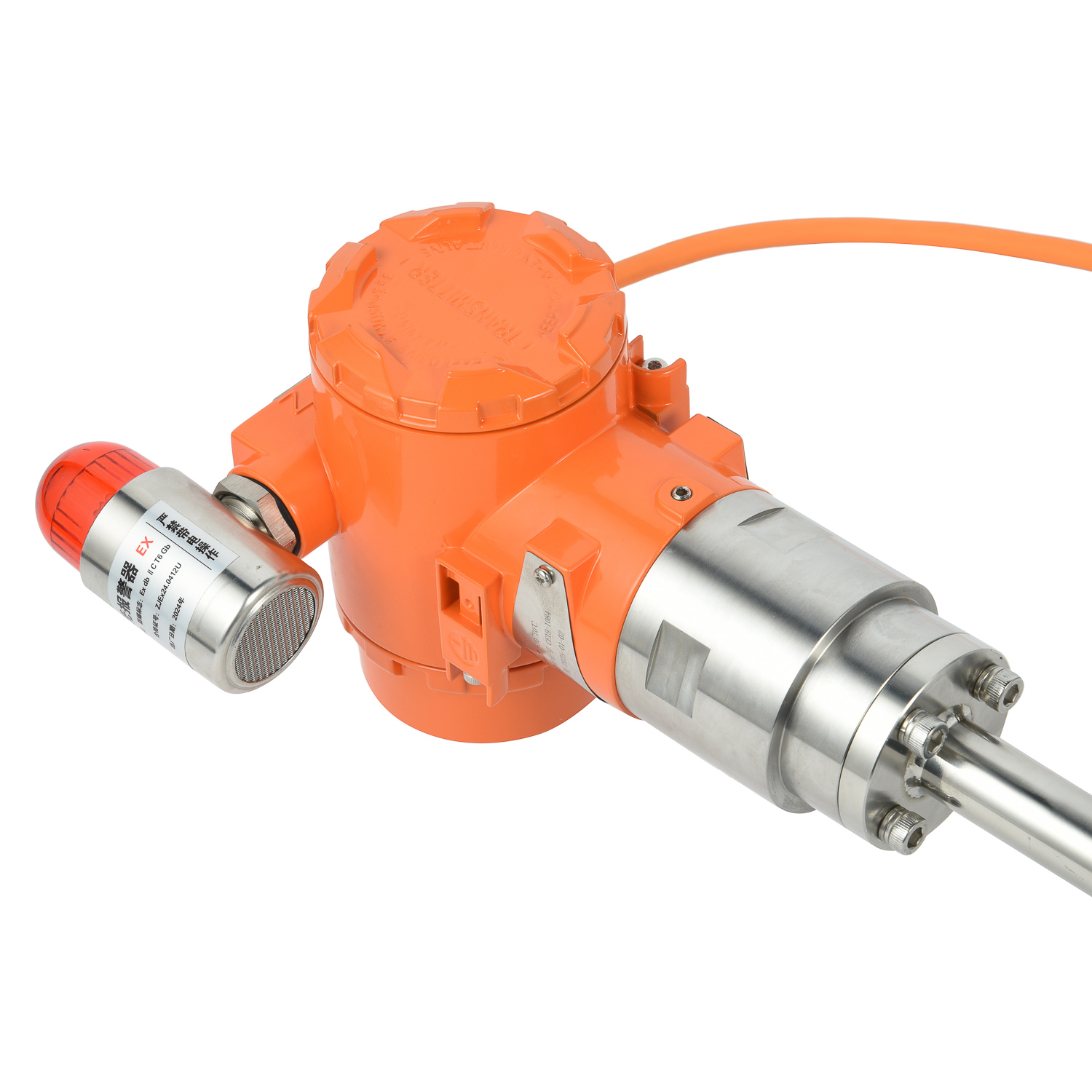
The impact of this redefined accuracy is transformative across sectors. In industrial automation, they enable precise control of robotic arms and CNC machines. In fluid power systems, they provide real-time, absolute position feedback for hydraulic and pneumatic cylinders. For liquid level management in storage tanks, they offer a reliable, continuous measurement solution for fuels, chemicals, or water. The energy sector relies on them for turbine control and dam gate positioning, where failure is not an option. In each case, the sensor's accuracy directly enhances process efficiency, product quality, and operational safety.
The Future of Sensing: Integration and Intelligence
The evolution of magnetostrictive sensing is moving towards greater integration and smart functionality. Modern sensors come with digital outputs (like IO-Link and CANopen) and embedded diagnostics, feeding data directly into Industry 4.0 networks. This allows for predictive maintenance, remote calibration, and seamless data analytics. As machinery becomes more intelligent and autonomous, the role of the ultra-reliable, high-accuracy magnetostrictive sensor as a critical data provider will only expand, enabling new levels of system optimization and control previously deemed unattainable.
Conclusion: A New Standard for Measurement
Magnetostrictive sensor technology has moved beyond being a niche solution to setting a new gold standard for measurement accuracy in critical applications. By leveraging a clever physical principle to achieve non-contact, absolute position sensing, it solves the core limitations of older technologies. For engineers and system designers aiming to push performance limits, enhance reliability, and future-proof their operations, understanding and specifying magnetostrictive sensors is no longer just an option—it is a strategic imperative for redefining what's measurable.
 Graybus Cable Fault
 Field Application of Graybus C
 Model and Specification of Gra
 Import Substitute Graybus Cabl