
PrecisioninMotion:ADeepDiveintoMagnetostrictiveSensingTechnology
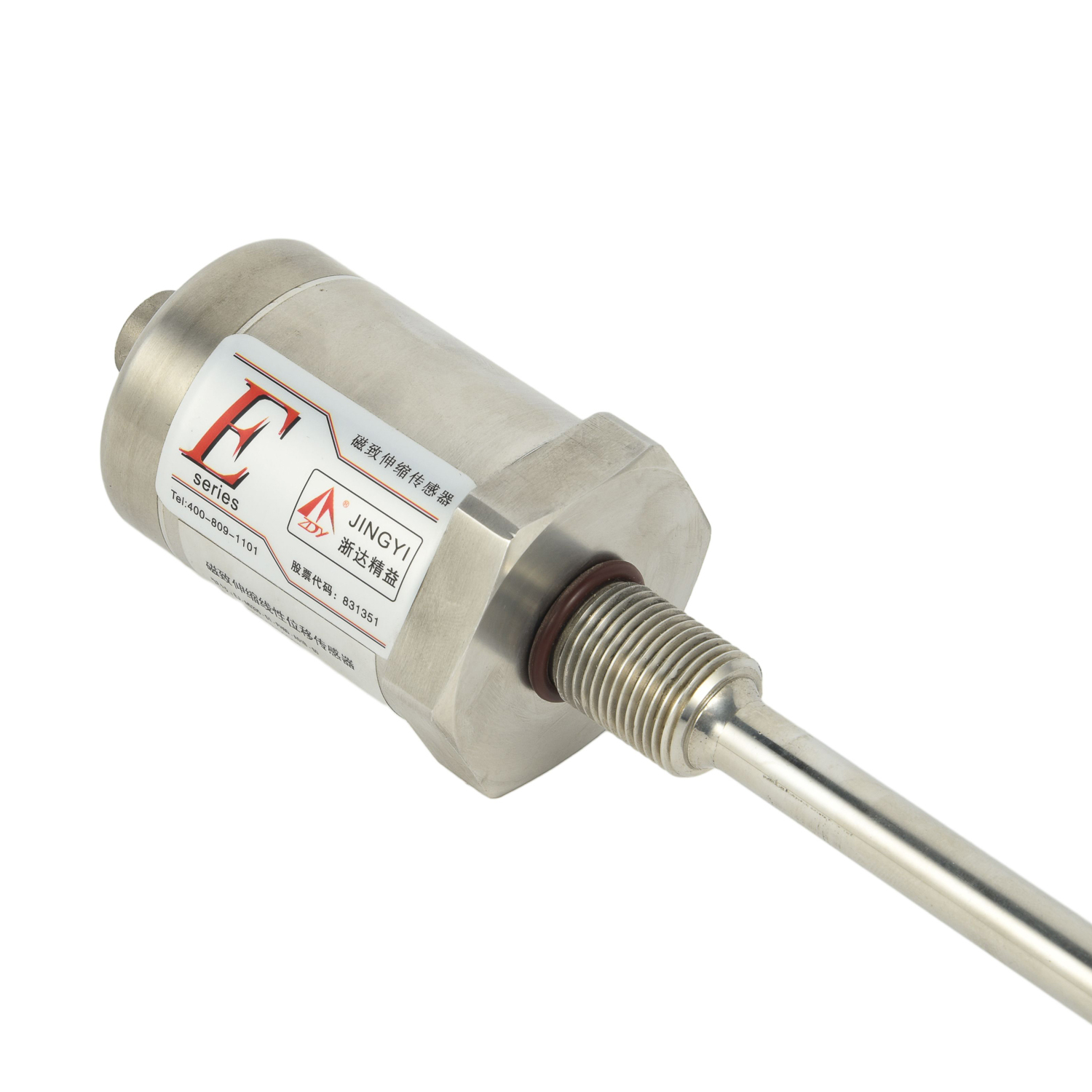
In the demanding world of industrial automation and motion control, achieving micron-level precision is not just a goal—it's a necessity. This relentless pursuit of accuracy has propelled magnetostrictive sensing technology to the forefront of position and velocity measurement solutions. Unlike conventional methods, this technology offers a unique blend of robustness, non-contact operation, and exceptional precision, making it indispensable in modern manufacturing, robotics, and hydraulic systems. Let's delve into the core principles that make this possible.
The Core Principle: A Twist in Time
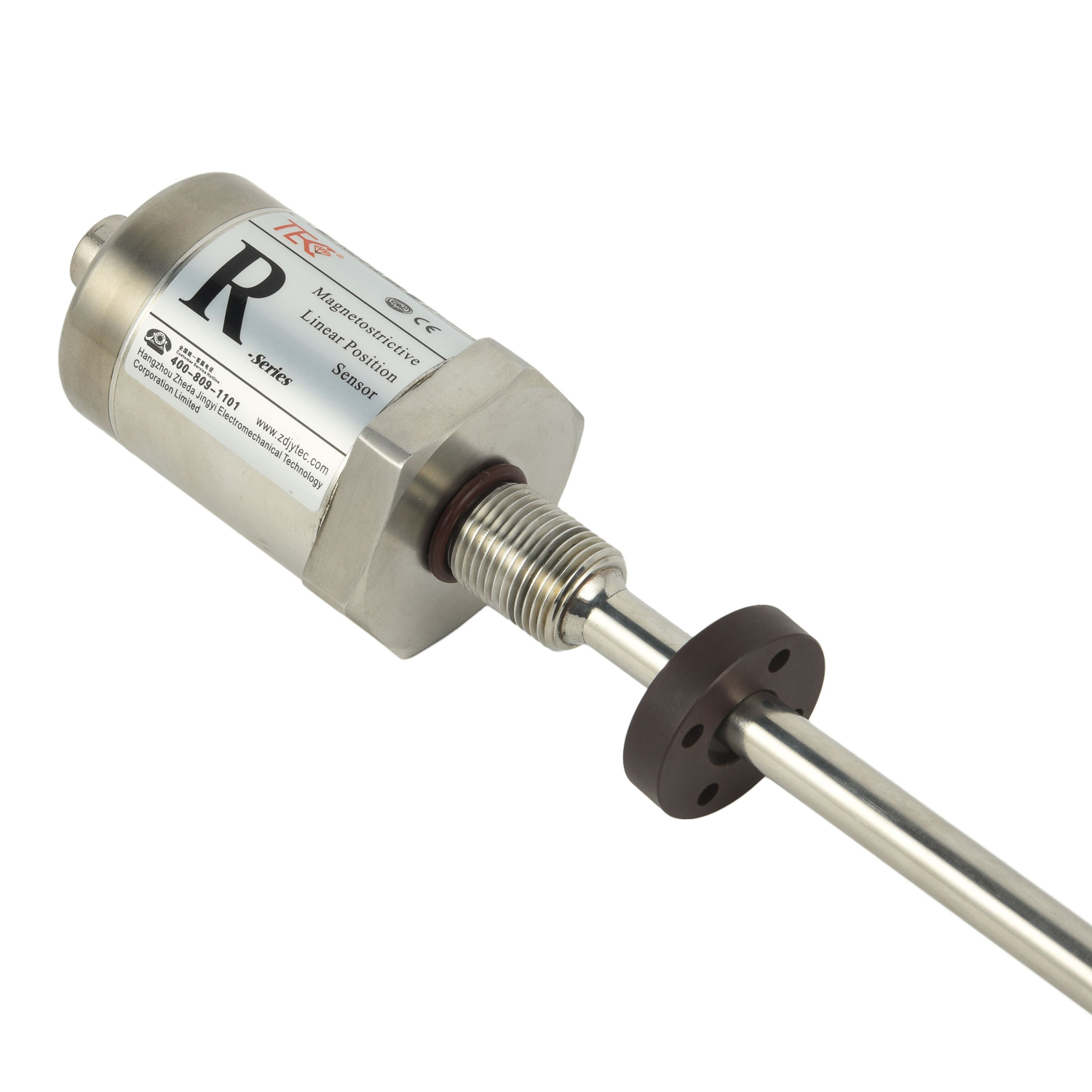
At its heart, magnetostrictive sensing operates on a fascinating physical phenomenon: the magnetostrictive effect. Certain ferromagnetic materials, like iron-nickel alloys, change shape minutely when exposed to a magnetic field. In a typical sensor, a position magnet is attached to the moving target. When an electrical current pulse is sent down a waveguide inside the sensor, it generates a circumferential magnetic field. The interaction between this field and the axial field from the position magnet creates a torsional strain wave, or "twist," in the waveguide at the magnet's location. The time delay between the launch of the current pulse and the detection of this returning strain wave is directly proportional to the magnet's distance, providing an absolute position reading.
Unmatched Advantages for Industrial Applications
Why choose magnetostrictive sensors over other technologies? The benefits are compelling. Firstly, they provide true absolute position measurement without the need for homing upon power-up. Their non-contact design ensures infinite mechanical life and eliminates wear. They are renowned for exceptional repeatability and long-term stability, even in harsh environments with vibration, temperature fluctuations, and contaminants. Furthermore, their design allows for easy installation and integration into cylinders and machinery, providing a reliable and maintenance-free solution for critical control loops.
Key Applications Driving Precision and Efficiency
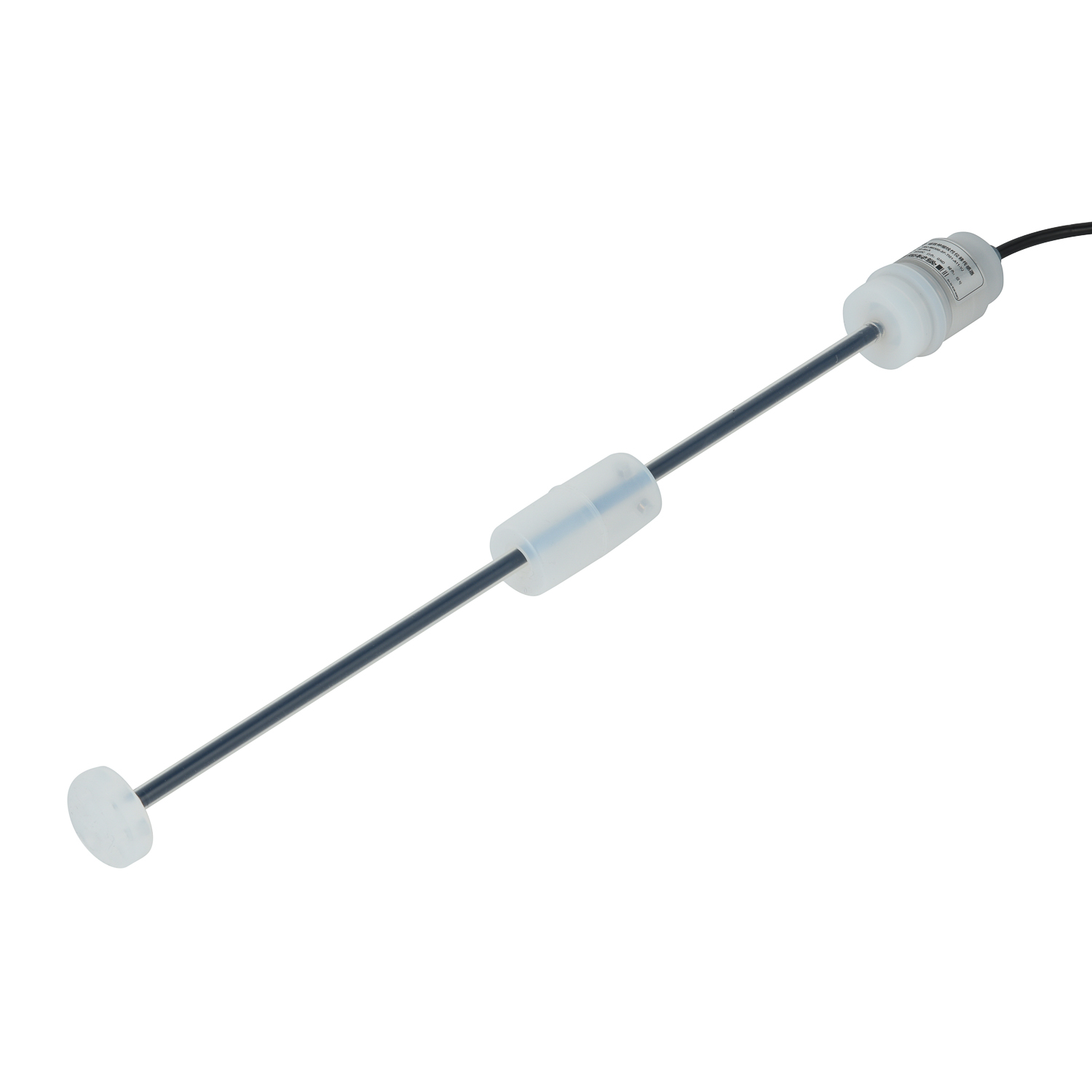
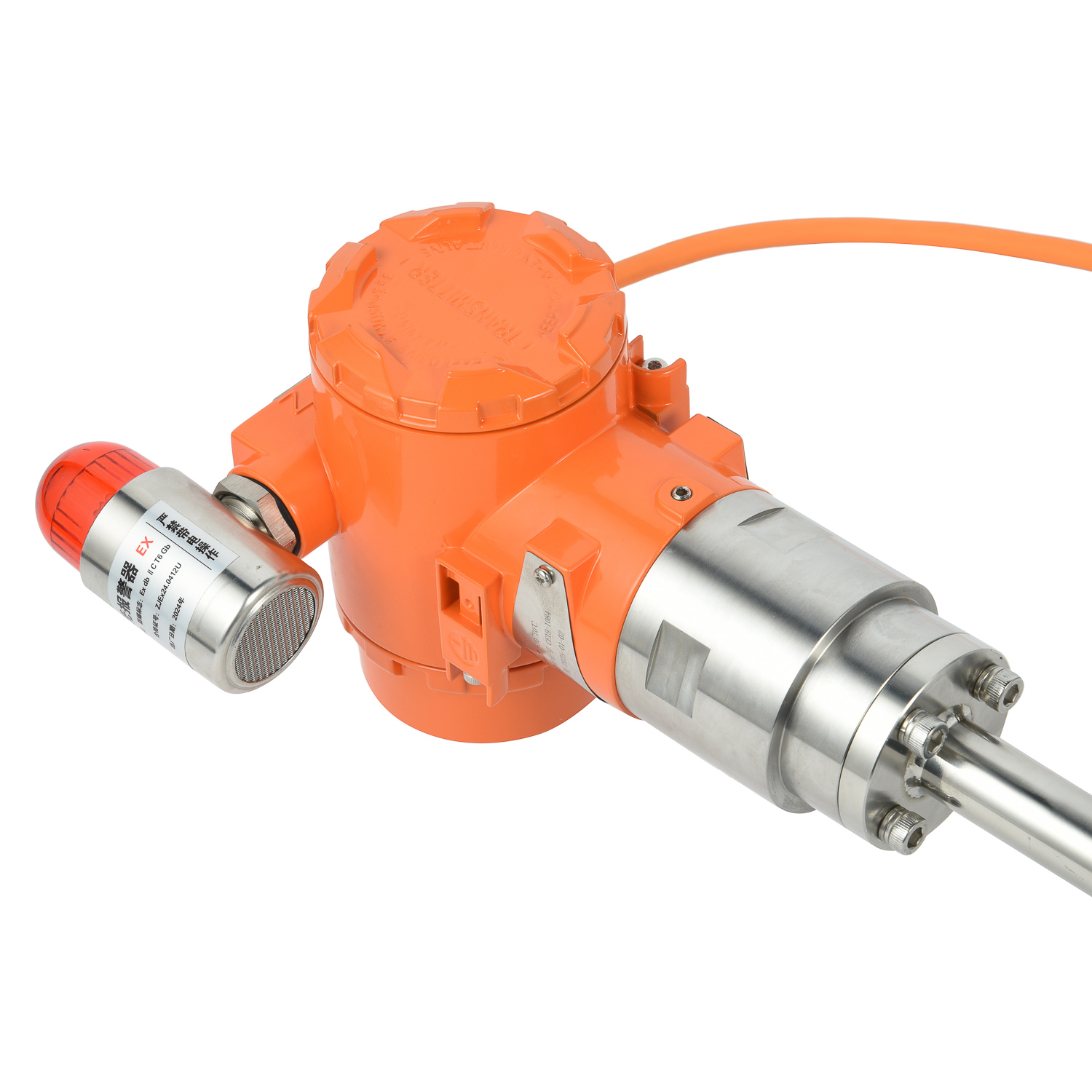
The practical applications of this technology are vast. In hydraulic and pneumatic cylinders, magnetostrictive linear position sensors (LDTs) provide real-time, precise feedback for piston rod position, enabling precise control in injection molding, press, and steel mill equipment. They are crucial in automated guided vehicles (AGVs) for lift fork positioning and in robotics for accurate arm movement. From level sensing in tanks to feedback in servo systems, these sensors deliver the reliability needed for 24/7 industrial operations, enhancing both product quality and operational safety.
Future Trends and Evolving Capabilities
The evolution of magnetostrictive sensing is far from static. Current trends focus on miniaturization, allowing integration into smaller spaces, and enhanced digital communication protocols like IO-Link and Ethernet/IP for smarter, networked factories. Developments in materials science aim to improve temperature stability and shock resistance. Furthermore, the integration of advanced diagnostics and condition monitoring features is paving the way for predictive maintenance, reducing downtime and pushing the boundaries of what's possible in intelligent motion control systems.
 Graybus Cable Fault
 Field Application of Graybus C
 Model and Specification of Gra
 Import Substitute Graybus Cabl