
Chemical Reaction Kettle High-pressure Pressure Sensor Selection
Selecting a pressure sensor for a high-pressure chemical reaction kettle requires a systematic review of process conditions, safety, and reliability. First, define the maximum working pressure, normal operating pressure, and possible pressure spikes. Choose a sensor with a rated range above the maximum pressure and a suitable burst pressure; a common practice is to keep normal operation within 60-80% of full scale. Confirm accuracy, repeatability, and long-term stability at the required control and safety thresholds.
Material compatibility is critical. The wetted diaphragm and process connection must resist corrosive media, solvents, and cleaning chemicals. Stainless steel 316L, Hastelloy C276, or PTFE-lined options may be considered. Verify temperature limits and use temperature compensation or a cooling element when the kettle operates at high temperature.
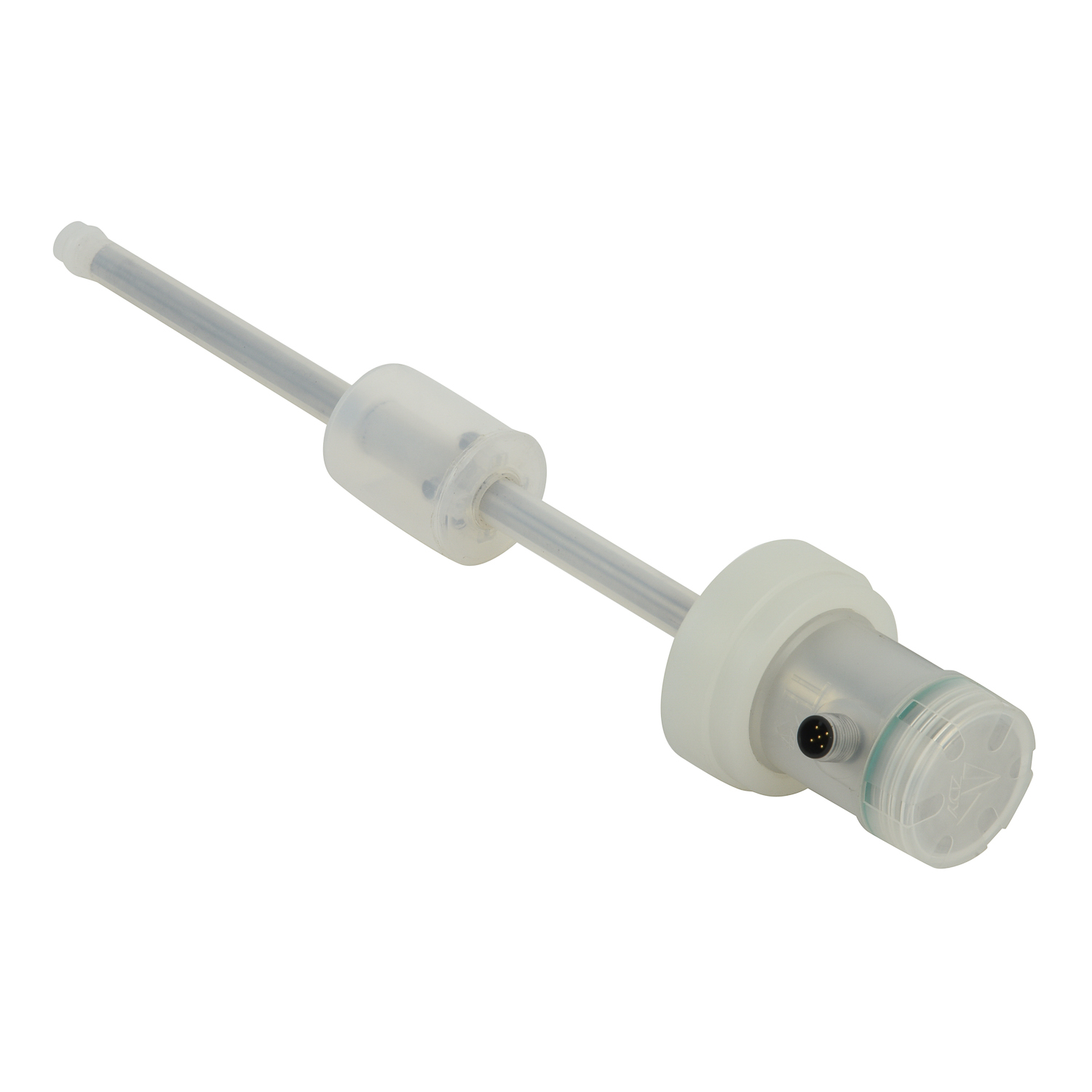
Select the correct process connection and sealing method to prevent leakage under pressure and thermal cycling. For hazardous areas, specify explosion-proof or intrinsically safe certification. Match the output signal, such as 4-20 mA, HART, or digital communication, to the control system. Consider response speed, EMC protection, and vibration resistance.
Finally, plan calibration, maintenance, and spare parts. Document the selection rationale. Use a reputable supplier and request pressure test reports, material certificates, and compliance documents. A correctly selected sensor improves safety, batch consistency, and equipment uptime.
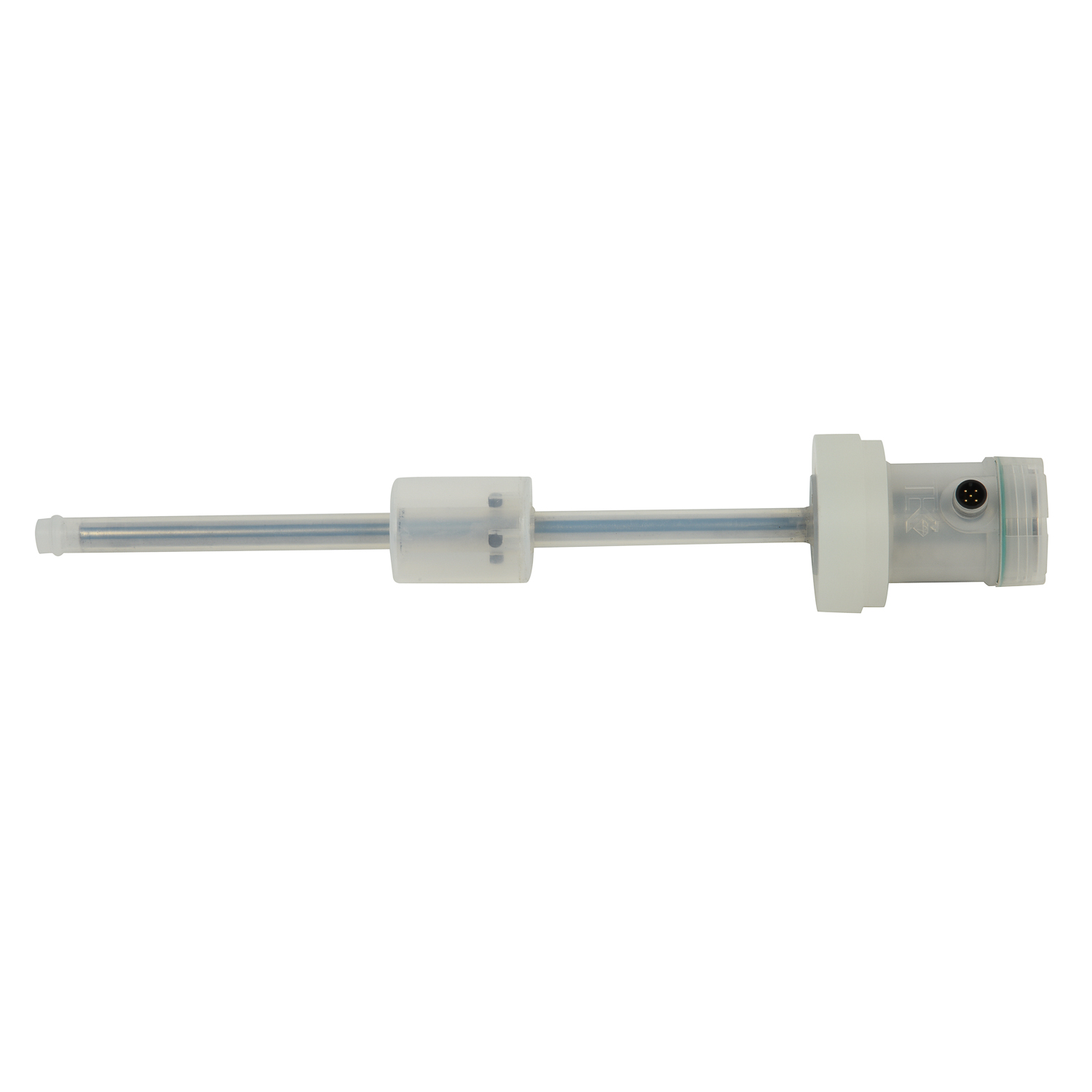 Injection Molding Die Casting
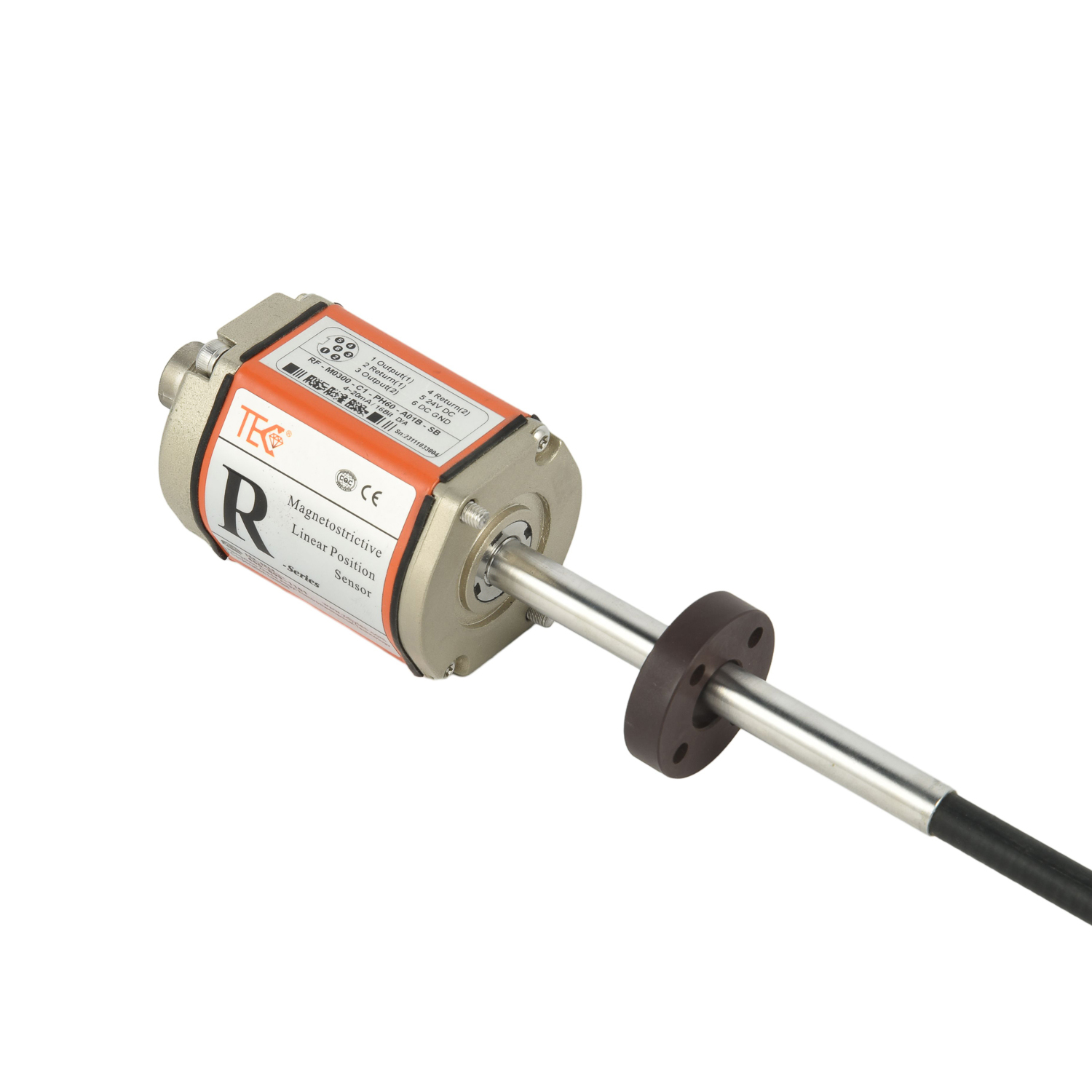 Construction Machinery Crane P
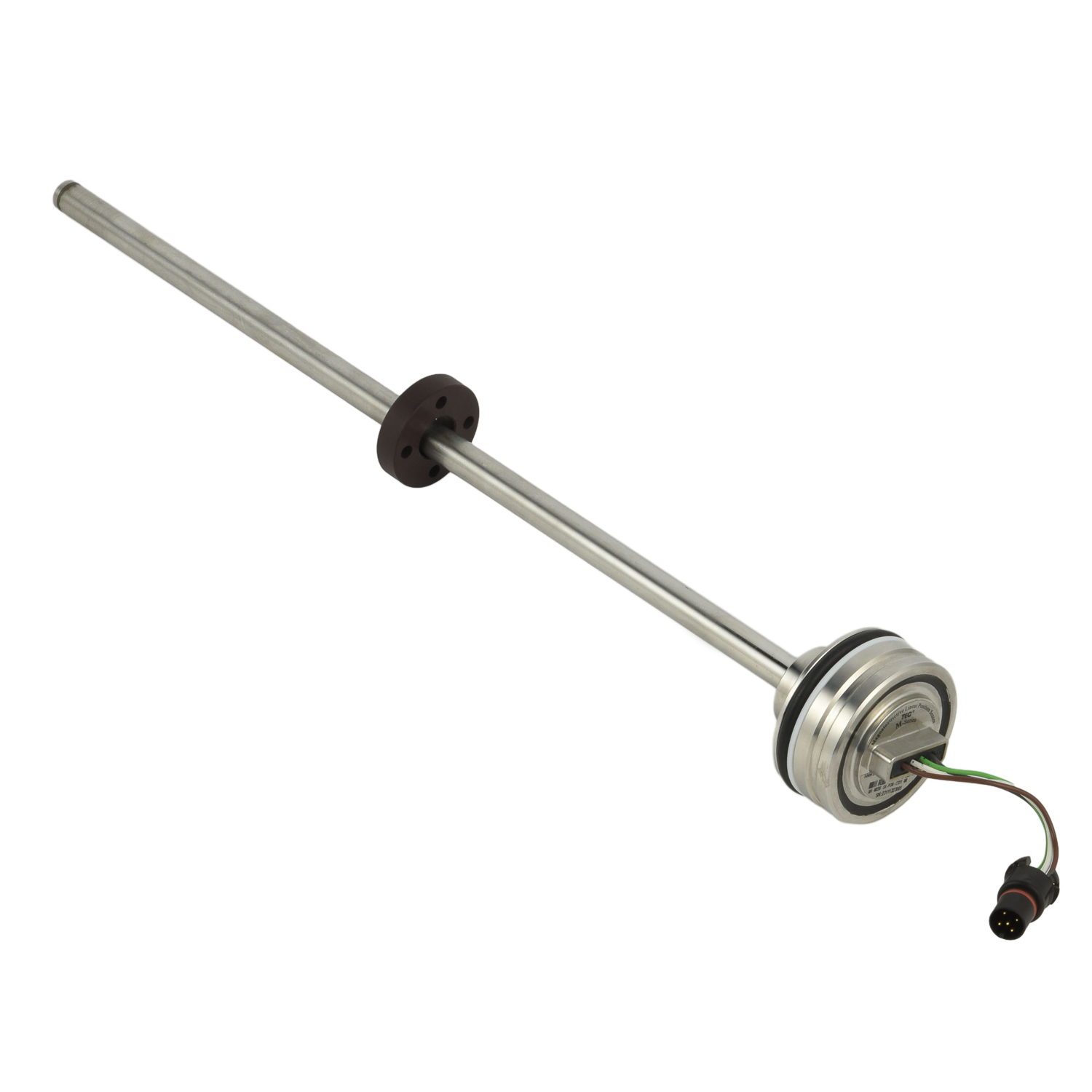 Power Plant Bridge Crane Non-c
 Port Stacker-reclaimer Intrins