
Mixing Station Storage Tank Explosion-proof Radar Sensor Fault
Explosion-proof radar sensors are critical for level measurement in mixing station storage tanks, where flammable vapors, agitation, foam, and condensation can challenge reliable operation. A common fault symptom is a false high or low level reading. Before opening any enclosure, isolate the tank, obtain a hot-work permit, and verify the hazardous-area classification. Check the sensor nameplate for Ex rating and confirm that cable glands, seals, and grounding meet site standards. Loose shielding or a missing equipotential bond can cause erratic 4-20 mA or HART signals. Inspect the antenna for product build-up, corrosion, or condensate. Clean it only with approved tools and procedures; never scrape the antenna in an explosive atmosphere. Verify loop power, terminal torque, and communication parameters. Compare the radar reading with a manual gauge and review echo curves for weak or multiple reflections. Agitation and foam may require a stilling well or adjusted blocking distance. If the signal is lost, check the electronics temperature, moisture ingress, and sensor configuration. Replace damaged gaskets and restore Ex protection before energizing. After maintenance, perform a two-point verification and document the fault, root cause, and corrective action. Preventive checks of seals, grounding, and antenna condition reduce unplanned shutdowns and improve mixing station safety. Train technicians to spot drift and intermittent signals; always keep spare Ex-rated sensors and antennas on hand.
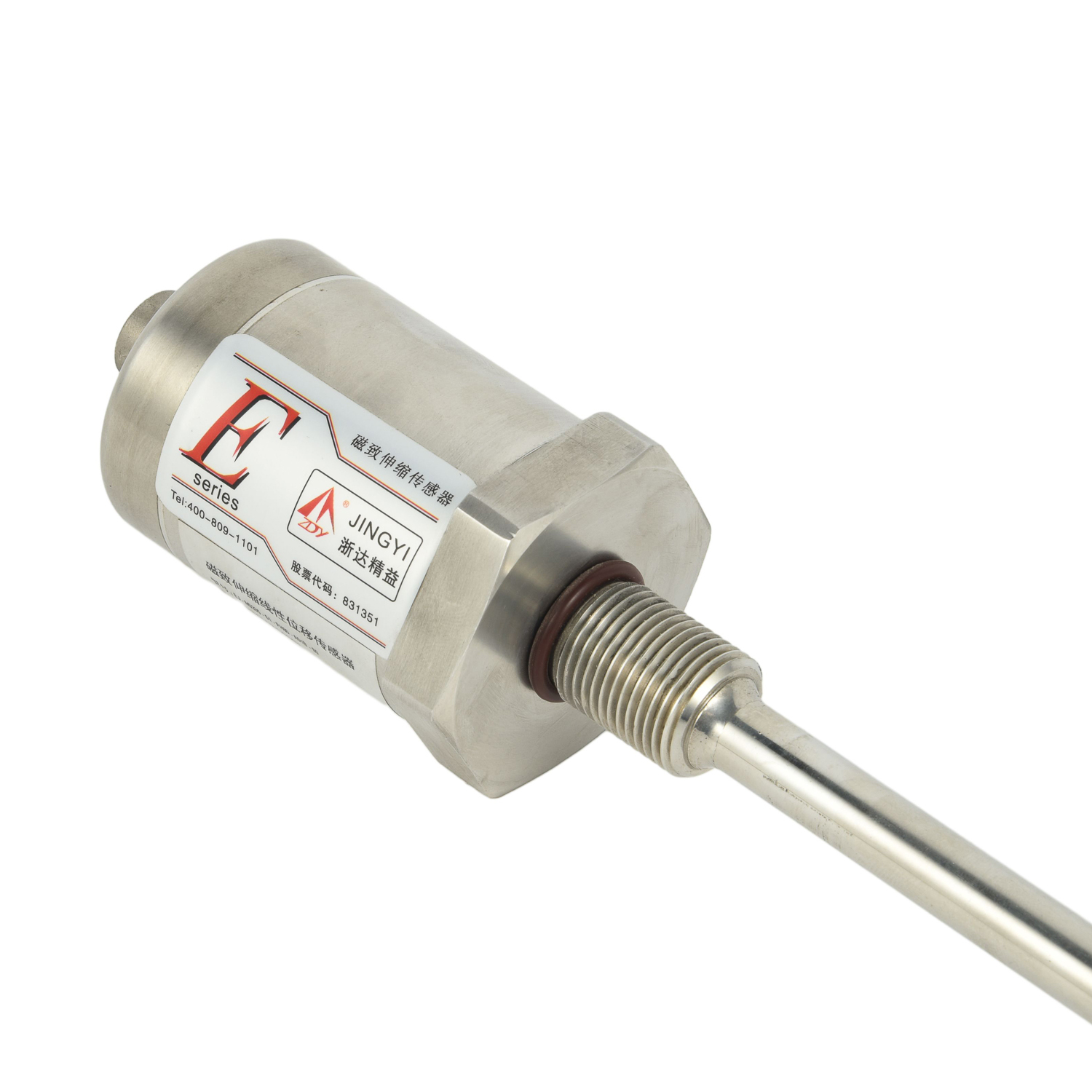
 Shield Tunneling Radar Sensor
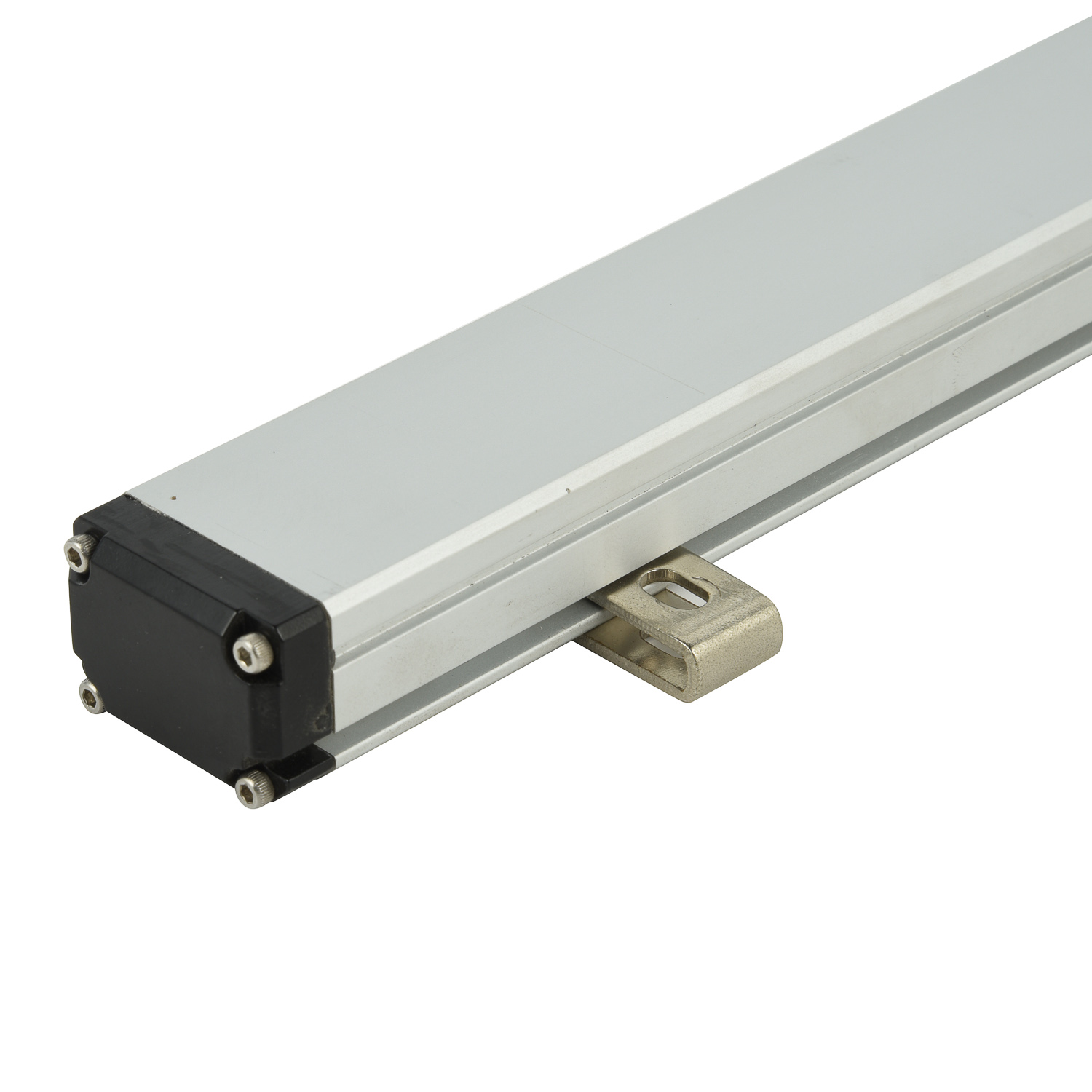 Mixing Station Flange-mounted
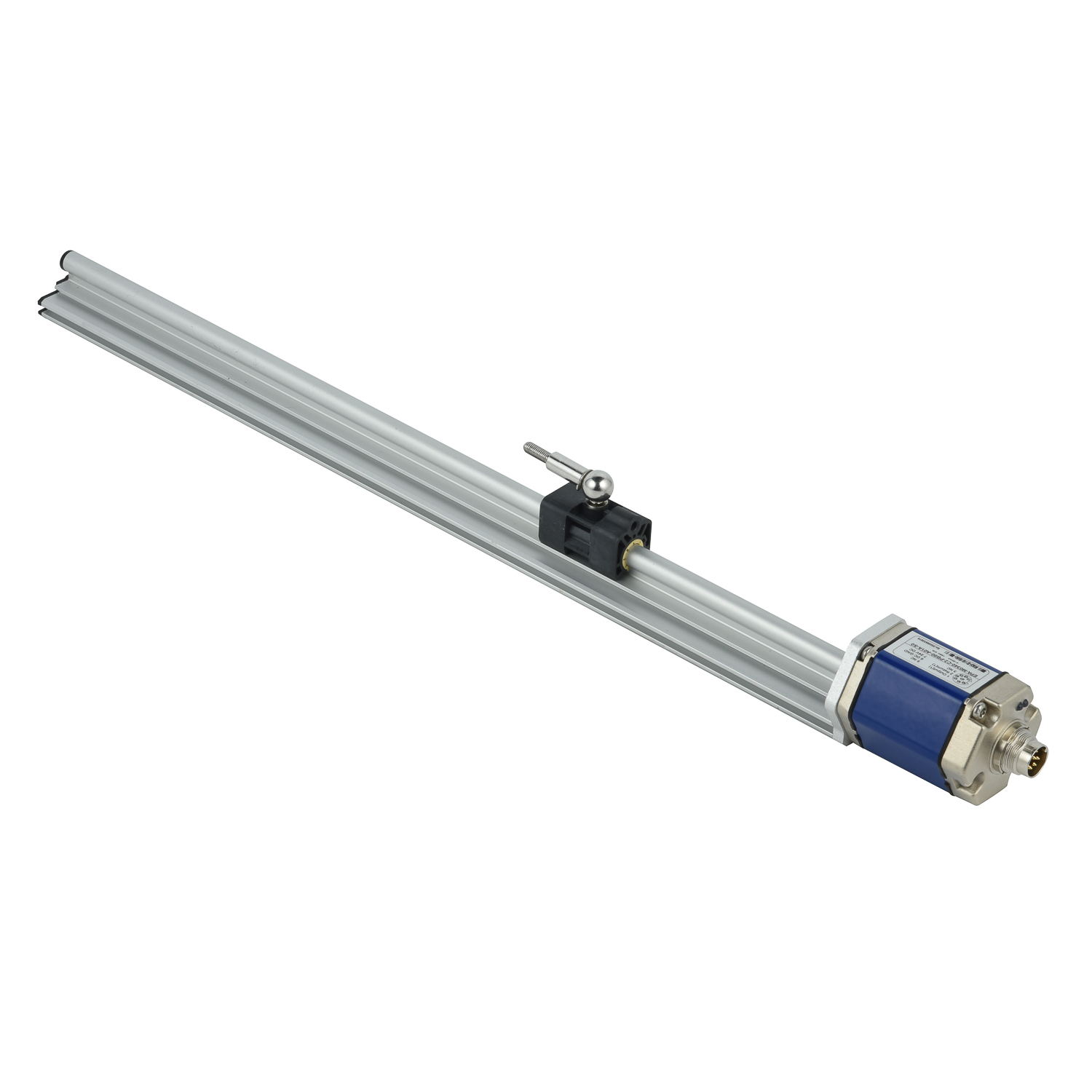 Grain and Oil Storage Tank Rad
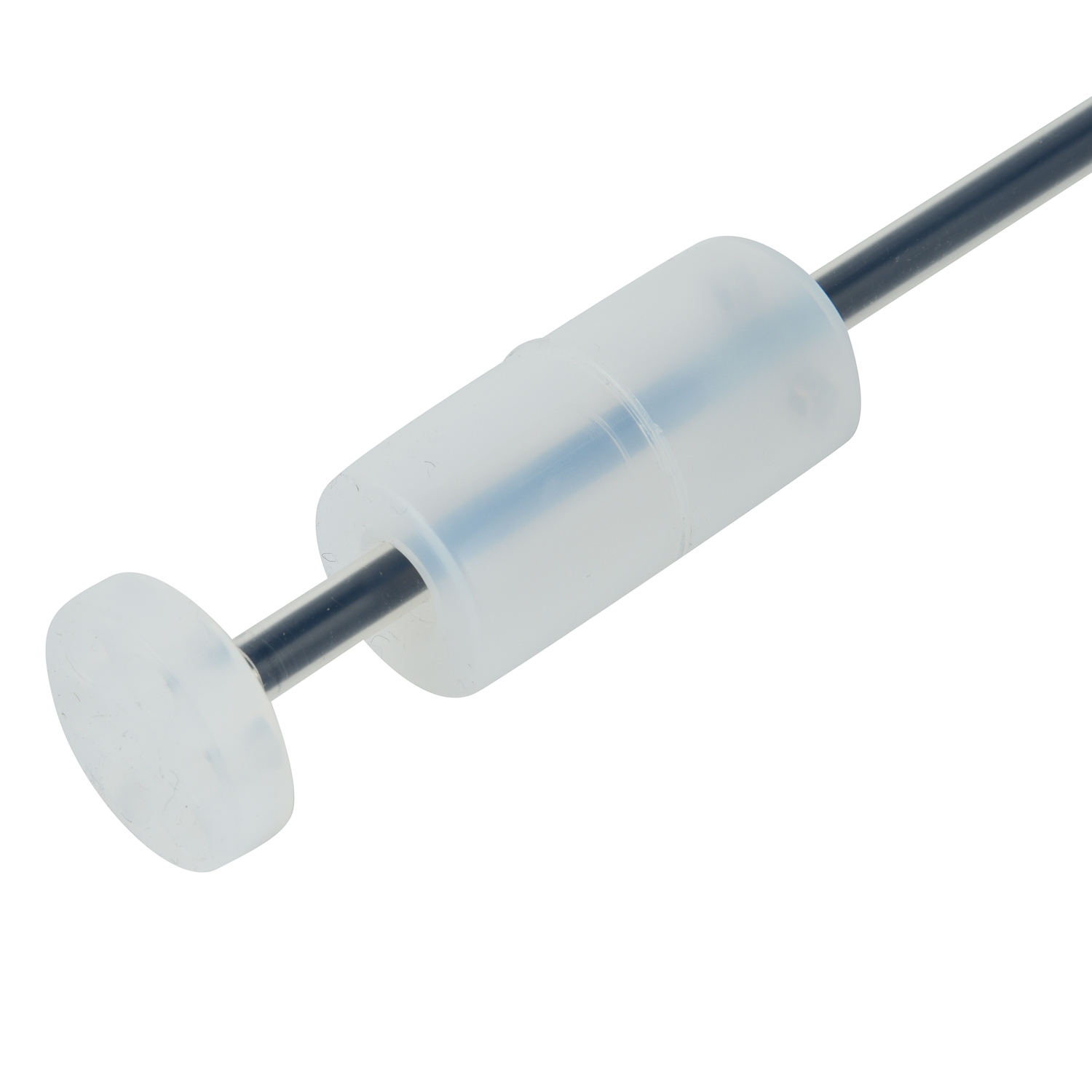 Power Plant Non-contact Radar