
Shield Tunneling Radar Sensor Fault
Shield tunneling relies on radar sensors for accurate face mapping, clearance monitoring, and ground-condition warnings. When a radar sensor faults, the impact can be immediate: unstable readings, missed targets, false alarms, or a complete loss of signal. Early diagnosis protects progress, safety, and cutterhead life.
Common causes include contaminated antenna surfaces, damaged coaxial cables or connectors, loose mounting brackets, water ingress, unstable power supply, electromagnetic interference, and calibration drift after vibration. In shield chambers, dust, foam, bentonite, and high humidity can attenuate radar waves and mask small defects. Fault symptoms often appear as noisy profiles, erratic distance values, signal dropouts, or repeated diagnostic codes.
Maintenance teams should first isolate the sensor through the control system and review fault logs. Inspect and clean the antenna with approved materials, then check connectors for corrosion, moisture, and torque. Verify supply voltage and grounding, and separate signal cables from high-power lines. Perform loop tests and compare readings with a known target. If readings remain unstable, replace the sensor or cable and recalibrate. Record all findings and log events.
Preventive measures include sealed enclosures, vibration-resistant mounts, scheduled inspections, moisture control, spare sensor kits, and operator training. A structured fault-response plan reduces downtime and keeps shield tunneling data reliable.
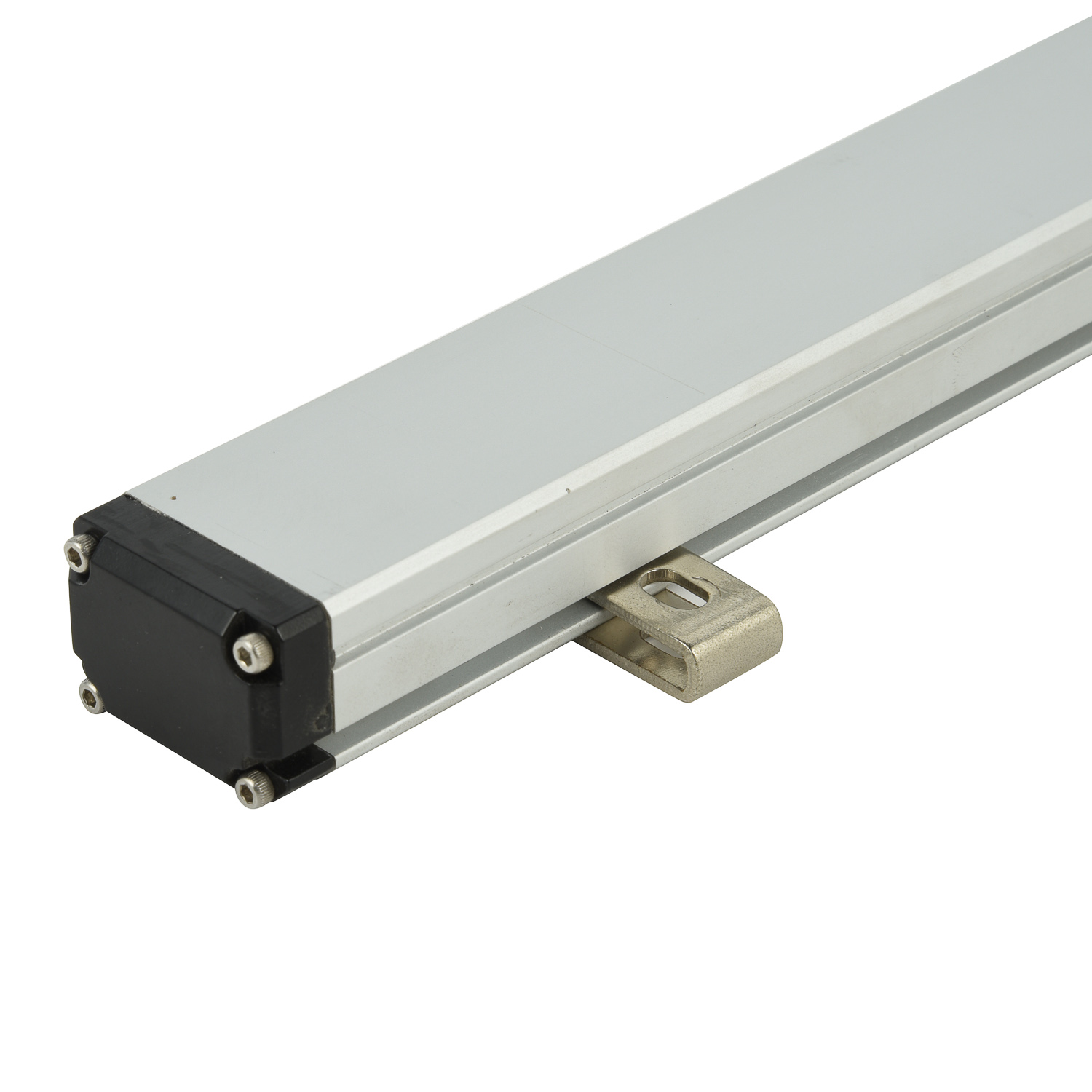
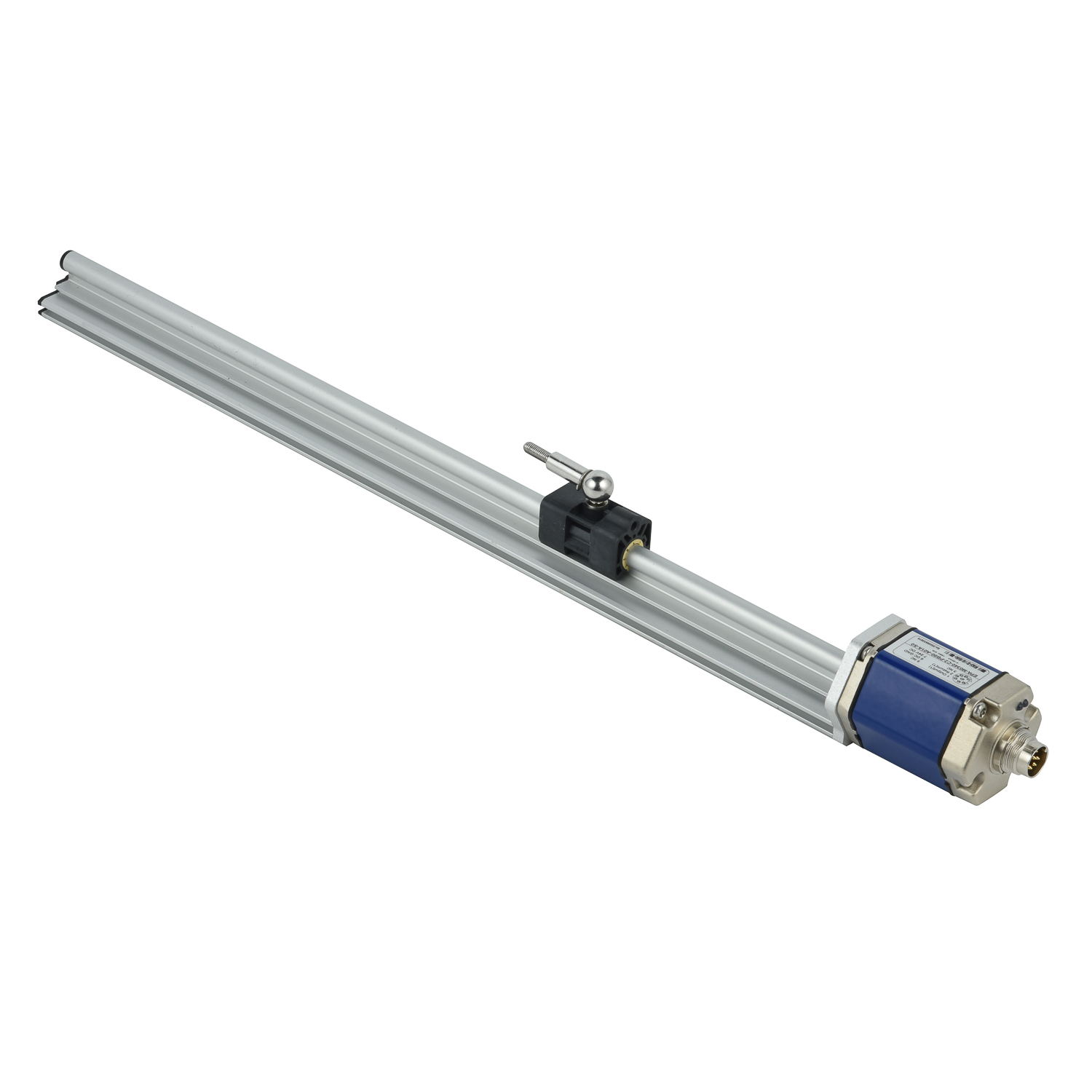
 Shield Tunneling Radar Sensor
 Mixing Station Flange-mounted
 Grain and Oil Storage Tank Rad
 Power Plant Non-contact Radar