
Injection Molding Die Casting Material Tank Radar Sensor Field Application
Radar sensor systems in modern vehicles and industrial equipment depend on reliable housings and material tanks. Injection molding and die casting are core processes for these parts. Injection molding offers design flexibility, lightweight polymer housings, and fast mass production for sensor brackets, covers, and fluid tanks. Die casting delivers high strength, EMI shielding, and thermal stability for metal housing components and mounting structures.
In field applications, materials must balance dielectric performance, corrosion resistance, sealing, vibration, and temperature cycling. Glass-filled PBT, PA66, and PPS are common for injection-molded radar sensor housings, providing dimensional stability and low moisture absorption. Aluminum alloys such as ADC12 and A380 are widely used in die-cast brackets and tank interfaces where stiffness and heat dissipation matter.
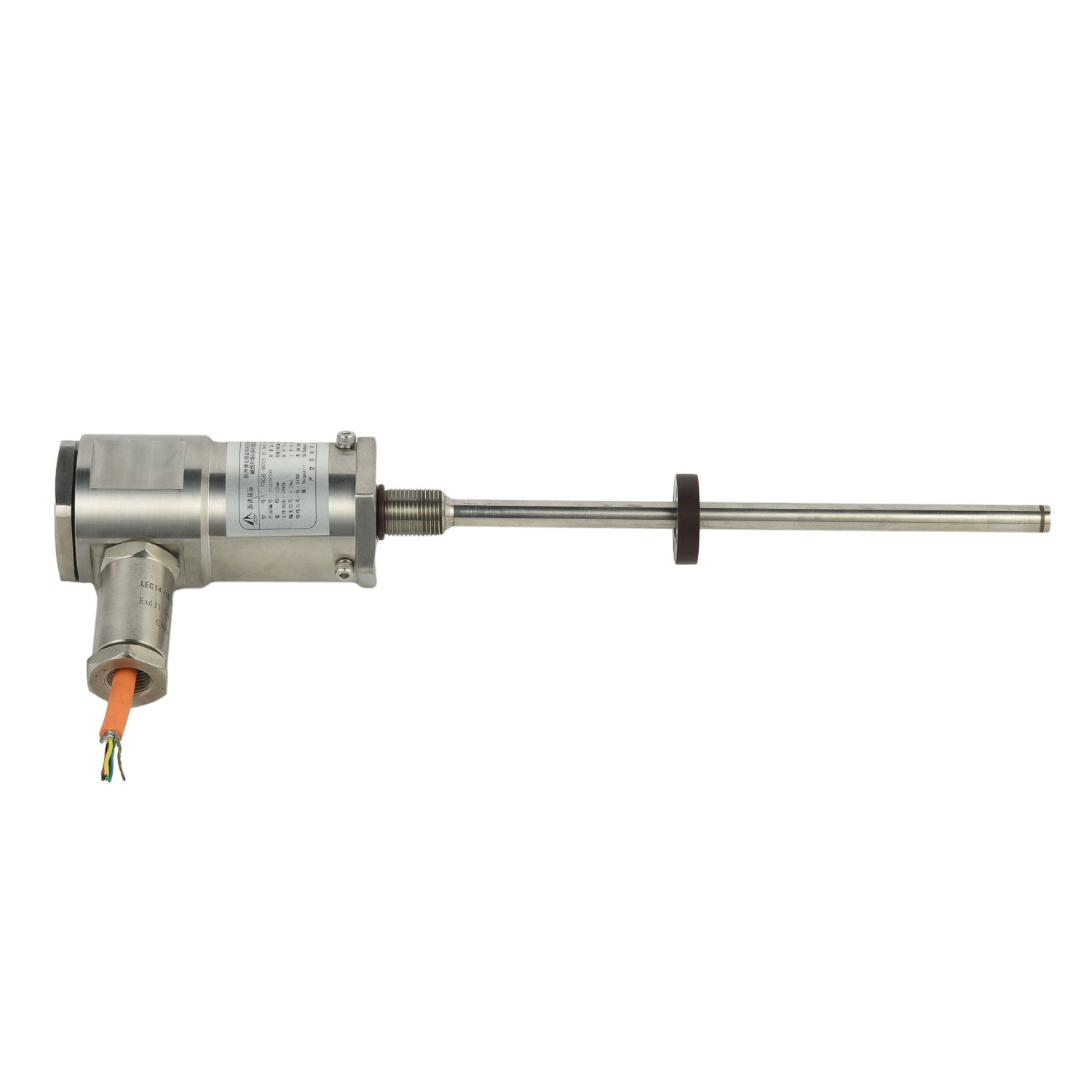
Hybrid designs often work best: die-cast parts support tough environments, while molded components cut weight and cost. Proper gate design, mold temperature, and surface treatment improve dimensional accuracy and long-term reliability. For tanks near radar sensors, designers should avoid metallic contamination, ensure stable mounting, and validate sealing against water, dust, and vibration. Prototyping and environmental testing are essential before production. With the right process and materials, radar sensor tanks and housings achieve durable, reliable, cost-effective performance in real field conditions.
 Shield Tunneling Radar Sensor
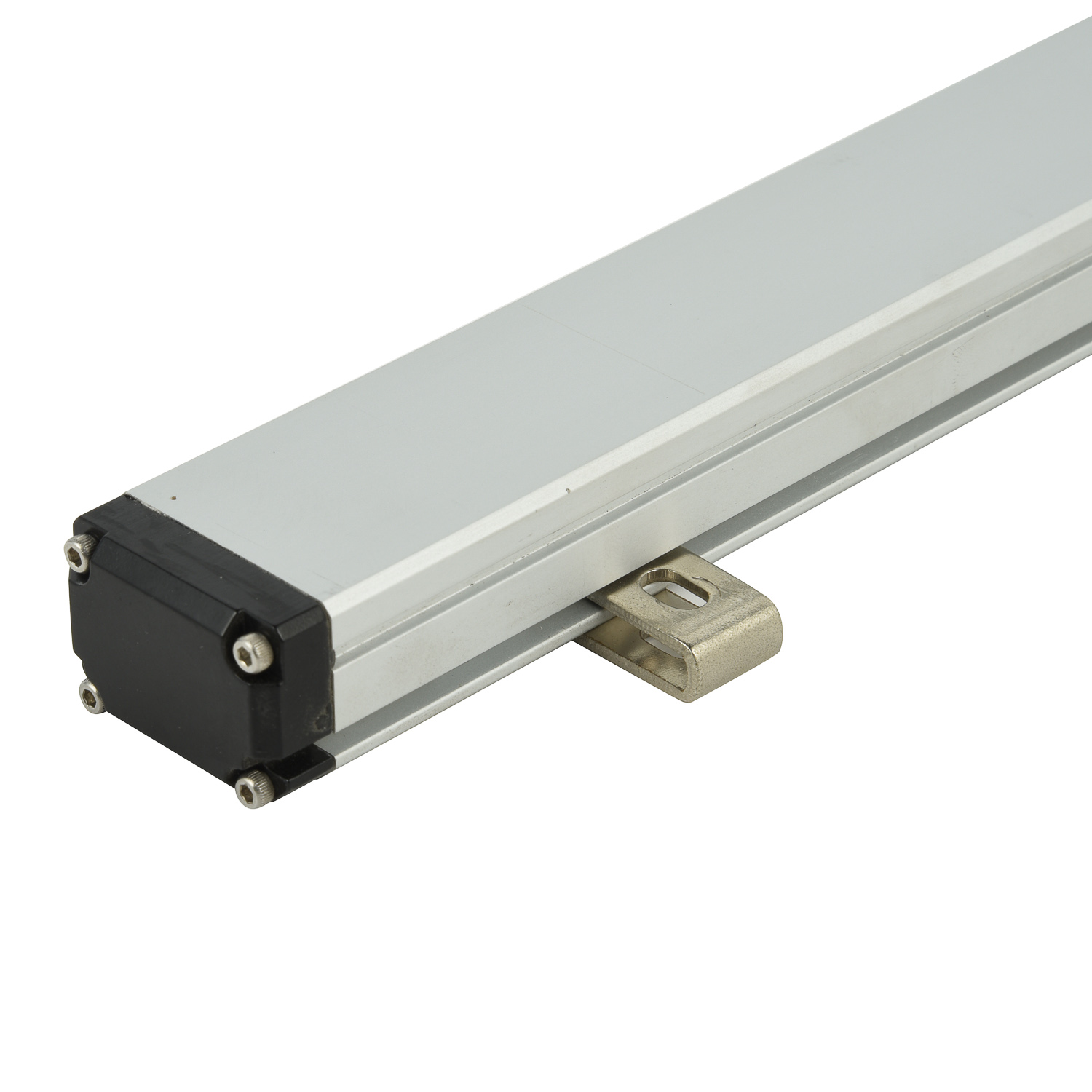 Mixing Station Flange-mounted
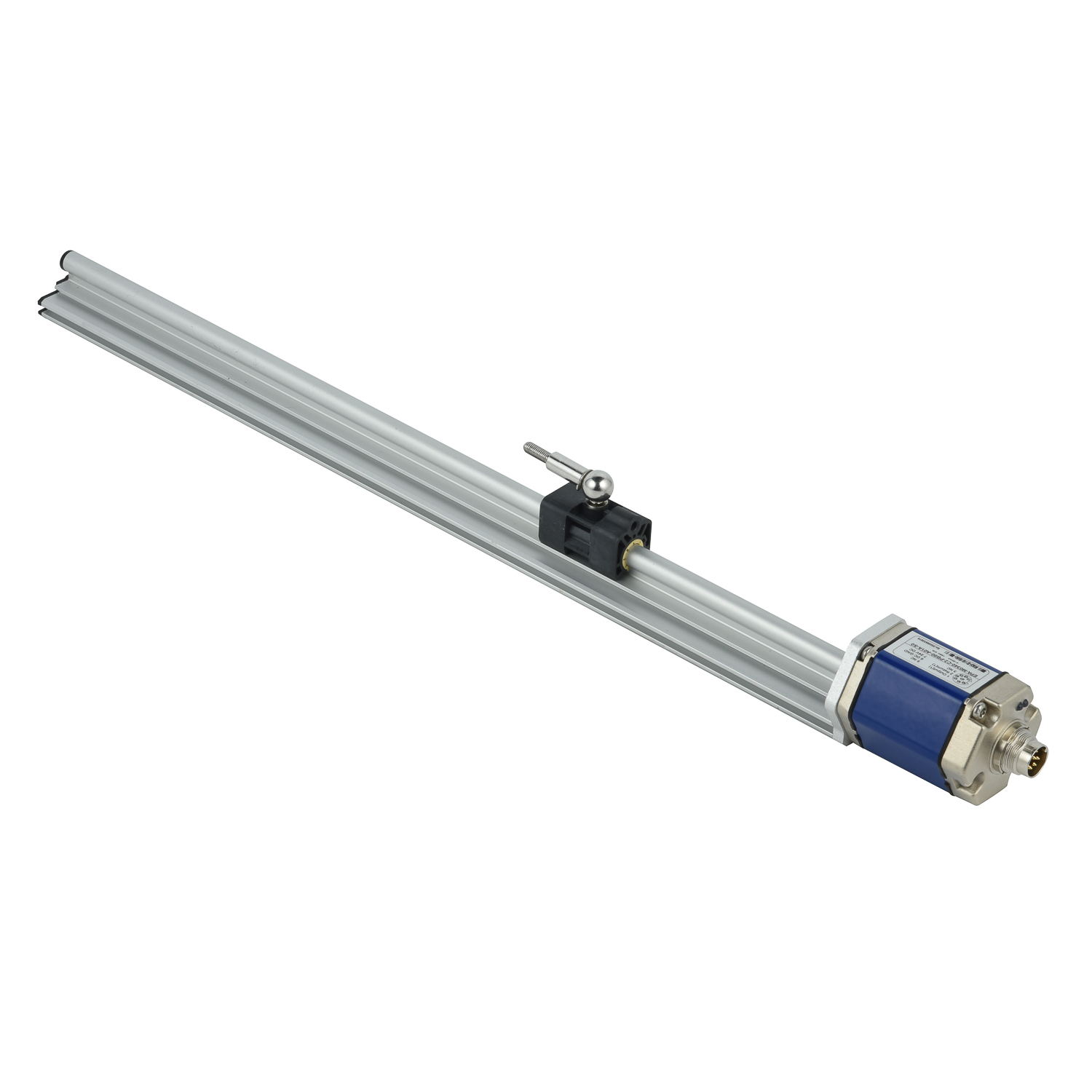 Grain and Oil Storage Tank Rad
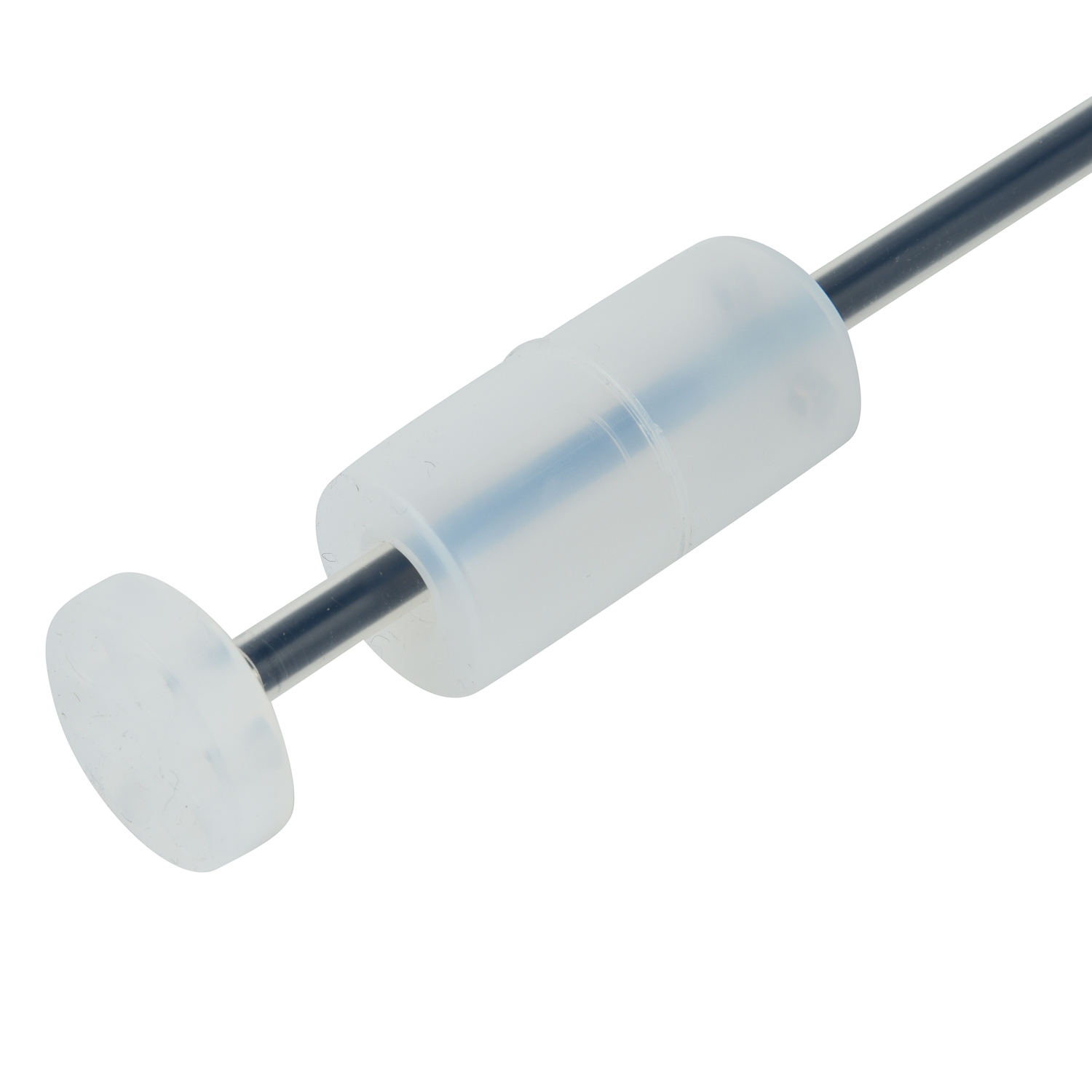 Power Plant Non-contact Radar