
Grain and Oil Storage Tank Silo High-temperature Radar Sensor Price
For grain and oil storage tanks and silos, high-temperature radar sensors provide reliable level measurement in dusty, humid, and hot conditions. Their price varies with frequency, measuring range, accuracy, antenna material, explosion-proof rating, output signals, and installation accessories. Basic non-explosion-proof units may cost less, while 80 GHz sensors with PTFE antennas, high-temperature seals, and HART/RS485 outputs cost more. Buyers should compare total cost, not only sensor price: calibration, mounting flange, power supply, cables, and after-sales service matter. A suitable sensor should resist condensation, dust, and temperature fluctuations while maintaining stable readings. For oil storage, explosion-proof certification and corrosion resistance are essential. For grain silos, dust penetration and easy cleaning are key. Before ordering, verify silo height, process connection, and control system. A focused beam helps avoid false echoes from walls, mixers, and filling streams. Request a technical datasheet, confirm process temperature and pressure, and ask for a site-specific quotation. Competitive suppliers often provide free selection support and fast delivery. Choosing the right high-temperature radar sensor reduces maintenance and improves inventory safety. Price should reflect accuracy, durability, and long-term reliability. Ask for warranty terms, spare-part availability, and a clear quotation listing model, antenna, flange, cable, and documents. Stable data improves safety.
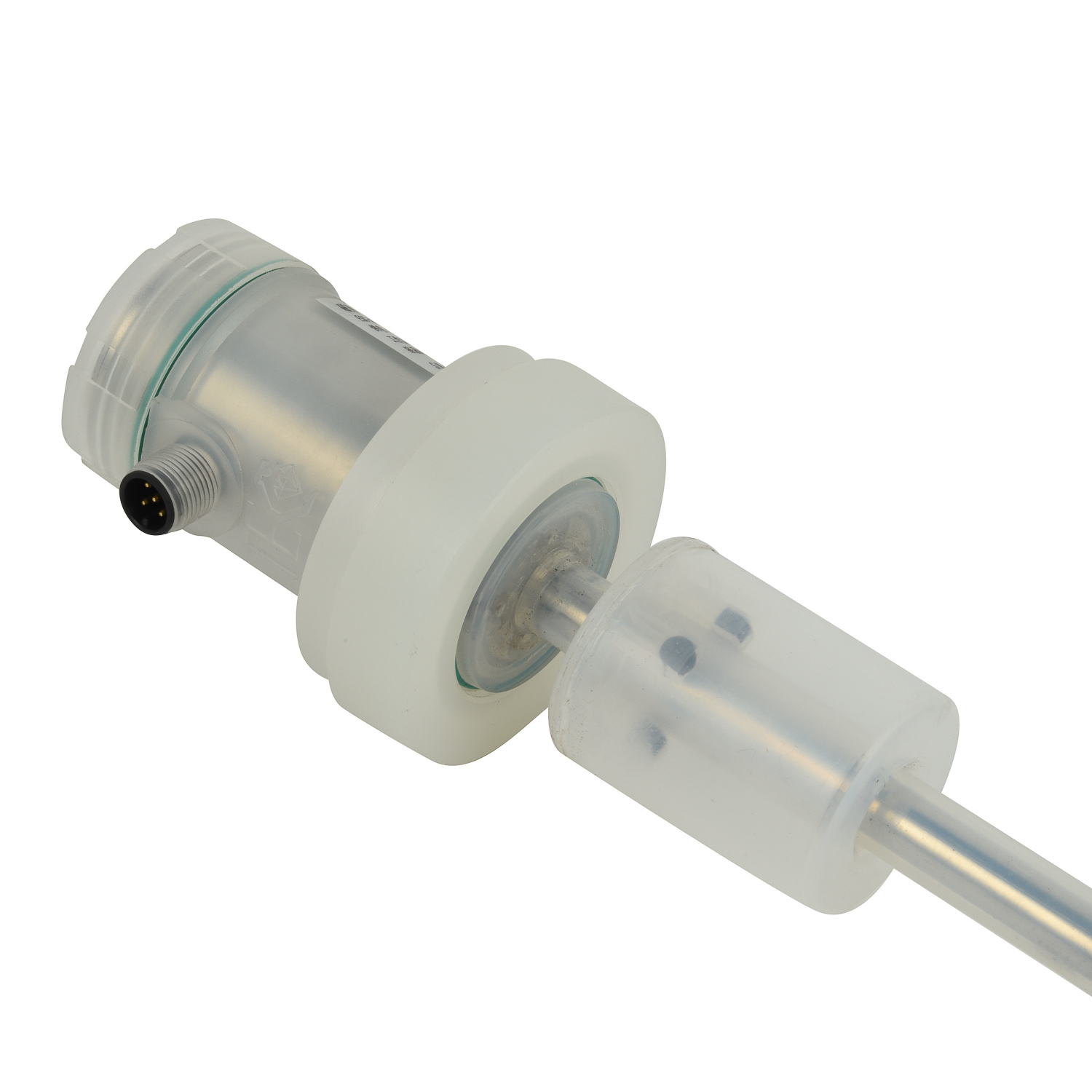
 Mixing Station Flange-mounted
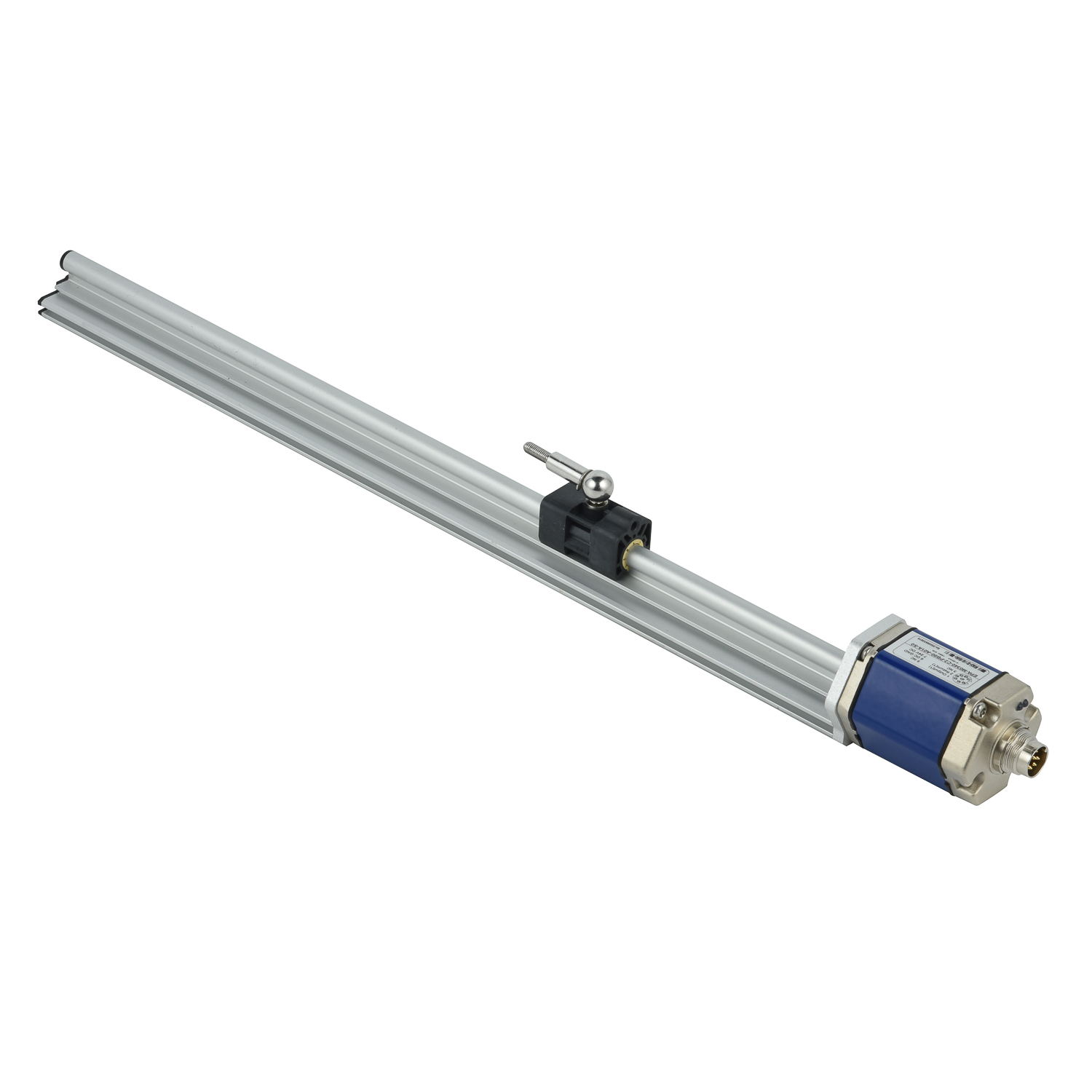 Grain and Oil Storage Tank Rad
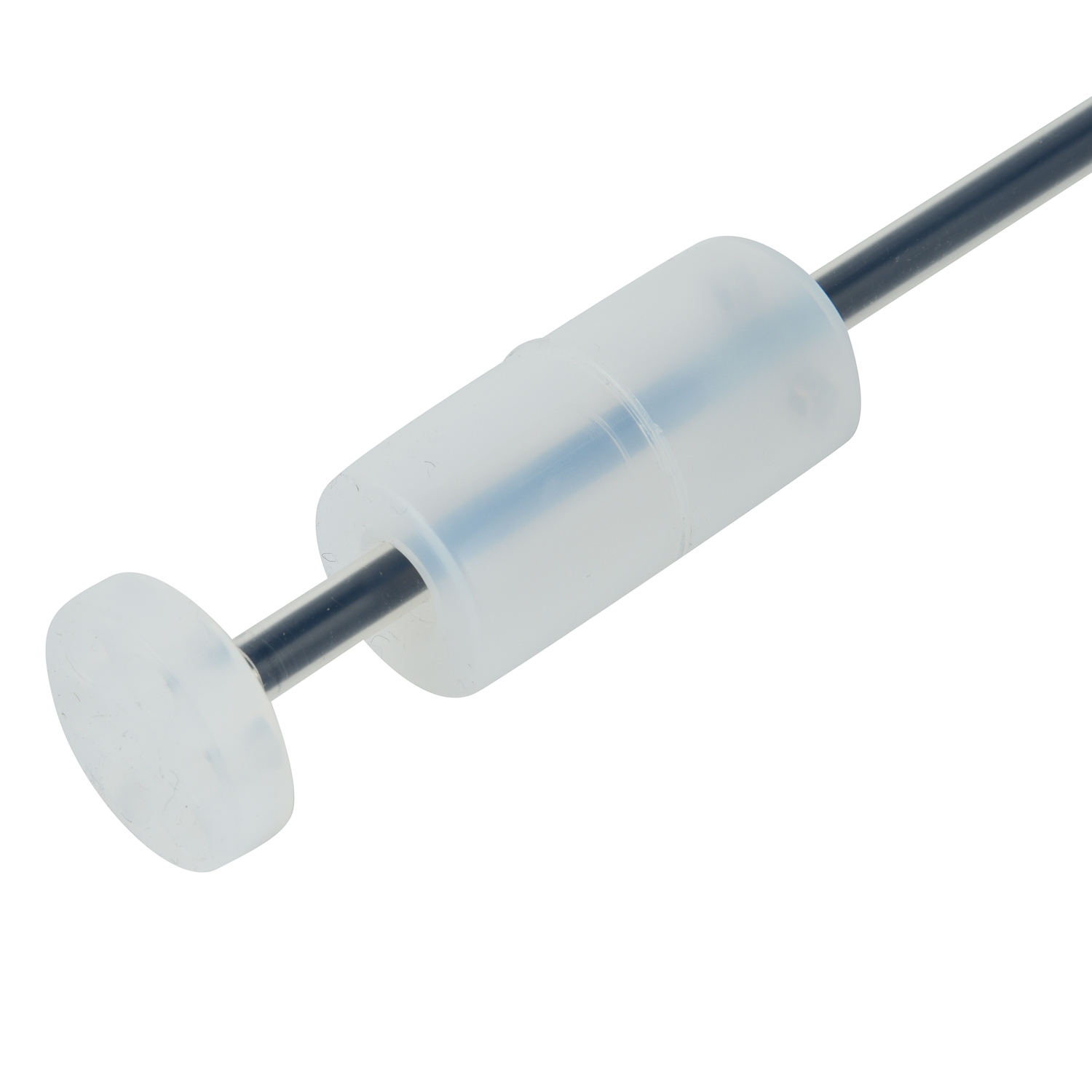 Power Plant Non-contact Radar
 Port Intrinsically Safe Explos