
Port Intrinsically Safe Explosion-proof Radar Sensor Installation Method
Installing an intrinsically safe explosion-proof radar sensor at a port requires careful planning because salt spray, vibration, fuel vapors, and classified zones can affect safety and measurement accuracy. First, confirm the area classification and select a sensor certified for the hazardous zone, gas group, and temperature class. Use an approved intrinsically safe barrier or isolator, and verify that the sensor, barrier, cable, and glands form a compatible Ex ia system with valid certificates. Mount the sensor on a rigid stainless-steel bracket outside direct impact zones, heavy spray, and heat sources. Keep the antenna clear of obstructions, maintain the required safety distance, and allow space for maintenance. Route cables in protected trays, use armored or screened cable as specified, and terminate it with certified Ex cable glands. Keep intrinsically safe circuits separate from power cables, and bond the enclosure and bracket to the port grounding system. Seal unused entries, check IP protection, and never open the housing in a live hazardous area. After installation, inspect wiring polarity, barrier ratings, grounding continuity, and label markings. Align the radar to the target area, set the measuring range, and test outputs under safe conditions. During commissioning, verify that alarm and fault signals reach the control room correctly and that readings remain stable near metal structures and moving equipment. Use calibrated test instruments, follow the port permit-to-work system, and ensure technicians are trained for hazardous-area work. Finally, record loop checks, calibration data, cable routes, barrier locations, and inspection results, and schedule routine checks for corrosion, cable damage, and barrier function. This method supports reliable, safe monitoring in port operations.
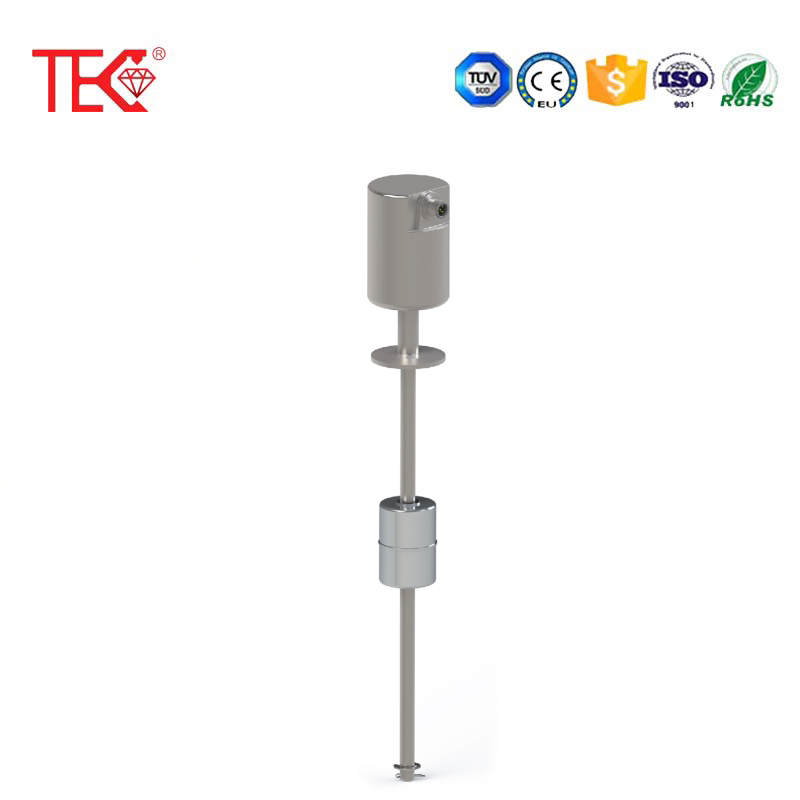
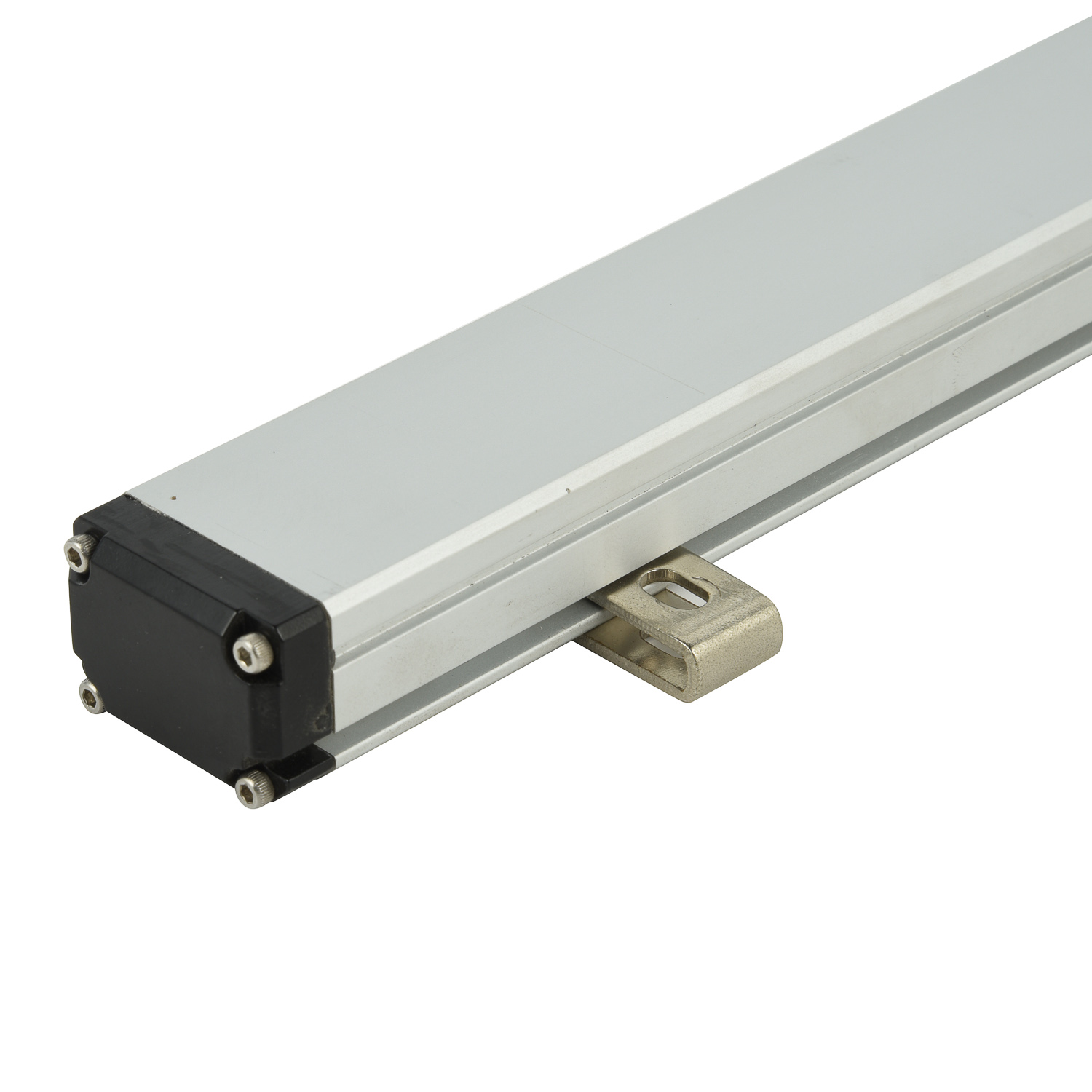 Mixing Station Flange-mounted
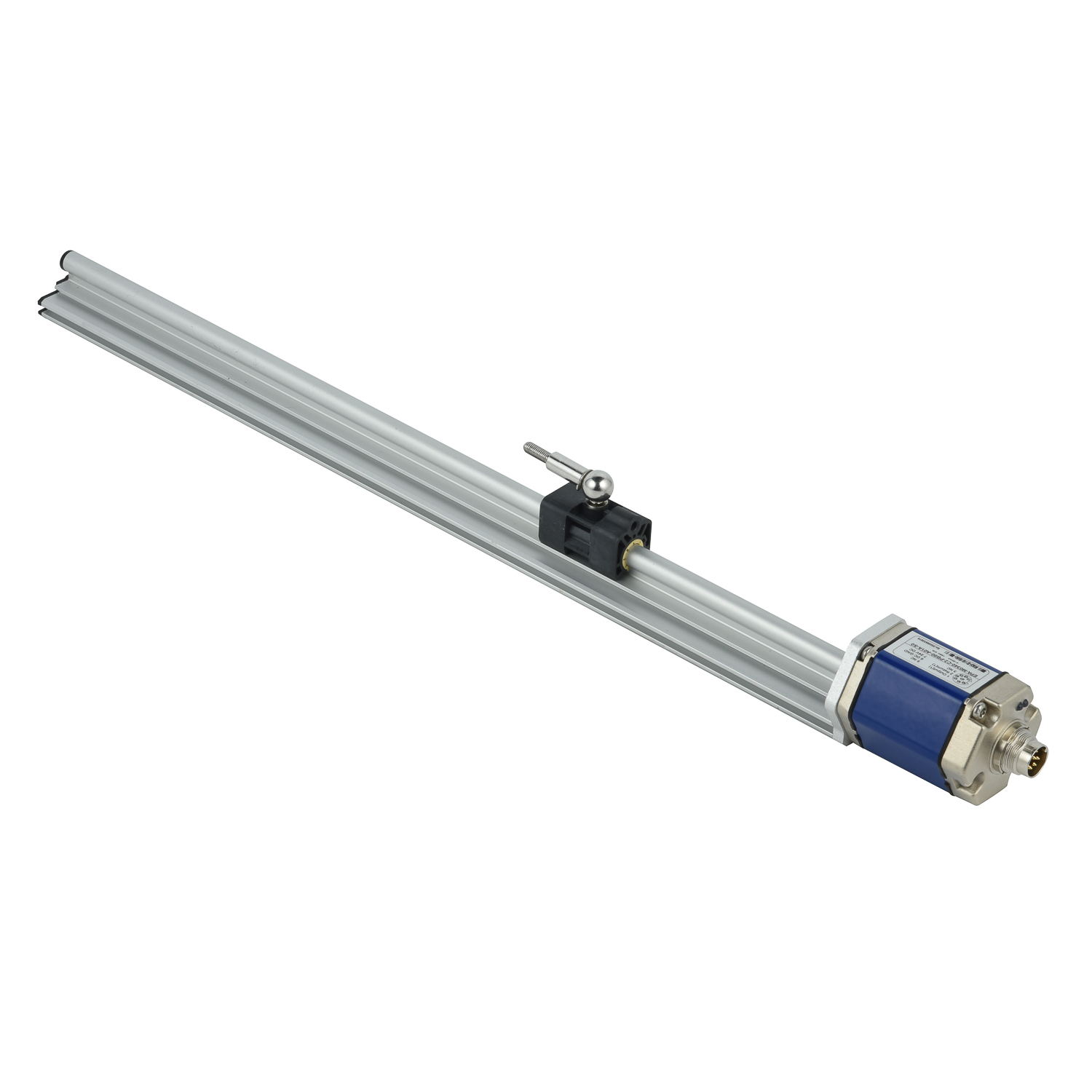 Grain and Oil Storage Tank Rad
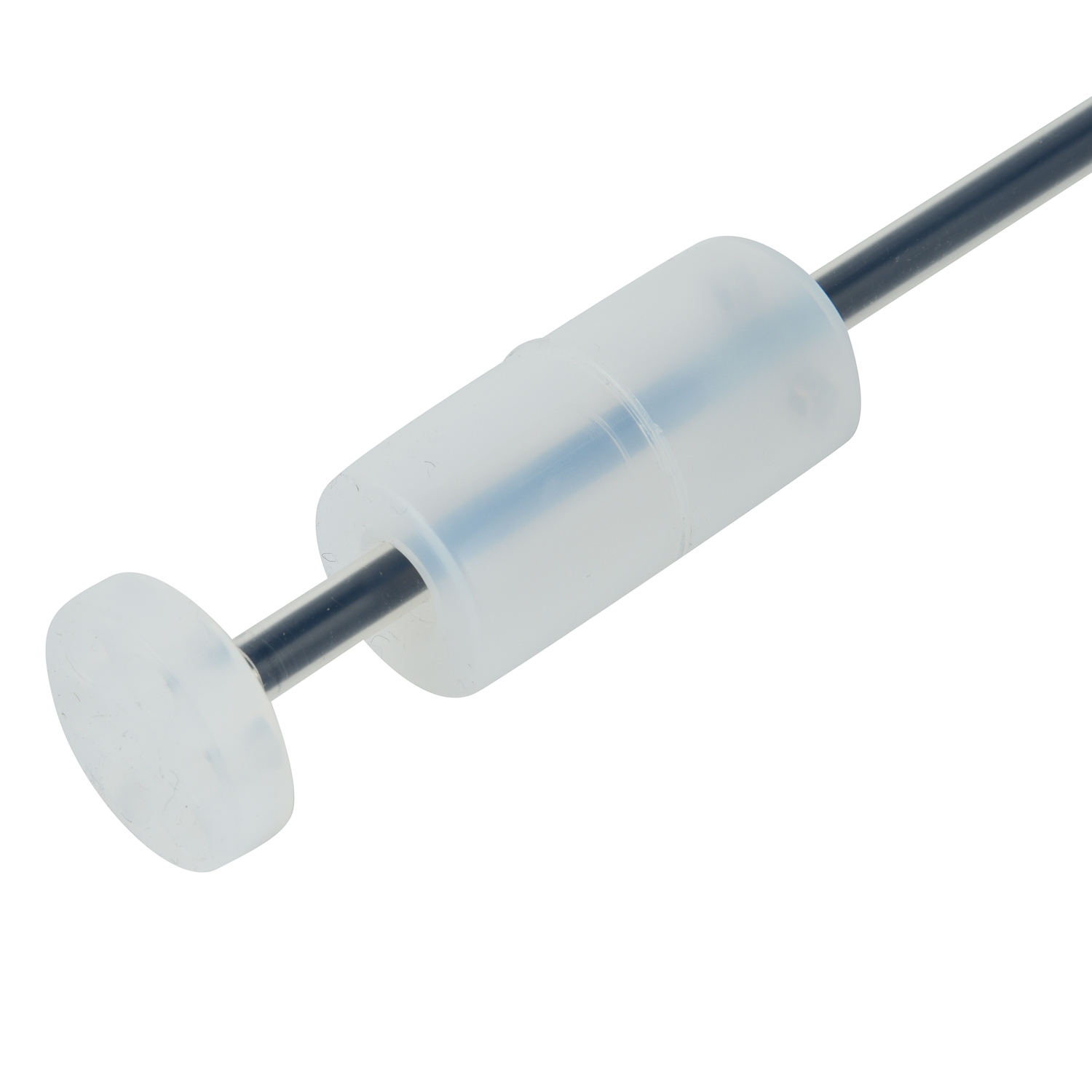 Power Plant Non-contact Radar
Port Intrinsically Safe Explos