
Port Material Tank Non-contact Radar Sensor Installation Method
Non-contact radar sensors provide reliable level measurement in port material tanks by avoiding contact with corrosive, sticky, or dusty media. Correct installation is essential for stable signals and accurate readings. First, select a mounting point on the tank top that offers a clear unobstructed path to the product surface. Keep the sensor away from filling inlets, agitators, ladders, heating coils, and tank walls to reduce false echoes. Use a metal mounting flange or bracket that is perpendicular to the tank roof and firmly sealed to prevent rain, dust, and vapor ingress. The sensor antenna should be parallel to the liquid or material surface. Maintain the specified blocking distance below the flange and avoid mounting inside a nozzle that is too narrow or too long. For port environments, use corrosion-resistant materials and secure cable glands against wind, vibration, and salt spray. Route cables in protected conduits and connect shielding to the plant grounding system to reduce electromagnetic interference. After mechanical installation, verify the sensor parameters, including tank height, measuring range, output signal, and echo threshold. Perform a dry commissioning check and observe the echo curve. If the signal is weak or unstable, adjust the mounting angle or relocate the sensor away from turbulence and foam. Regular inspection of the antenna and seal helps maintain long-term performance. Following these steps ensures safe, accurate, and low-maintenance level monitoring in port material tanks.
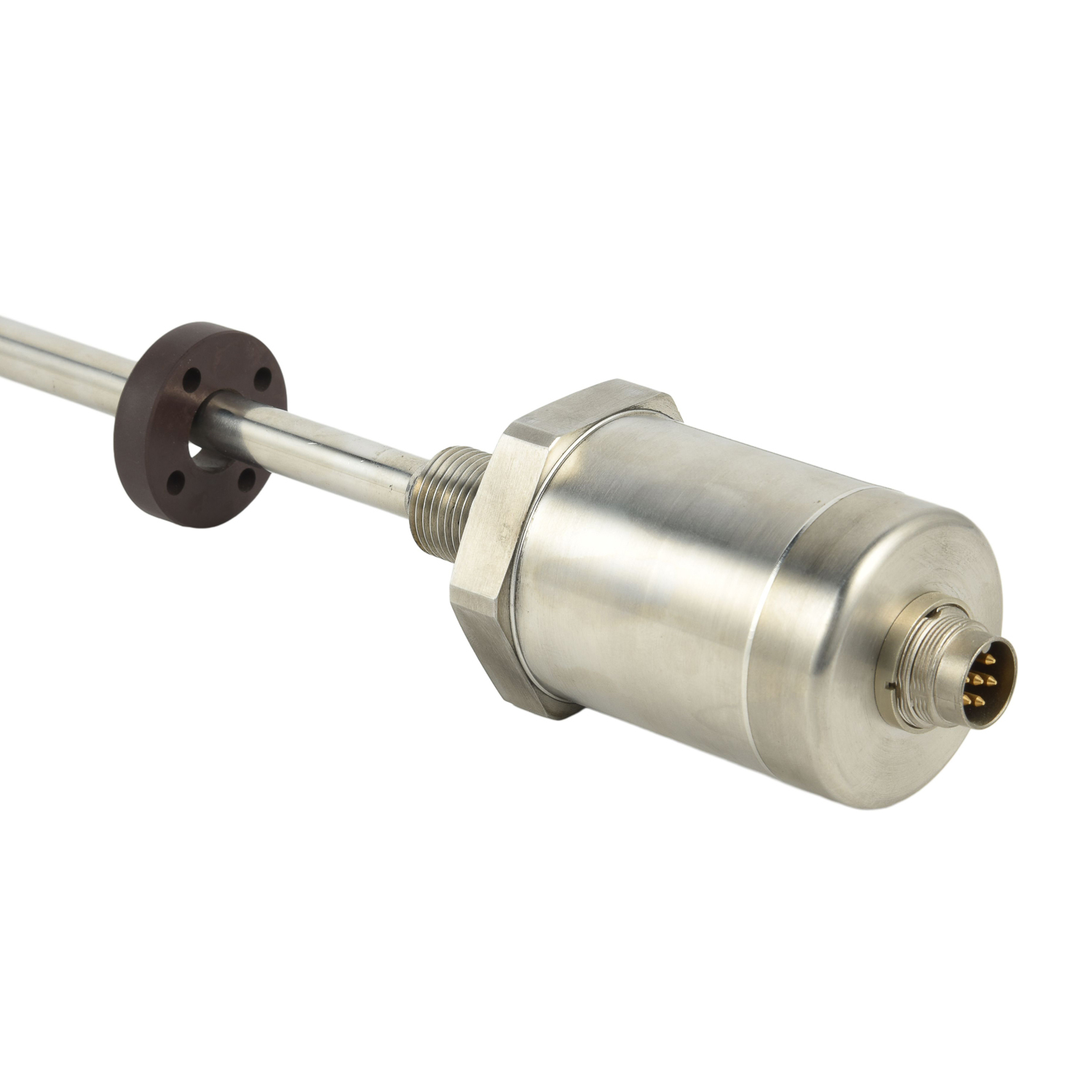
 Shield Tunneling Radar Sensor
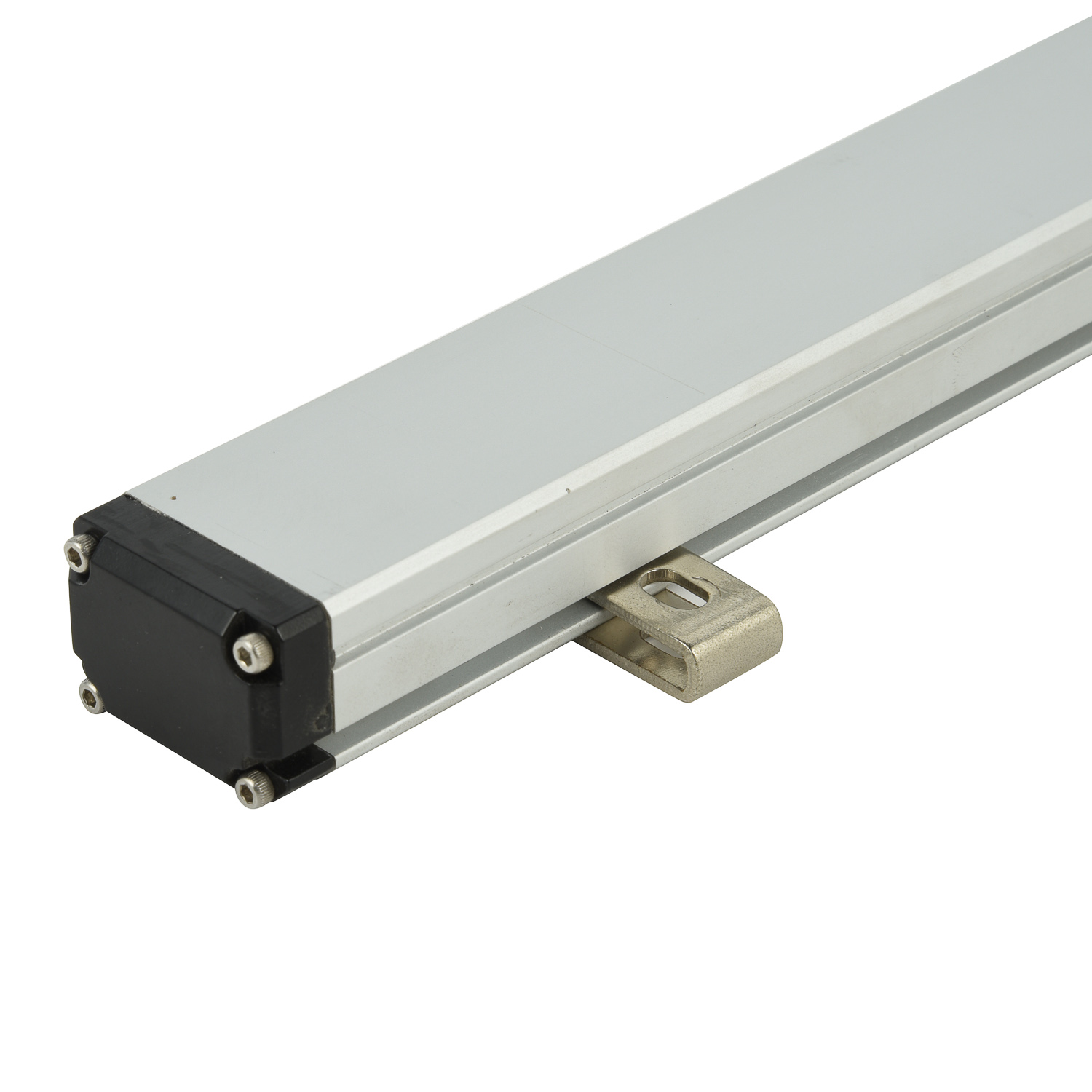 Mixing Station Flange-mounted
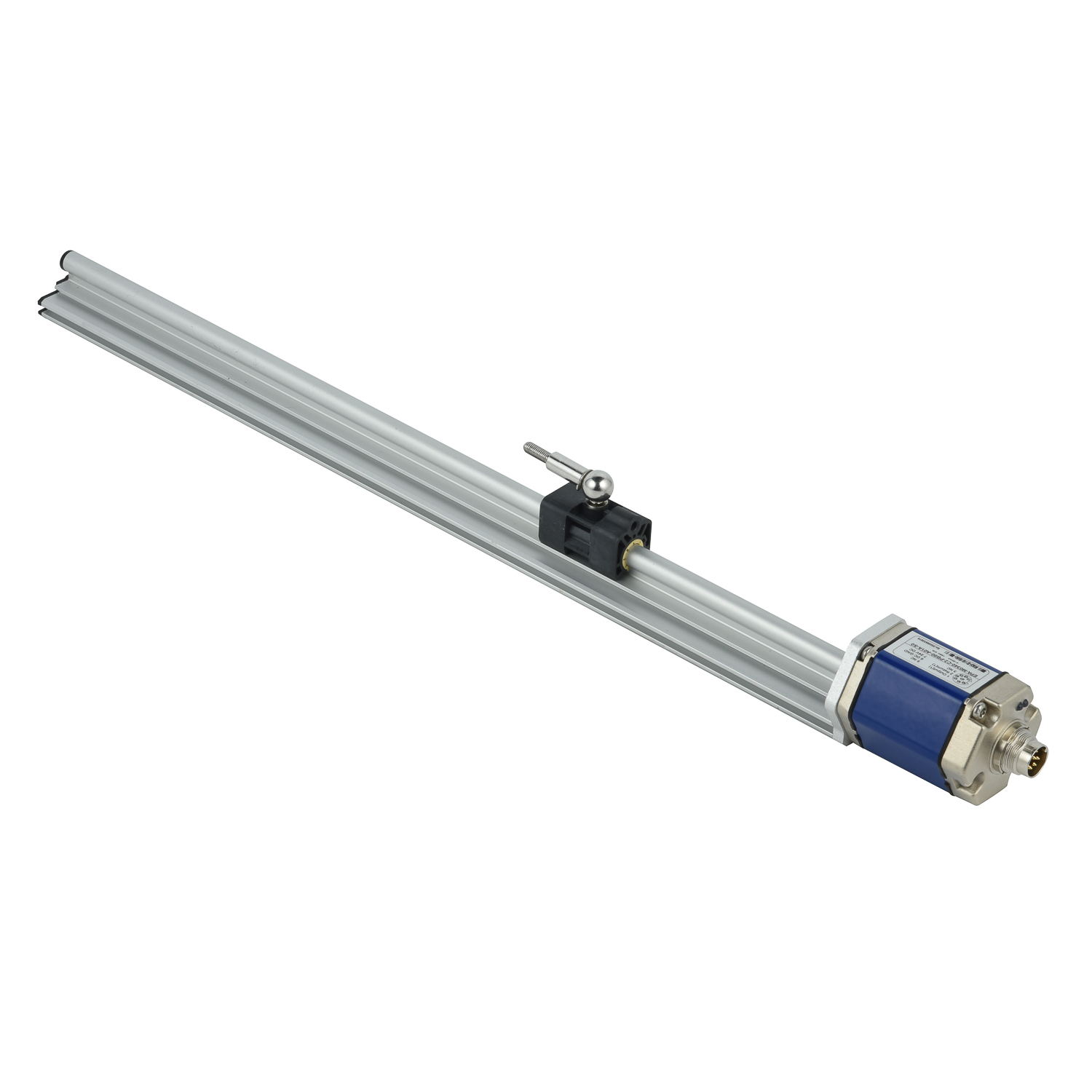 Grain and Oil Storage Tank Rad
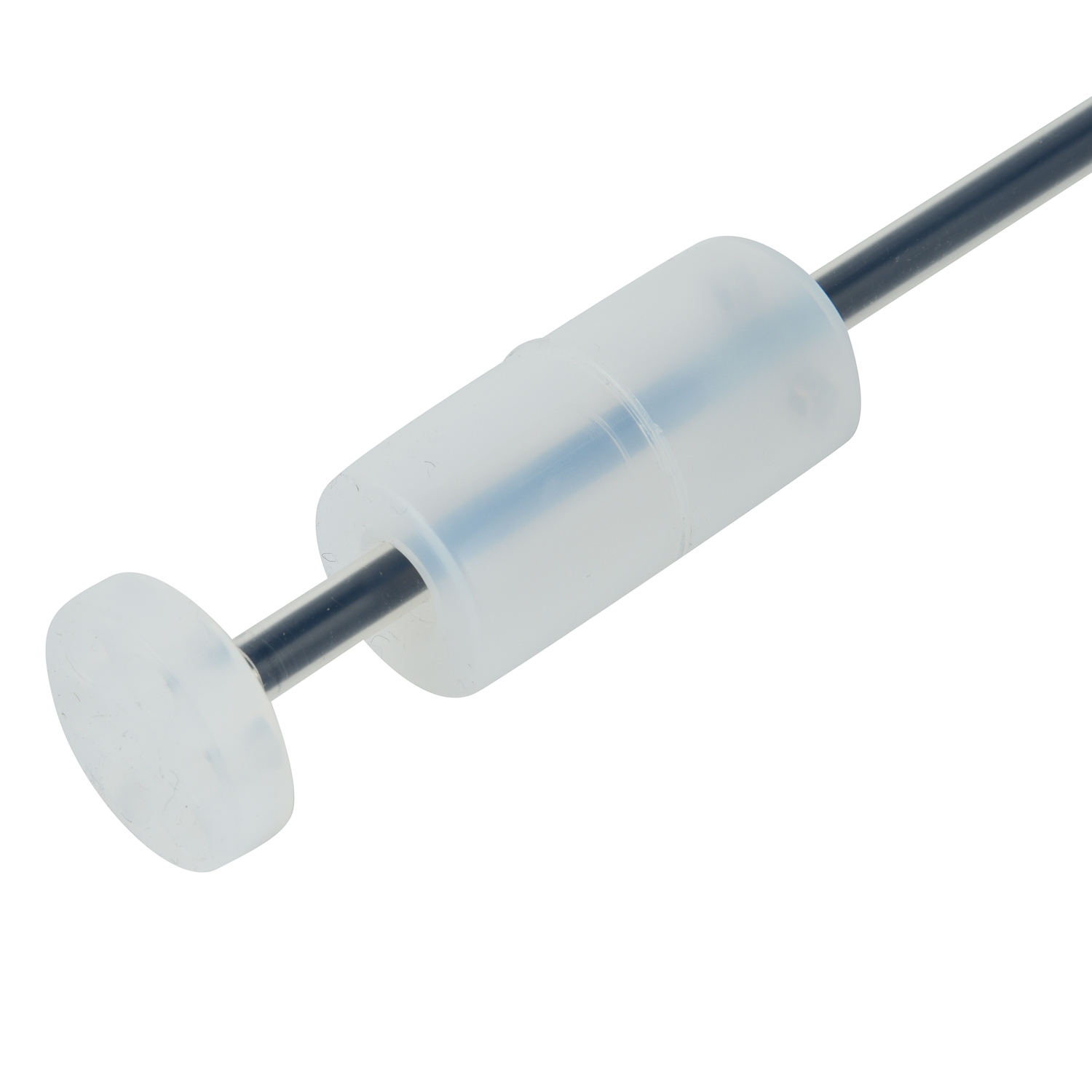 Power Plant Non-contact Radar