
Power Plant Reaction Kettle Flange-mounted Radar Sensor Import Substitute
In power plants, reaction kettles operate under high temperature, pressure, and intense chemical agitation. Accurate level measurement is critical for safety and efficiency. Flange-mounted radar sensors are preferred because they are non-contact, stable, and easy to install through existing flanges. Imported sensors often bring long lead times, high costs, and delayed support, creating a clear need for a dependable import substitute.
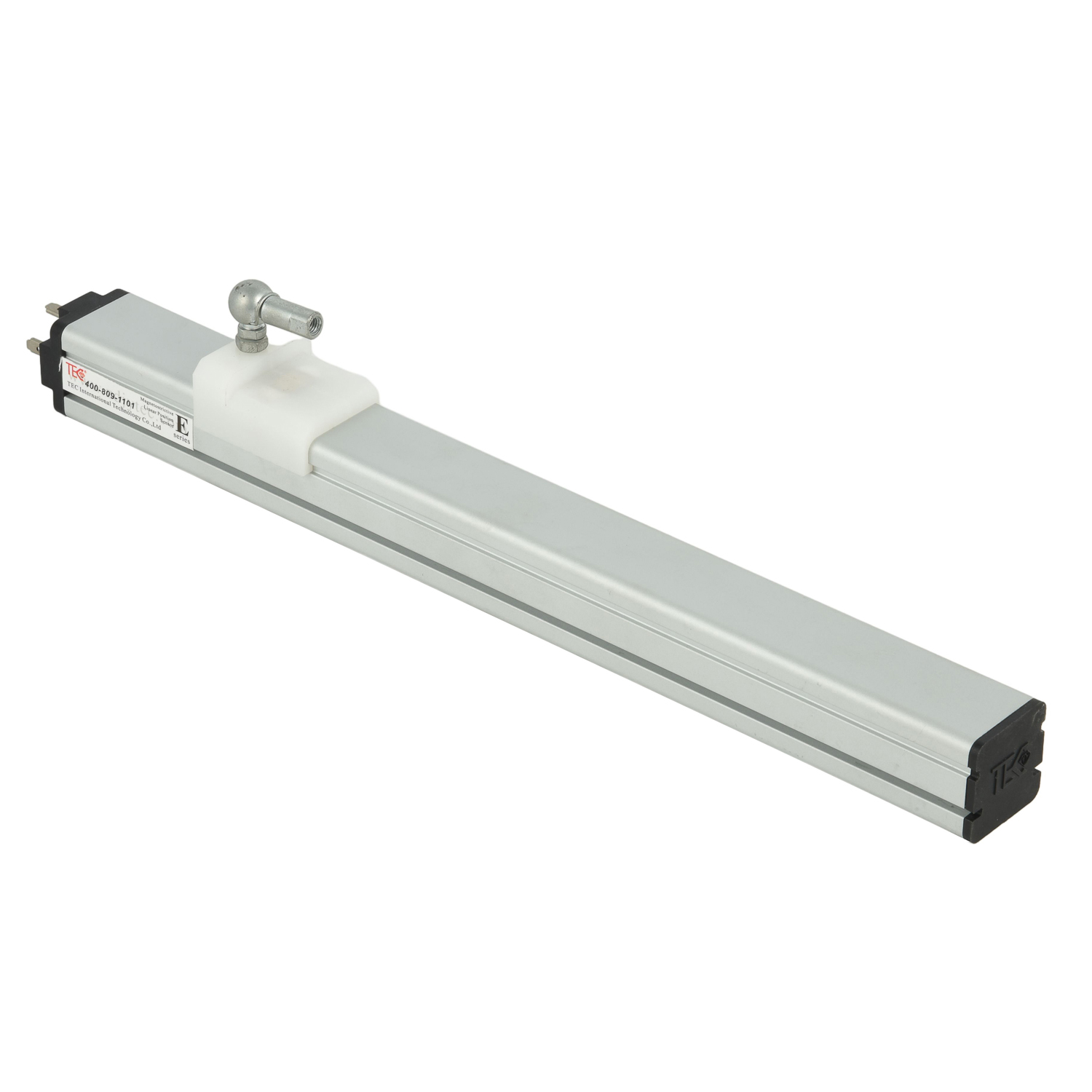
A domestic flange-mounted radar sensor can match core reaction kettle monitoring needs. High-frequency radar focuses the signal, resists steam, foam, and condensation, and maintains accuracy in narrow vessels. The flange connection simplifies retrofitting, reduces opening work, and supports quick maintenance without major shutdowns. Robust sealing and anti-corrosion materials handle aggressive media and harsh conditions. It also supports HART or RS485 output for easy integration with plant control systems.
For power plants, real value lies in stable performance, fast delivery, and local service. An import substitute should provide compatible outputs, easy calibration, and reliable diagnostics. Before selection, verify temperature, pressure, dielectric constant, flange standard, and explosion-proof requirements. Proper configuration improves level control, cuts downtime, and lowers total cost. A proven domestic flange-mounted radar sensor is a practical step toward safer, more efficient, and more independent power plant operations.
 Shield Tunneling Radar Sensor
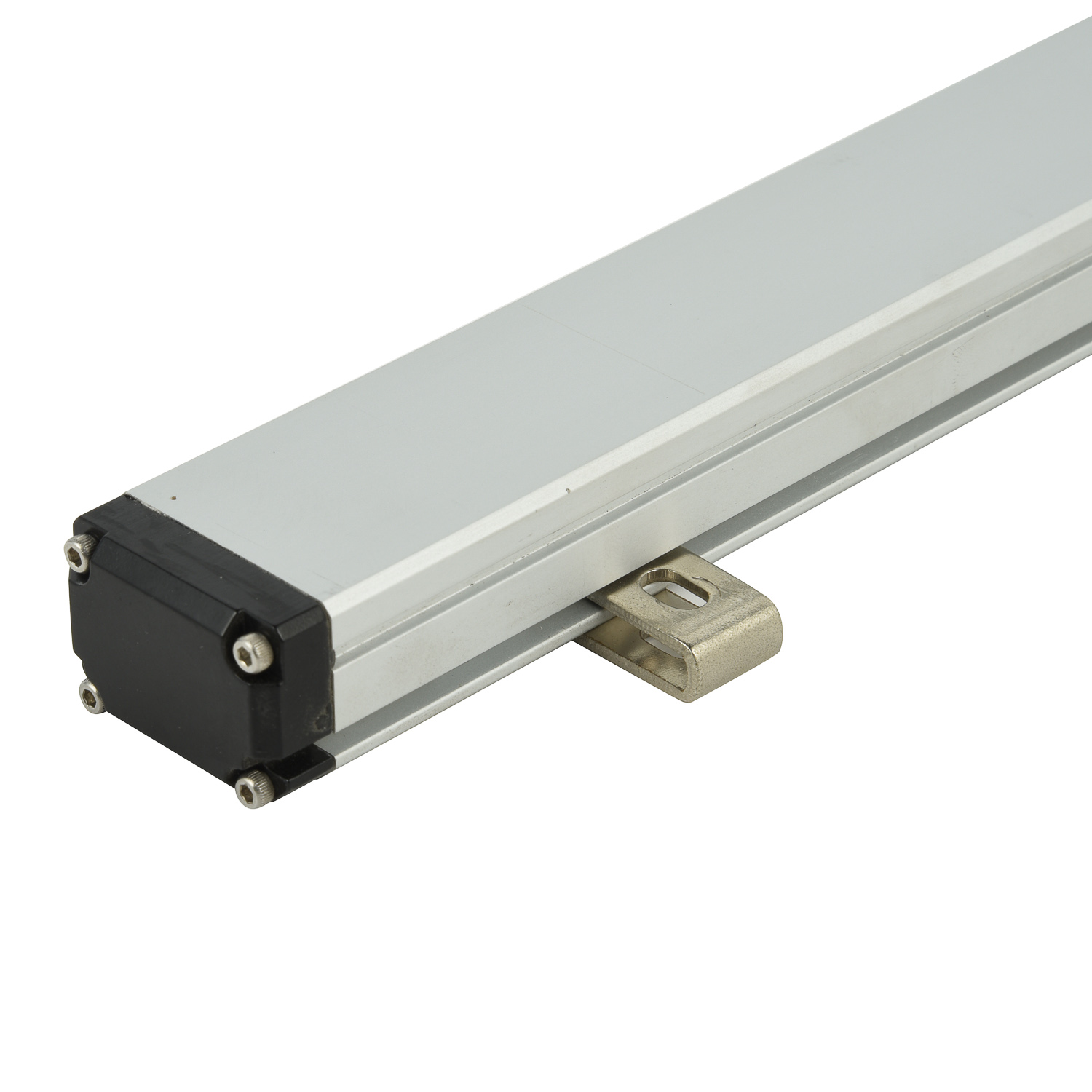 Mixing Station Flange-mounted
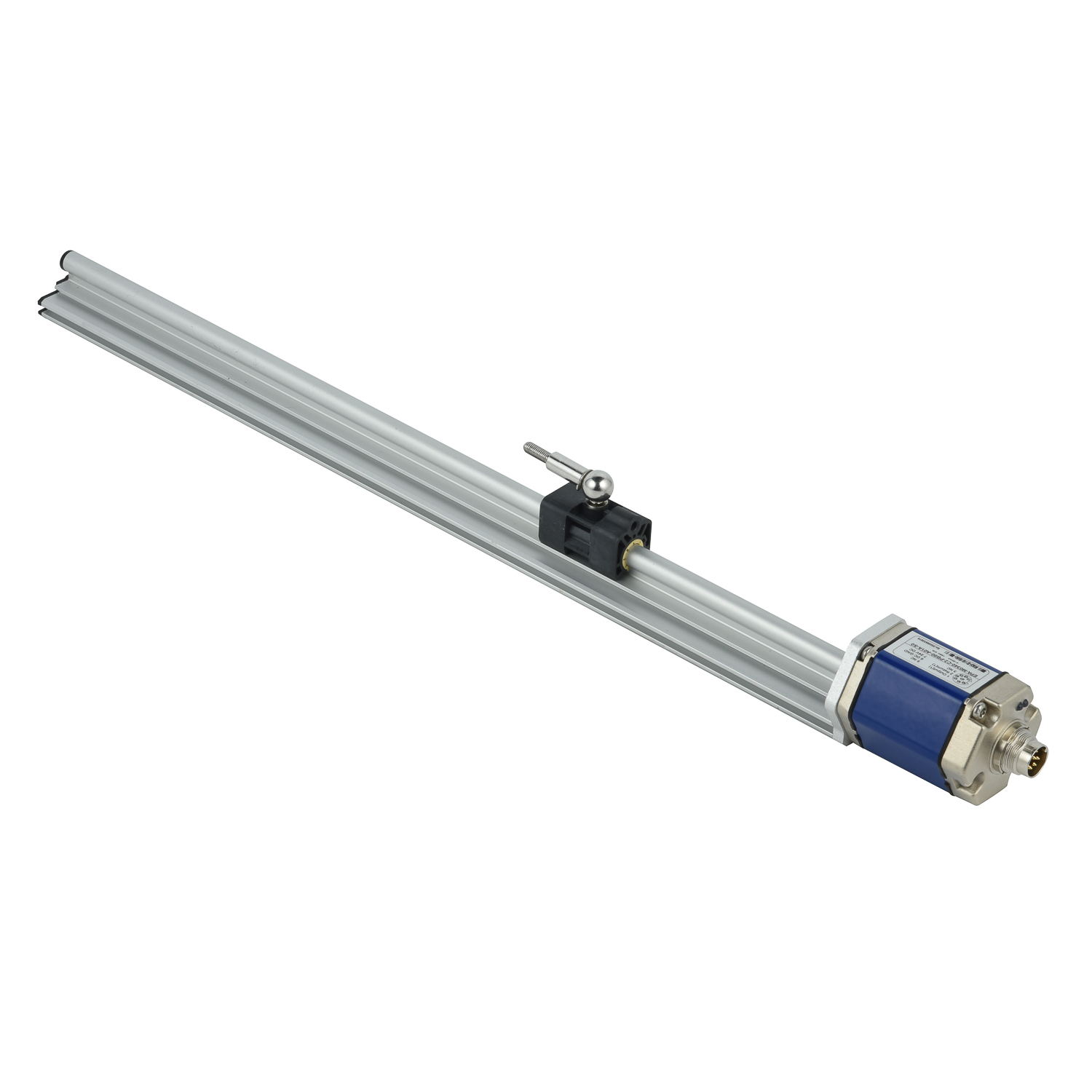 Grain and Oil Storage Tank Rad
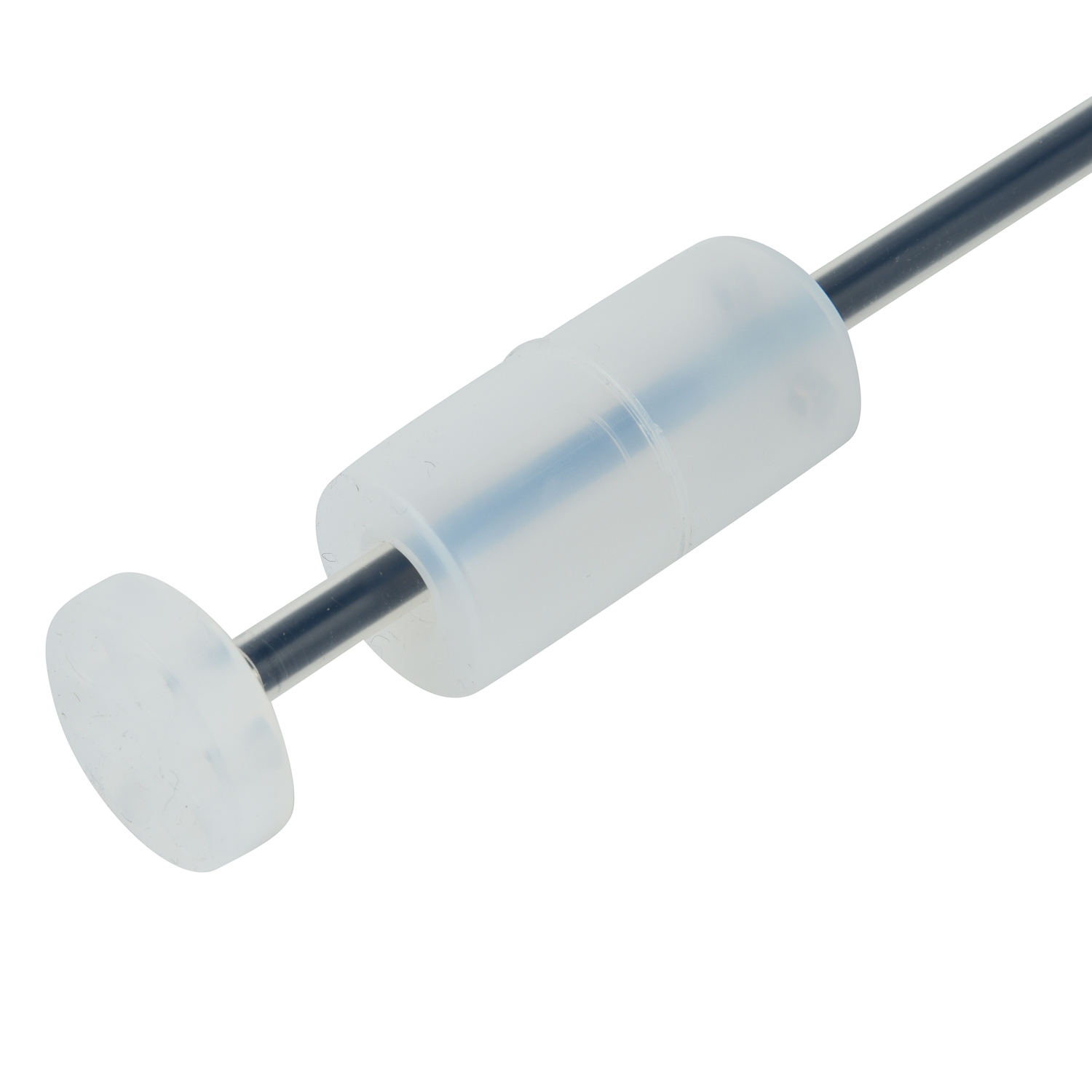 Power Plant Non-contact Radar