
Water Conservancy Hoist Corrosion-resistant Radar Sensor Working Principle
Corrosion-resistant radar sensors are used on water conservancy hoists to monitor gate position and water level without contact. Their working principle is based on high-frequency electromagnetic waves. The antenna emits a narrow radar beam toward the water surface or a metal reflector. When the wave meets the target, part of the energy is reflected back. The sensor receives the echo and calculates distance from the time delay of a pulsed signal or the frequency difference of an FMCW signal. Because radar speed is known, travel time or beat frequency is converted into a precise distance value.
In a hoist system, this distance indicates gate opening, water level, or obstacle position. The corrosion-resistant design uses a sealed plastic or PTFE antenna cover, stainless-steel housing, and IP68 protection. These features prevent moisture, silt, salt spray, and chemical attack from damaging the electronics. Advanced signal processing filters out false echoes from foam, waves, and metal structures. The result is stable non-contact measurement with low maintenance.
The sensor output can be 4-20 mA, RS485/Modbus, or a switching signal for PLC and SCADA systems. Temperature compensation and self-diagnosis improve reliability. In flood control and irrigation projects, the radar sensor helps operators control hoists safely, avoid overflow, and reduce manual inspection. Its principle combines radar ranging, robust sealing, and intelligent filtering for wet, corrosive, unattended sites.
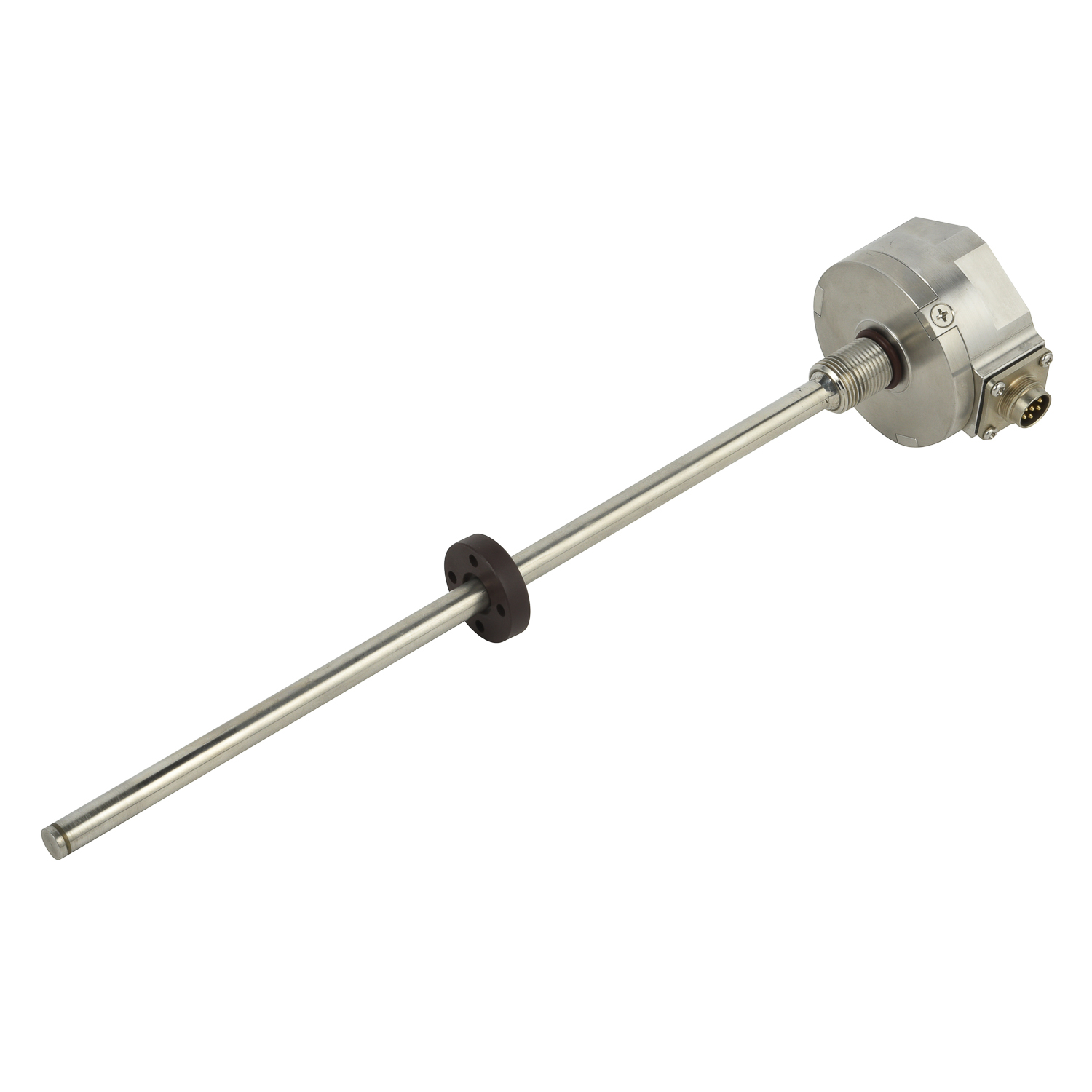
 Shield Tunneling Radar Sensor
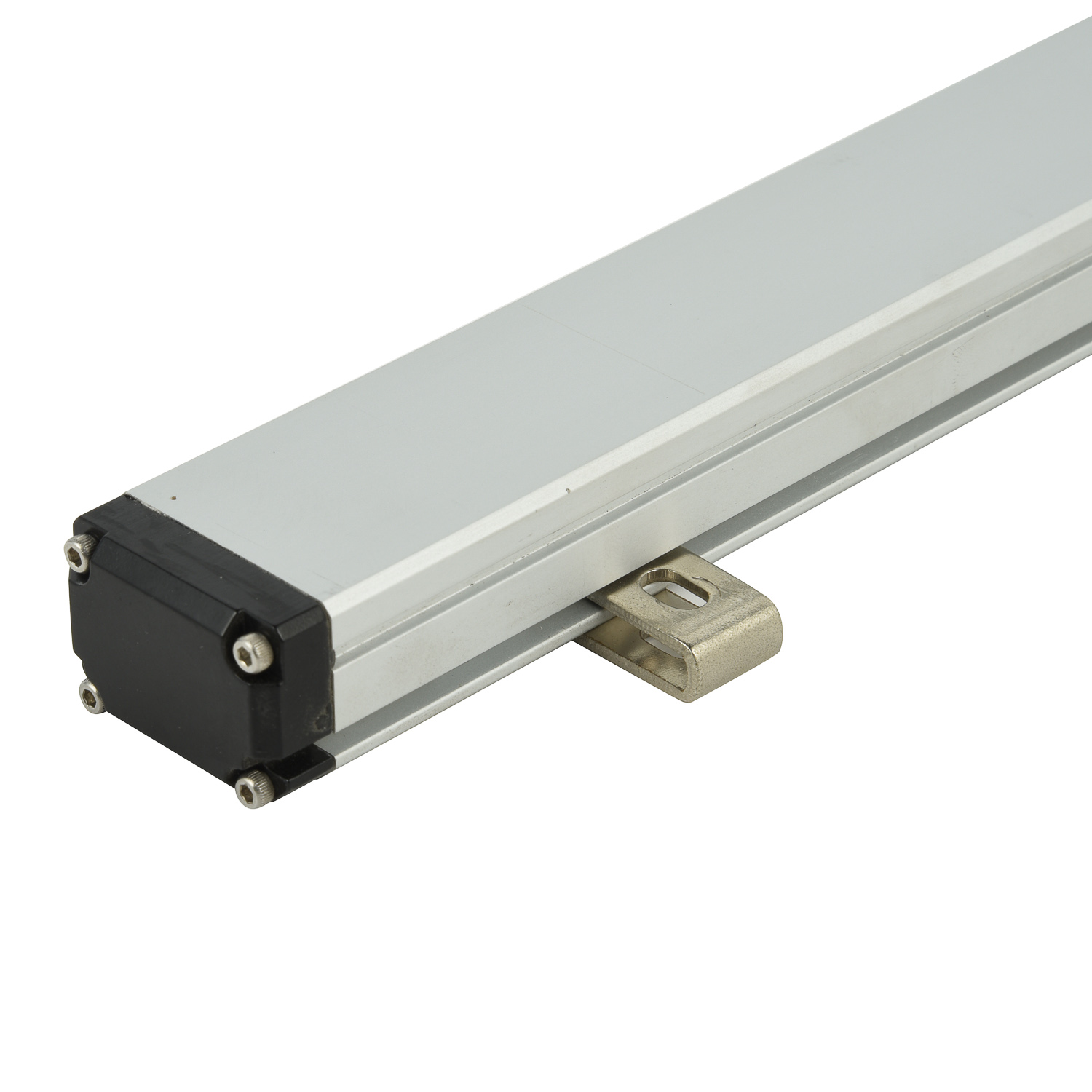 Mixing Station Flange-mounted
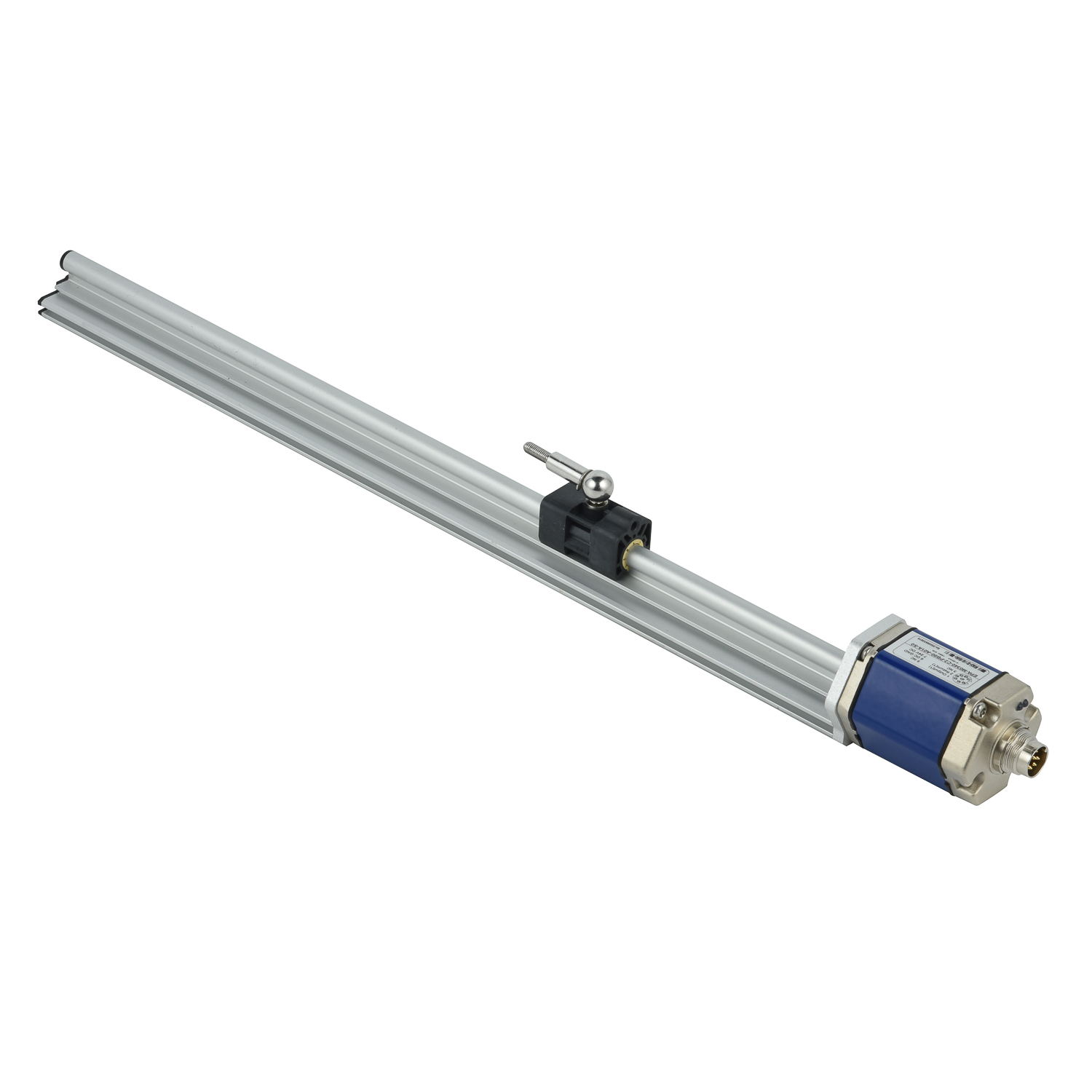 Grain and Oil Storage Tank Rad
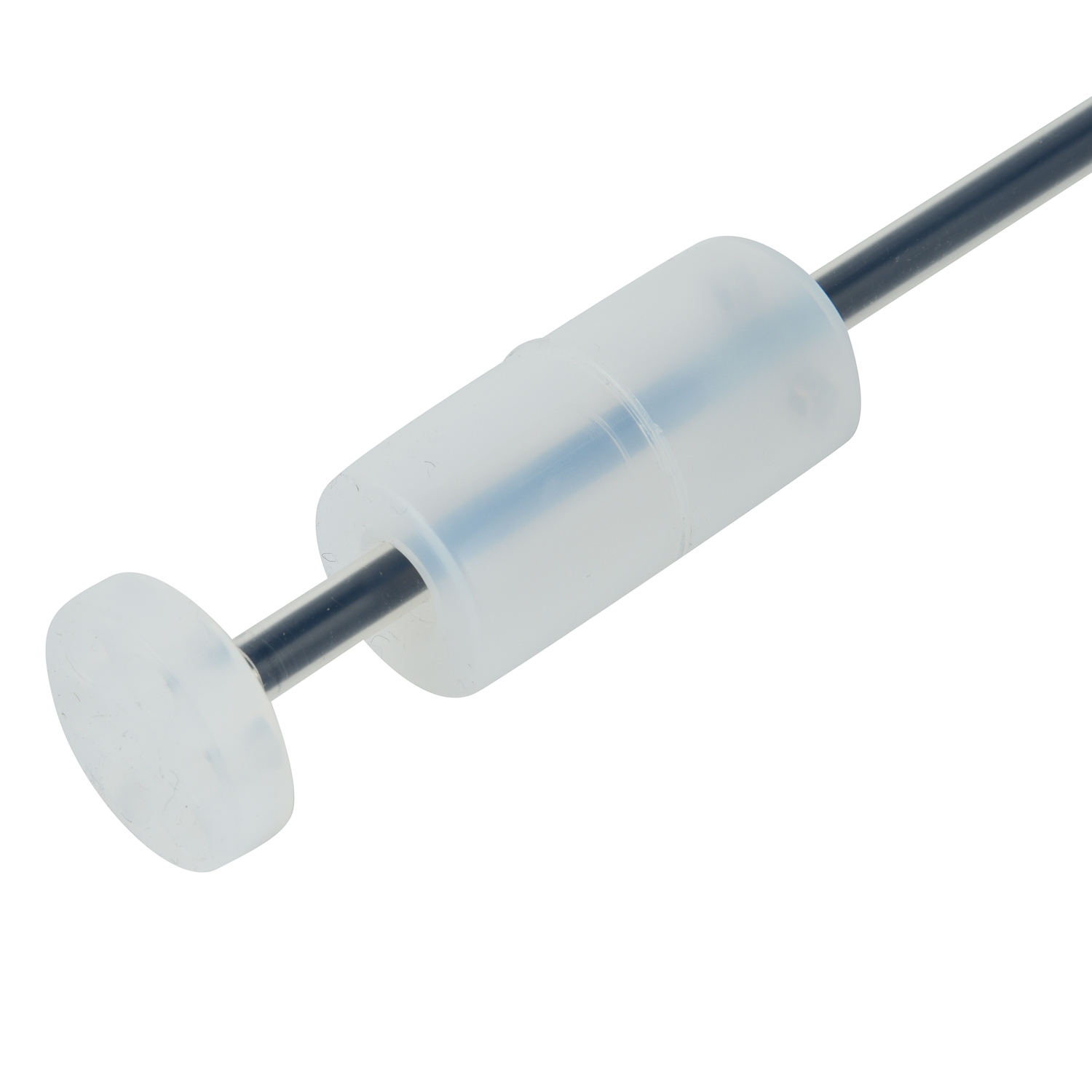 Power Plant Non-contact Radar