
Sewage Treatment Waterproof Crane and Trolley Positioning Technical Parameters
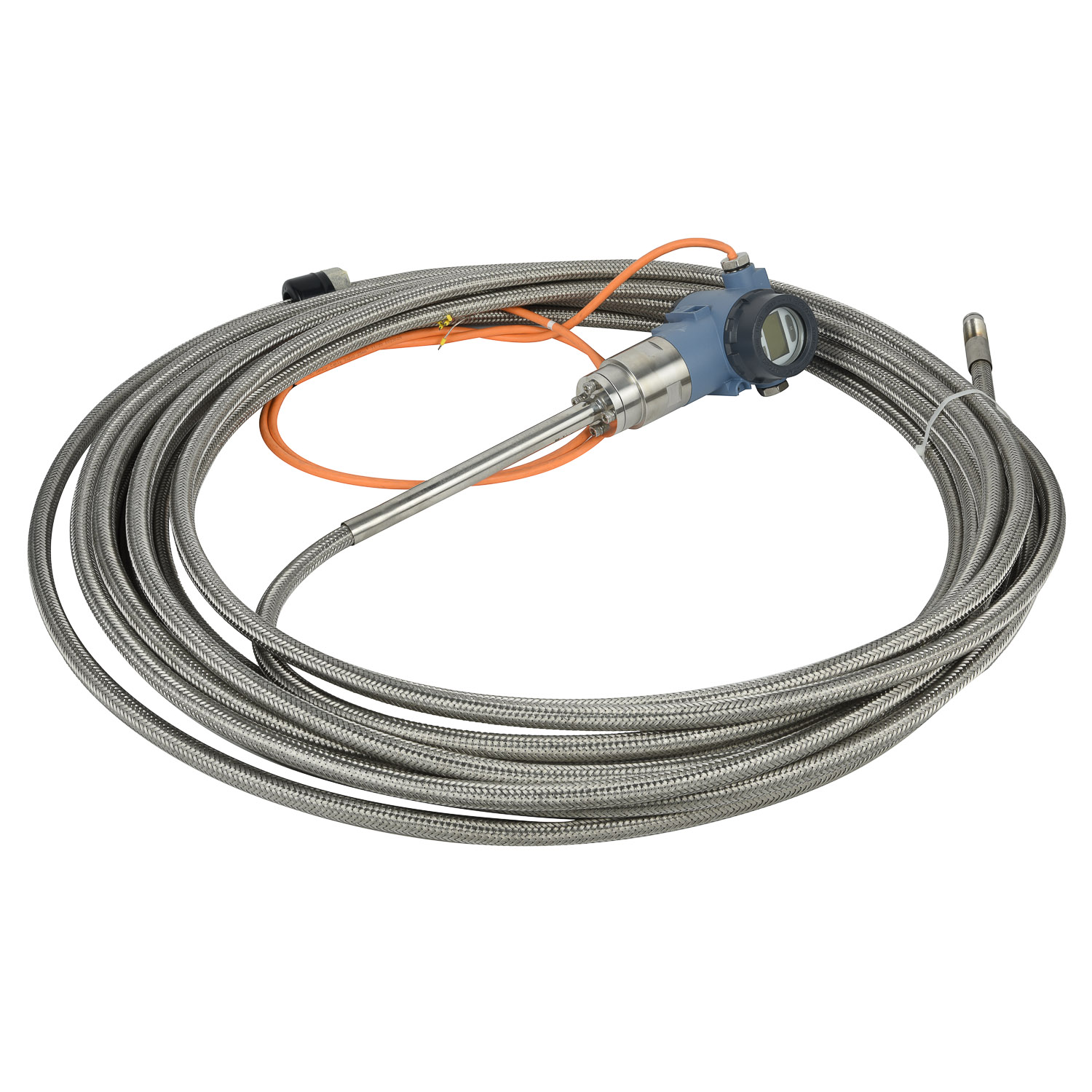
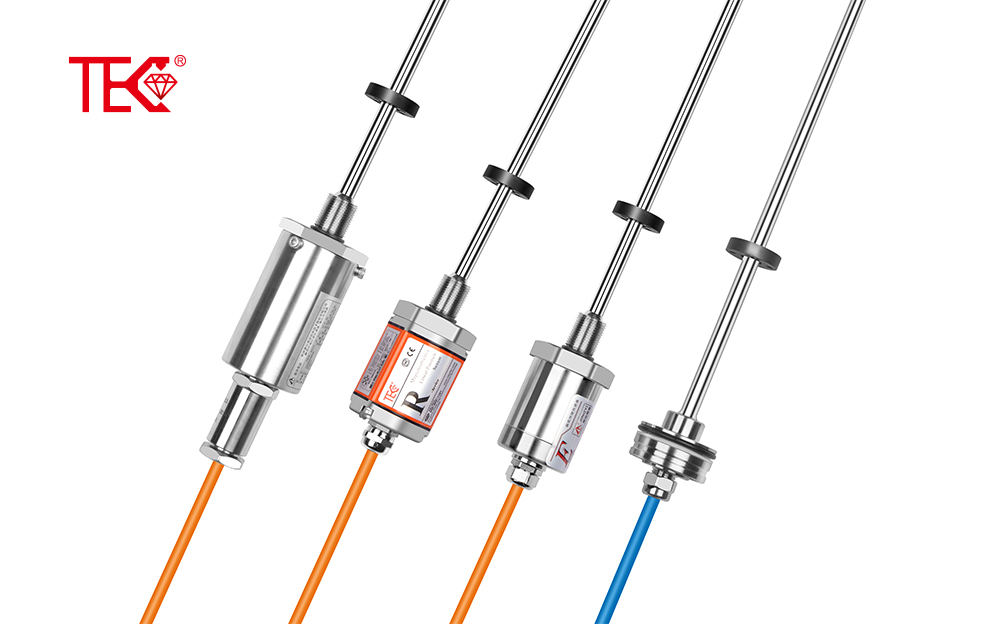
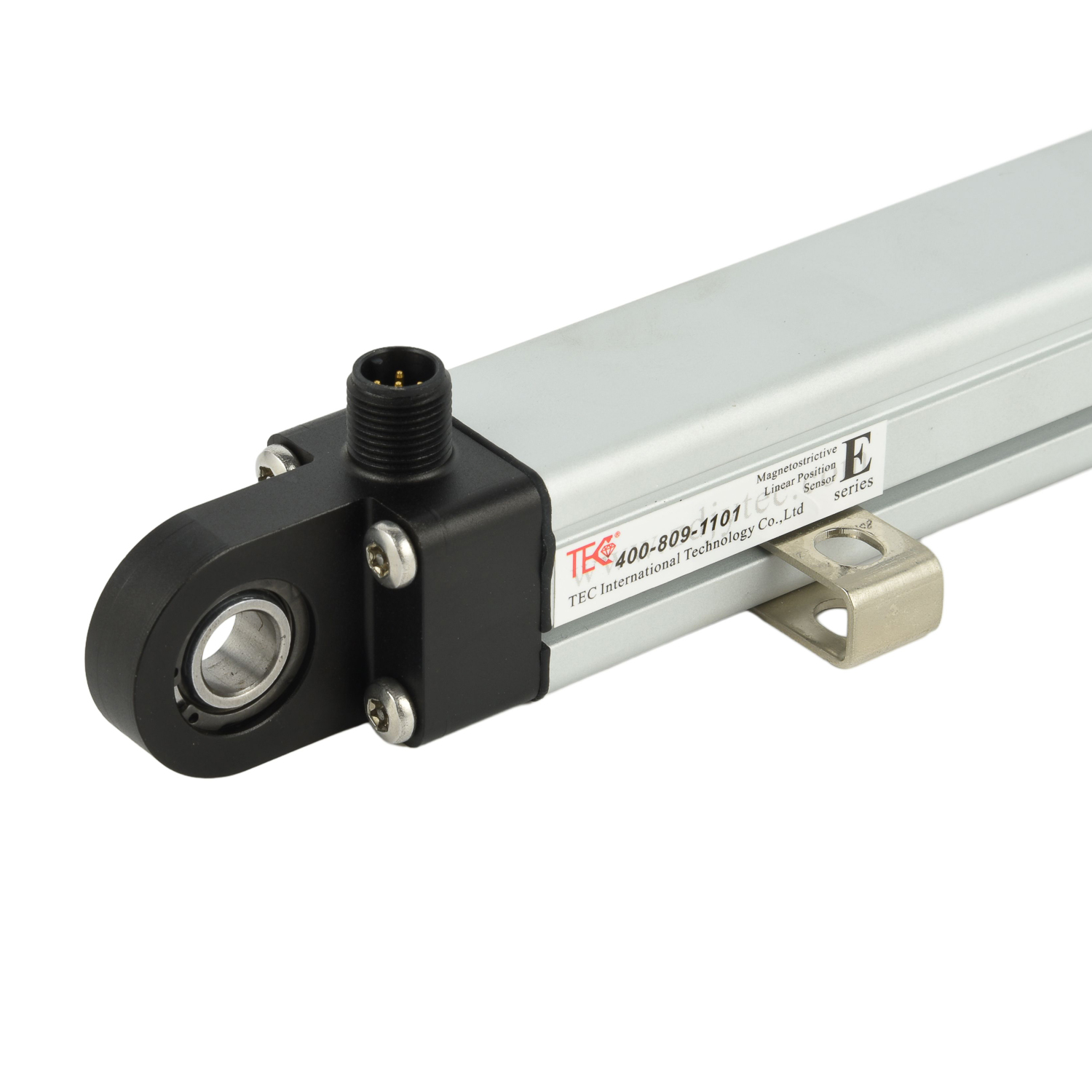
In sewage treatment plants, waterproof cranes and trolleys must combine reliable lifting with precise positioning under humidity, H2S, splashes, and corrosive vapors. Key technical parameters typically include protection class IP65 or IP66 for motors, brakes, control boxes, and encoders; insulation class F or H; and corrosion protection such as hot-dip galvanizing, epoxy coating, or stainless-steel hardware. Rated lifting capacity commonly ranges from 1 t to 20 t, with span, lifting height, and duty class selected for continuous wastewater service. Trolley and long-travel speeds are often 5–20 m/min with VFD control for soft start and stop. Positioning accuracy should be ±5 mm to ±20 mm, achieved by absolute encoders, laser distance sensors, or rail-mounted code plates. Limit switches, anti-collision sensors, overload protection, and anti-sway control are essential. Typical positioning repeatability is ±2 mm to ±10 mm; encoder resolution should suit the drive and control mode. Rail alignment, wheelbase, and track tolerance directly affect trolley positioning and must be checked during installation. Operating temperature may range from −10 °C to +50 °C, with humidity up to 95% non-condensing. The control system should support manual, remote, and semi-automatic modes, with IP-rated cabinets and sealed cable entries. Certified components and calibration improve reliability. Regular inspection of seals, brakes, and grounding ensures safe, accurate operation in harsh sewage treatment environments.
 Crane Waterproof Crane and Tro
 Overhead Crane High-pressure C
 Stacker-reclaimer High-tempera
 Bucket Wheel Stacker-reclaimer