
Mining High-temperature Crane and Trolley Positioning Selection
Selecting a positioning system for high-temperature cranes and trolleys in mining operations requires more than accuracy. The system must survive heat, dust, vibration, shock, and continuous duty while supporting safe, repeatable material handling. For mining smelting and heavy-duty workshops, engineers should first define process temperature, radiant heat exposure, travel speed, positioning tolerance, and cycle frequency. These parameters determine whether absolute or incremental positioning is suitable and whether sensing devices need cooling, insulation, or remote mounting.
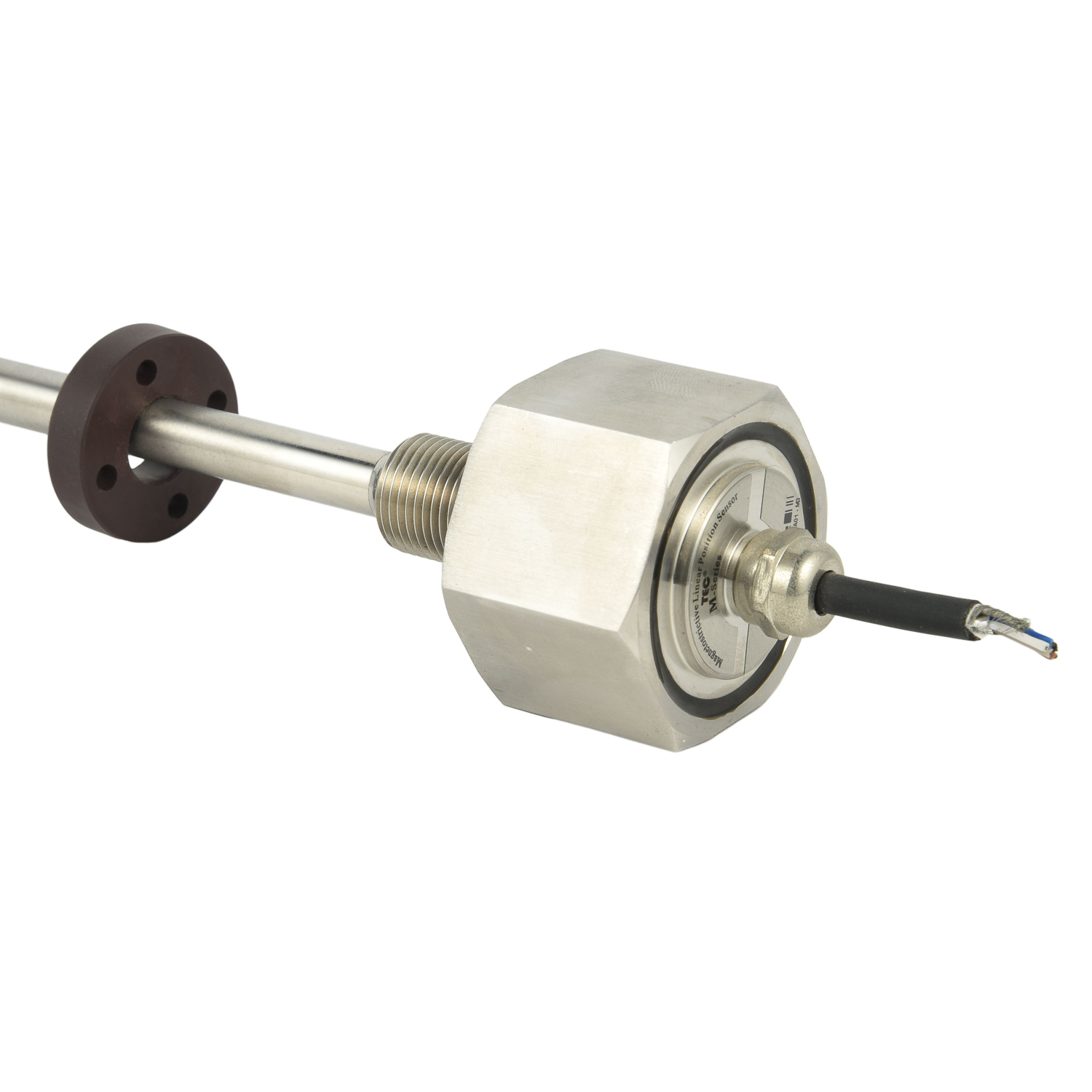
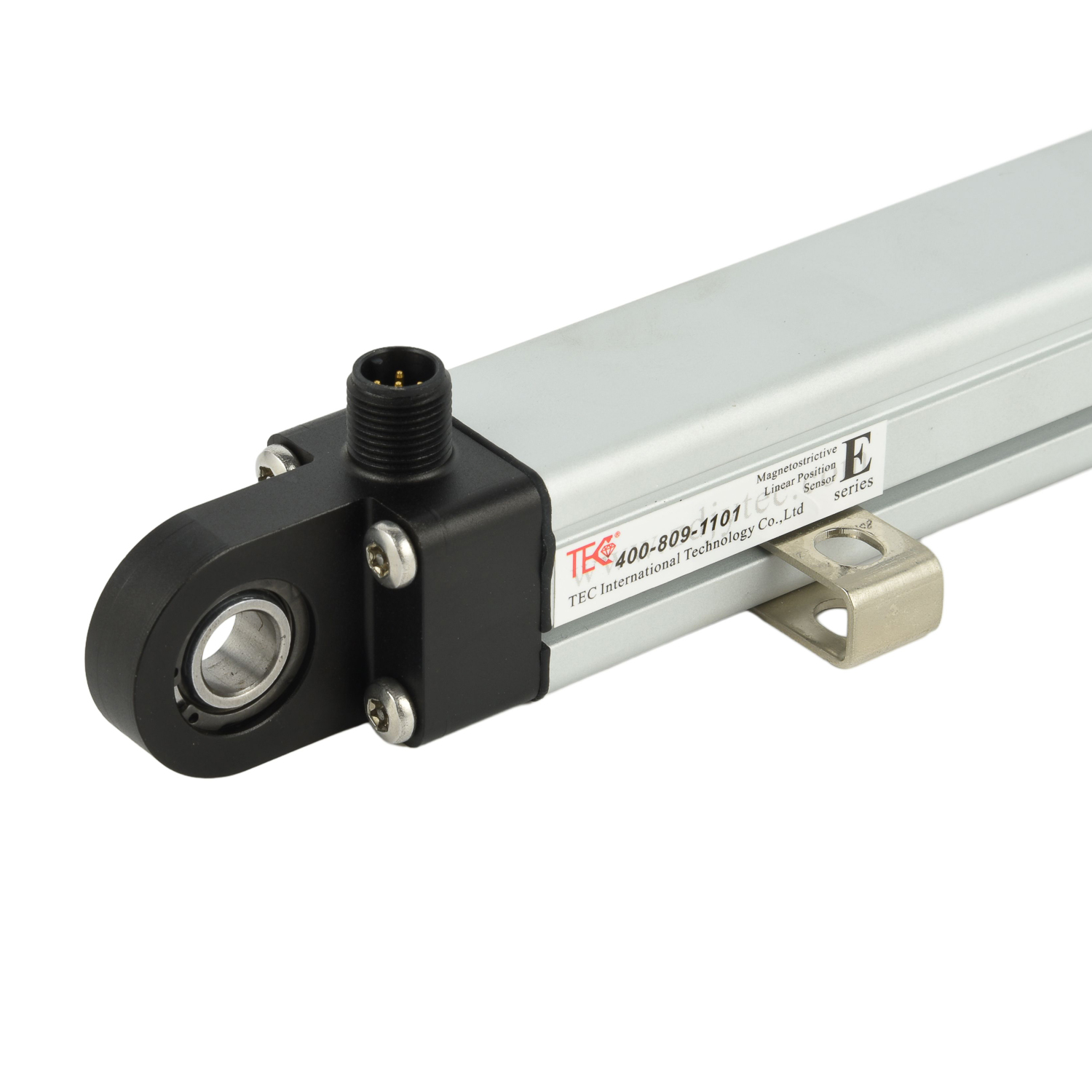
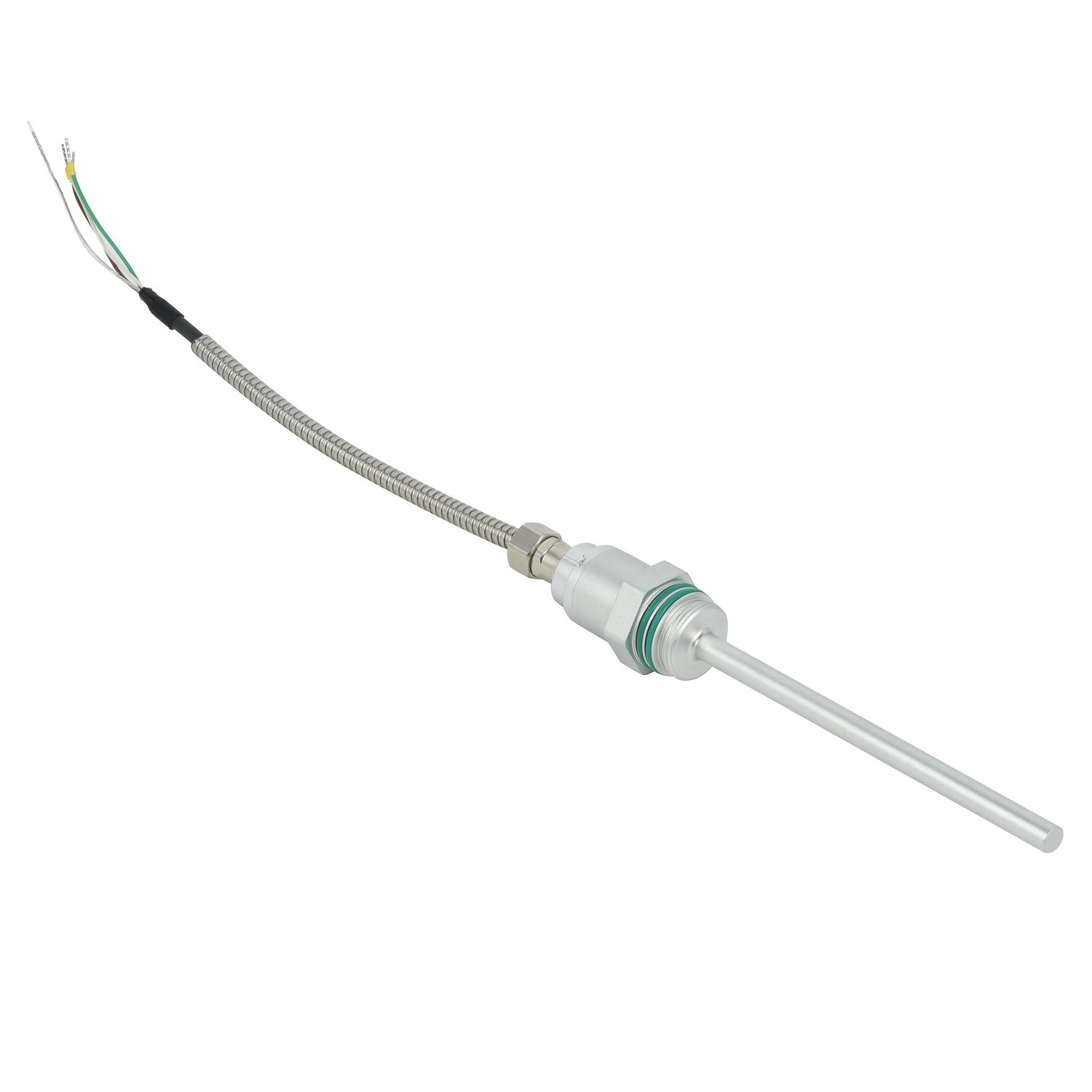
Laser distance measurement offers high accuracy and easy installation for long travel, but optical surfaces require protection from dust and heat. Magnetic tape and linear encoders provide robust closed-loop feedback and are often preferred for trolley and bridge positioning where repeatability matters. RFID and coded rail systems are useful for zone identification and coarse positioning, while encoders on wheels or motors can drift under slip and should be verified. For extreme heat, choose high-temperature-rated sensors, heat shields, air purging, and redundant limit switches. The control system should combine absolute reference points with real-time feedback, plus anti-collision and overload interlocks.
Selection should balance accuracy, reliability, maintenance access, and lifecycle cost. Prefer modular components, IP-rated enclosures, shielded cables, and diagnostic outputs. Validation should include thermal cycling, dust exposure, vibration tests, and emergency-stop response. A well-matched crane and trolley positioning scheme improves safety, reduces downtime, and supports automated mining logistics in high-temperature environments.
 Crane Waterproof Crane and Tro
 Overhead Crane High-pressure C
 Stacker-reclaimer High-tempera
 Bucket Wheel Stacker-reclaimer