
Mixing Station Silo Corrosion-resistant Crane and Trolley Positioning Selection
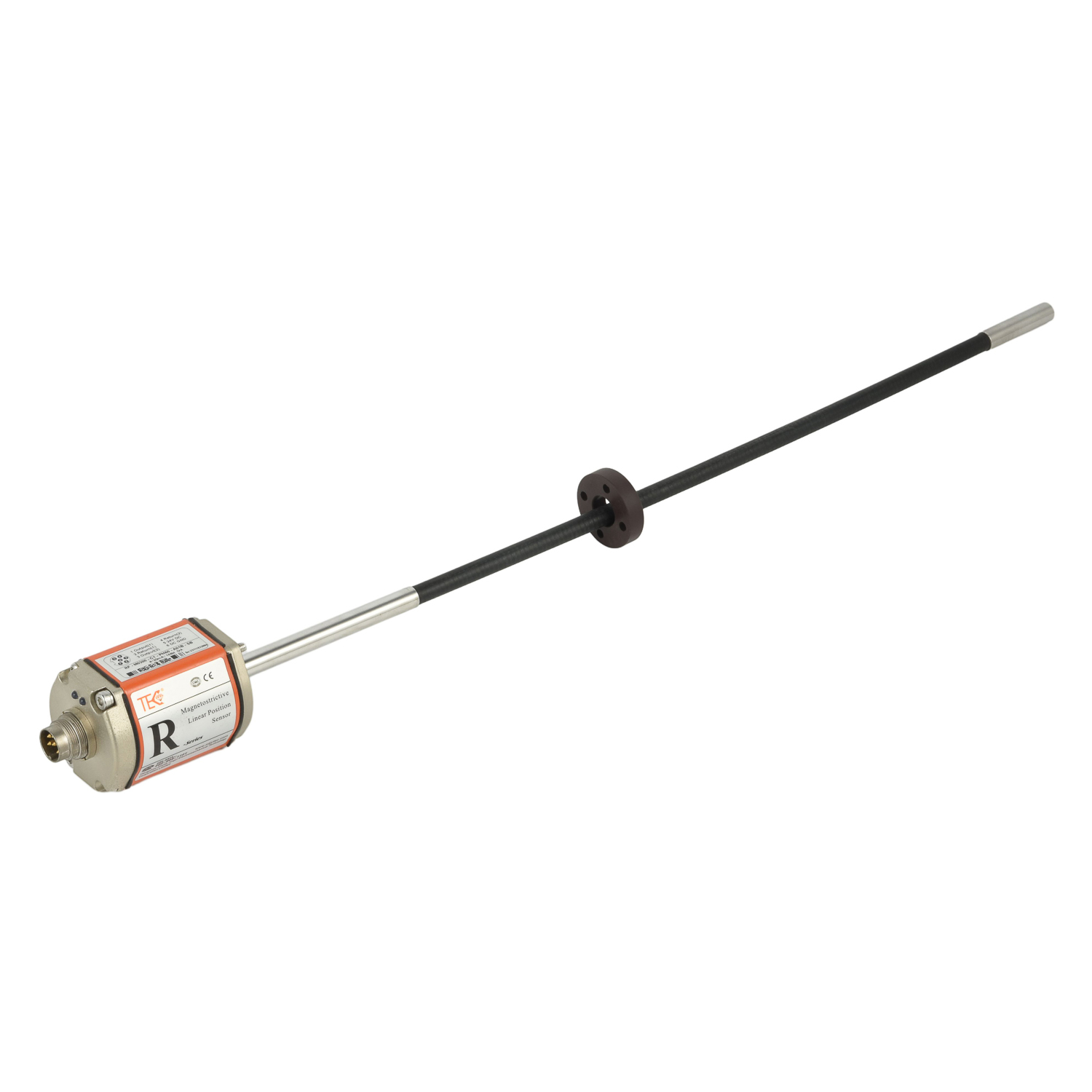
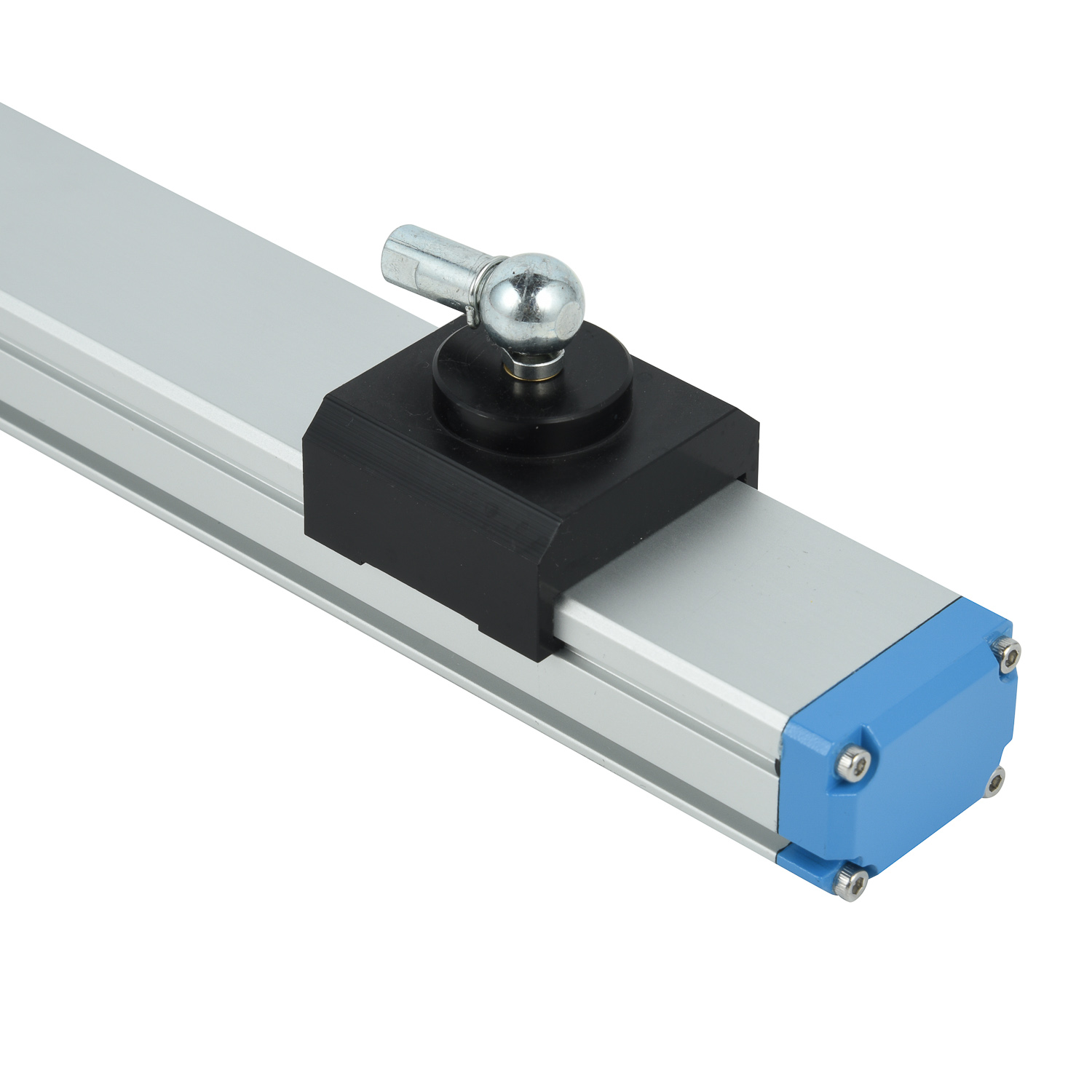
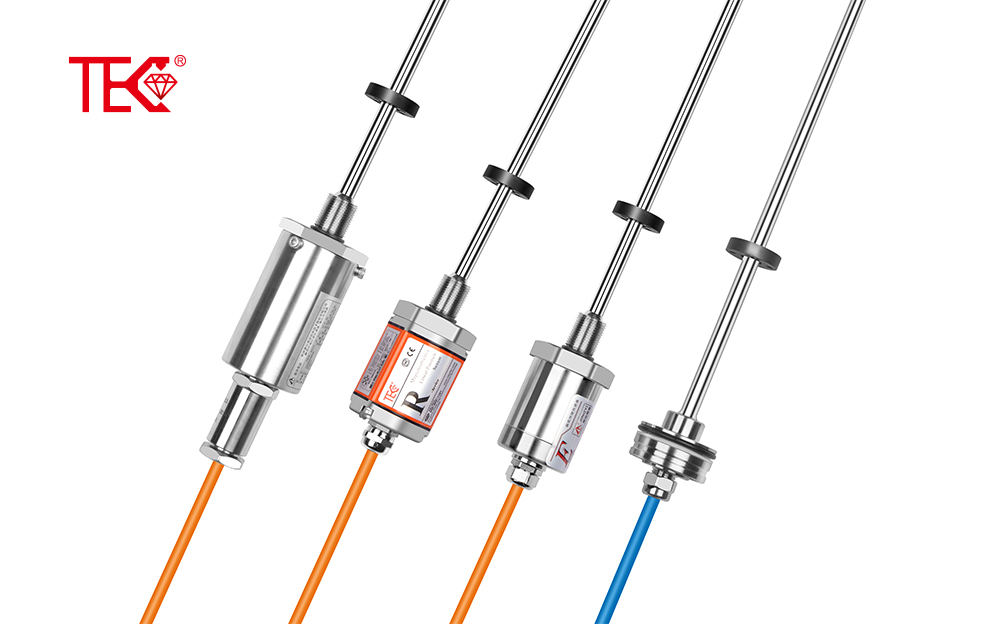
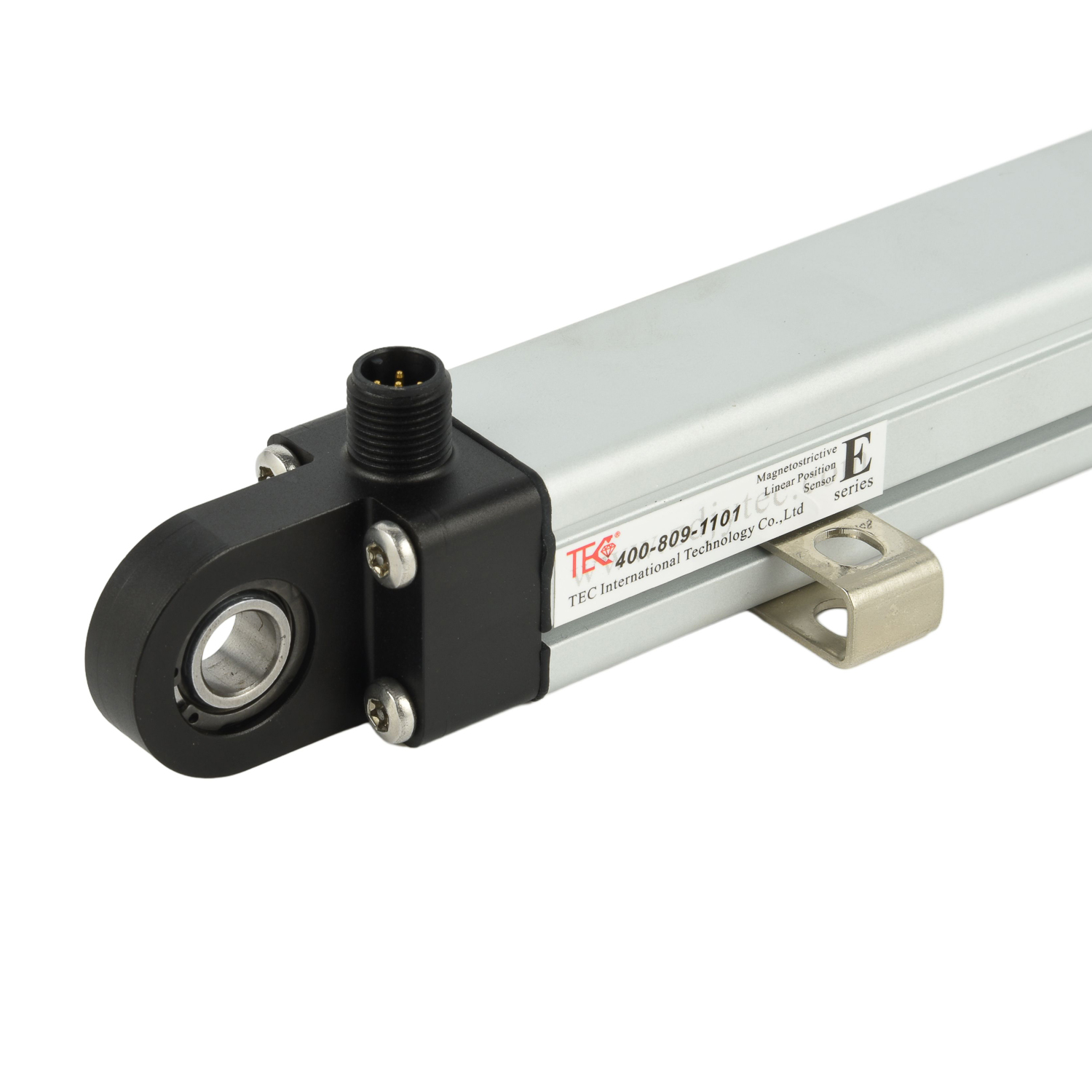
In mixing stations, silos are exposed to moisture, dust, aggressive vapors, and frequent cleaning chemicals. Choosing a corrosion-resistant crane and a dependable trolley positioning system is essential for safe, continuous operation. Start by defining the actual environment: humidity levels, chemical concentration, salt exposure, temperature swings, and washdown routines. For crane structures, hot-dip galvanized steel with epoxy or polyurethane coating is cost-effective, while stainless steel 304 or 316 is better for severe corrosion. Specify sealed bearings, stainless fasteners, drainage-friendly profiles, and IP65 or IP67 motors, brakes, and sensors. For trolley positioning, compare encoder-based rail measurement, laser distance sensors, ultrasonic sensors, and RFID zone tags. Encoder and laser systems offer high accuracy; use air purging or protective housings in dusty silos. RFID is robust for coarse zone confirmation but less suitable for fine control. Ultrasonic sensors may suit medium accuracy but require temperature compensation and clean faces. Avoid open potentiometers and unprotected limit switches. Add redundant limit switches, buffer stops, anti-sway control, and emergency-stop logic. Check positioning repeatability, response time, and integration protocol before purchase. Ensure easy maintenance access and modular parts to reduce downtime. Document inspection intervals and spare-part standards. Use corrosion-monitoring checks and keep critical spare sensors on site. Finally, connect positioning data to the plant control system for automatic silo switching and inventory tracking. Correct selection reduces corrosion risk, improves trolley accuracy, and extends crane service life.
 Bridge Crane Corrosion-resista
 Crane Waterproof Crane and Tro
 Overhead Crane High-pressure C
 Stacker-reclaimer High-tempera