
Cement Stacker-reclaimer Explosion-proof Crane and Trolley Positioning Price
Price evaluation for a cement stacker-reclaimer explosion-proof crane and trolley positioning system must cover the complete material-handling duty, not just the crane frame. Cement plants often present abrasive dust, high temperature, and classified gas or dust zones, so explosion-proof motors, flameproof control cabinets, spark-resistant brakes, heavy-duty seals, and reliable grounding are essential. These safety and certification features raise engineering, inspection, and documentation costs. Trolley positioning strongly affects the quotation. Basic encoder positioning is economical, while laser distance measurement, absolute encoders, PLC/HMI integration, anti-sway control, and automatic stacking/reclaiming logic increase the initial price but reduce operator risk and improve repeatability. Capacity, span, lifting height, travel speed, duty class, rail length, and control mode are core cost factors. A 10-30 ton explosion-proof crane with standard positioning may sit in a mid-range budget; high-capacity units with redundant safety, remote diagnostics, and full automation can reach a premium range. Buyers should compare breakdowns for mechanical structure, explosion-proof electricals, positioning hardware, software, installation, commissioning, spare parts, training, and after-sales service. To obtain an accurate cement stacker-reclaimer crane and trolley positioning price, provide the site Ex classification, required positioning tolerance, duty cycle, control interface, and maintenance plan. A qualified supplier should verify Ex ratings, load conditions, spare-part availability, and long-term service support before issuing a final offer.

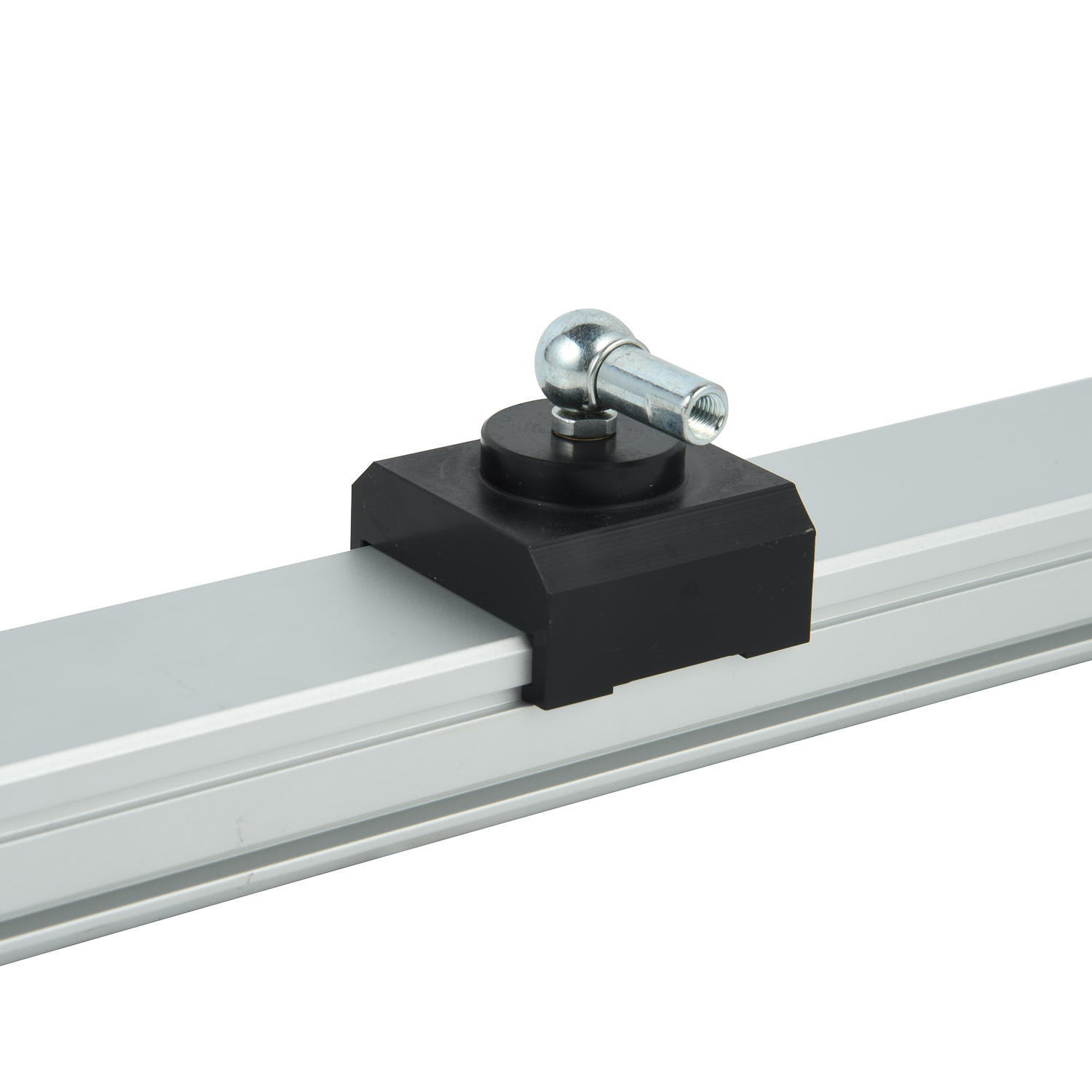 Gate Intrinsically Safe Explos
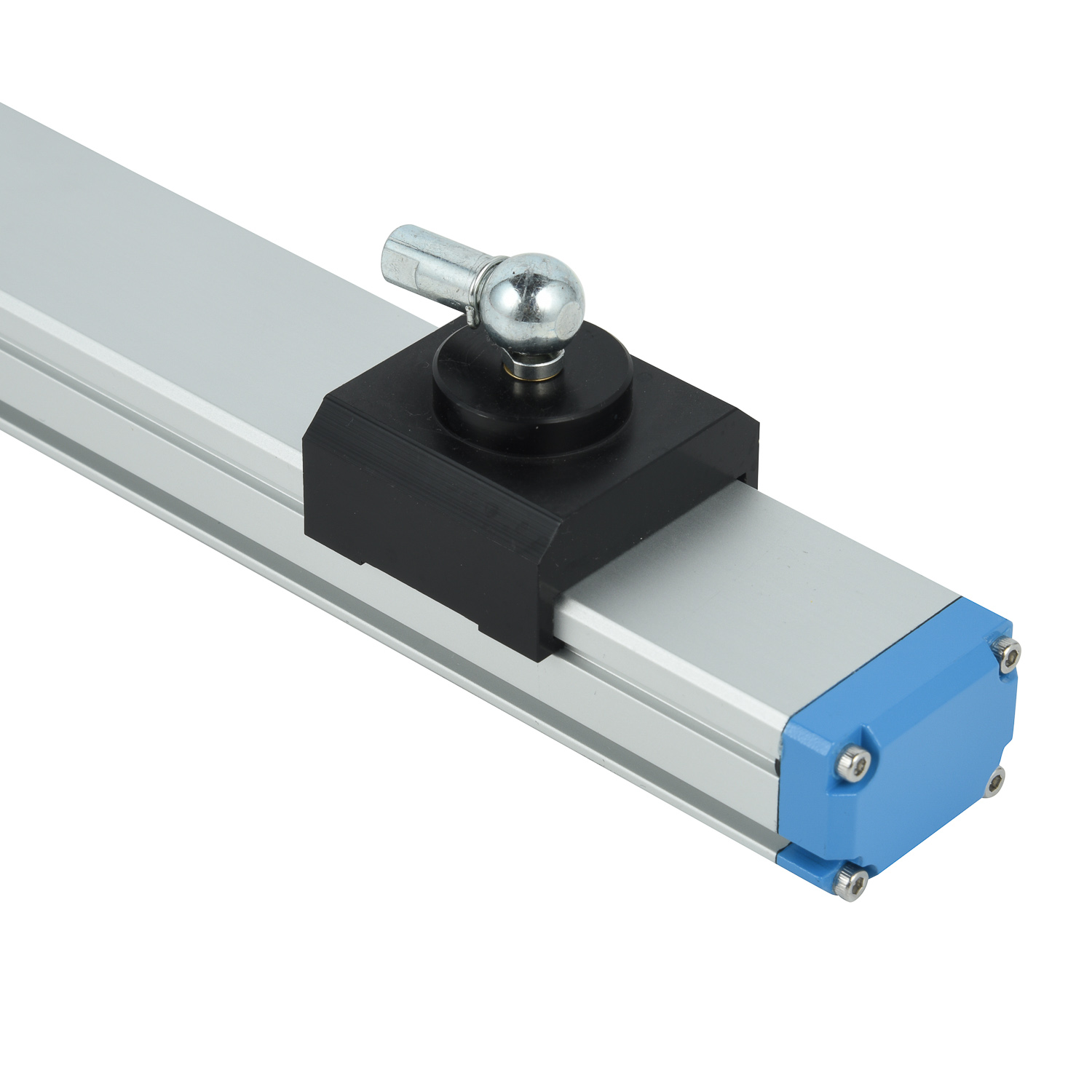 Bridge Crane Corrosion-resista
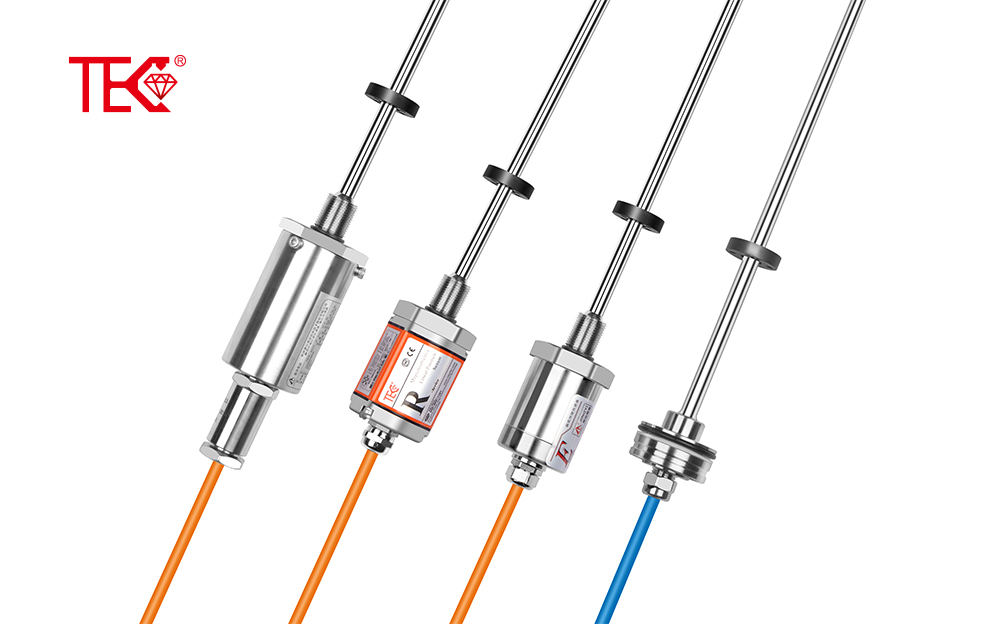 Crane Waterproof Crane and Tro
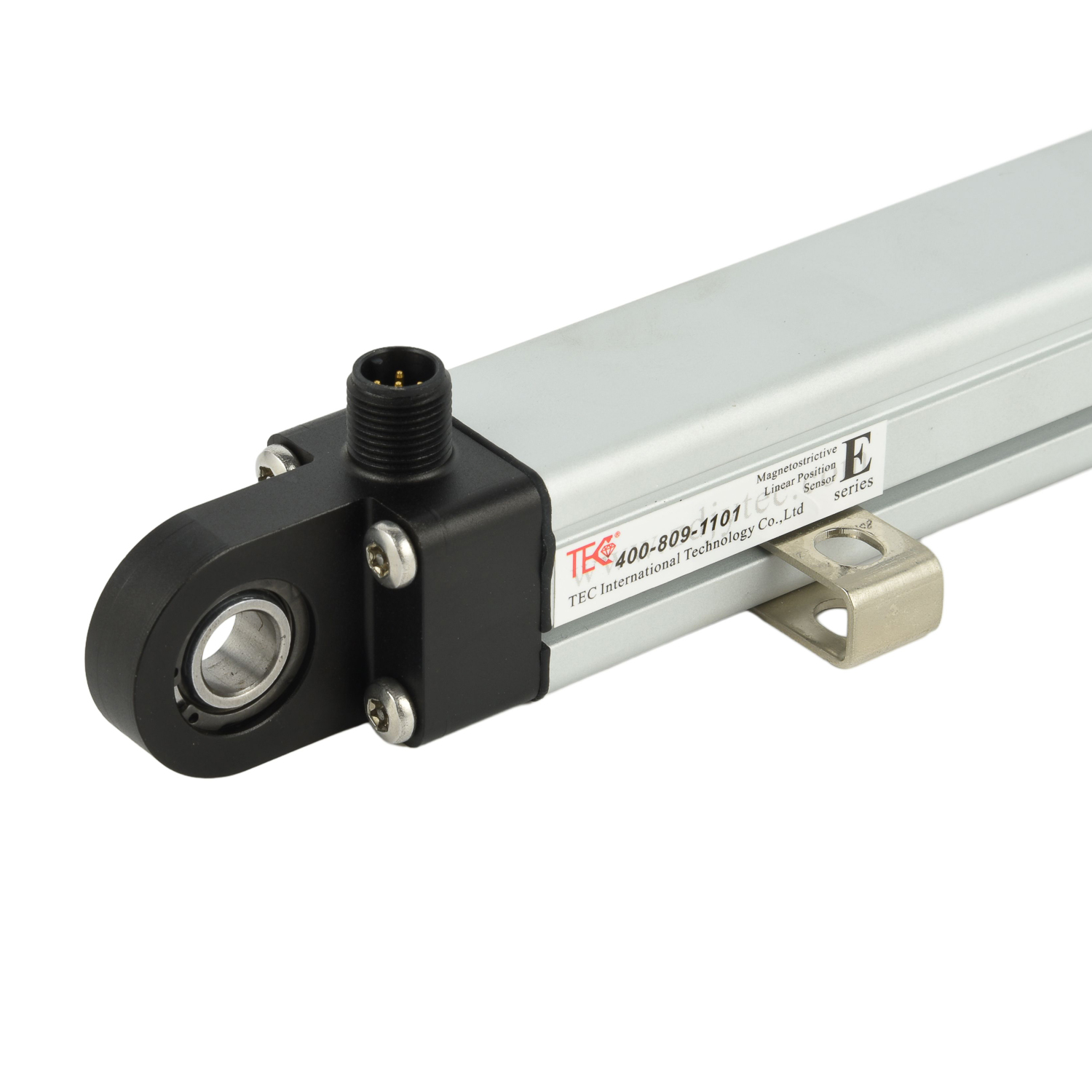 Overhead Crane High-pressure C