
Mining Bucket Wheel Stacker-reclaimer Crane and Trolley Positioning Technical Parameters
Reliable positioning is essential for safe and efficient operation of a bucket wheel stacker-reclaimer. The crane positioning system usually combines absolute encoders, laser distance sensors, and PLC logic to monitor boom luffing, slewing, and trolley travel. Key technical parameters include trolley stroke of 10-60 m, travel speed of 0-30 m/min, positioning accuracy of +/-5 mm, repeatability of +/-2 mm, and encoder resolution of 1 mm or better. The crane control cabinet should support 24 V DC I/O, PROFINET or Modbus TCP communication, IP55 protection, and redundant limit switches. Anti-collision and interlock signals must respond within 100 ms. For stockpile operations, the trolley position is linked to belt conveyor discharge points and automatic stacking/reclaiming profiles. A typical HMI displays real-time coordinates, fault alarms, maintenance counters, and calibration status. Optional features include dual laser references, encoder redundancy, wireless remote diagnostics, and automatic calibration after rail clamp release. The system should tolerate wind speeds up to 20 m/s during travel, with emergency braking and hard limits independent of the PLC. Typical operating voltage is 380-480 V, 50/60 Hz; ambient temperature is -20 to +50 C; humidity up to 95%. The positioning data can be integrated with stockyard management software for automated material tracking and reporting. Regular calibration against laser references keeps positioning drift below 10 mm. These parameters help engineers specify robust, maintainable systems for bulk material handling terminals.
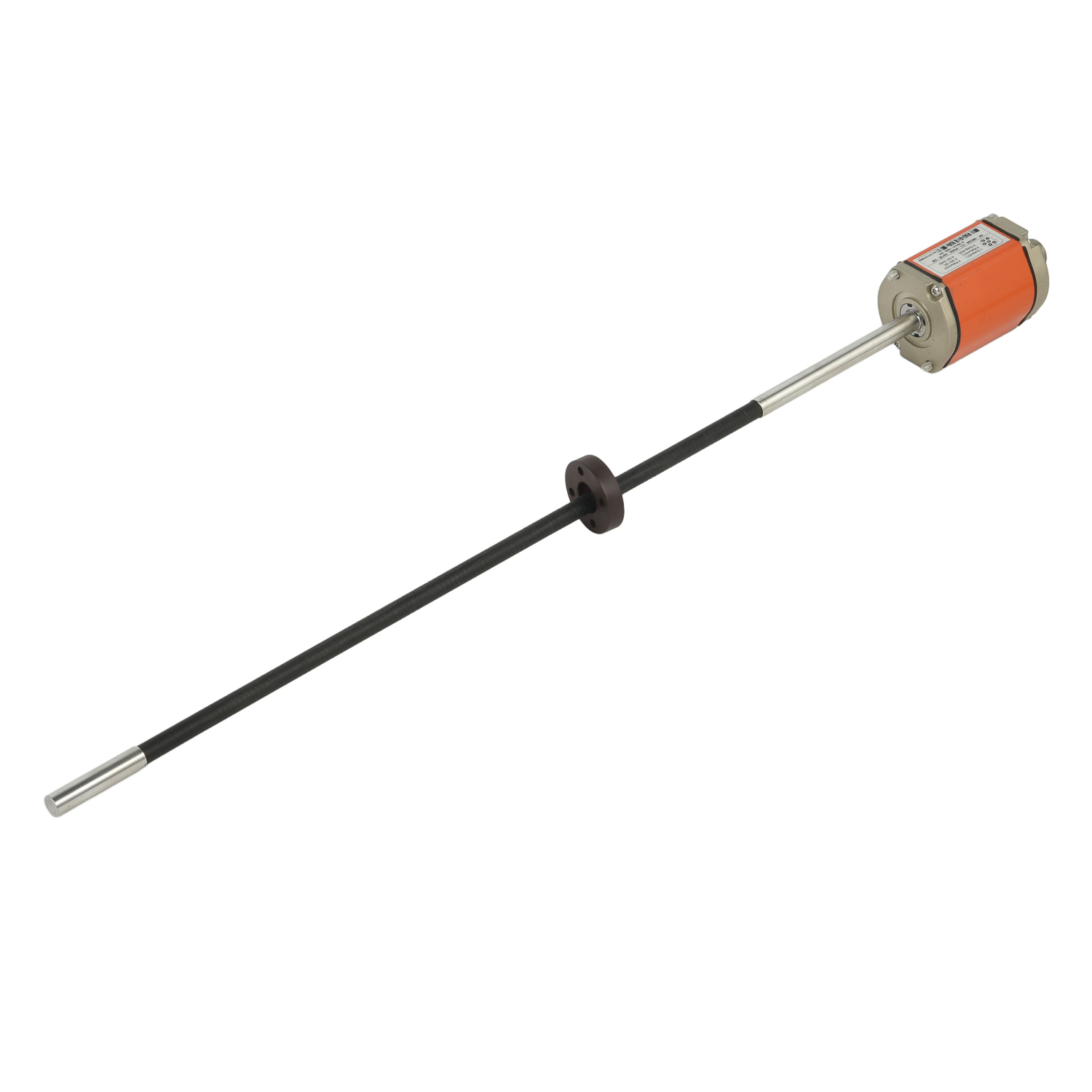 Mining Bucket Wheel Stacker-re
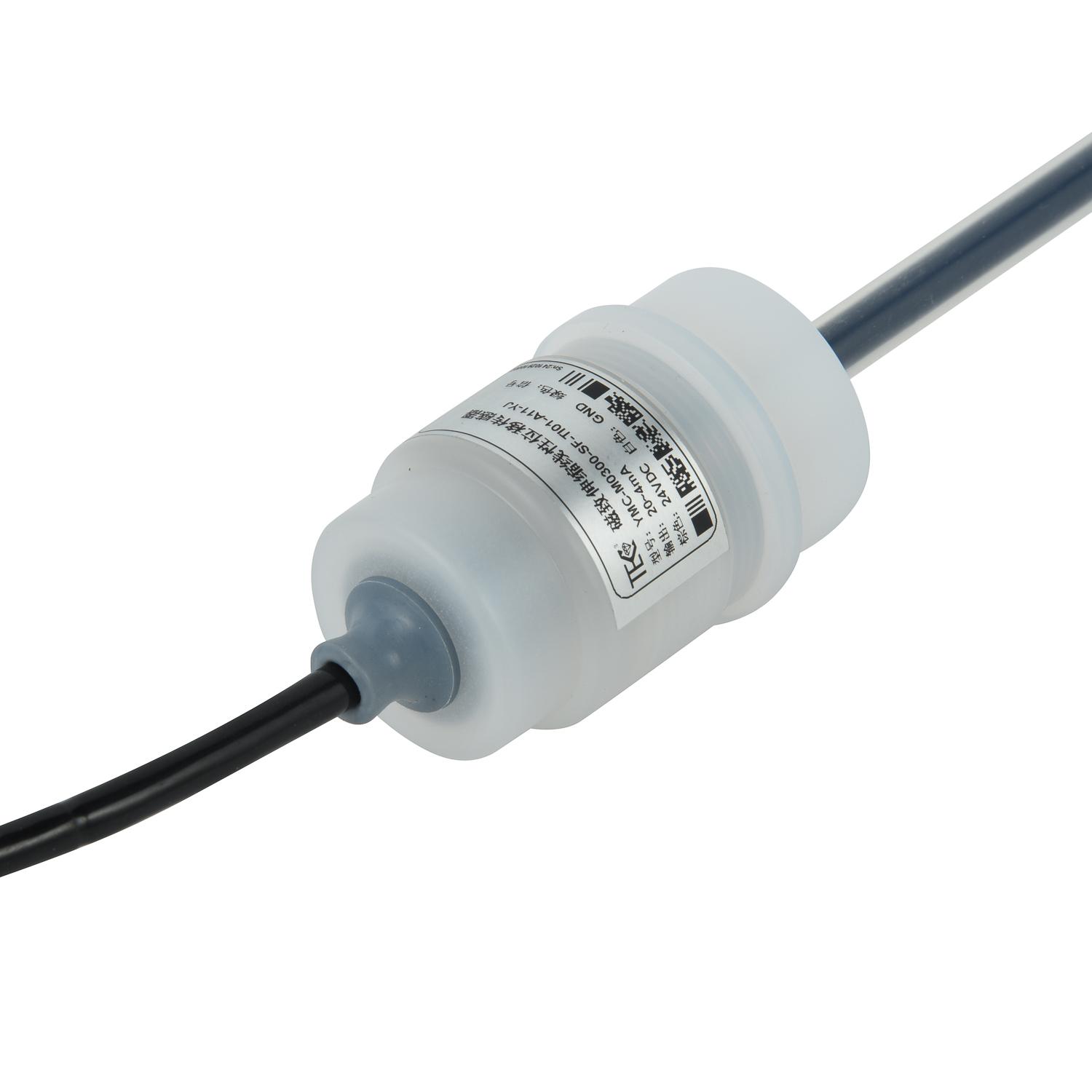 Metallurgy Overhead Crane Cran
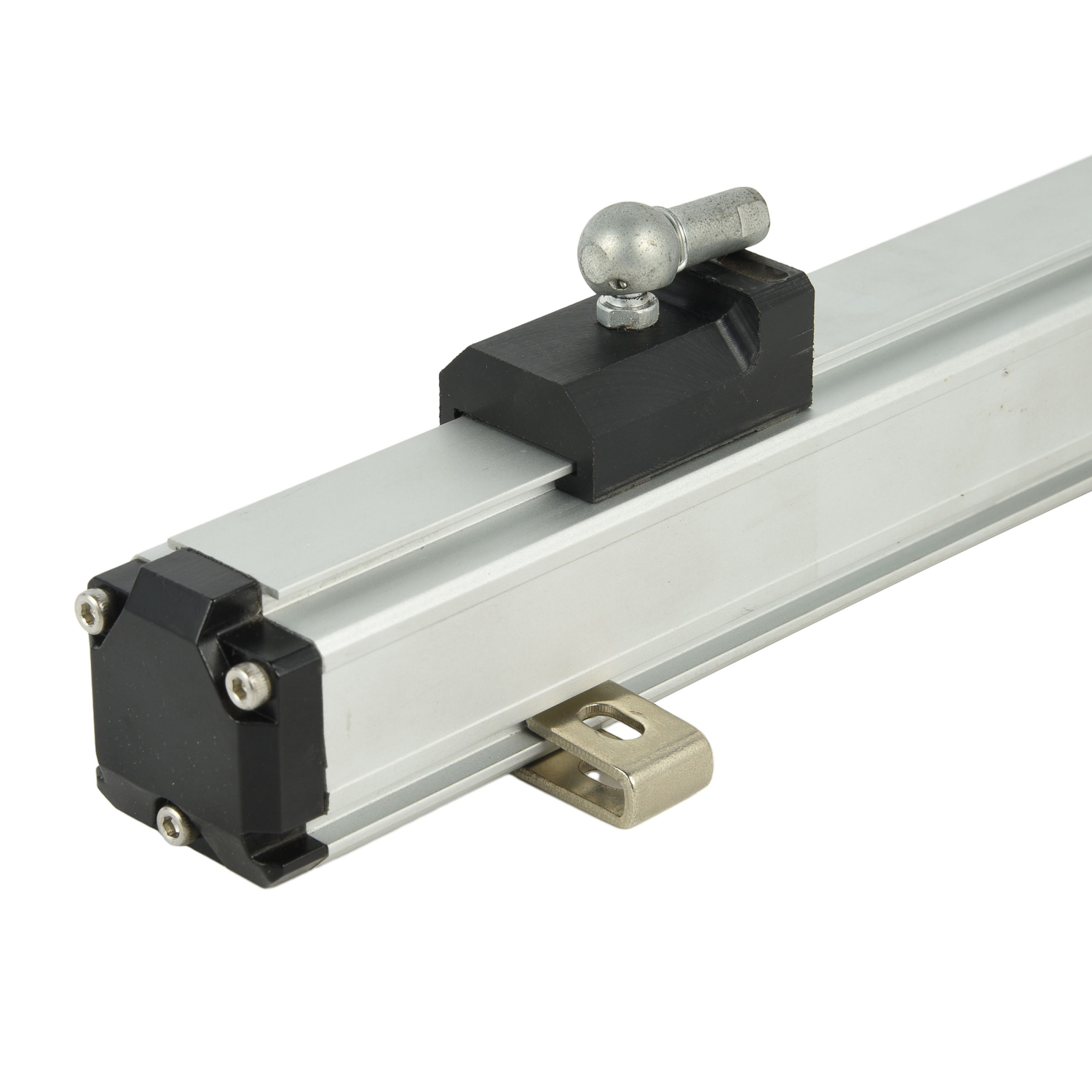 Grain and Oil Storage Tank Hig
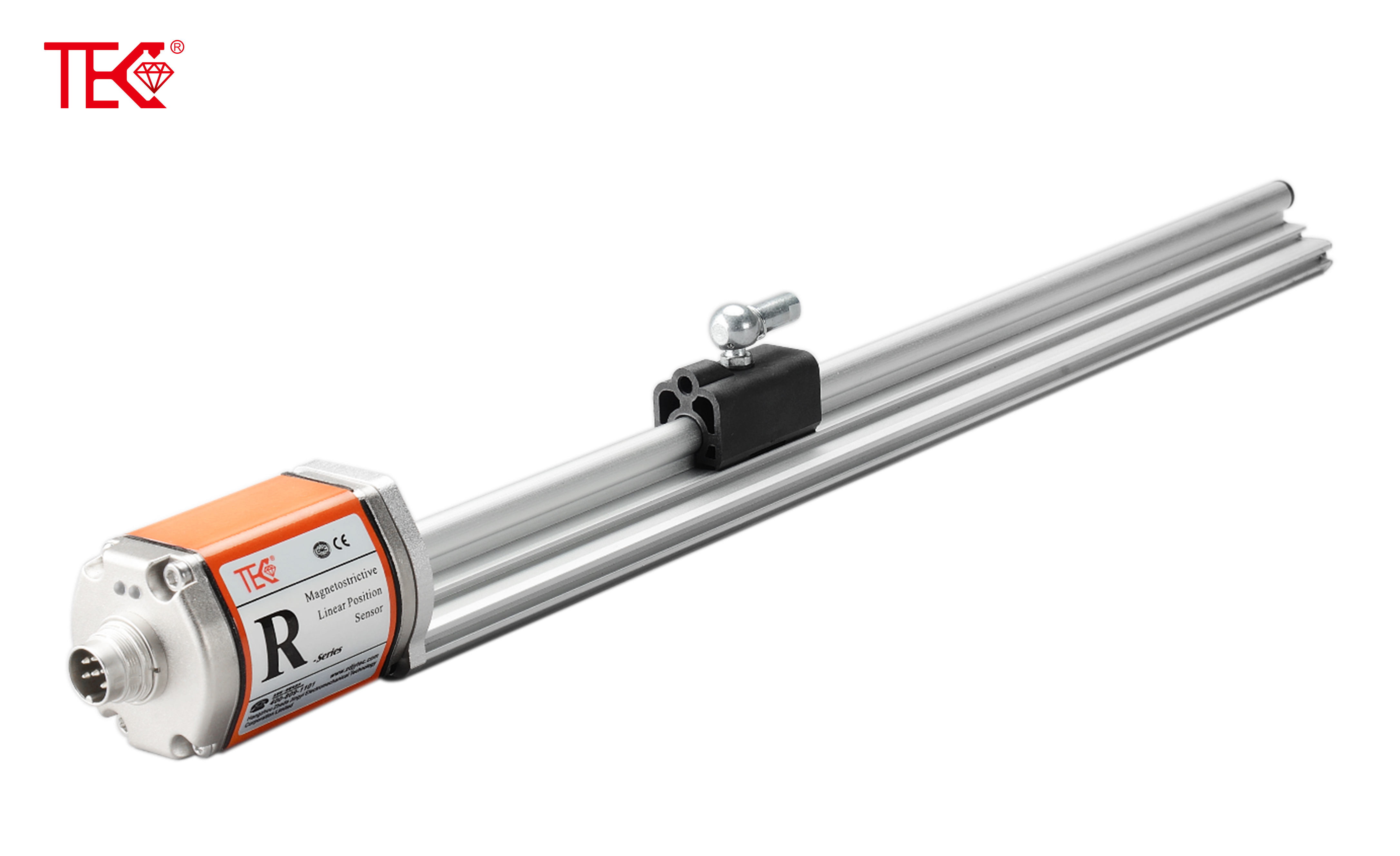 Mixing Station Silo Explosion-