
Construction Machinery Crane Long-distance Positioning System Fault
Long-distance positioning systems on construction cranes use GNSS, total stations, angle sensors, wireless links, and control software. A fault may cause wrong coordinates, target-lock loss, drift, or an emergency stop. Quick diagnosis protects lifting accuracy, load stability, and site safety.
Common causes include blocked satellite signals, dirty targets, damaged cables, loose connectors, voltage drops, radio interference, vibration, dust, and outdated firmware. Sometimes the fault is a coordination problem between the positioning module and crane control system.
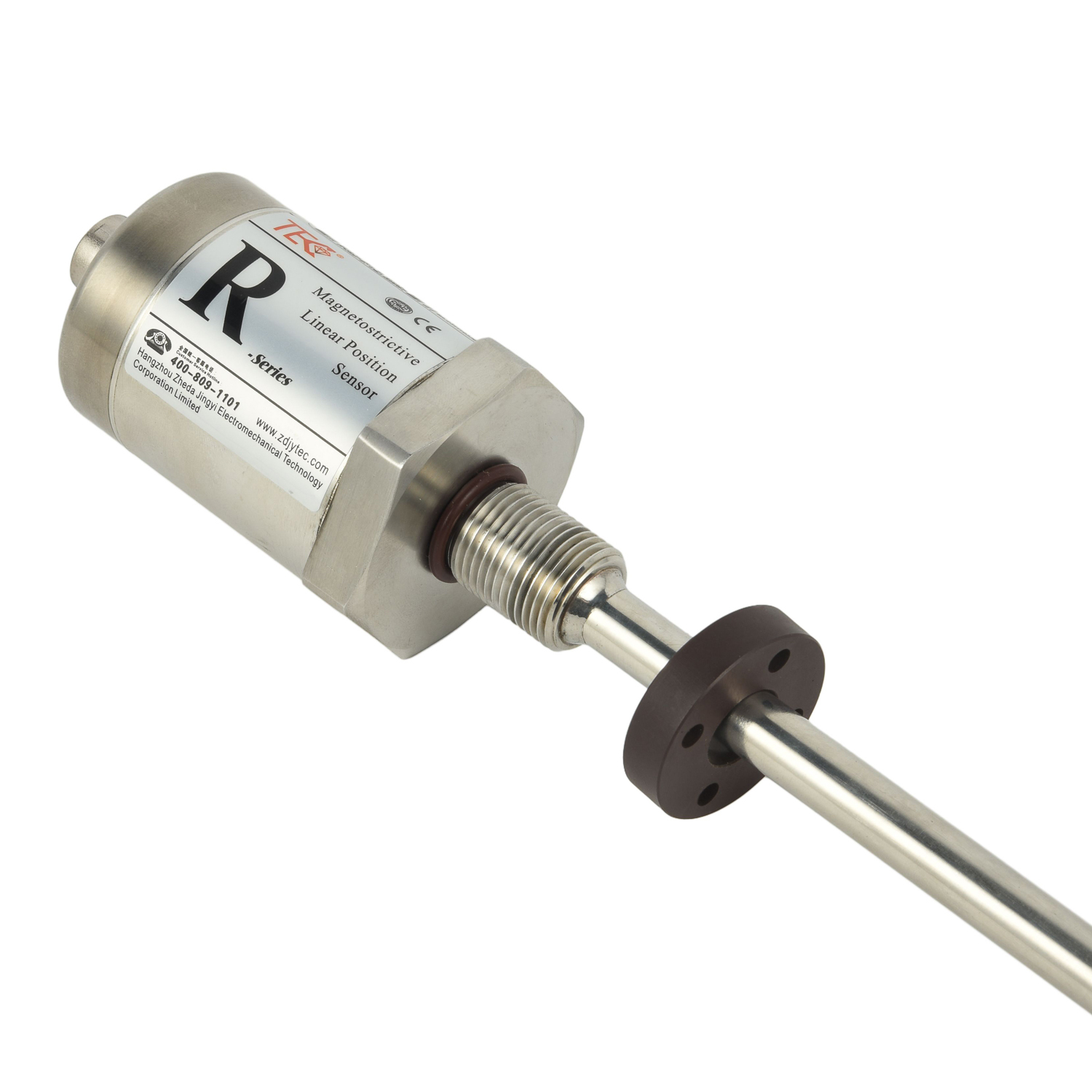
Troubleshoot in order: record the alarm and operating conditions; check power and grounding; inspect antennas and targets; test base-station communication; compare data with a known reference; review calibration logs for drift.
Because cranes work in dust, rain, and vibration, connectors and optical targets often fail first. Intermittent faults may appear only when the boom moves, so record the fault during real lifting cycles and inspect cable flex points. Use shielded cables, stable power, and correct grounding.
Repairs include cleaning optics, replacing cables, tightening connectors, recalibrating sensors, and updating software. After service, run static and dynamic accuracy tests and document results. Daily inspections, periodic calibration, waterproofing checks, and spare-part planning reduce downtime. Operators need fault-reporting and safe-shutdown training. Reliable positioning protects efficiency and lifting safety.
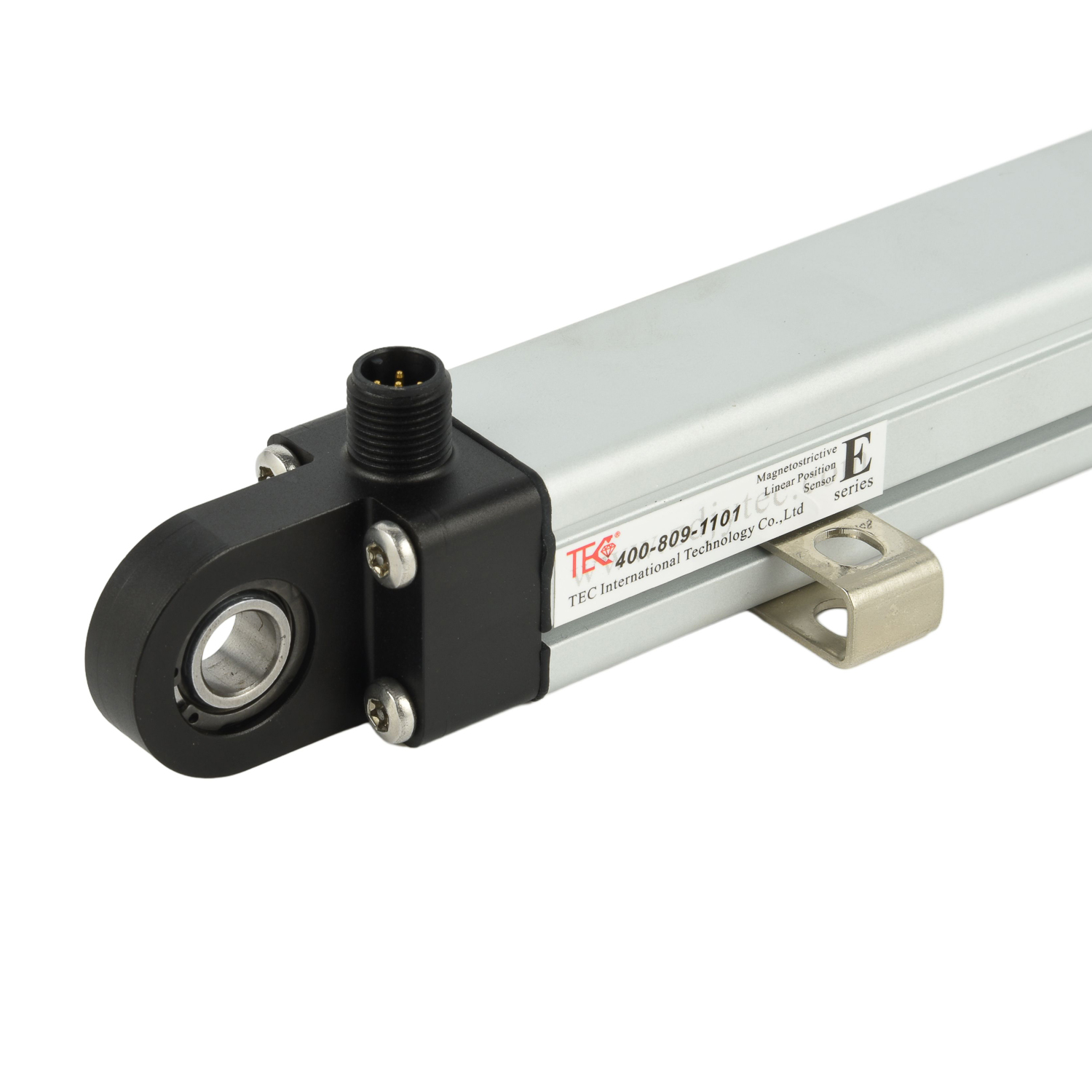 Overhead Crane High-pressure C
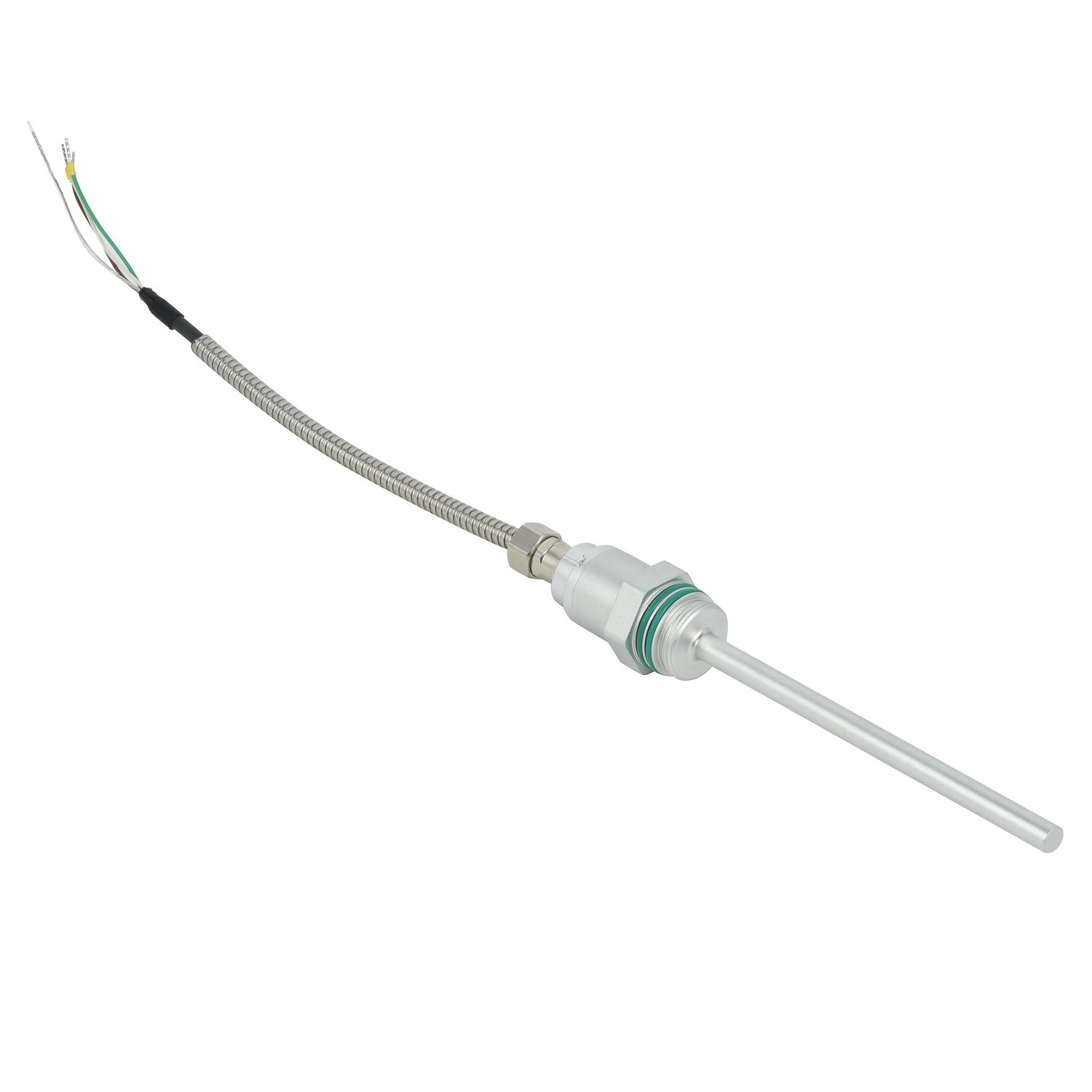 Stacker-reclaimer High-tempera
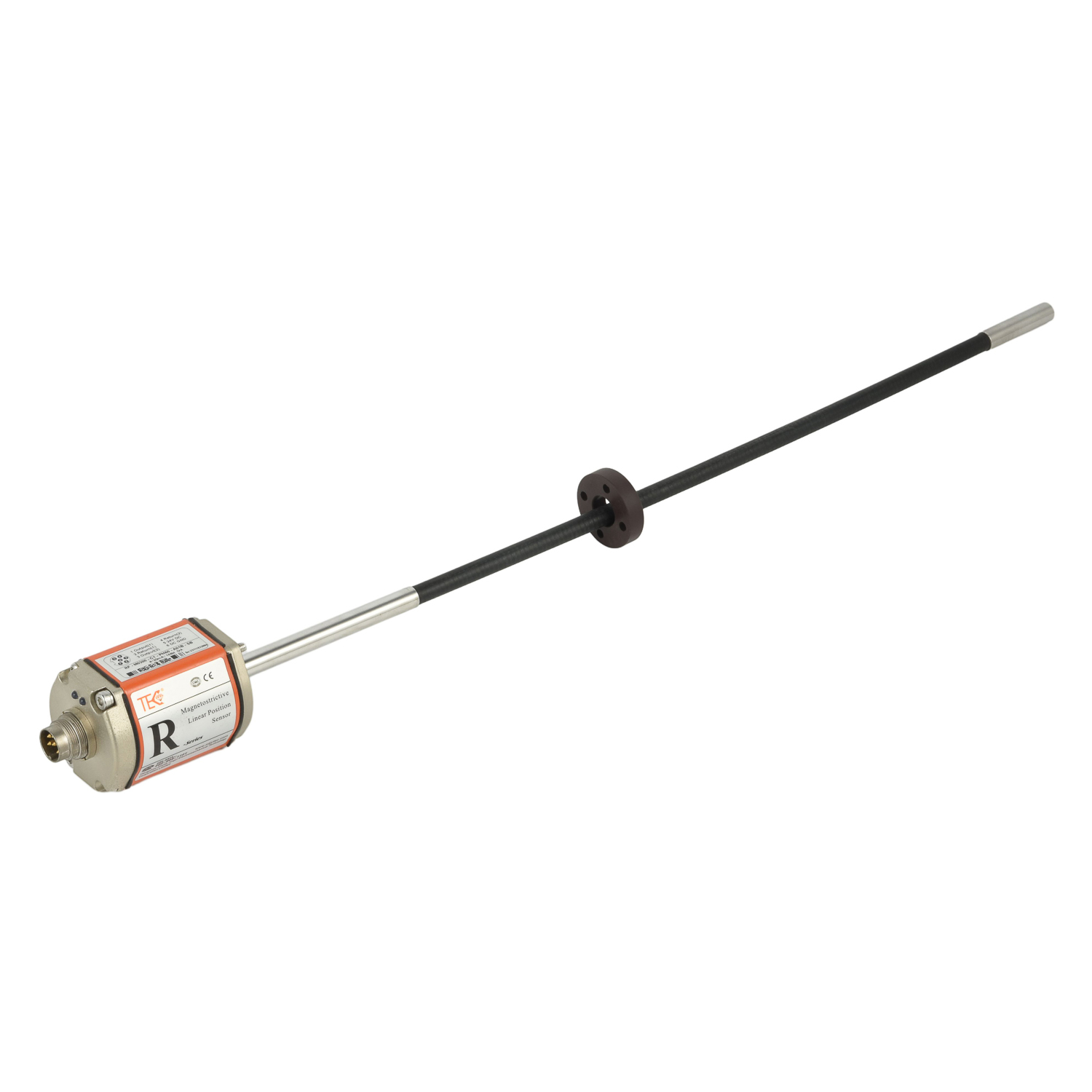 Bucket Wheel Stacker-reclaimer
 Mixing Station Explosion-proof