
Injection Molding Die Casting Die Casting Machine Long-distance Positioning System Price
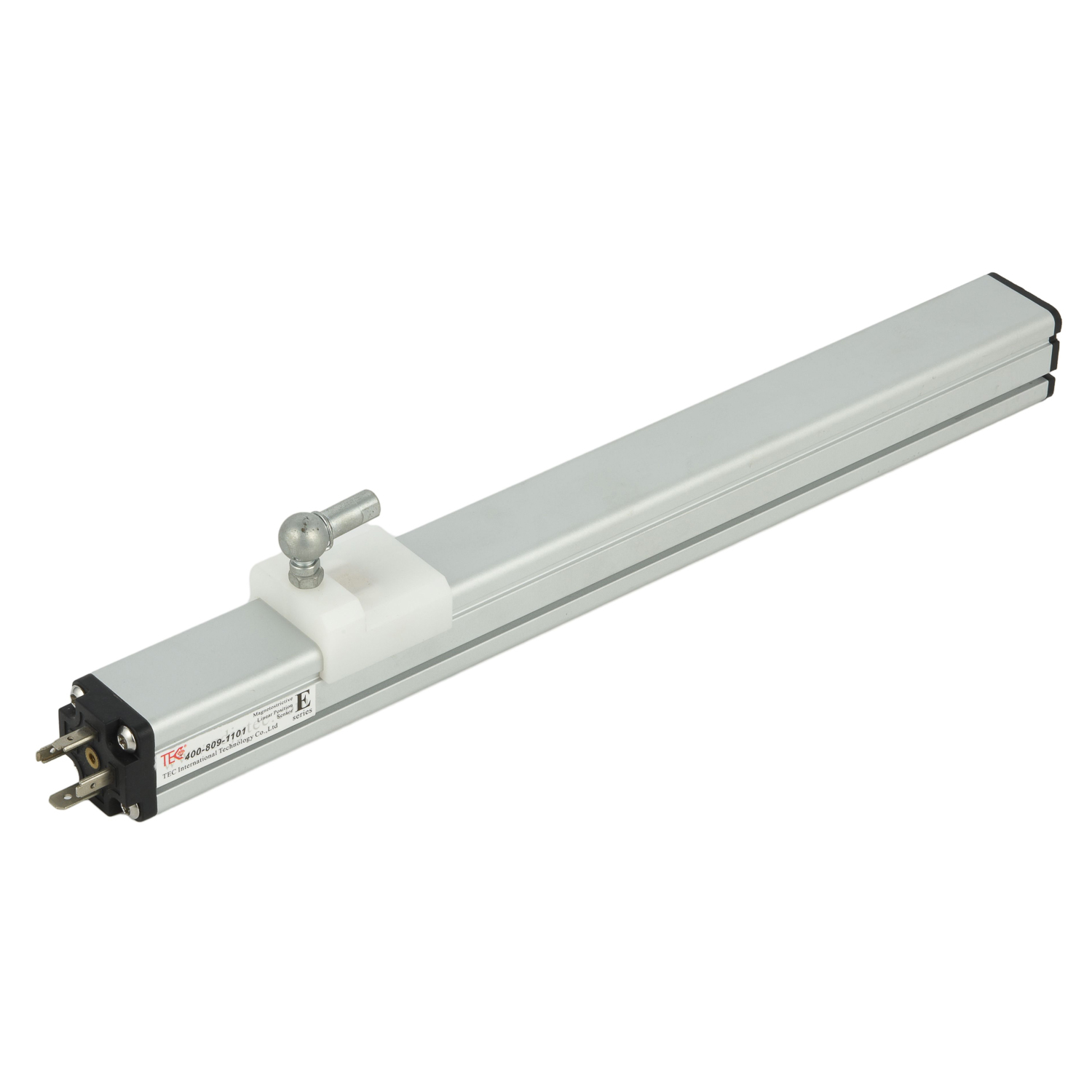
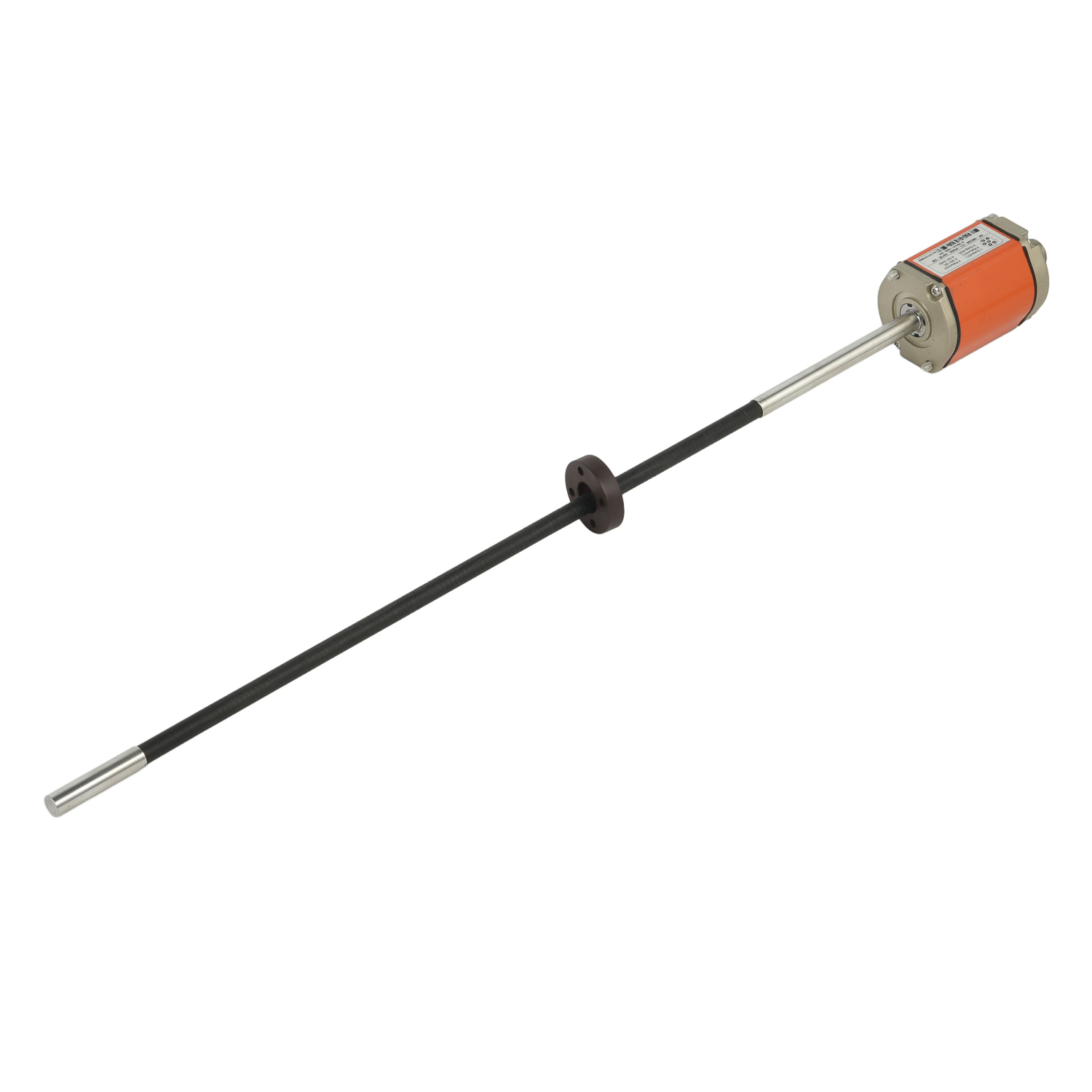
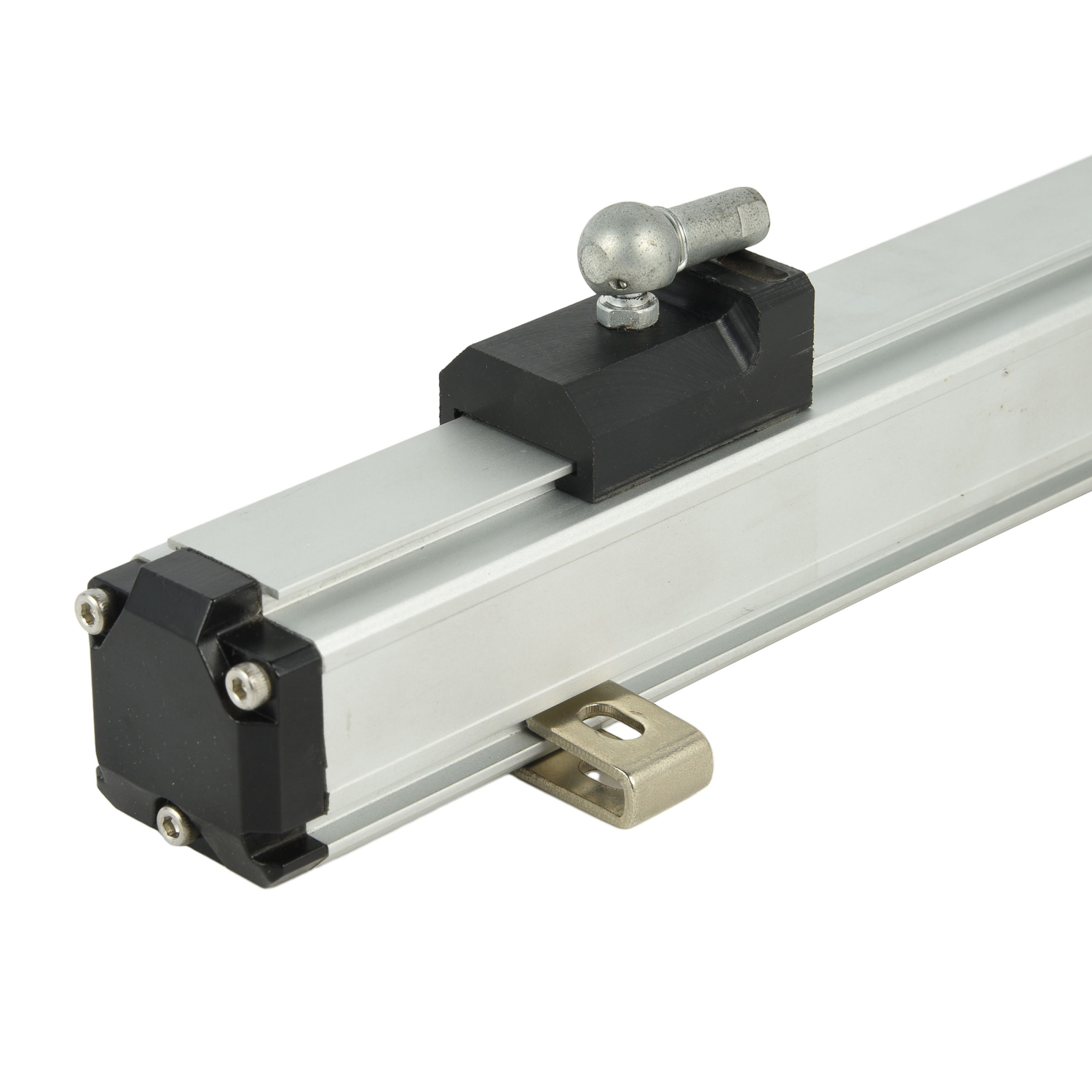
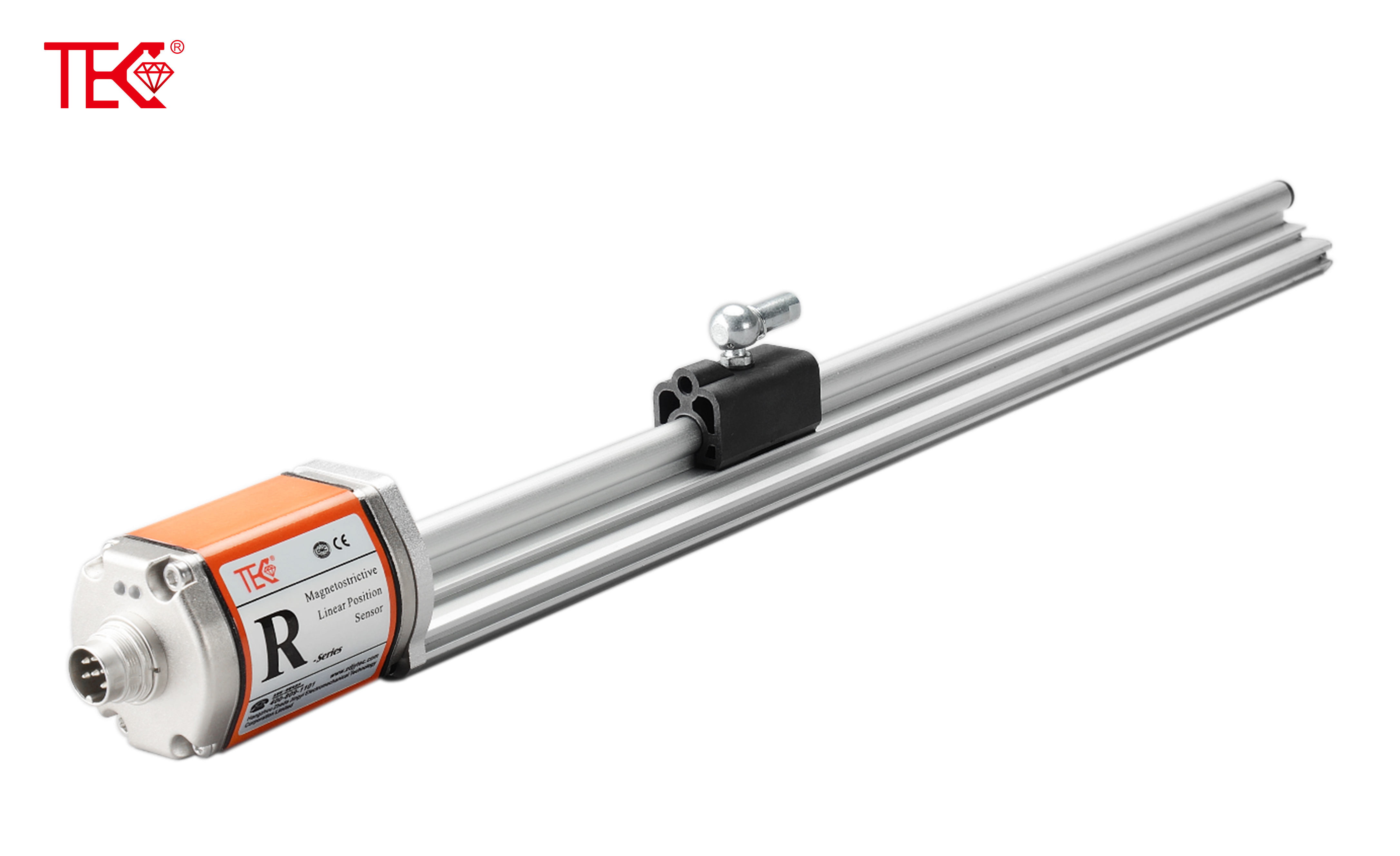
Injection molding and die casting depend on precise, repeatable motion. A long-distance positioning system for a die casting machine controls slide, ejector, and mold-adjustment strokes with linear encoders, servo drives, and a motion controller. It must maintain accuracy under heat, vibration, and metal dust while supporting fast cycles and safe operation. Price is a common question, yet no single figure fits every cell. Cost depends on stroke length, resolution, repeatability, load capacity, speed, environment, controller interface, and safety requirements. Basic kits may carry a lower entry price, while high-accuracy, heat-resistant systems with rugged feedback and industrial controls cost more. Installation, commissioning, spare parts, training, and after-sales support also shape the total investment. For injection molding and die casting production, compare suppliers by validation data, not price alone. Ask for accuracy tests under real thermal conditions, response time, maintenance intervals, and compatibility with existing machines. A well-matched long-distance positioning system reduces scrap, shortens setup, protects molds, and improves uptime, creating a stronger return on investment. Also discuss accuracy grade, encoder type, braking, dust protection, wiring, and PLC integration so the quotation reflects the production target. A transparent breakdown of system, engineering, freight, and service costs helps teams evaluate budget, lead time, and value. To compare Injection Molding Die Casting Die Casting Machine Long-distance Positioning System Price fairly, request a quotation with drawings, stroke data, load details, control needs, and delivery terms.
 Mining Bucket Wheel Stacker-re
 Metallurgy Overhead Crane Cran
 Grain and Oil Storage Tank Hig
 Mixing Station Silo Explosion-