
Sewage Treatment Material Tank Waterproof Long-distance Positioning System Installation Method
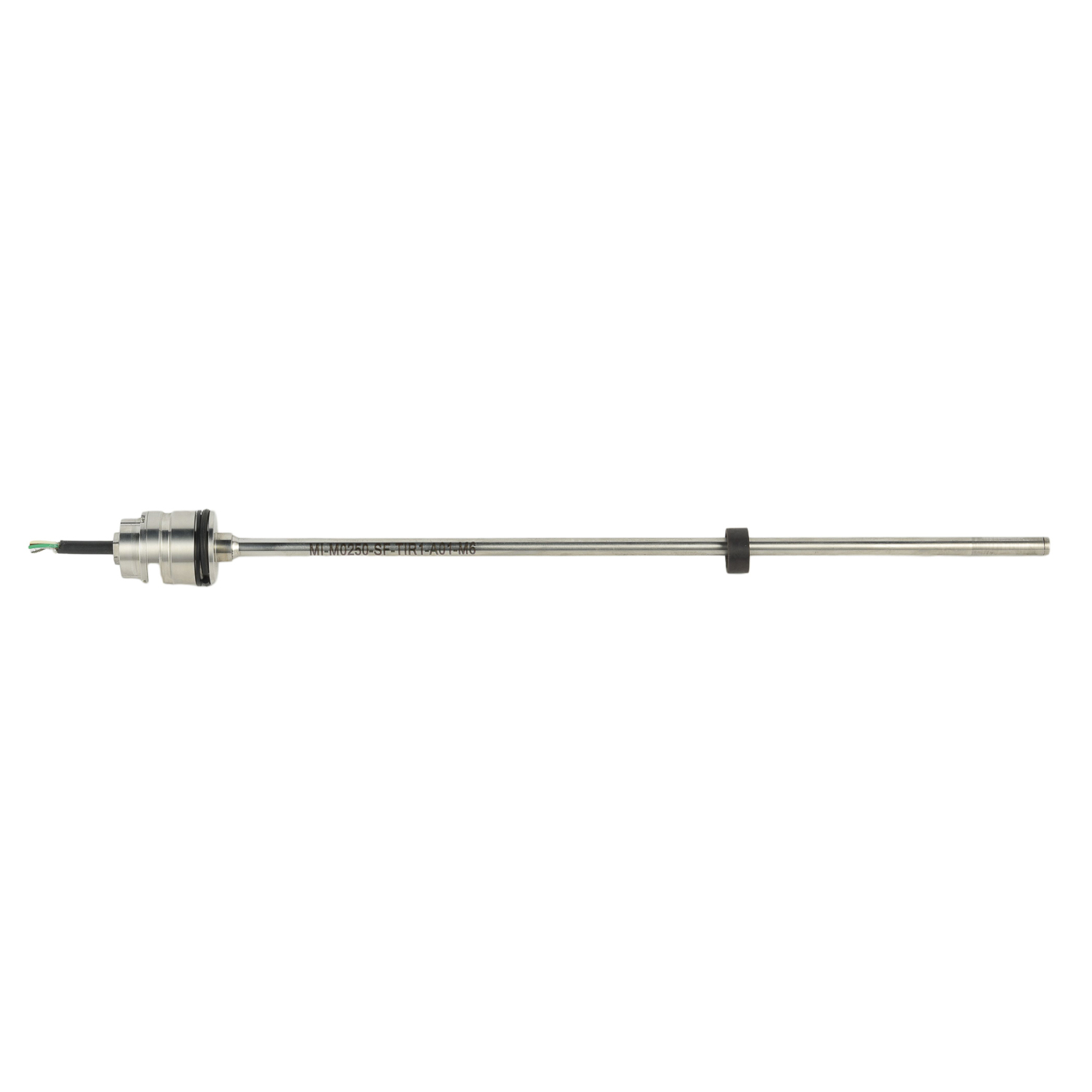
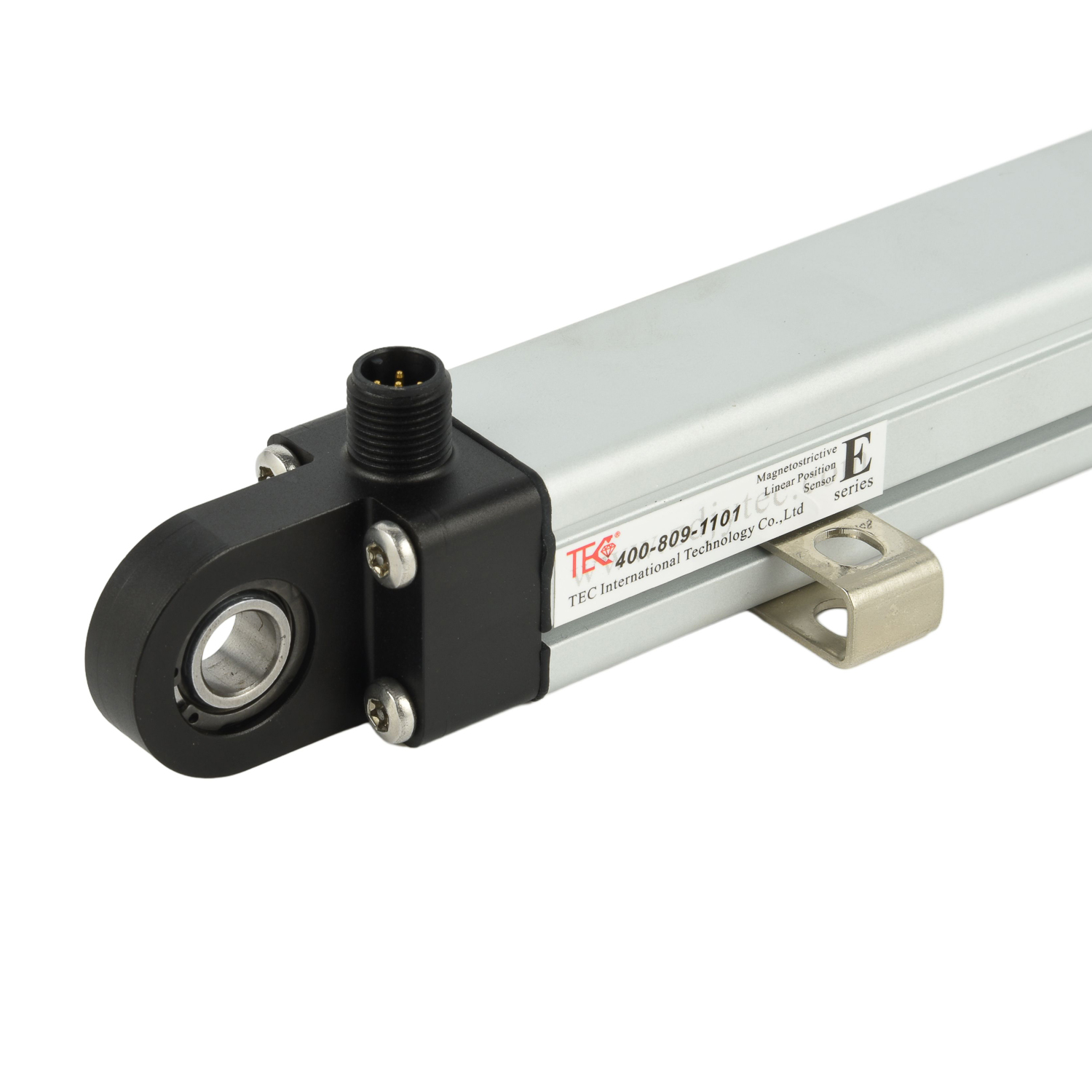
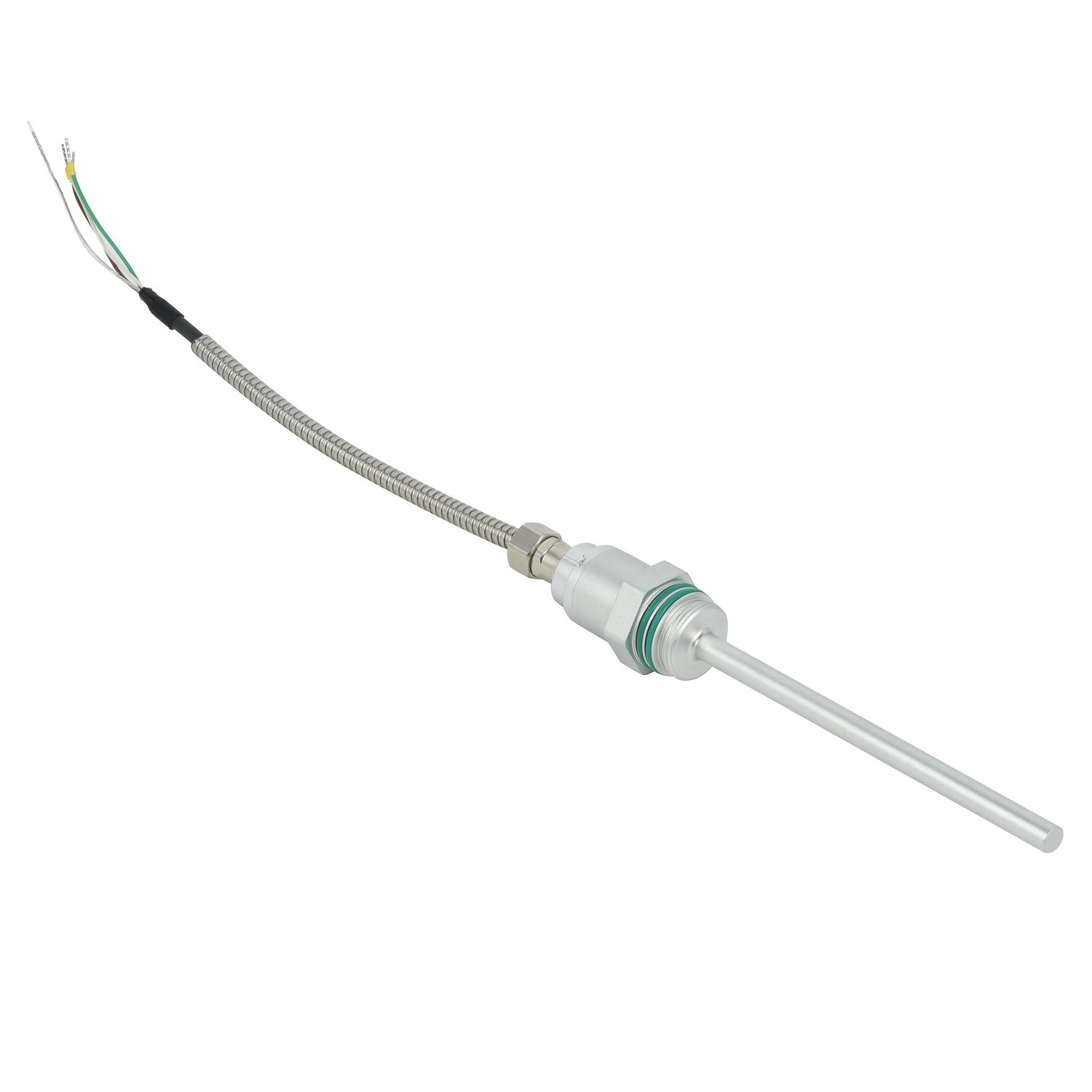
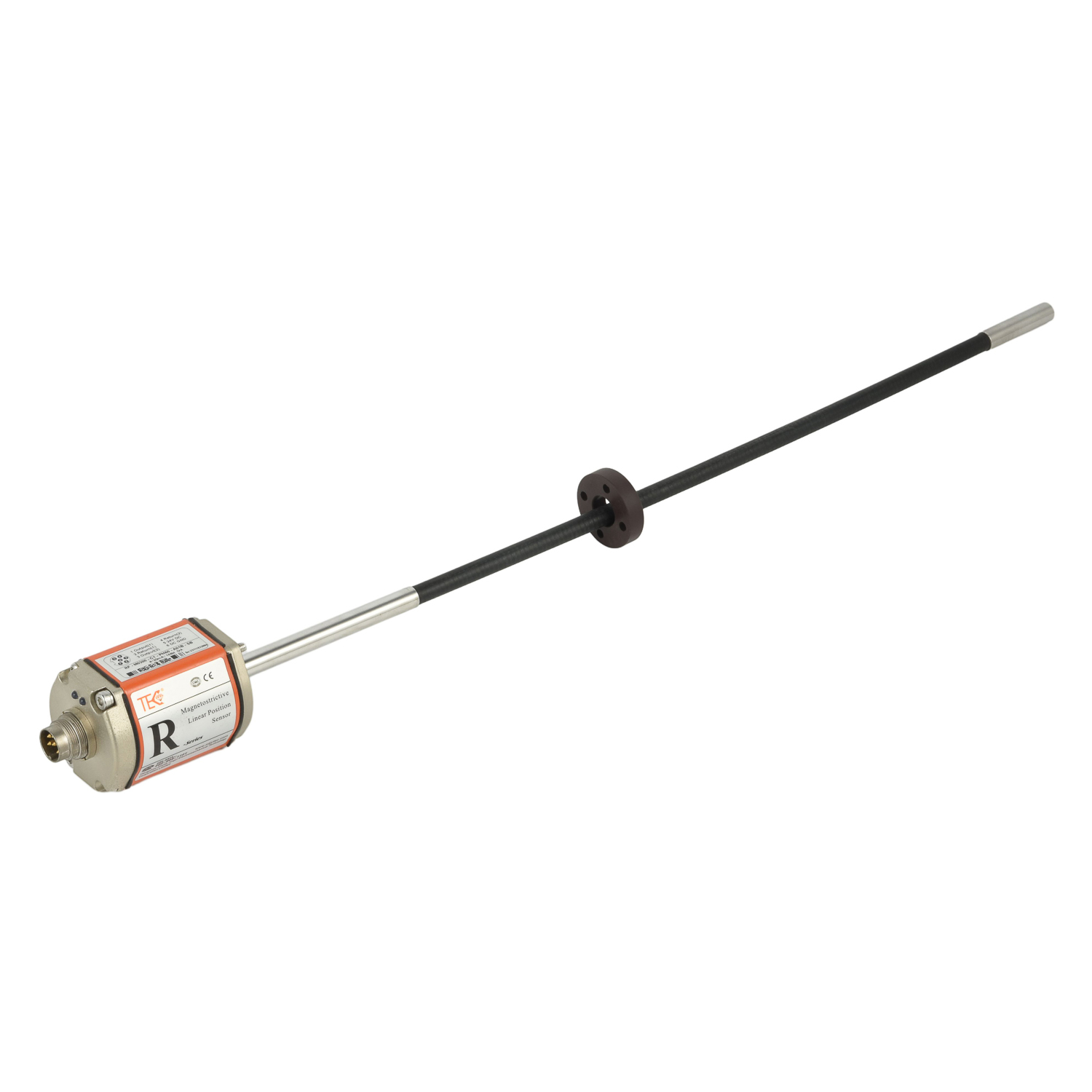
Sewage treatment material tanks require a reliable waterproof long-distance positioning system to prevent leakage and ensure stable operation. The installation method follows a clear sequence: preparation, datum setting, anchor installation, sensor placement, cable routing, sealing, calibration, and final testing. Before work, clean the tank surface and verify structural integrity. Mark reference lines and install waterproof anchors at designed intervals. Fix the positioning sensors securely and keep them aligned with the monitoring axis. Route shielded cables through waterproof conduits, avoiding sharp bends and joints below the liquid level. Seal all penetrations with compatible waterproof material and allow full curing. Connect the system to the control cabinet, check insulation, and set communication parameters. Calibrate zero points and test long-distance signal stability at multiple points. Record data and confirm alarm thresholds. During commissioning, inspect welds, seals, and cable entries for leakage. The system should provide continuous position feedback for maintenance and leak detection. Proper installation improves durability, reduces downtime, and supports safe sewage treatment. Technicians should follow safety rules, use calibrated tools, and keep detailed records. Regular inspection of anchors, cables, and seals extends service life. This method ensures accurate positioning, strong waterproof performance, and reliable long-distance monitoring in sewage treatment plants.
 Overhead Crane High-pressure C
 Stacker-reclaimer High-tempera
 Bucket Wheel Stacker-reclaimer
 Mixing Station Explosion-proof