
Chemical Gate High-pressure Long-distance Positioning System Working Principle
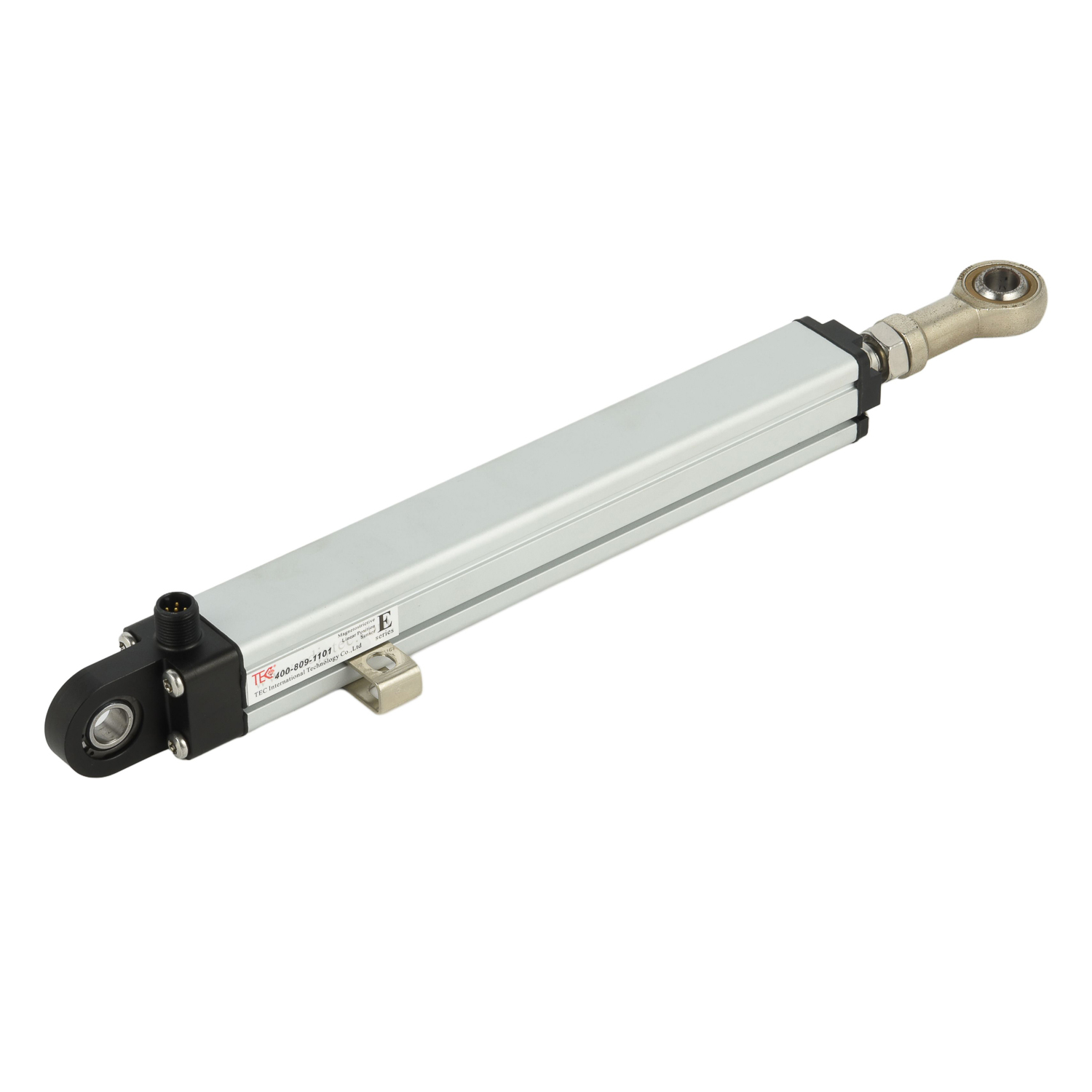
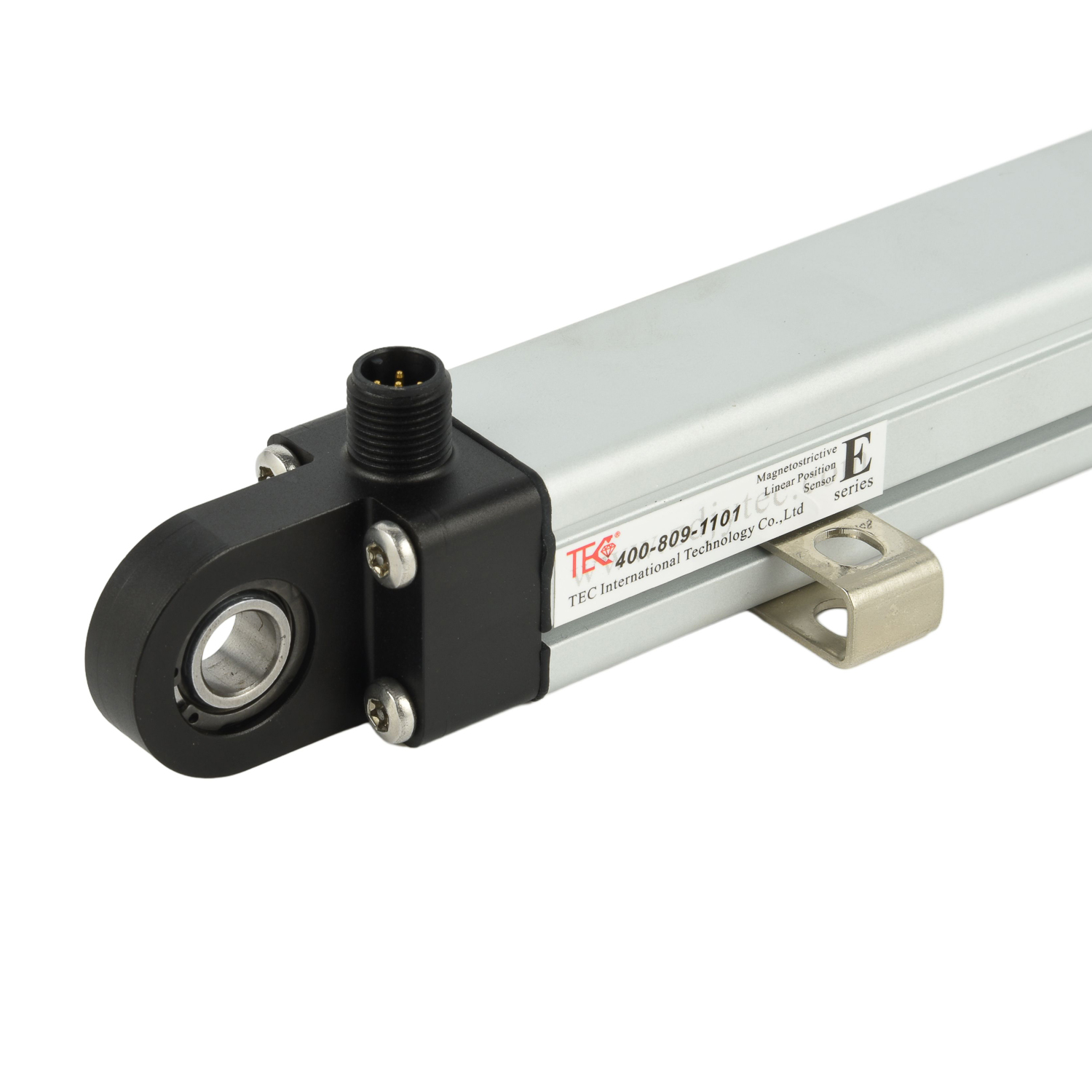
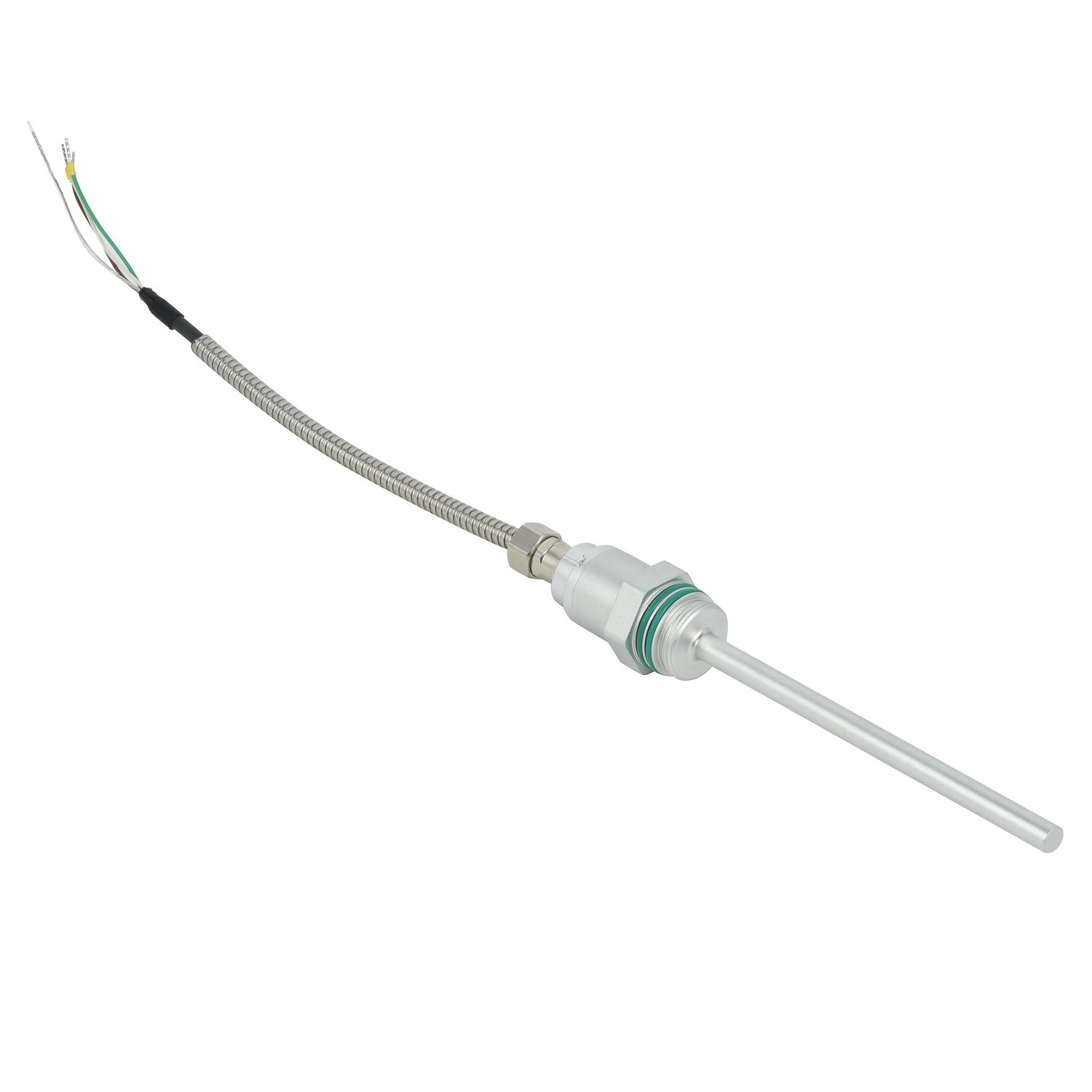
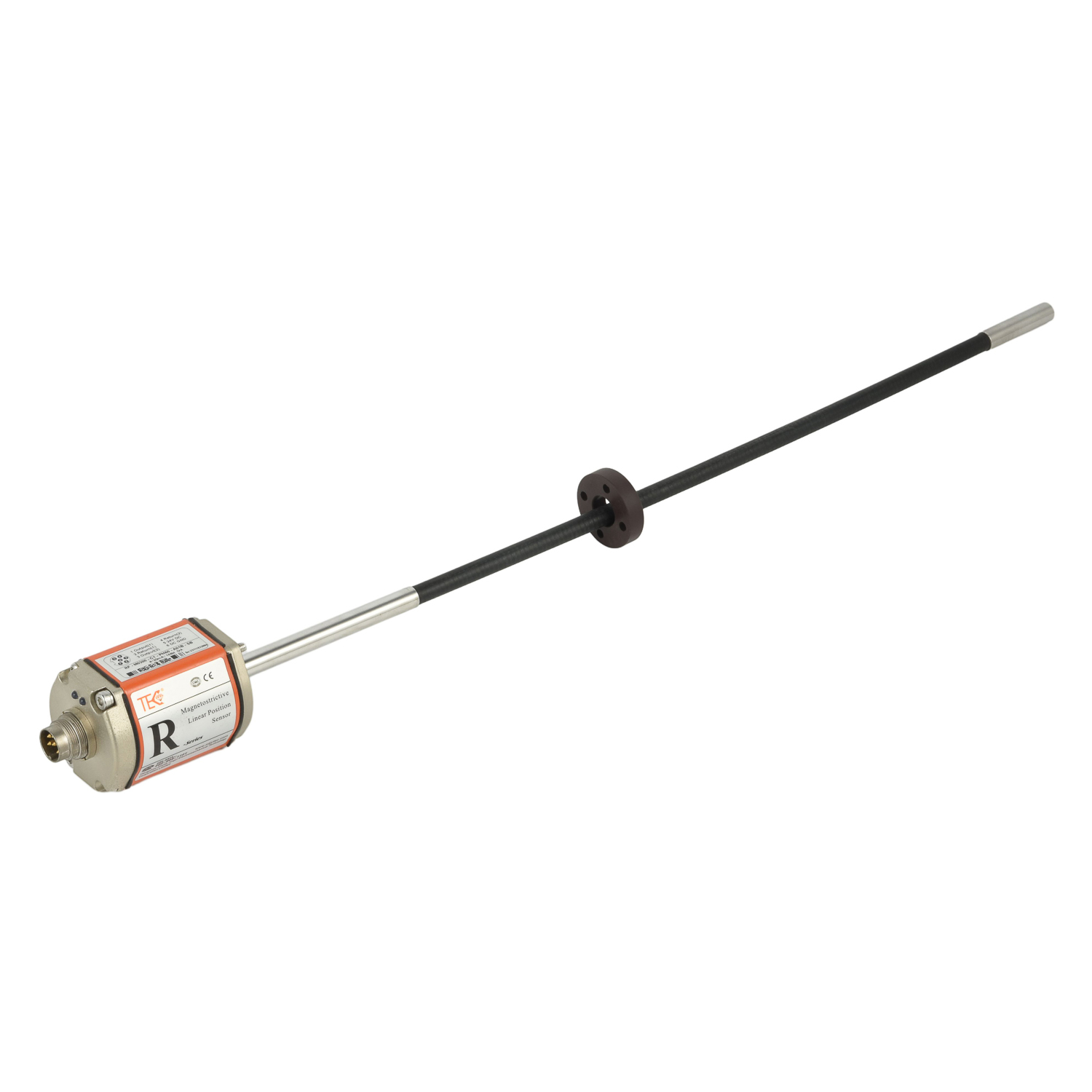
Chemical gate high-pressure long-distance positioning systems are used where gates must move reliably across long spans under demanding pressure conditions. Their working principle combines mechanical drive, pressure control, position sensing, and closed-loop feedback. A high-pressure hydraulic or pneumatic unit supplies force to the gate actuator. Control valves regulate flow and pressure, so the gate moves smoothly without shock or overshoot. Position sensors, such as encoders, linear transducers, or laser distance meters, continuously measure the gate location. The controller compares the measured position with the target value and adjusts valve opening and pump output. This closed-loop method corrects errors caused by load changes, temperature, friction, or pipeline pressure loss. For long-distance operation, intermediate sensing points and signal repeaters improve accuracy and reduce delay. In long pipelines, pressure transmitters and flow meters feed data to the controller, enabling adaptive compensation for pressure drops and fluid resistance. Safety interlocks monitor pressure, speed, and end limits; if abnormal conditions appear, the system stops or holds the gate. Redundant sensors and fail-safe brakes protect the gate during power loss or emergency stops. Remote communication lets operators set targets and view real-time status. Thus, the system achieves precise, stable, and safe long-distance positioning by integrating high-pressure actuation with continuous feedback control.
 Overhead Crane High-pressure C
 Stacker-reclaimer High-tempera
 Bucket Wheel Stacker-reclaimer
 Mixing Station Explosion-proof