
Metallurgy Overhead Crane Long-distance Positioning System Selection
Selecting a long-distance positioning system for a metallurgy overhead crane requires more than comparing accuracy figures. The crane operates in heat, dust, steam, vibration, and electromagnetic interference, so the chosen system must remain stable across the travel path. First, define the required positioning accuracy and repeatability for each motion: bridge, trolley, and hoist. Next, assess range and update rate. Laser distance measurement suits long rails and fixed reflectors, while UWB or radio-based systems can cover complex indoor zones when line of sight is poor. Absolute encoders and rail-mounted scales offer reliable local feedback but may need additional sensors for long-distance synchronization. LiDAR and machine vision are useful for anti-collision and load alignment, yet they require clean optical paths and calibration. In metallurgical plants, consider heat shielding, dust protection, IP rating, cable routing, and maintenance. Electromagnetic compatibility is critical near furnaces and drives. The system should support PLC, safety PLC, and crane management software through Ethernet, Profibus, or Profinet. Evaluate installation cost, lifecycle cost, spare parts, and calibration effort. For safety, integrate zone limiting, anti-sway feedback, and redundant position checks. Hybrid design: laser for rail travel, encoders for hoist, and UWB for flexible zones; often balances best. Always test under actual production conditions and document acceptance criteria before selection.
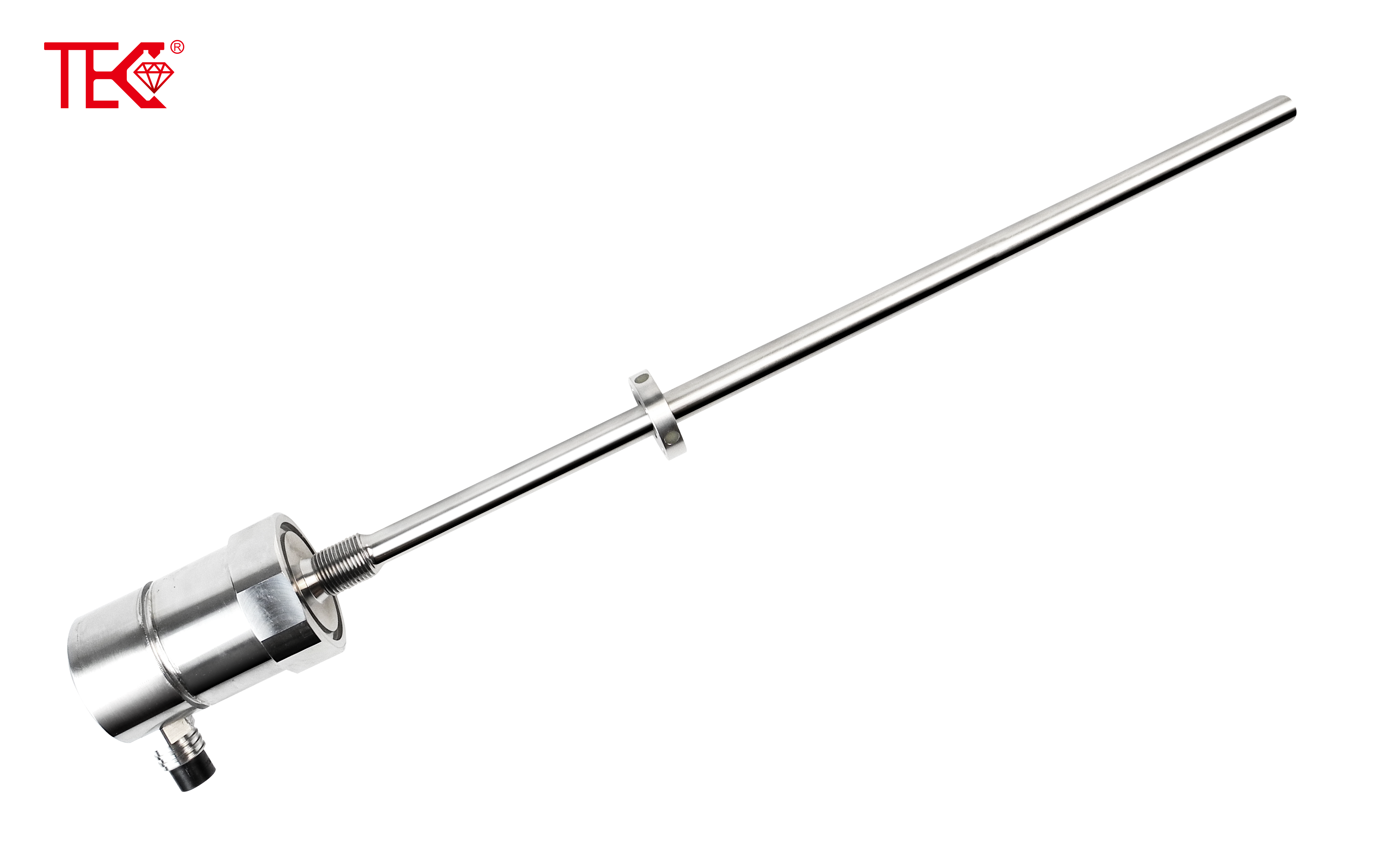
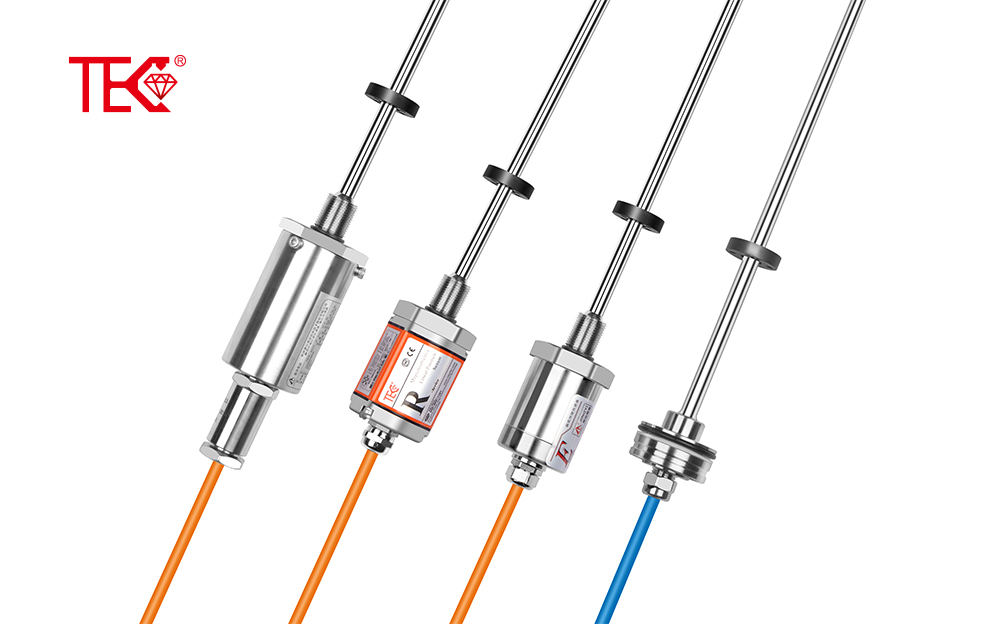 Crane Waterproof Crane and Tro
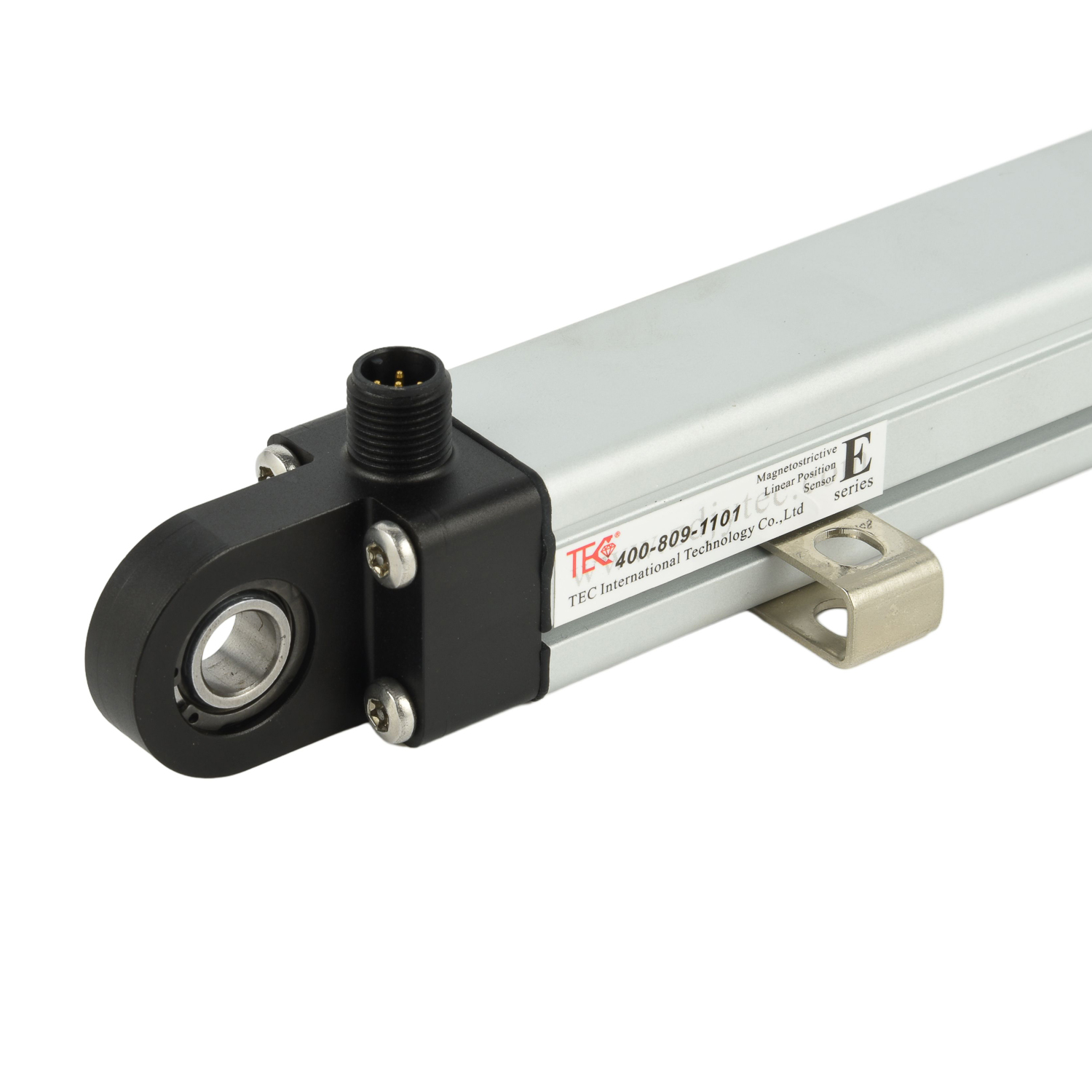 Overhead Crane High-pressure C
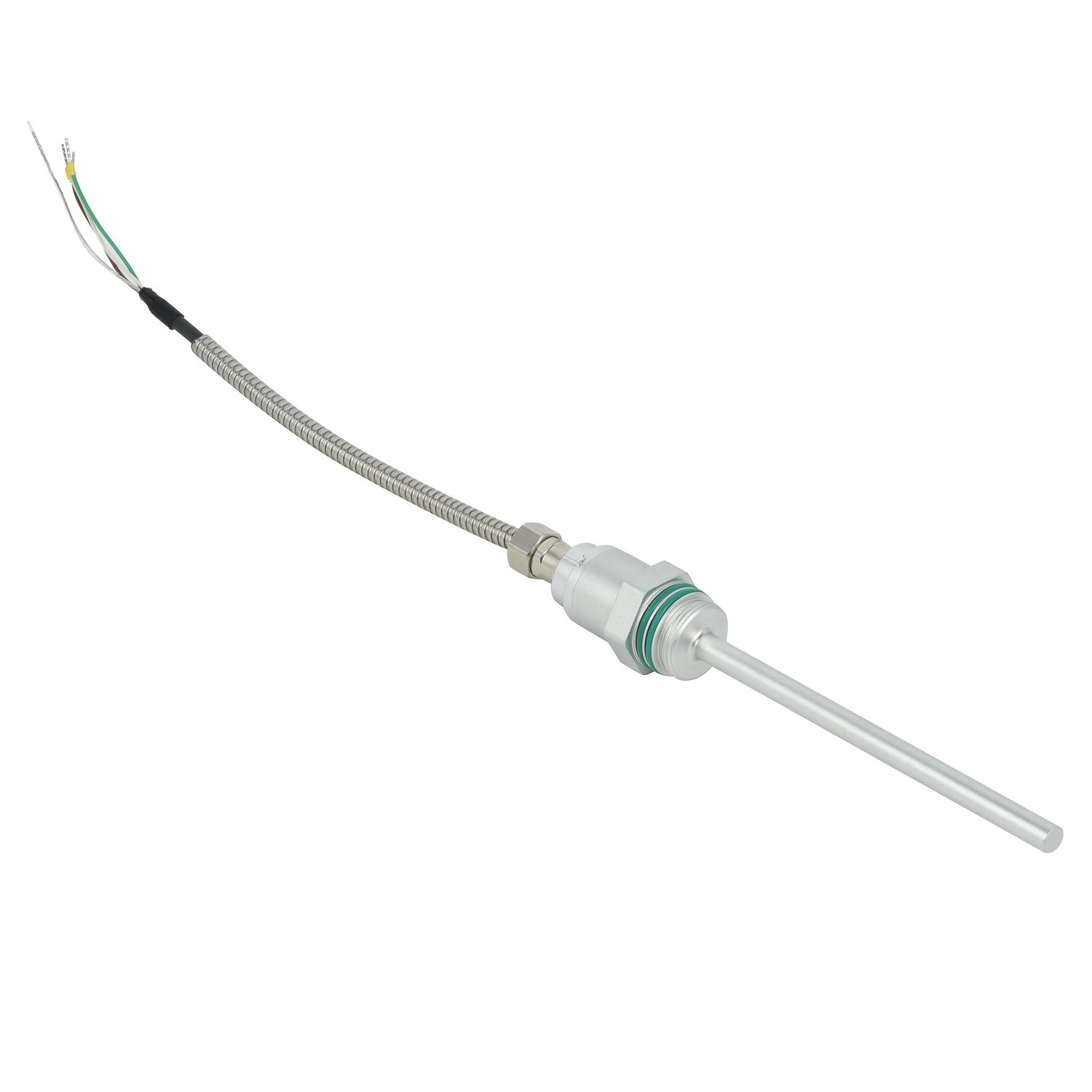 Stacker-reclaimer High-tempera
 Bucket Wheel Stacker-reclaimer