
Shield Tunneling High-temperature Long-distance Positioning System Fault
Shield tunneling depends on accurate long-distance positioning to maintain alignment. A high-temperature, long-distance positioning system fault can slow excavation, cause guidance drift, and force unsafe corrections. The fault usually combines thermal, optical, electrical, and environmental stress.
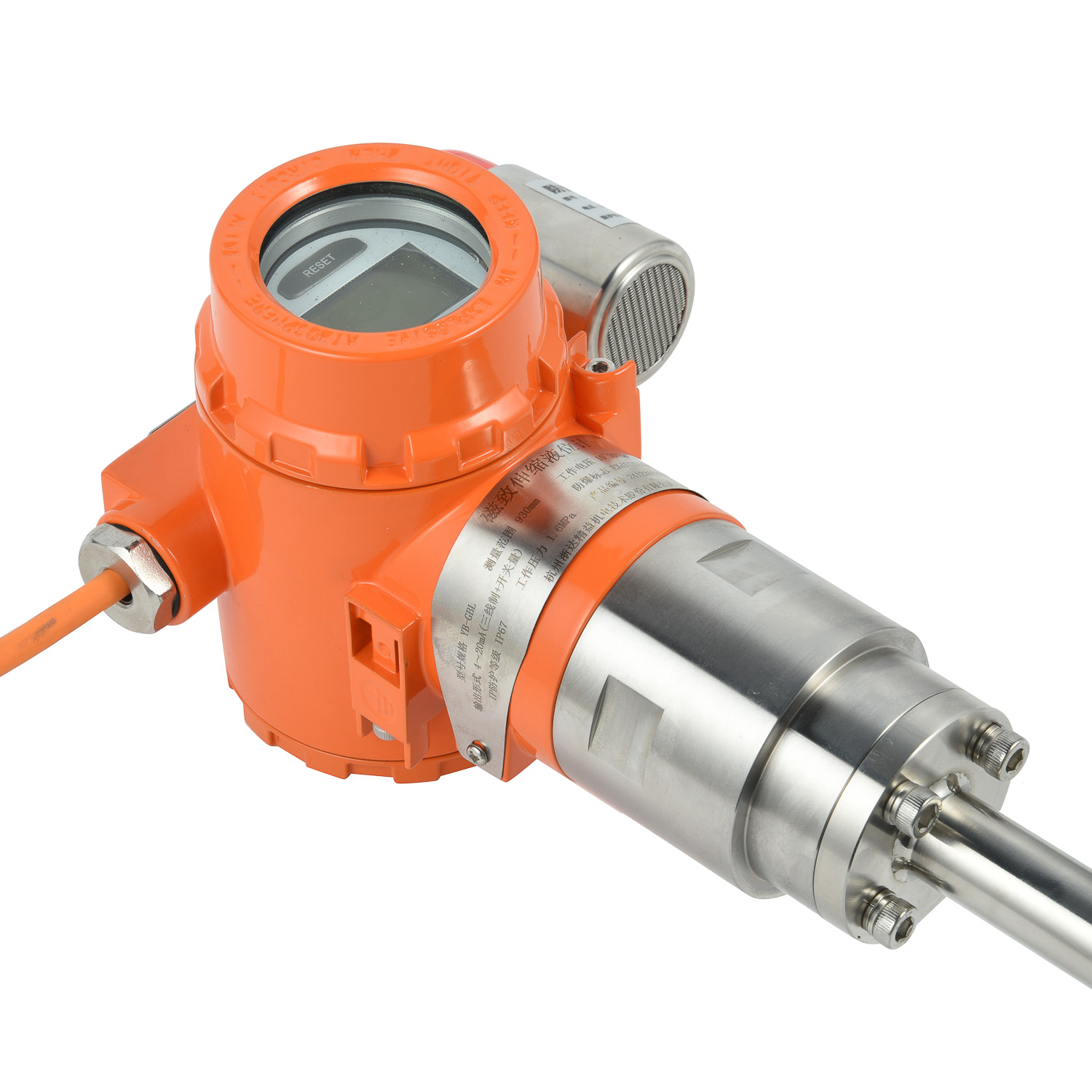
Heat inside the shield affects total stations, prisms, laser targets, inclinometers, cables, and control cabinets. It can create sensor drift, lens haze, insulation aging, and electronic instability. Long distances weaken signals and increase alignment error, especially with poor ventilation, heavy dust, or curved sight lines.
Common symptoms include coordinate jumps, weak laser return, intermittent communication, overheating alarms, growing deviation between manual and automatic guidance, and repeated calibration failure. First check power, grounding, and cable connections. Then clean optical surfaces, inspect cooling fans, compare redundant sensors, and run a static control-point check. Log temperature, signal quality, and deviation trends to separate thermal drift from real movement.
Mitigation requires thermal protection, redundancy, and preventive maintenance. Use heat shields, filtered cooling, stable power, industrial cables, and protected optical paths. Add relay stations or prisms for long sight lines, calibrate during stable temperatures, and replace aging sensors early. A structured diagnosis routine improves uptime and keeps shield tunneling within tolerance.
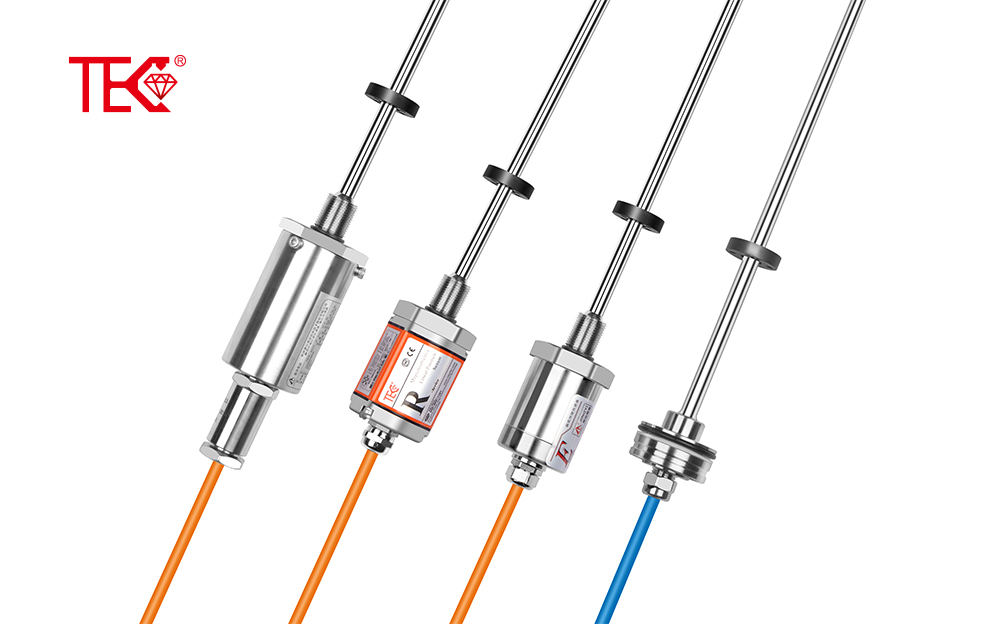 Crane Waterproof Crane and Tro
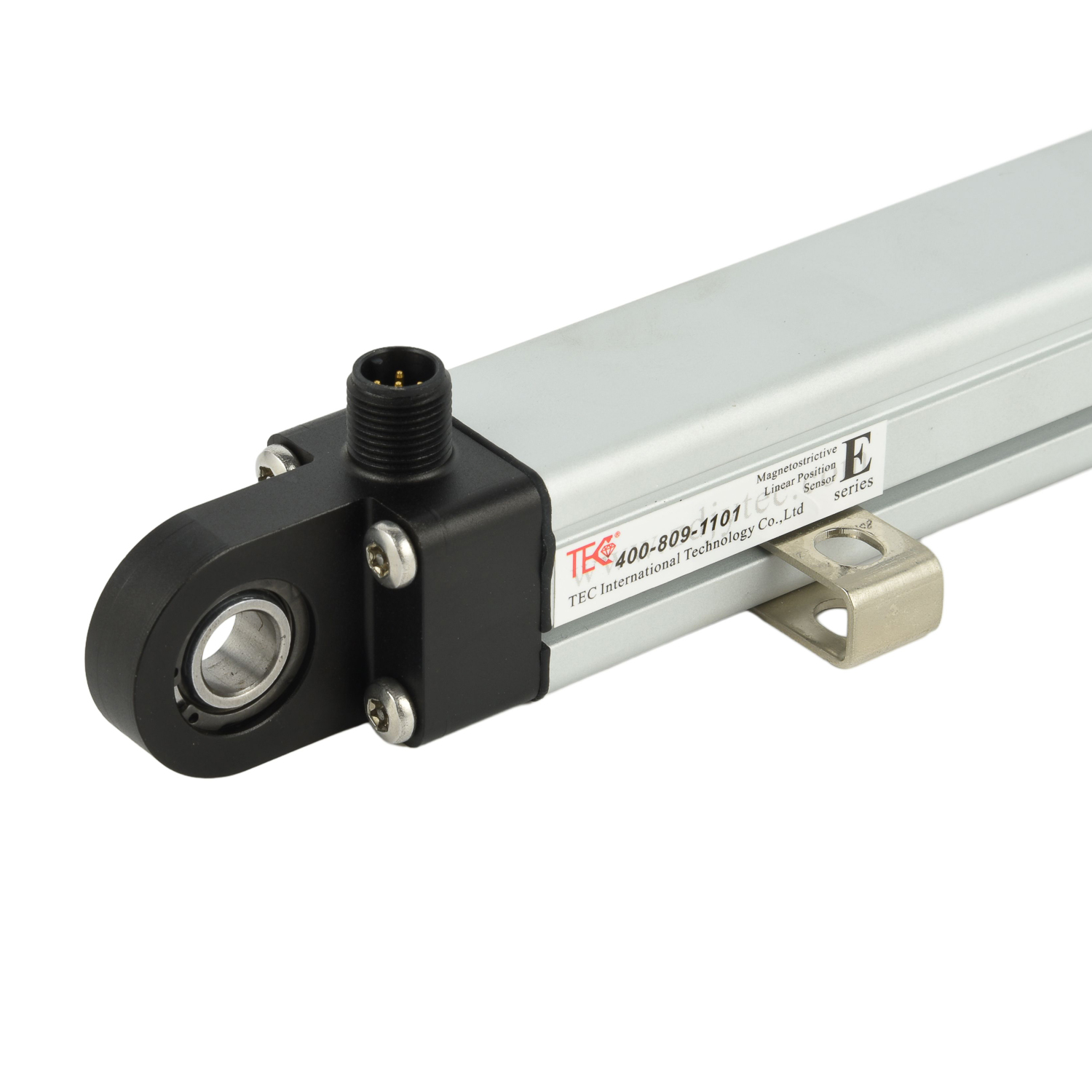 Overhead Crane High-pressure C
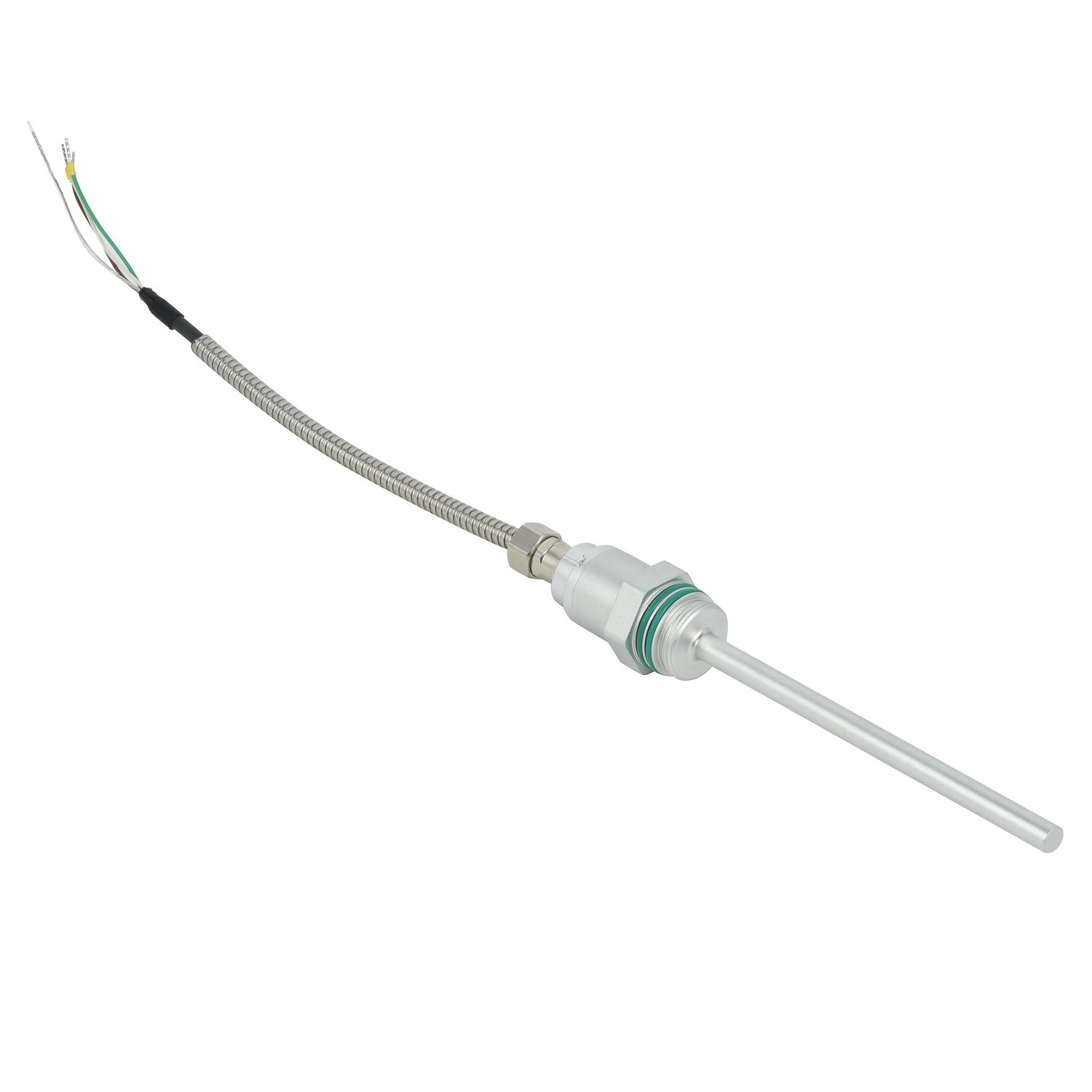 Stacker-reclaimer High-tempera
 Bucket Wheel Stacker-reclaimer