
Port Overhead Crane Intrinsically Safe Explosion-proof Long-distance Positioning System Installation Method
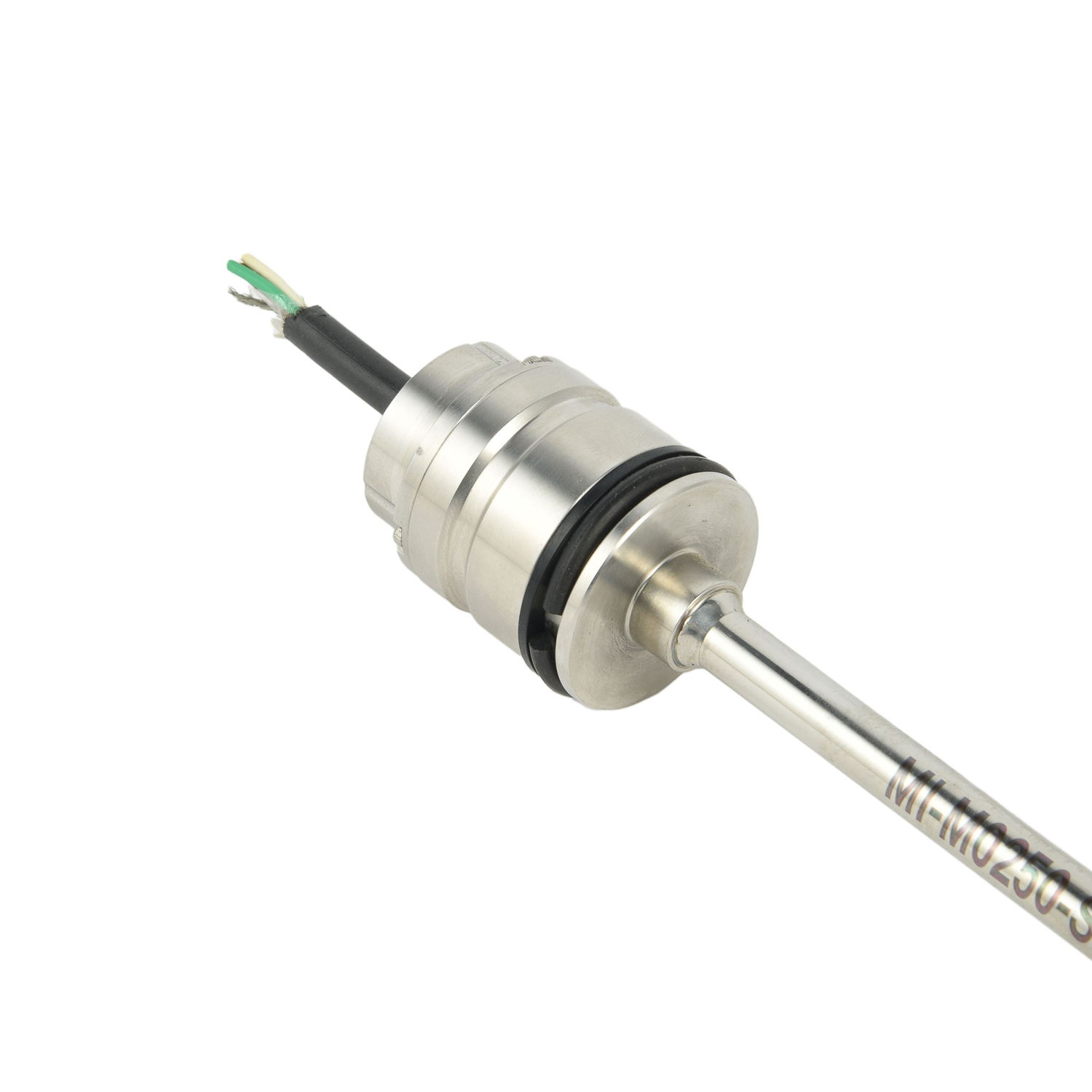
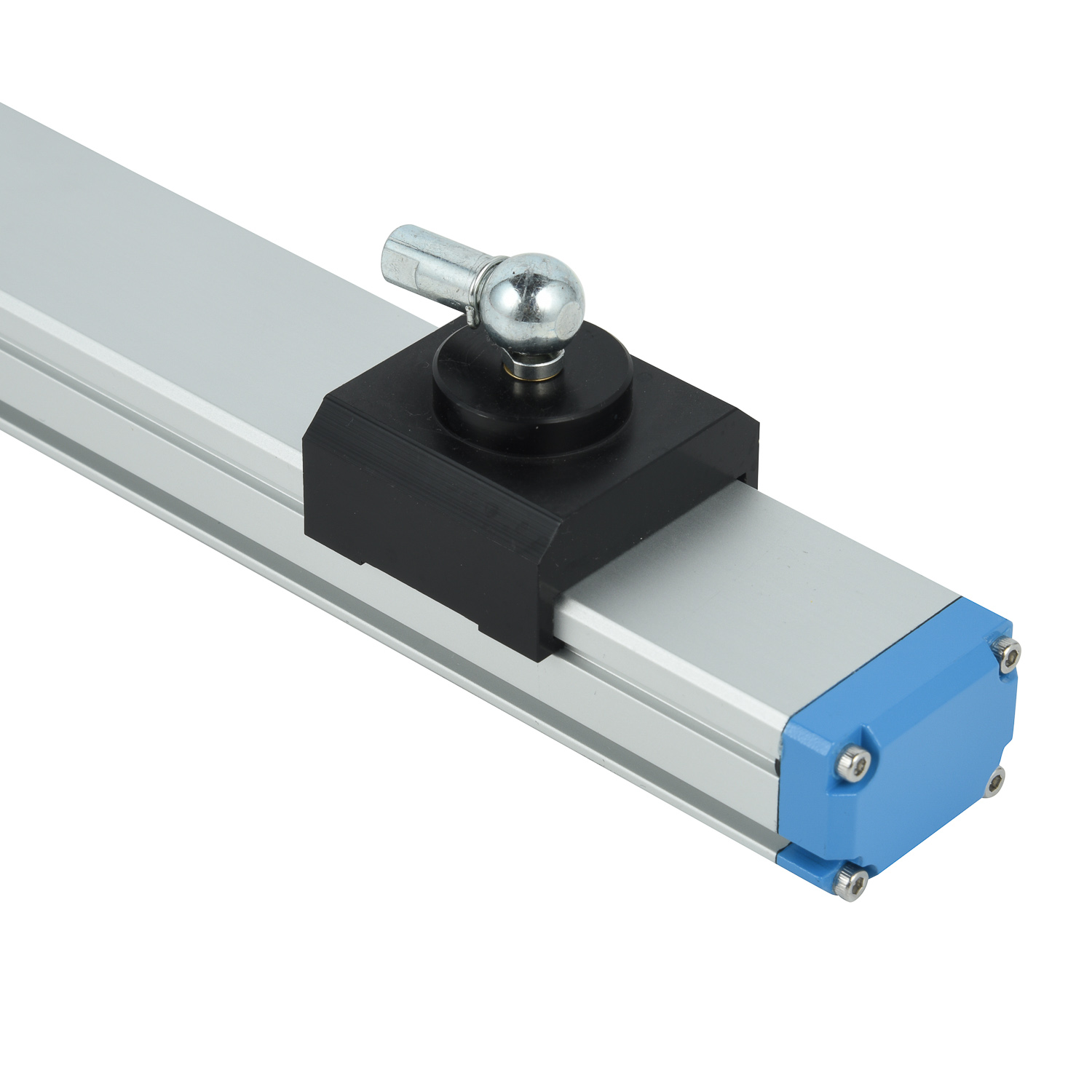
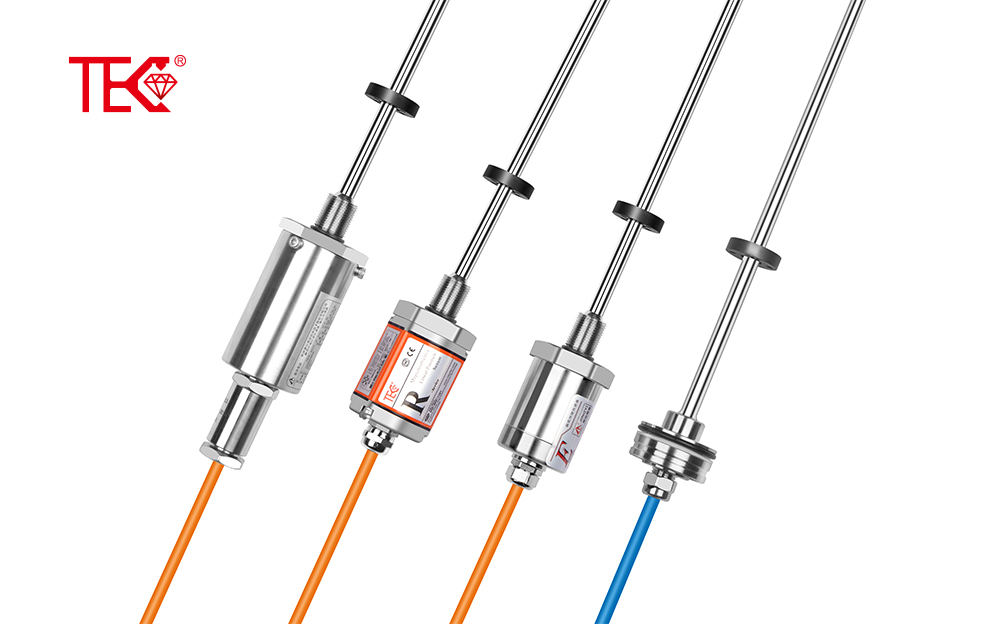
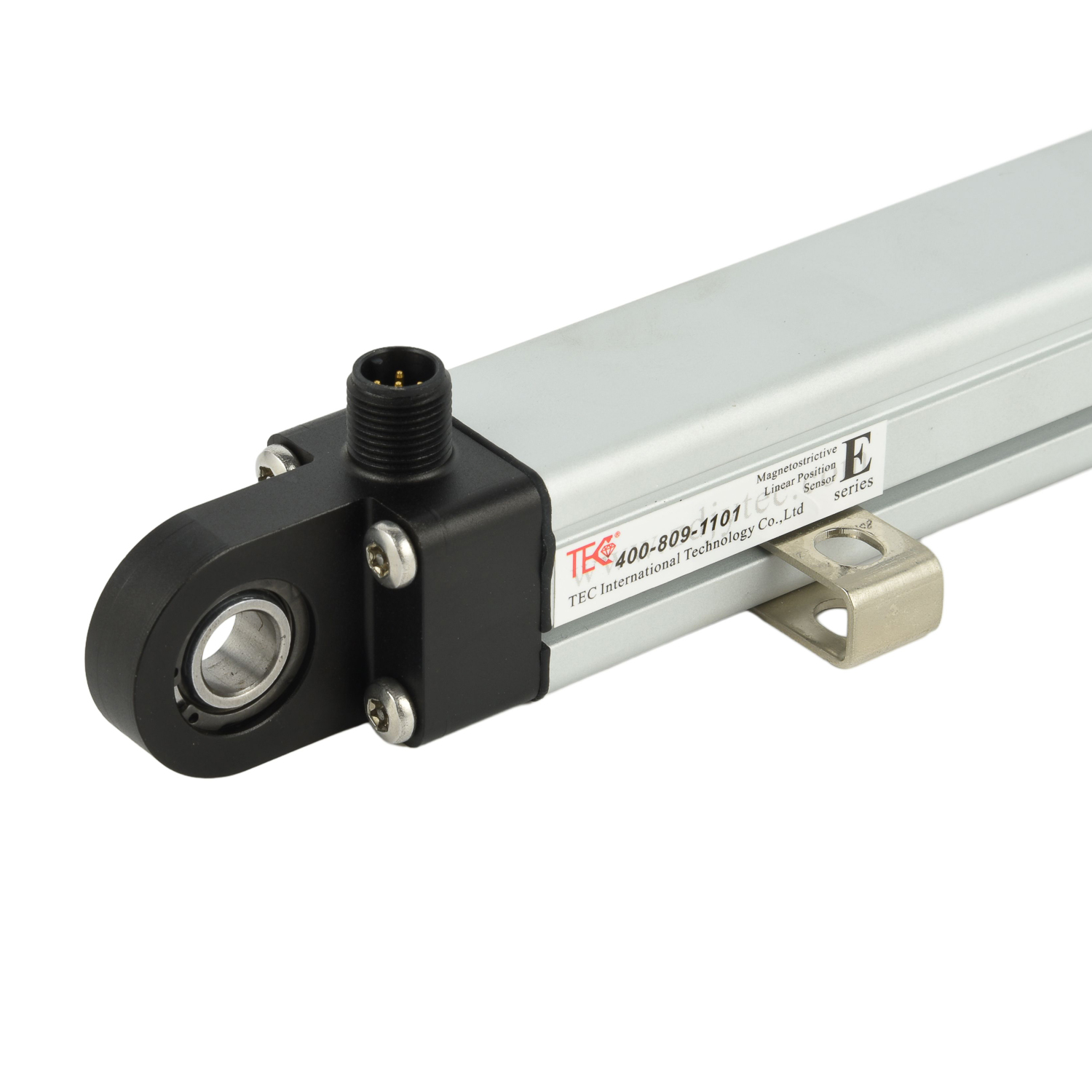
Installation of an intrinsically safe explosion-proof long-distance positioning system on a port overhead crane requires planning, certified components, and strict hazardous-area control. First, confirm crane travel zones, hazardous gas or dust classification, and required positioning accuracy. Complete a risk assessment and isolate power before work. Mount intrinsically safe readers or laser positioning units on rigid brackets away from vibration, heat, and impact. Keep explosion-proof junction boxes and barriers outside the hazardous zone where specified. Route shielded, flame-retardant cables through certified glands, maintain the minimum bending radius, and bond grounding securely. Connect only approved barrier circuits; never add non-certified devices. Align long-distance reference targets and verify clear line of sight. Configure addresses, communication parameters, and redundancy in the control cabinet. After installation, inspect seals and grounding, then perform insulation and loop tests. Calibrate zero and span, test long-distance repeatability, and verify emergency stop and crane interlock responses. Record as-built drawings and train operators on inspection. Regular checks of cable glands, enclosure integrity, and sensor cleanliness ensure safe, accurate performance. Use calibrated torque tools, label each circuit, and photograph concealed routes before closing enclosures. During commissioning, simulate target loss and power failure, confirm alarm output, and document all test results.
 Bridge Crane Corrosion-resista
 Crane Waterproof Crane and Tro
 Overhead Crane High-pressure C
 Stacker-reclaimer High-tempera