
Chemical Reaction Kettle High-pressure Magnetostrictive Displacement Sensor Working Principle
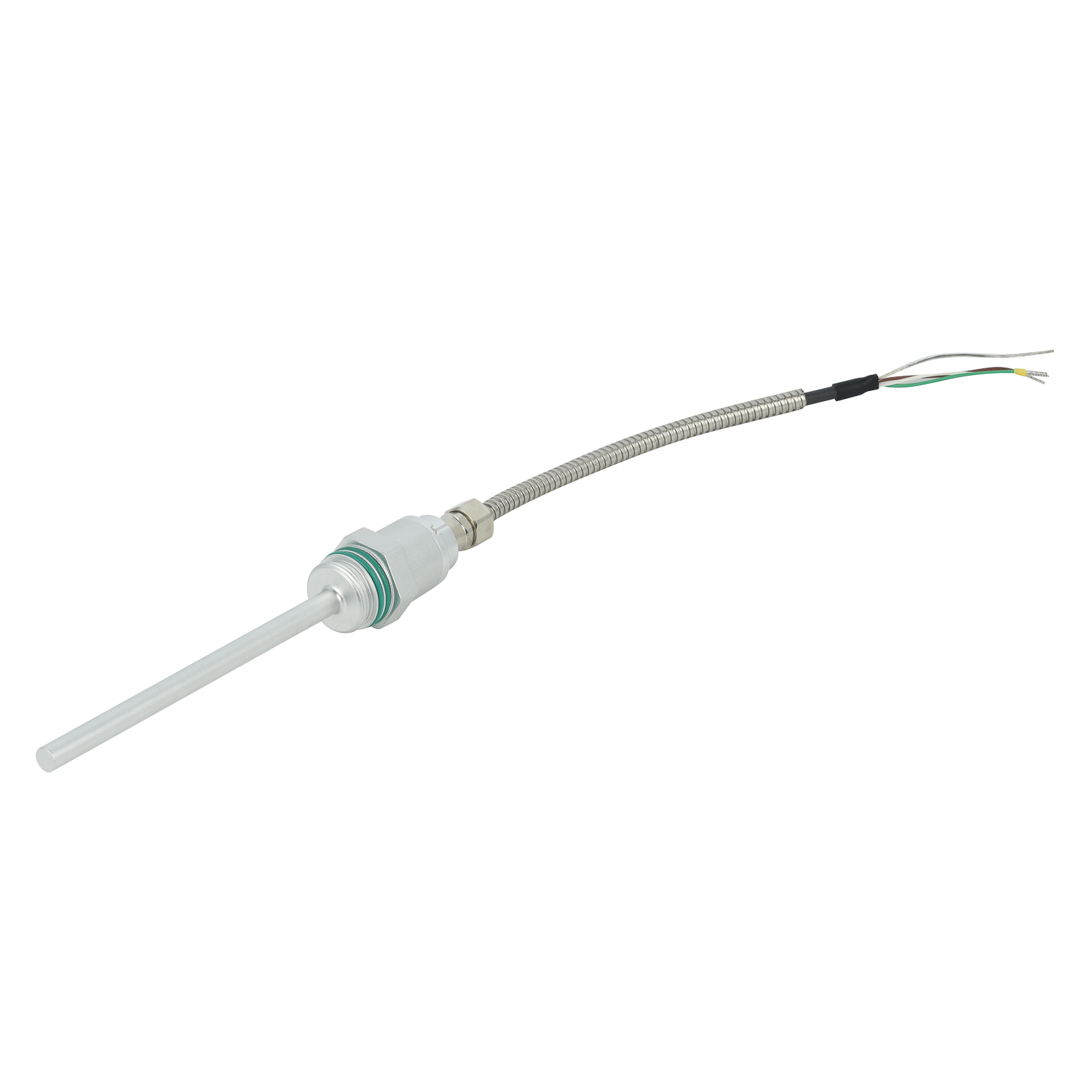
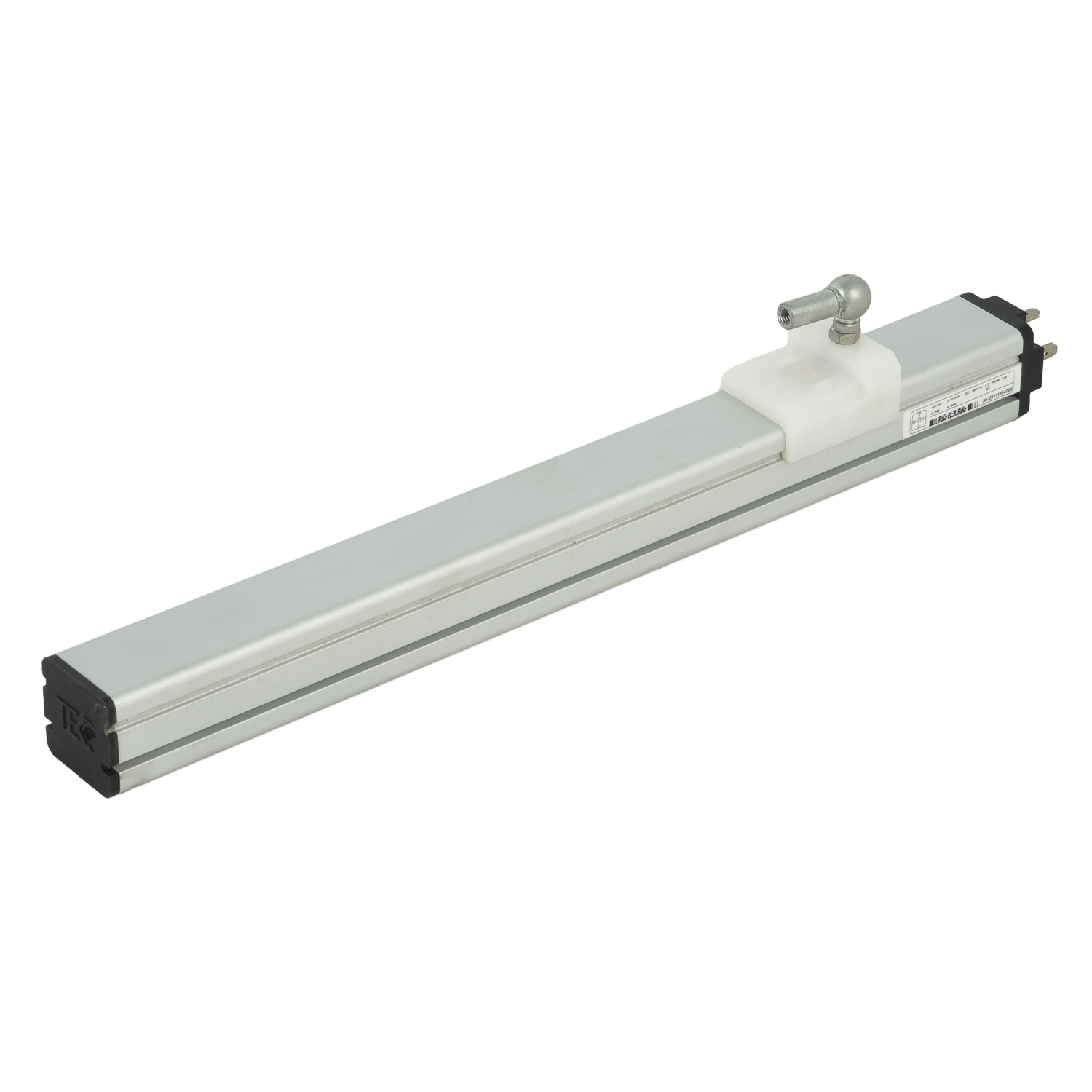
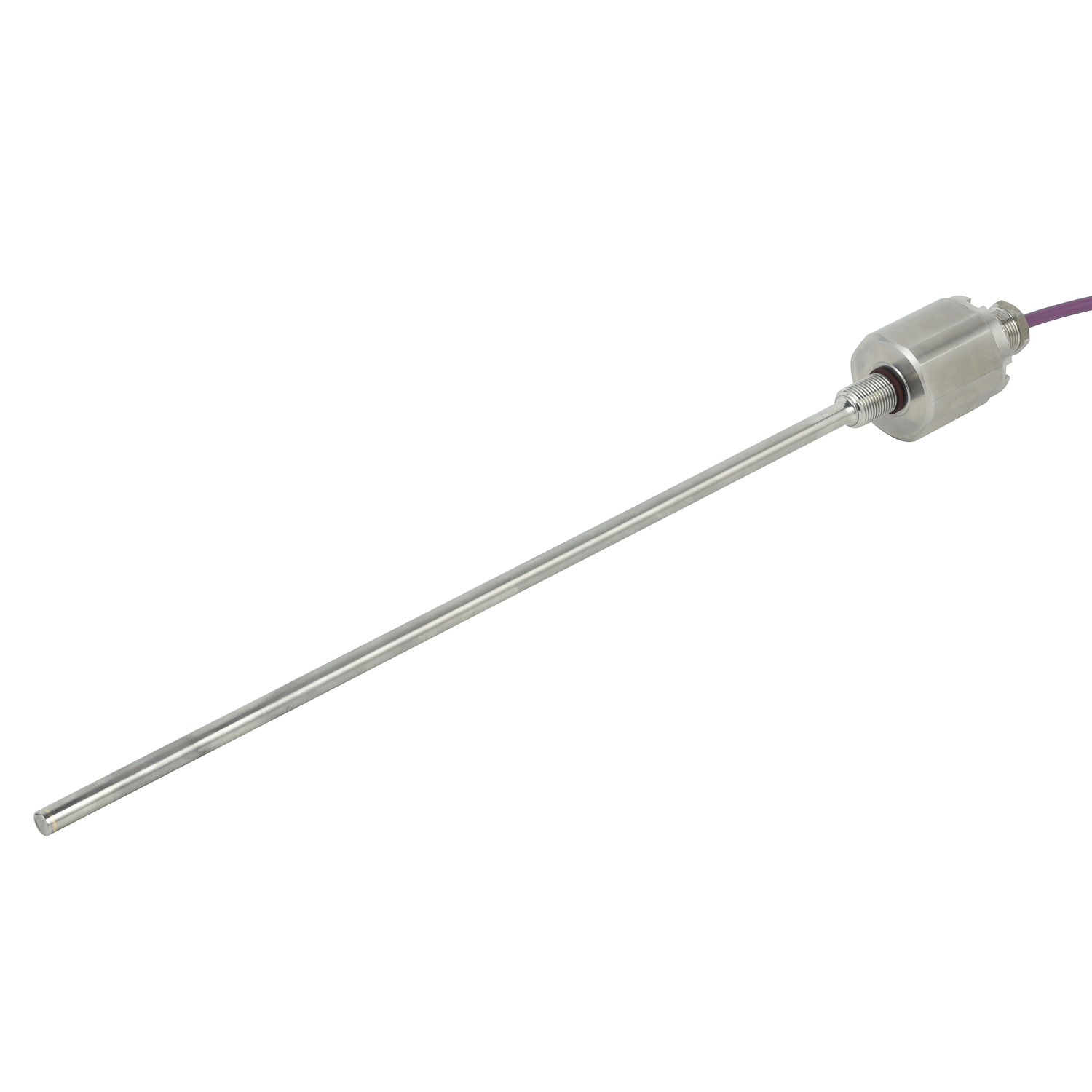
A chemical reaction kettle high-pressure magnetostrictive displacement sensor converts linear position into an absolute electrical signal by using the magnetostrictive effect. Inside a sealed stainless-steel waveguide, a short current pulse is sent from the electronics head. The pulse creates a circular magnetic field around the waveguide. A position magnet, mounted on the moving agitator shaft or internal component, generates an axial magnetic field. Where the two fields interact, a small torsional strain wave is produced in the waveguide. This wave travels back to the sensor head at a known speed. By measuring the time between the current pulse and the detected wave, the sensor calculates the magnet position with high accuracy. Because the position magnet never touches the waveguide, the sensor offers wear-free, reliable measurement under high pressure, strong vibration, and corrosive chemical conditions. Its pressure-tight housing and isolation design keep the electronics separate from the reaction medium, enabling safe level, stroke, or agitator position monitoring in reactors. The output is an absolute value, so position is retained after power loss. Temperature compensation and robust sealing further improve stability, while analog or digital outputs connect easily to PLC and DCS systems. This makes the sensor suitable for chemical process control, high-pressure vessels, and demanding industrial automation. The non-contact design also reduces maintenance and improves safety in explosive or hazardous areas. Fast response and long-term stability support continuous monitoring in batch and continuous production lines, and the sensor withstands harsh cleaning cycles and temperature fluctuations common in chemical plants.
 Mixing Station Silo Explosion-
 Shield Tunneling Hoist High-te
 Injection Molding Die Casting
 Construction Machinery Crane M