
Sewage Treatment Material Tank Waterproof Magnetostrictive Displacement Sensor Installation Method
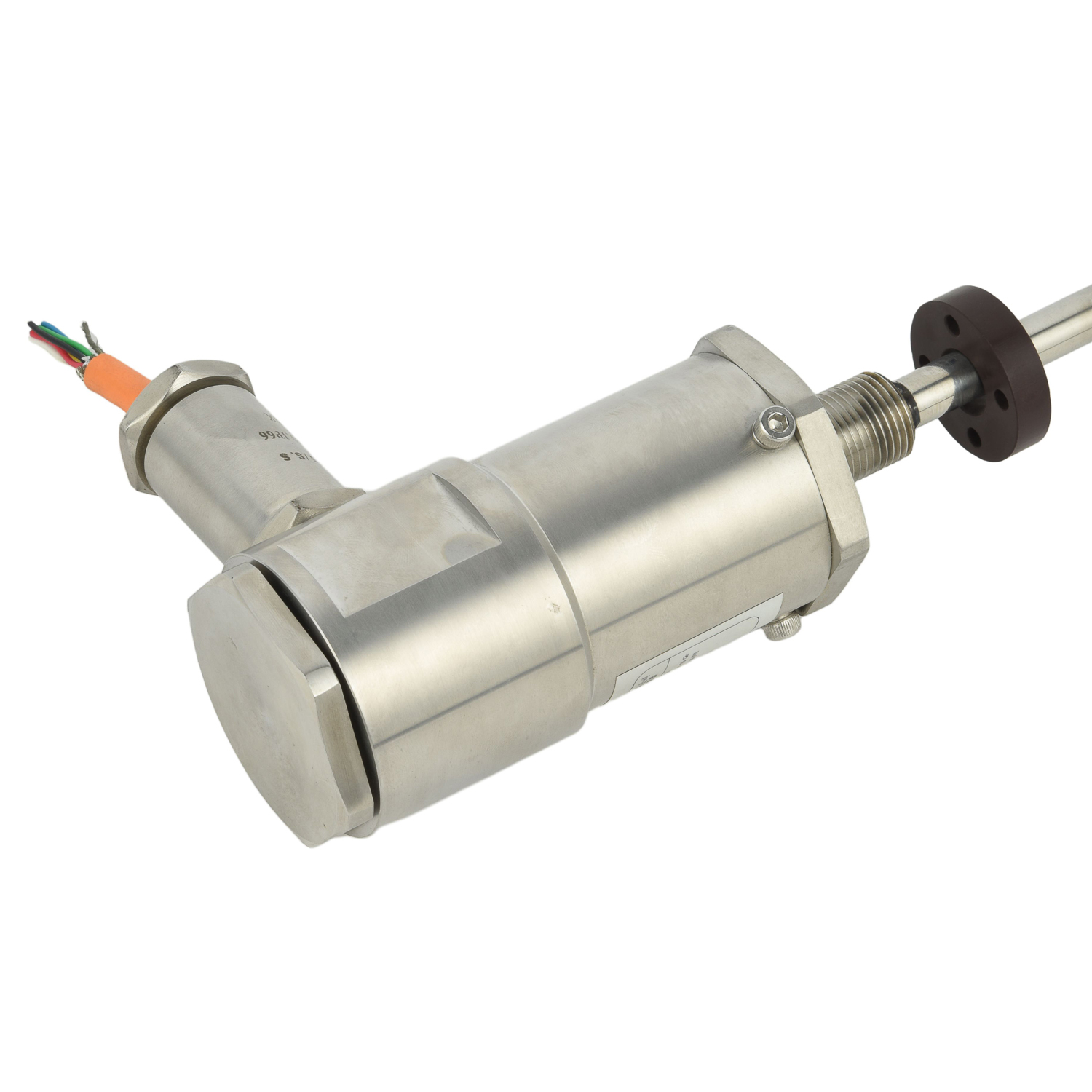
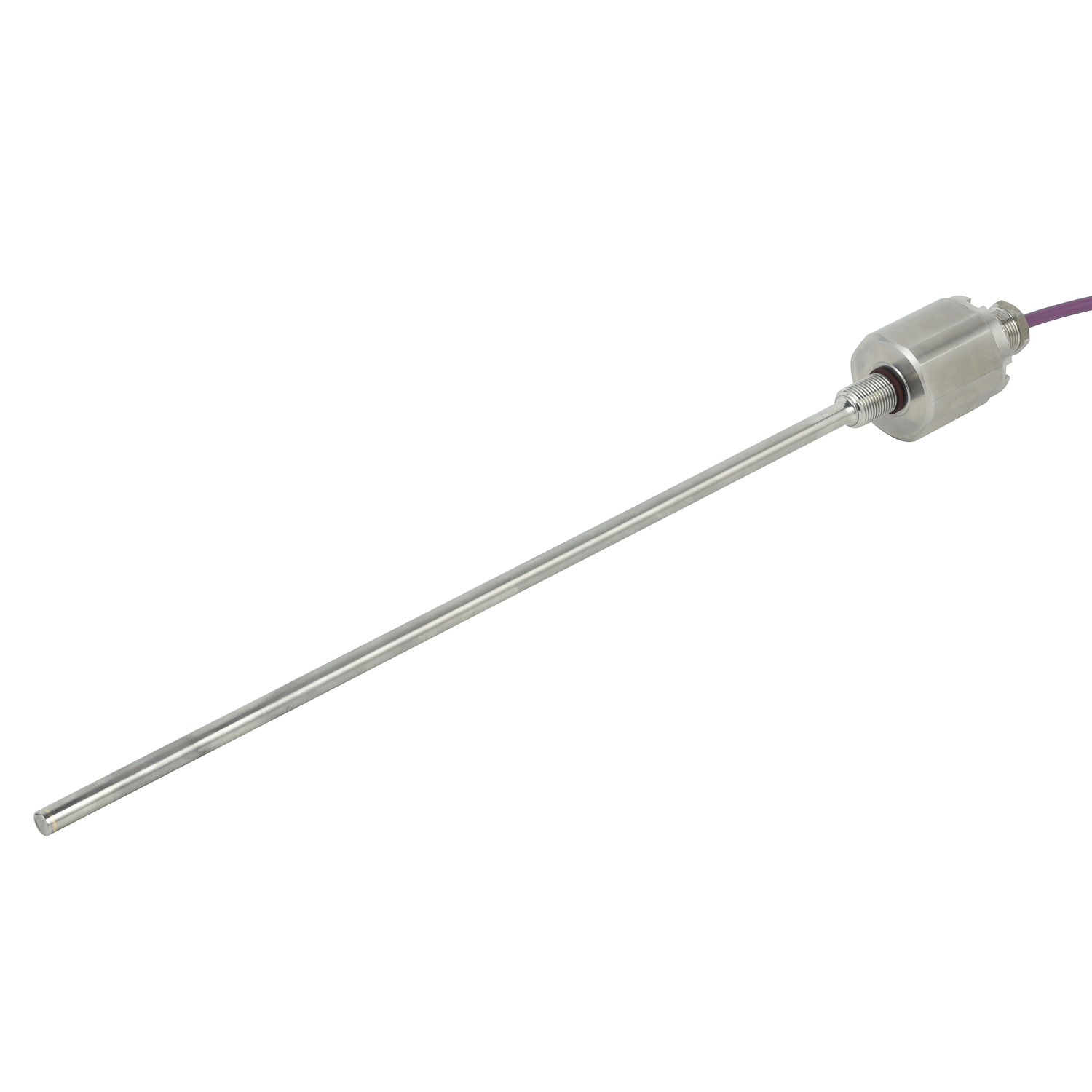
Installing a waterproof magnetostrictive displacement sensor in a sewage treatment material tank requires careful preparation to ensure accurate measurement and long-term reliability. First, verify the sensor's protection rating, measuring range, output signal, and chemical compatibility with wastewater and tank materials. Isolate the tank, drain or lower the liquid level, and follow confined-space safety procedures. Select a mounting point away from agitators, inlet turbulence, and debris accumulation. Weld or fix a stable stainless-steel bracket perpendicular to the measured surface. Install the sensor probe and magnetostrictive position magnet according to the manufacturer's stroke and dead-zone requirements. Keep the probe aligned with the magnet travel path and avoid mechanical stress. Seal cable entries with waterproof glands, use continuous conduit, and route cables above the maximum water level. Connect power, signal, and grounding wires correctly; use shielded cable and single-point grounding to reduce interference. After installation, check insulation resistance and waterproof sealing, then perform zero and span calibration. Simulate movement to confirm linear output and alarm response. Use flexible couplings where vibration is present, and torque fasteners to specification. Finally, record installation data and schedule periodic inspections for seal aging, cable damage, and signal drift. Proper installation protects the sensor from humidity, sludge, and vibration, ensuring stable level or displacement monitoring in sewage treatment material tanks.
 Shield Tunneling Hoist High-te
 Injection Molding Die Casting
 Construction Machinery Crane M
 Power Plant Bridge Crane Non-c