
Construction Machinery Crane Magnetostrictive Displacement Sensor Fault
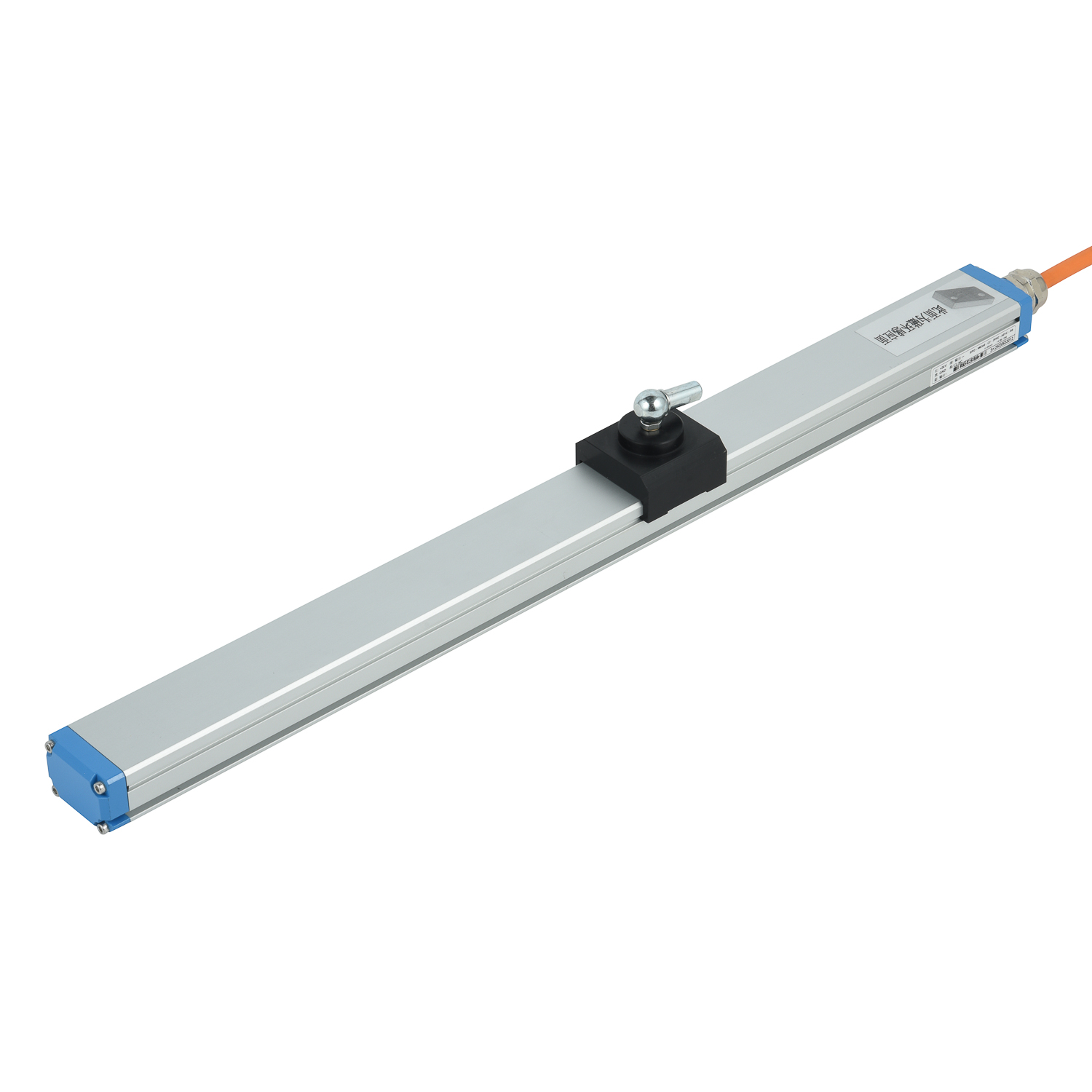
Magnetostrictive displacement sensors are critical components on construction machinery cranes. They monitor boom extension, outrigger position, and load-handling geometry, so a sensor fault can interrupt operation, trigger alarms, or cause inaccurate control. Common symptoms include erratic position readings, signal loss, mechanical drift, and controller error codes. Before replacing the sensor, inspect the installation. Loose mounts, bent rods, contaminated connectors, and damaged cables are frequent causes. Moisture, dust, and continuous vibration on harsh jobsites can degrade seals and wiring. Check supply voltage, grounding, and CAN or analog signal output with a multimeter or diagnostic tool. Compare live values with manual measurements to confirm calibration and verify the magnet ring position. Clean connector pins, secure harnesses, and protect cables from rubbing or heat. If readings remain unstable, perform resistance and insulation tests. A shorted cable or damaged sensor housing requires replacement with an OEM-specified part. After repair, recalibrate the system and cycle the crane through its full range. Preventive maintenance—regular inspection, connector sealing, cable protection, and vibration control—extends sensor life and reduces downtime. Accurate diagnosis protects crane safety, improves productivity, and avoids unnecessary parts replacement. Operators should record fault codes and environmental conditions because intermittent faults often appear only under vibration, temperature change, or moisture ingress. A structured troubleshooting sequence saves time and ensures reliable lifting performance. Always follow lockout and tagout procedures, use calibrated instruments, and consult the crane manufacturer's service manual before adjustment or replacement. Keep maintenance records to identify repeat failures and schedule proactive inspections.

 Injection Molding Die Casting
Construction Machinery Crane M
 Power Plant Bridge Crane Non-c
 Port Stacker-reclaimer Intrins