
Mixing Station Silo Explosion-proof Magnetostrictive Displacement Sensor Selection
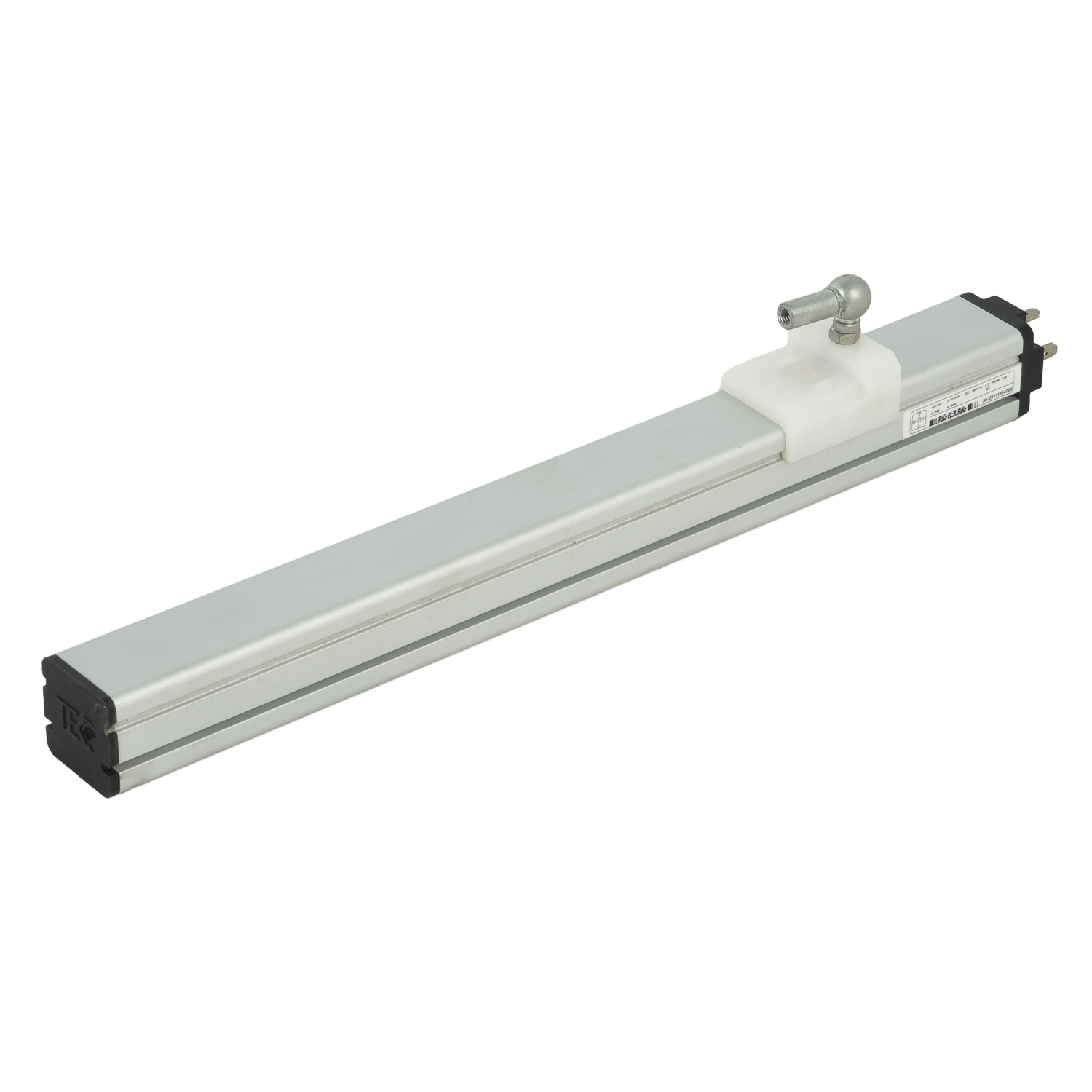
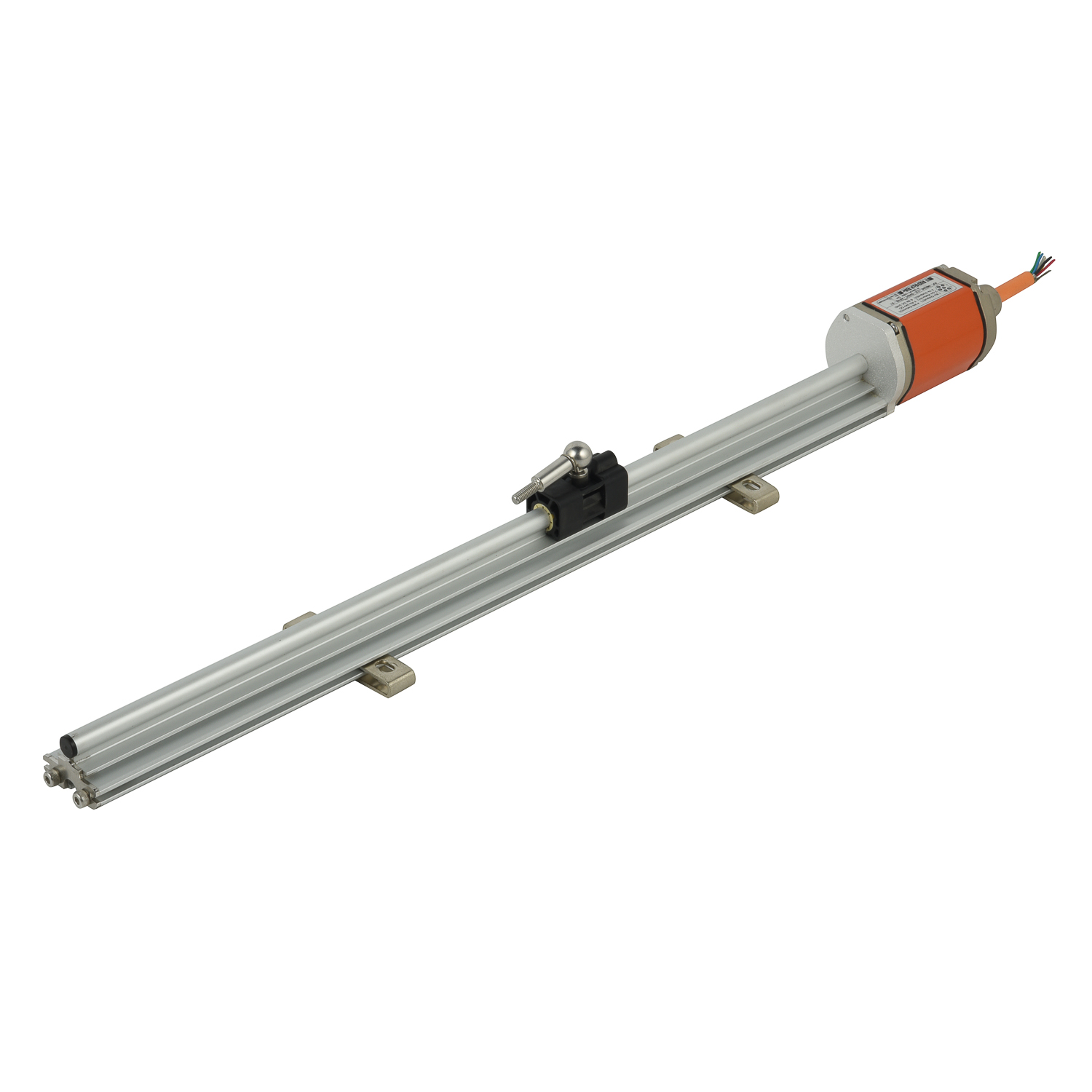
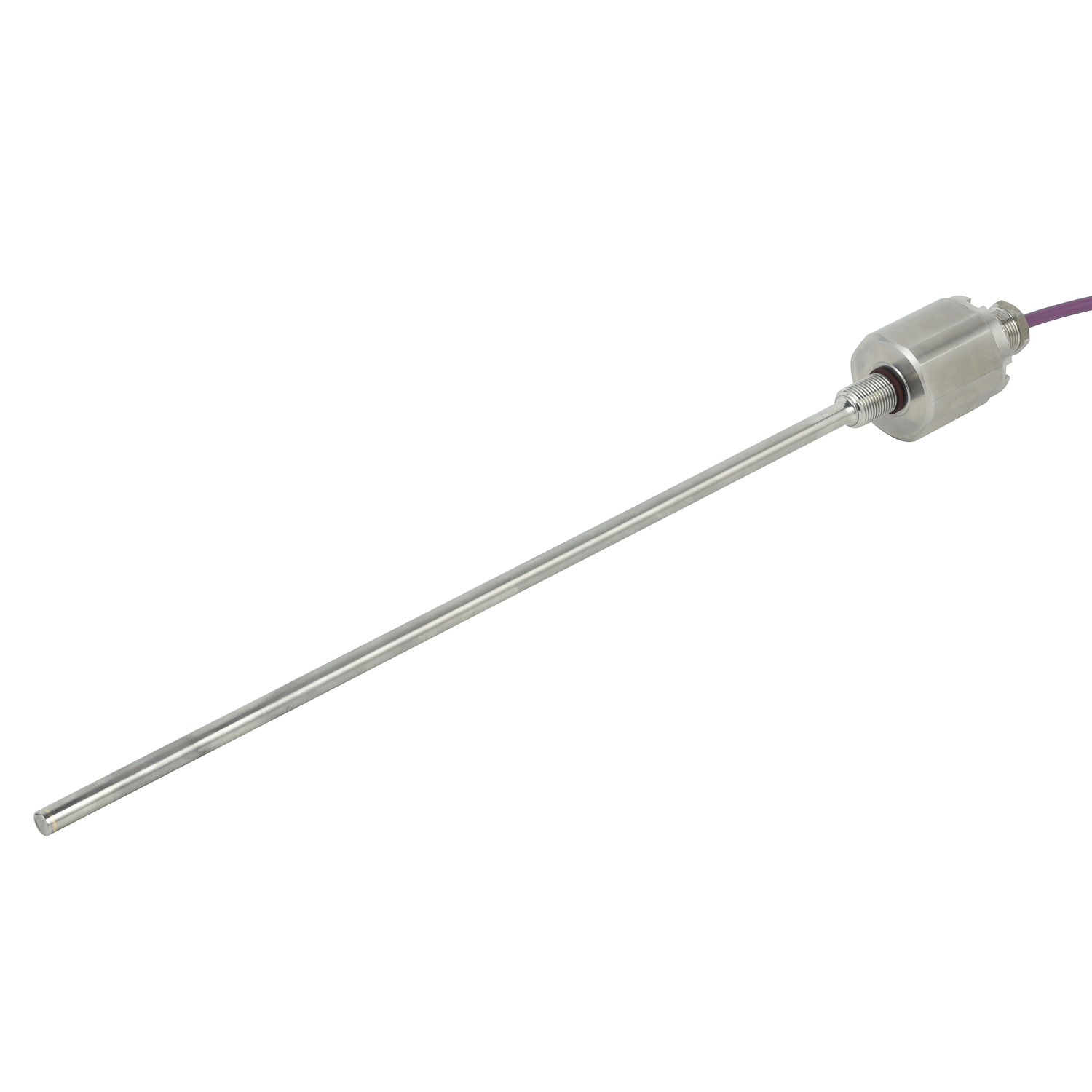
Selecting an explosion-proof magnetostrictive displacement sensor for a mixing station silo requires a safety-first review of the actual dust and process conditions. First confirm the hazardous area classification and required certification, such as ATEX or IECEx, and match the sensor's explosion protection method to combustible dust zones. The enclosure should provide a high IP rating, robust stainless steel or coated housing, and reliable sealing against fine powder, moisture, and washdown. Next define the mechanical and measurement requirements. Specify measuring range with a safe margin, rod length, stroke, resolution, repeatability, and response speed. Verify flange or thread mounting, rod material, pressure rating, and available installation space on the silo gate, valve, or discharge cylinder. For outdoor mixing stations, consider temperature extremes, vibration, shock, and corrosion. Avoid long unsupported rods that may bend during material flow. Finally review electrical compatibility and maintenance. Choose output signals such as 4-20 mA, RS485, or SSI that match the control system, and confirm EMC protection for VFDs and motors. Use shielded cables, proper grounding, and a certified barrier or isolated output where required. Ask for test reports, calibration data, spare parts, and fast technical support. A correctly selected sensor improves silo gate position feedback, reduces downtime, and maintains safe operation in dusty mixing plants.
 Grain and Oil Storage Tank Rea
Mixing Station Silo Explosion-
 Shield Tunneling Hoist High-te
 Injection Molding Die Casting