
Grain and Oil Storage Tank Reaction Kettle High-pressure Magnetostrictive Displacement Sensor Price
When buyers compare prices for high-pressure magnetostrictive displacement sensors used in grain and oil storage tanks and reaction kettles, they are not comparing a simple commodity. The sensor must survive pressure, temperature, vibration, and aggressive media while delivering stable position feedback for valves, agitators, and level-control systems. This explains why quotations for the same apparent model can vary widely.
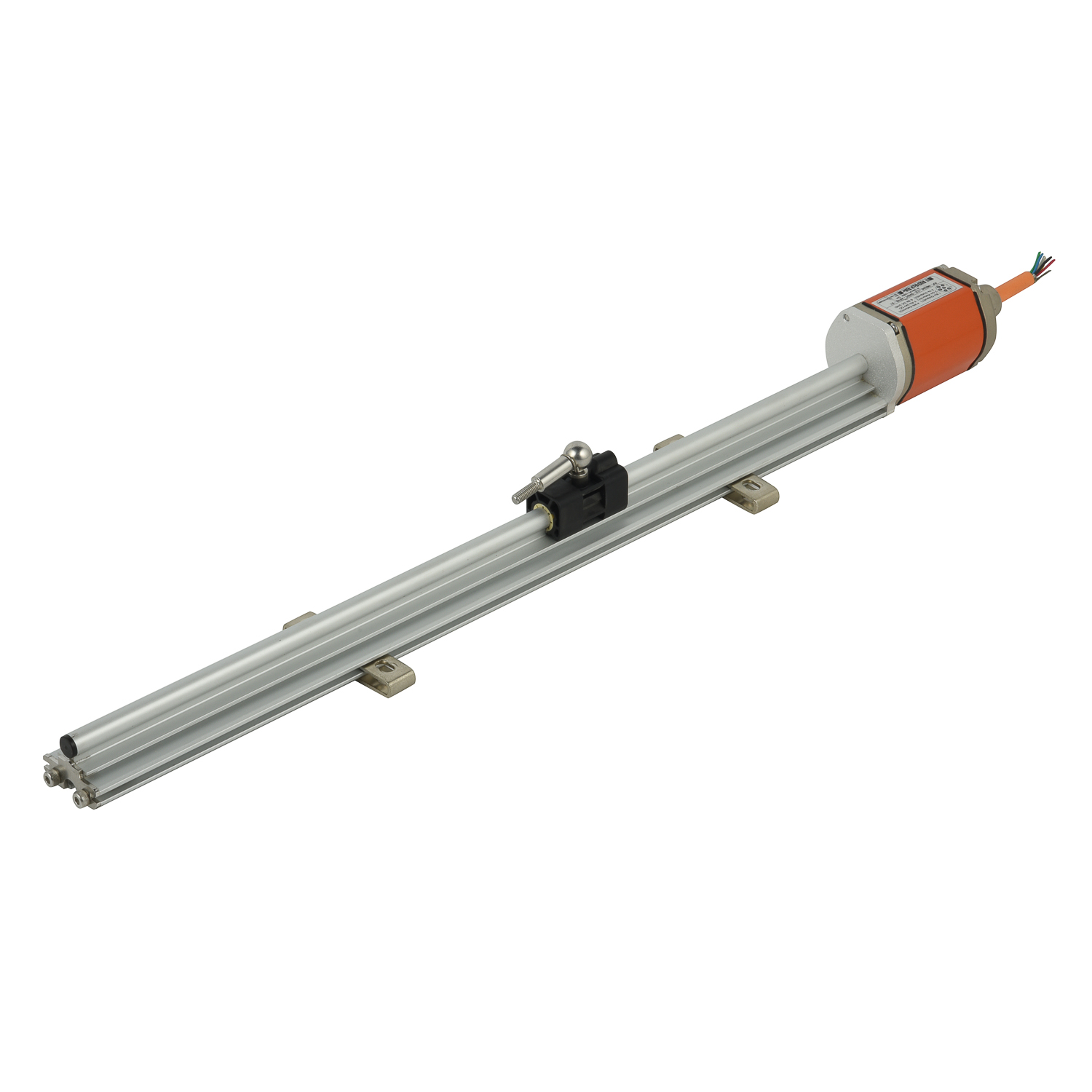
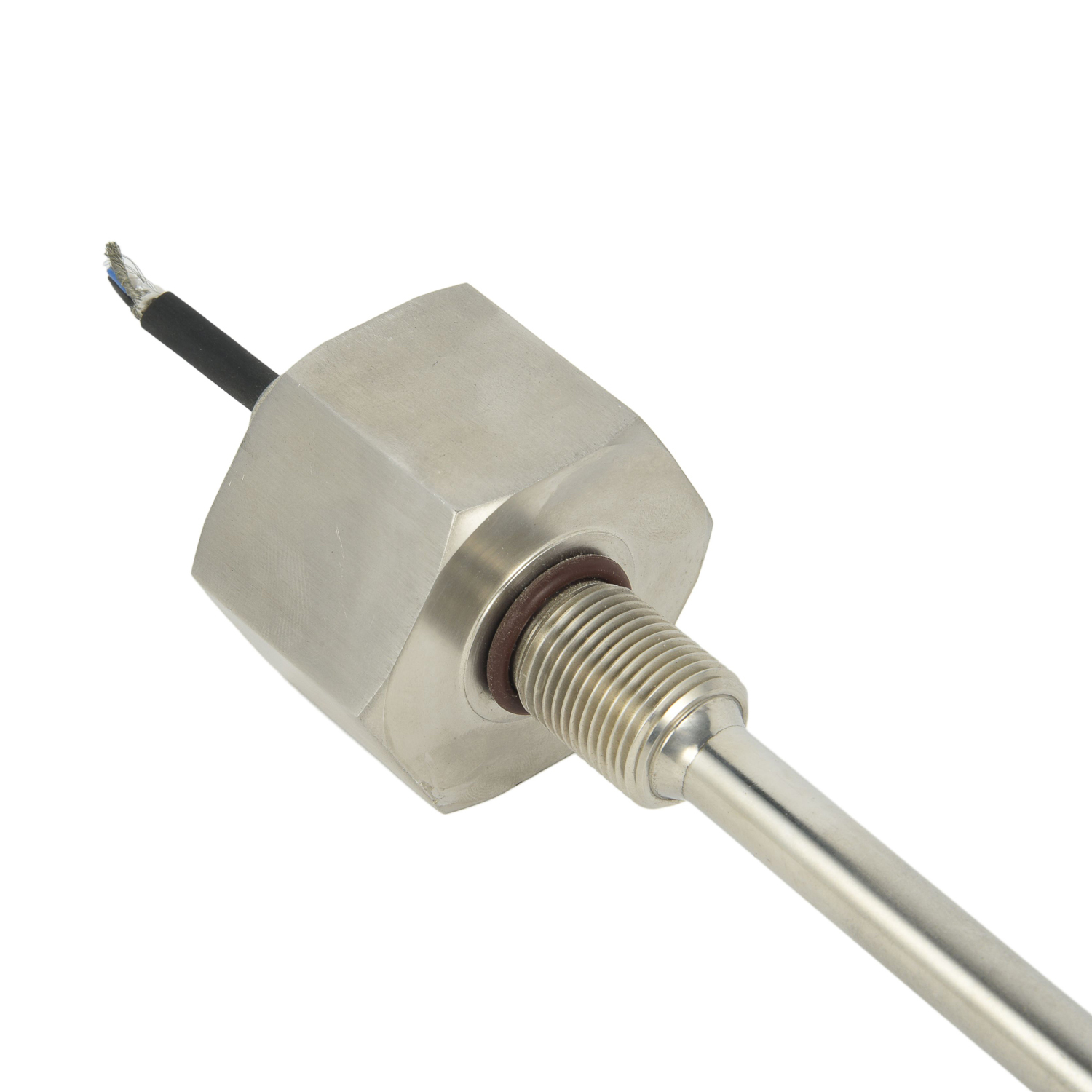
In grain and oil tanks, the sensor often supports level, floating roof, or discharge control. In reaction kettles, it may monitor agitator stroke, valve opening, or sealing position under pressure. Stainless steel housings, explosion-proof certification, pressure ratings, stroke length, output signals such as 4-20 mA or Modbus, cable glands, and process connections all affect the final price. A basic sensor may suit a small tank, while a customized high-pressure unit with ATEX protection and media resistance costs more.
Market prices cannot be fixed without technical data. Low-volume standard units may start at a few hundred dollars, while high-pressure, long-stroke, explosion-proof, and food-grade or oil-resistant versions can reach thousand dollars. Buyers should request a datasheet-based quote, confirm calibration and warranty, and evaluate total cost, not only the unit price. Reliable suppliers provide drawings, test reports, and application support, helping grain and oil plants and kettle operators choose a sensor that balances accuracy, durability, and budget.
 Metallurgy Explosion-proof Mag
Grain and Oil Storage Tank Rea
 Mixing Station Silo Explosion-
 Shield Tunneling Hoist High-te