
Water Conservancy Gate Corrosion-resistant Radar Sensor
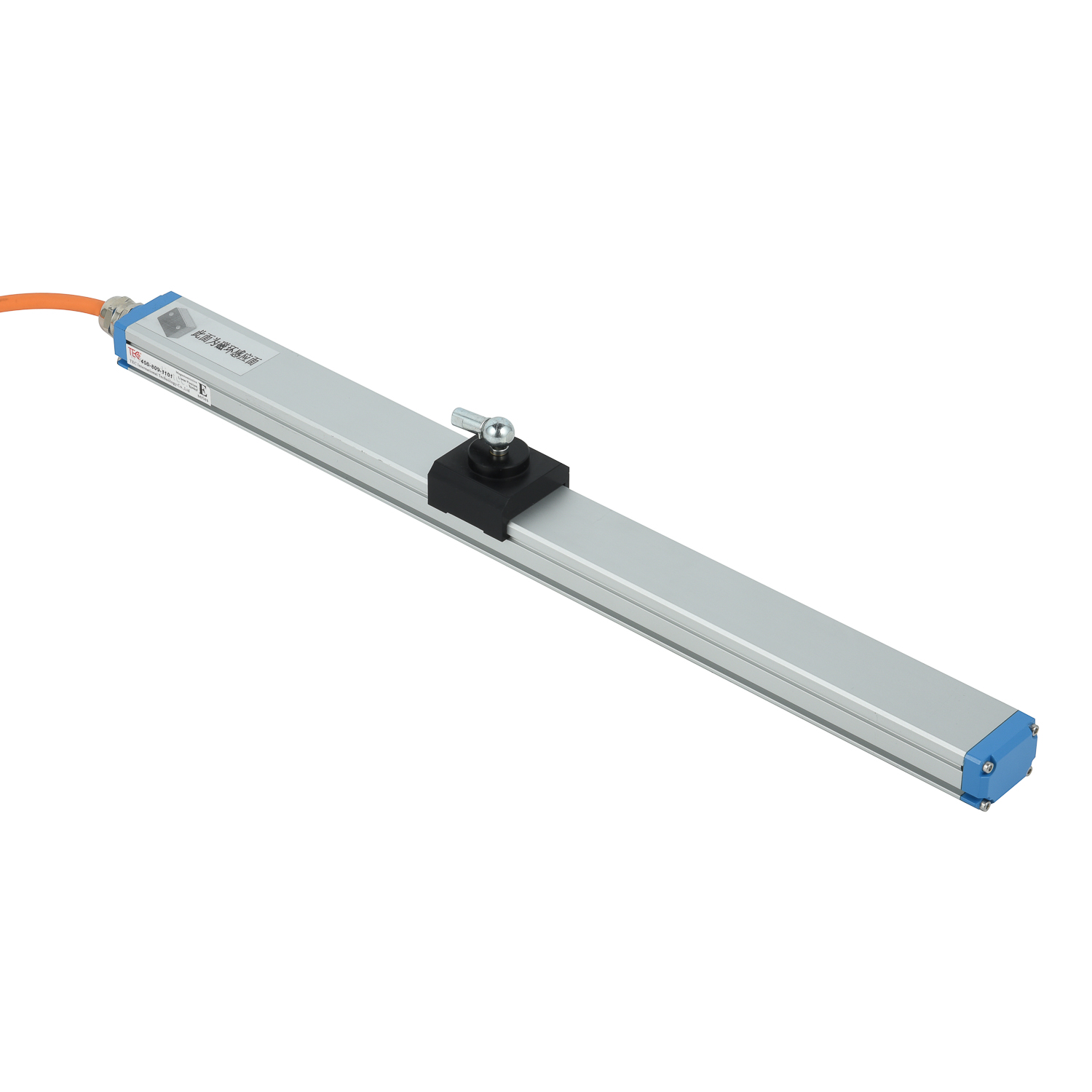
Water conservancy gates operate in humid, splash-prone, and chemically aggressive environments. Conventional sensors often fail due to corrosion, silt, and debris. A corrosion-resistant radar sensor provides non-contact measurement, so it avoids direct contact with water, mud, and pollutants. This reduces maintenance and extends service life. The sensor uses high-frequency radar to detect gate position, water level, and opening status through rain, mist, and low visibility. Its sealed housing, anti-corrosion coating, and robust mounting protect against moisture, salt spray, and seasonal flooding. Integrated signal filtering helps suppress false echoes from metal structures and turbulent water. Operators can use real-time data for remote monitoring, flood control, and predictive maintenance. By combining durable materials with reliable radar sensing, the system improves safety, reduces downtime, and supports smart water management in rivers, canals, and reservoirs. Unlike contact probes, radar measurement is not affected by sediment buildup or debris accumulation. It can be mounted above the gate or channel, simplifying installation and avoiding obstruction of water flow. The corrosion-resistant housing withstands humidity, chemical splash, and temperature changes, making it suitable for coastal and industrial waterways. Standard communication interfaces support easy integration with SCADA and IoT platforms. Real-time alerts help operators plan maintenance before corrosion-related failures occur.
 Working Principle of High-pres
 Technical Parameters of High-t
 Waterproof Turbine Flowmeter P
 Intrinsically Safe Explosion-p