
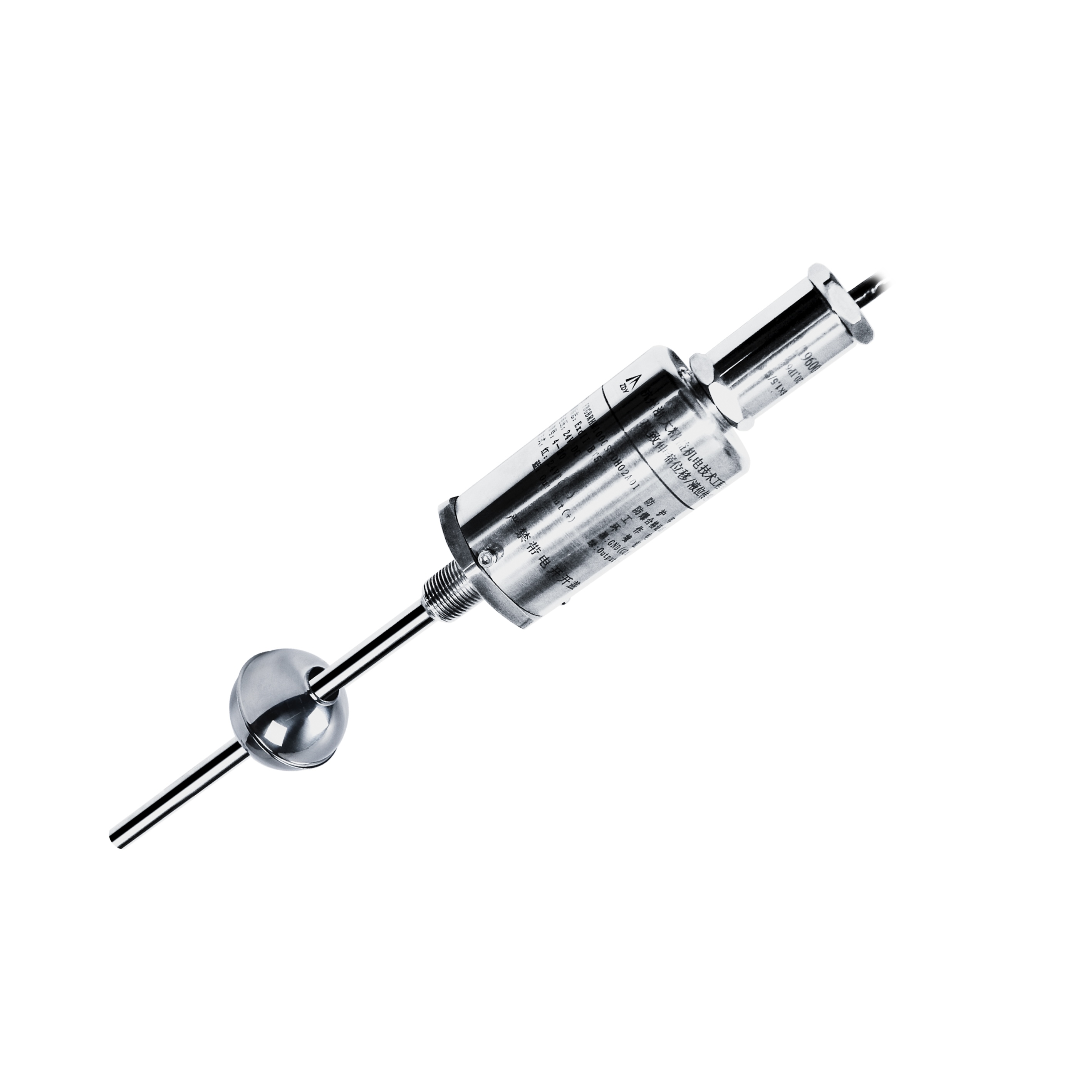
Chemical Reaction Kettle Intrinsically Safe Explosion-proof Radar Sensor
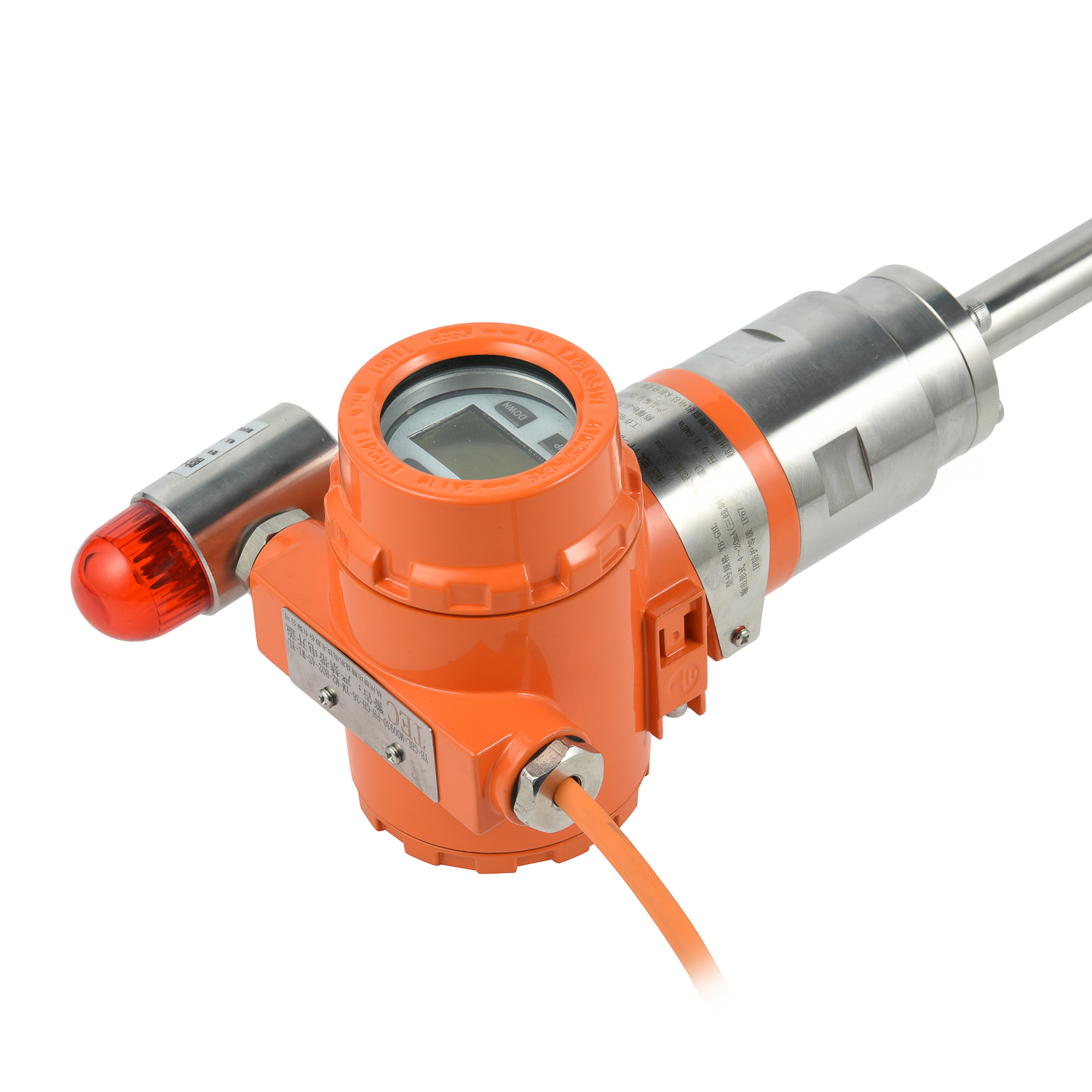
Chemical reaction kettles run under high temperature, pressure, agitation, and corrosive media. Reliable level measurement is essential for safe dosing, batch control, and overfill prevention. An intrinsically safe explosion-proof radar sensor offers non-contact measurement through the vessel top, avoiding product contamination and mechanical wear. Its low-power intrinsically safe circuit limits ignition energy, while the explosion-proof housing contains any internal spark or heat. High-frequency radar pulses detect liquid, slurry, or foam levels accurately even with vapor and condensation. PTFE or ceramic antennas resist acids, solvents, and buildup. The sensor can provide 4-20 mA, HART, or Modbus output for DCS/PLC integration. During installation, keep the radar beam clear of agitator blades, nozzles, and feed streams; confirm the measuring range; and set echo thresholds correctly. Regular cleaning, self-diagnosis, and proof testing maintain stable performance in hazardous areas. This solution improves process safety, reduces downtime, and supports reliable chemical production. Because the sensor is non-contact, it avoids coating, clogging, and seal issues common with intrusive probes. It is suitable for reactors, mixing tanks, and storage vessels in fine chemicals, pharmaceuticals, and petrochemical plants. Choose the antenna material and process connection for the actual solvent, acid, and temperature. Proper calibration and parameter setup ensure repeatable results and faster commissioning.
 Installation Method of Flange-
 Working Principle of High-pres
 Technical Parameters of High-t
 Waterproof Turbine Flowmeter P