
Sewage Treatment Flange-mounted Radar Sensor
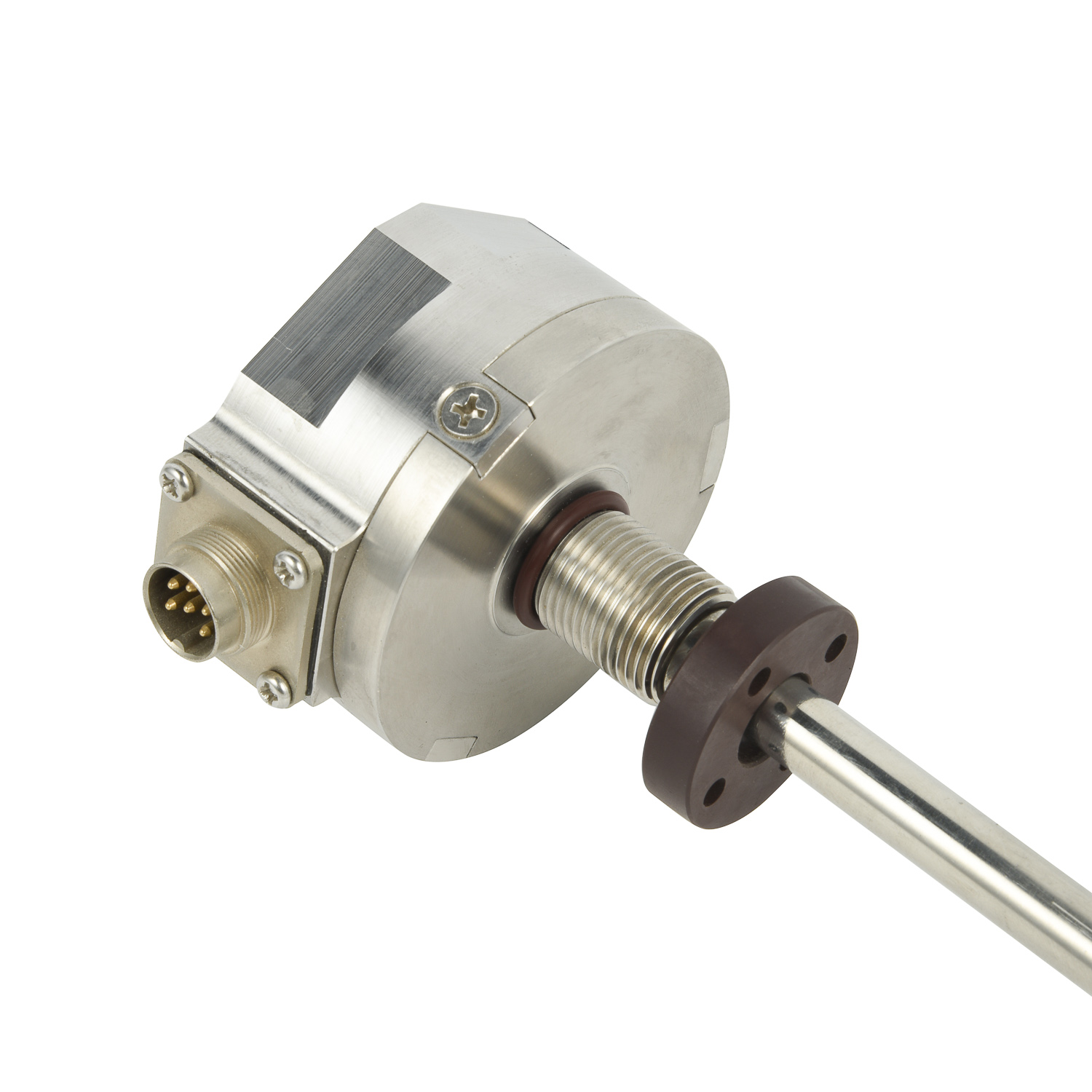
Sewage treatment plants require reliable level measurement in wet wells, grit chambers, sludge tanks, and chemical dosing areas. A flange-mounted radar sensor offers a practical solution for these challenging environments. Mounted on a standard flange, the sensor transmits a high-frequency microwave signal and measures the echo from the liquid surface. Because it is non-contact, it avoids clogging, wear, and contamination common with float switches and pressure transmitters.
Flange mounting provides a secure, sealed installation that suits concrete tanks, metal vessels, and retrofit projects. The radar sensor can measure through foam, steam, and changing temperature, while its narrow beam reduces false echoes from pipes, ladders, and tank walls. In sewage treatment, accurate readings support pump control, overflow prevention, flow balancing, and sludge management. The sensor also helps reduce maintenance because there are no moving parts and no contact with corrosive wastewater.
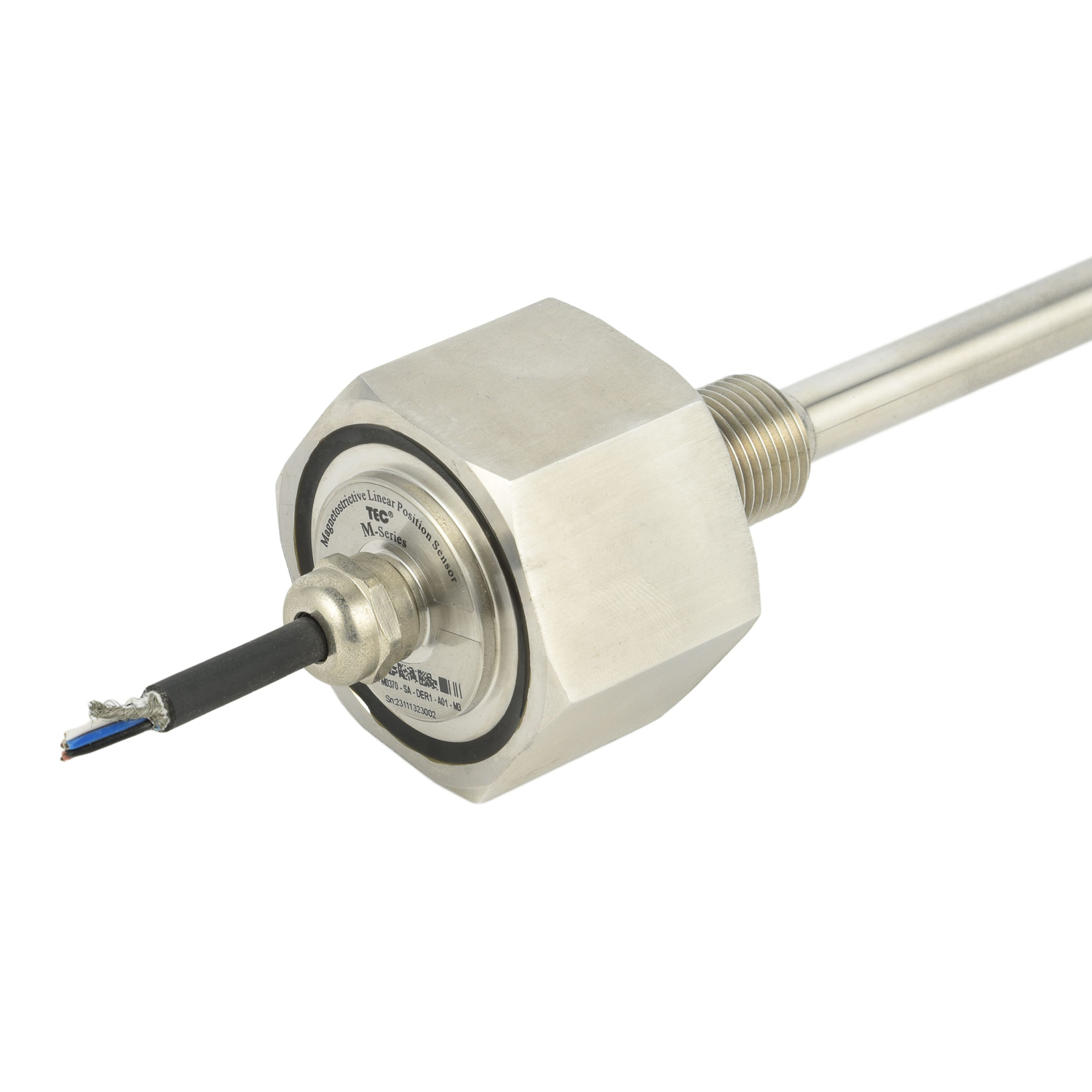
Selecting the right model requires attention to flange size, process temperature, pressure, measuring range, and signal output. A robust housing and IP68 protection are valuable for humid, dirty sites. With proper installation and configuration, a flange-mounted radar sensor improves operational reliability and supports efficient, low-maintenance sewage treatment.
 Import Substitute Rod-type Tur
 Installation Method of Flange-
 Working Principle of High-pres
 Technical Parameters of High-t