
Grain and Oil Storage Tank Non-contact Radar Sensor
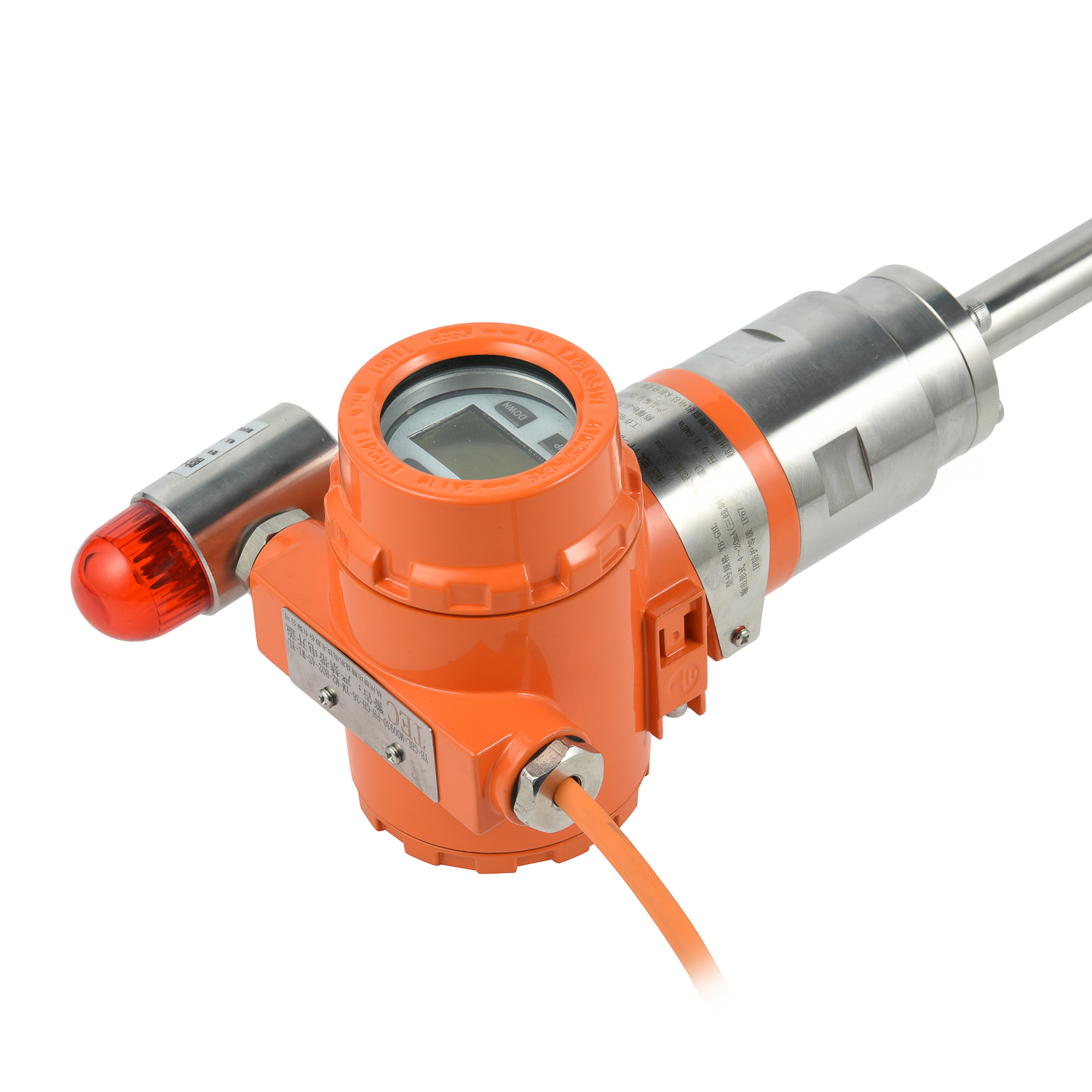
Non-contact radar sensors are transforming level measurement in grain and oil storage tanks. Unlike mechanical floats or contact probes, radar sensors transmit high-frequency microwave pulses and analyze the echo from the product surface. This contactless method avoids contamination, wear, and material buildup, making it ideal for dusty grain silos and viscous oil tanks. Modern 80 GHz radar sensors provide narrow beams and high accuracy, even in tall tanks with internal structures. They deliver continuous, real-time level data for inventory control, overfill prevention, and automated logistics. Because measurement is independent of density, temperature, and humidity, performance remains stable across changing conditions. Installation at the tank top is simple, and no moving parts means low maintenance. For grain storage, non-contact sensing reduces the risk of grain damage and insect disturbance. For oil storage, it supports safe, hygienic operation without touching the product. Operators can connect sensors to PLCs, SCADA, or cloud platforms for remote monitoring and alarms. Proper mounting, avoiding obstructions, and selecting the right antenna help ensure reliable signals. With reliable echo processing and robust housings, they suit harsh outdoor environments and hazardous areas. Overall, non-contact radar sensors improve safety, accuracy, and efficiency in grain and oil storage, helping facilities reduce downtime and optimize stock management. They also lower operating costs.
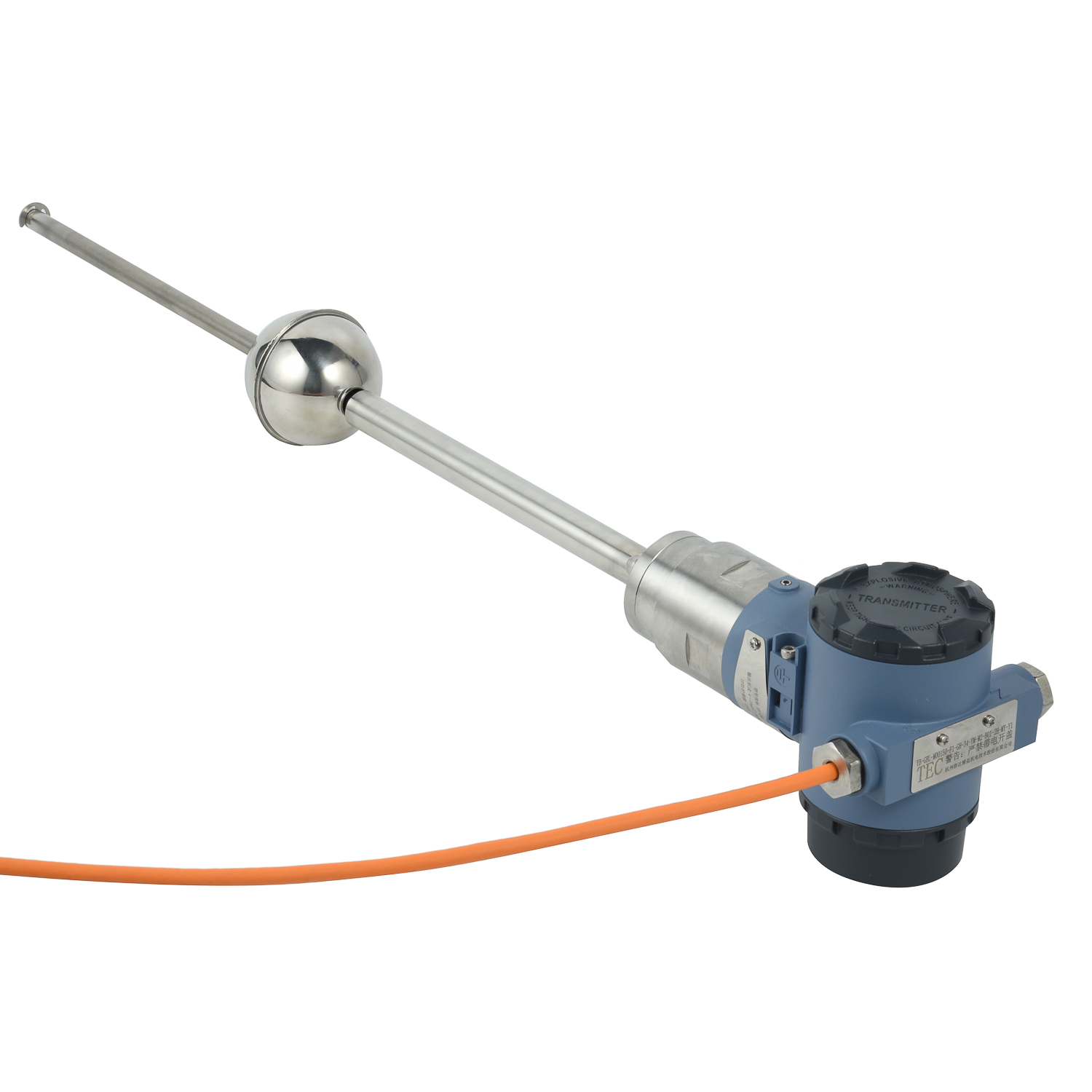
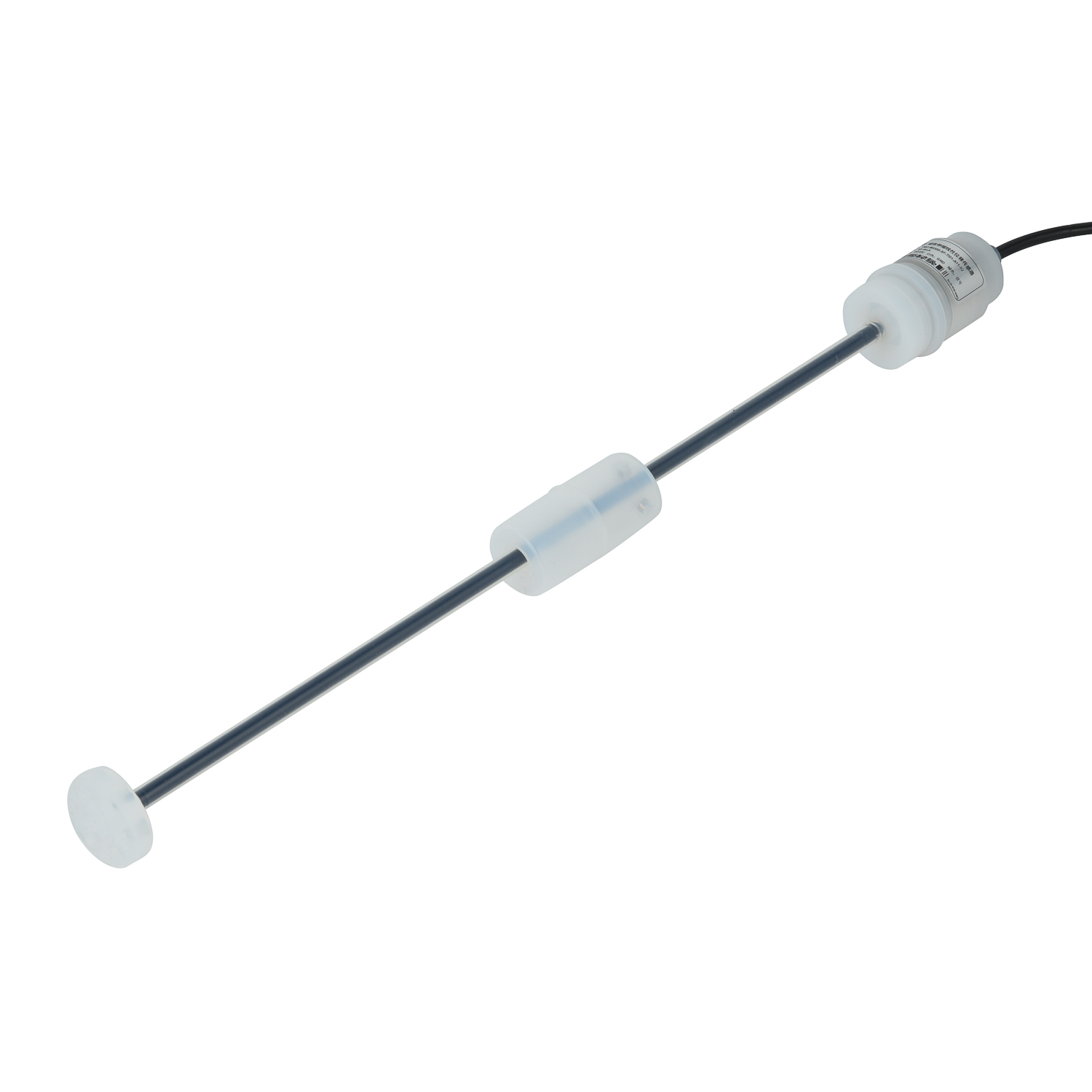 Model and Specification of Cor
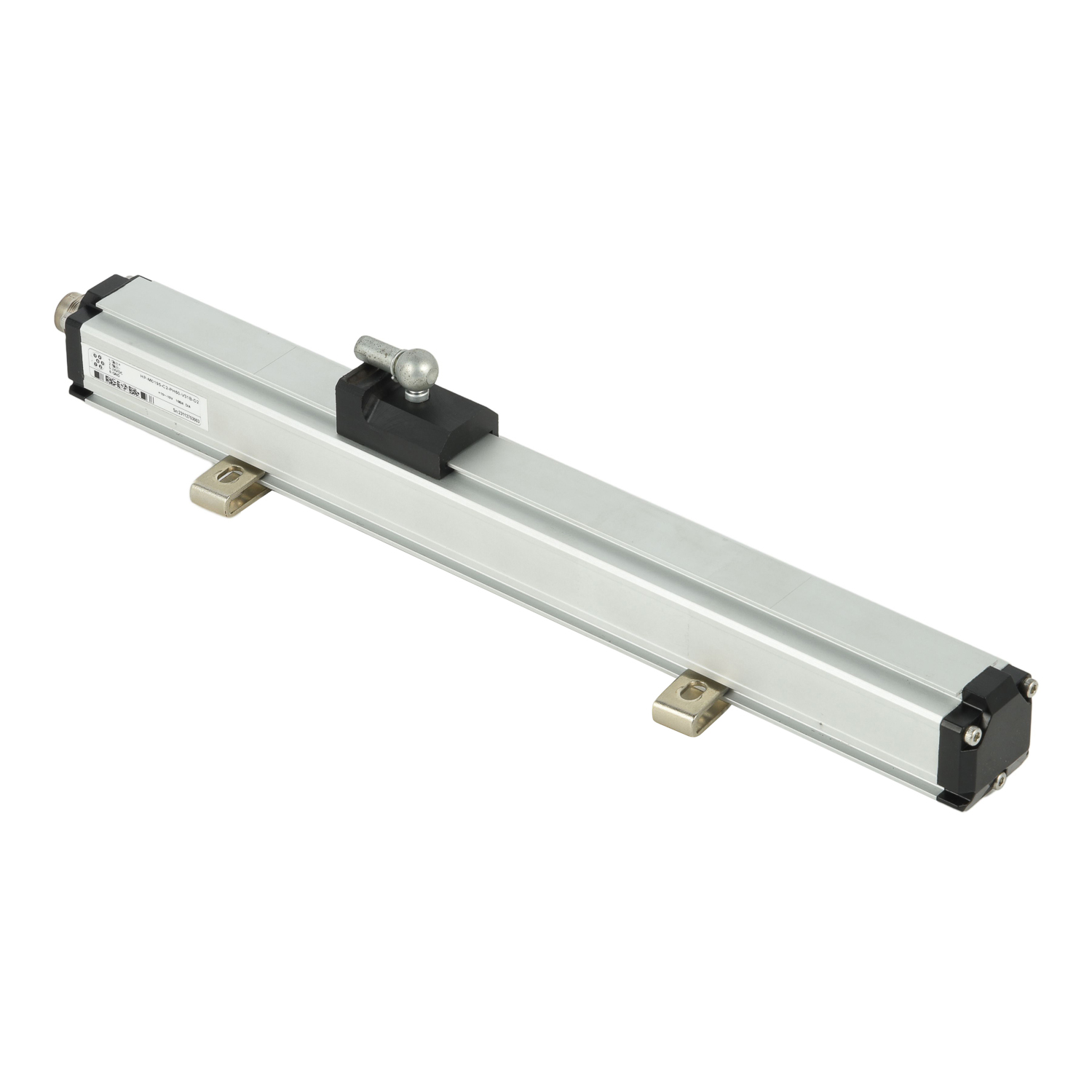 Import Substitute Rod-type Tur
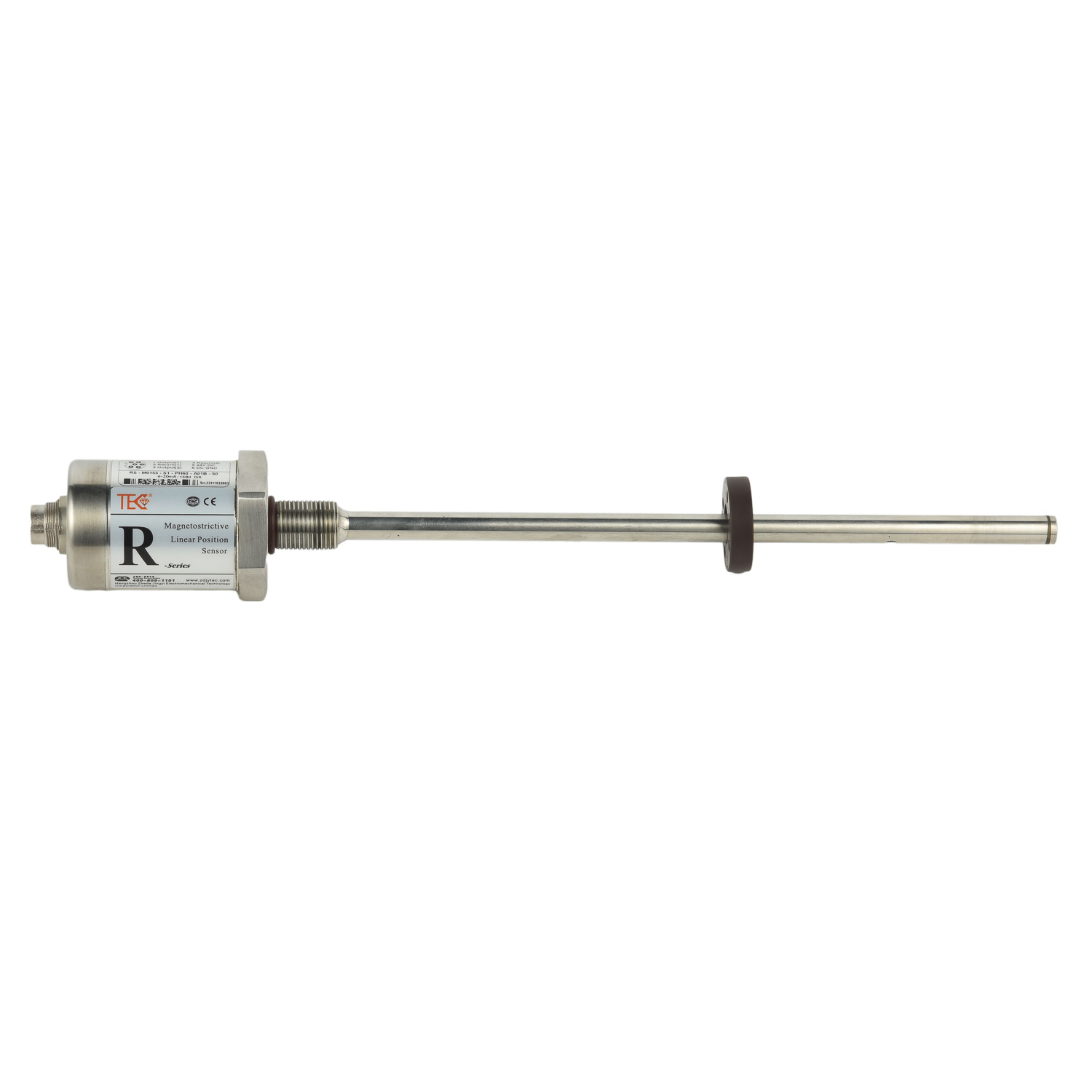 Installation Method of Flange-
 Working Principle of High-pres