
Waterproof Turbine Flowmeter Price
When buyers compare a waterproof turbine flowmeter price, the first question is often why quotes vary so widely. The answer lies in specifications. A basic IP65 unit for clean water may cost far less than an IP68 stainless-steel model built for harsh outdoor or submerged use. Size, body material, turbine material, bearing type, pressure rating, accuracy class, output signal, and display options all affect the final cost.
For typical water treatment, irrigation, and HVAC monitoring, a standard waterproof turbine flowmeter with pulse or 4-20 mA output is usually the most economical choice. Models with LCD displays, battery power, Modbus communication, or explosion-proof certification cost more because they include extra electronics and testing. Custom threads, flanges, and high-temperature versions also raise the price.
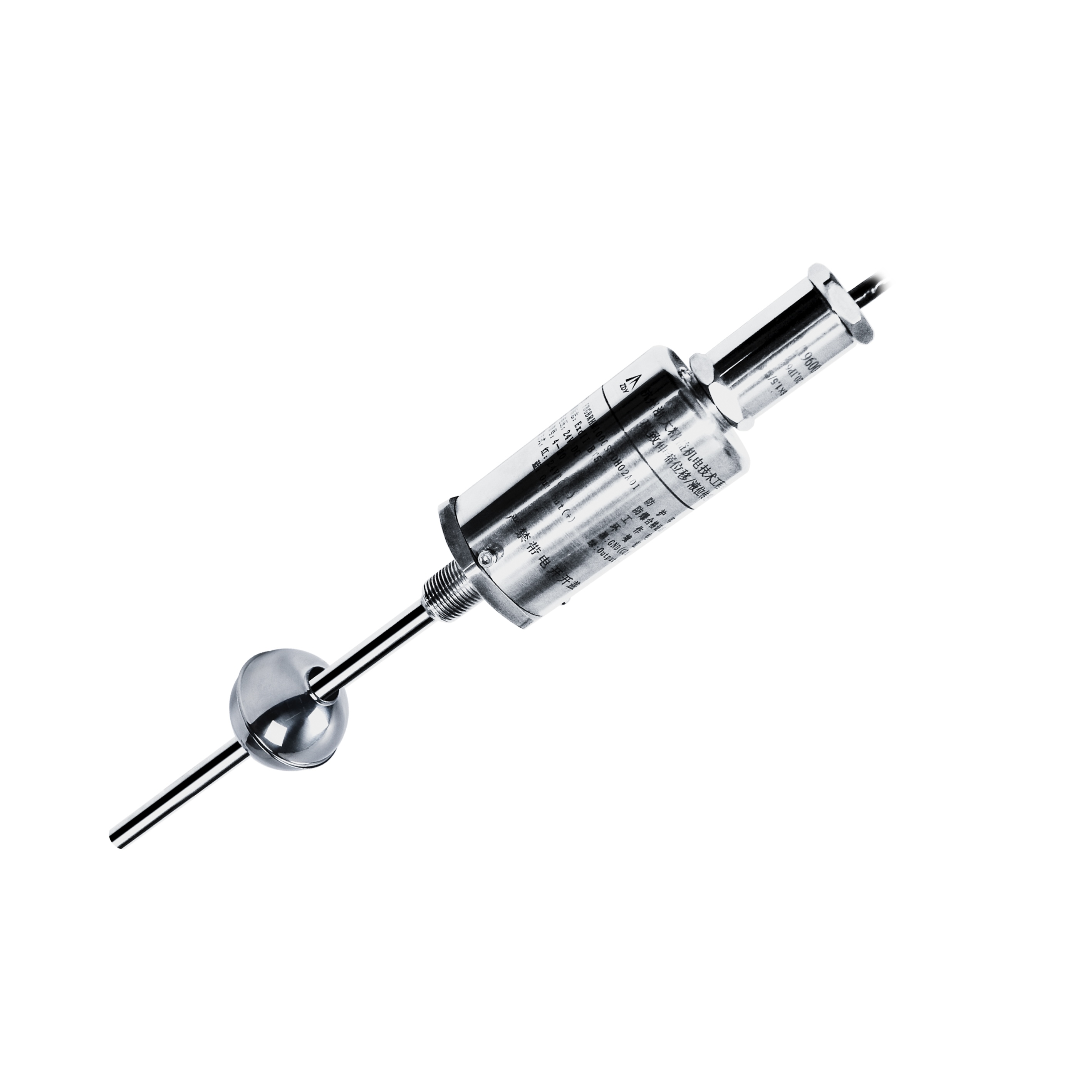
Price should not be the only consideration. A low-cost meter may save money at purchase but create higher maintenance costs if the bearings wear quickly or the electronics fail in wet conditions. Reliable suppliers provide clear data sheets, calibration reports, warranty terms, and fast after-sales support. Before ordering, confirm the pipe size, flow range, liquid compatibility, power supply, and required protection level.
To get an accurate waterproof turbine flowmeter price, request a quotation with your exact process conditions. Compare at least three suppliers and check whether calibration, shipping, duties, and spare parts are included. A well-matched flowmeter delivers stable measurement, lower downtime, and better long-term value than a cheap unit chosen by price alone.
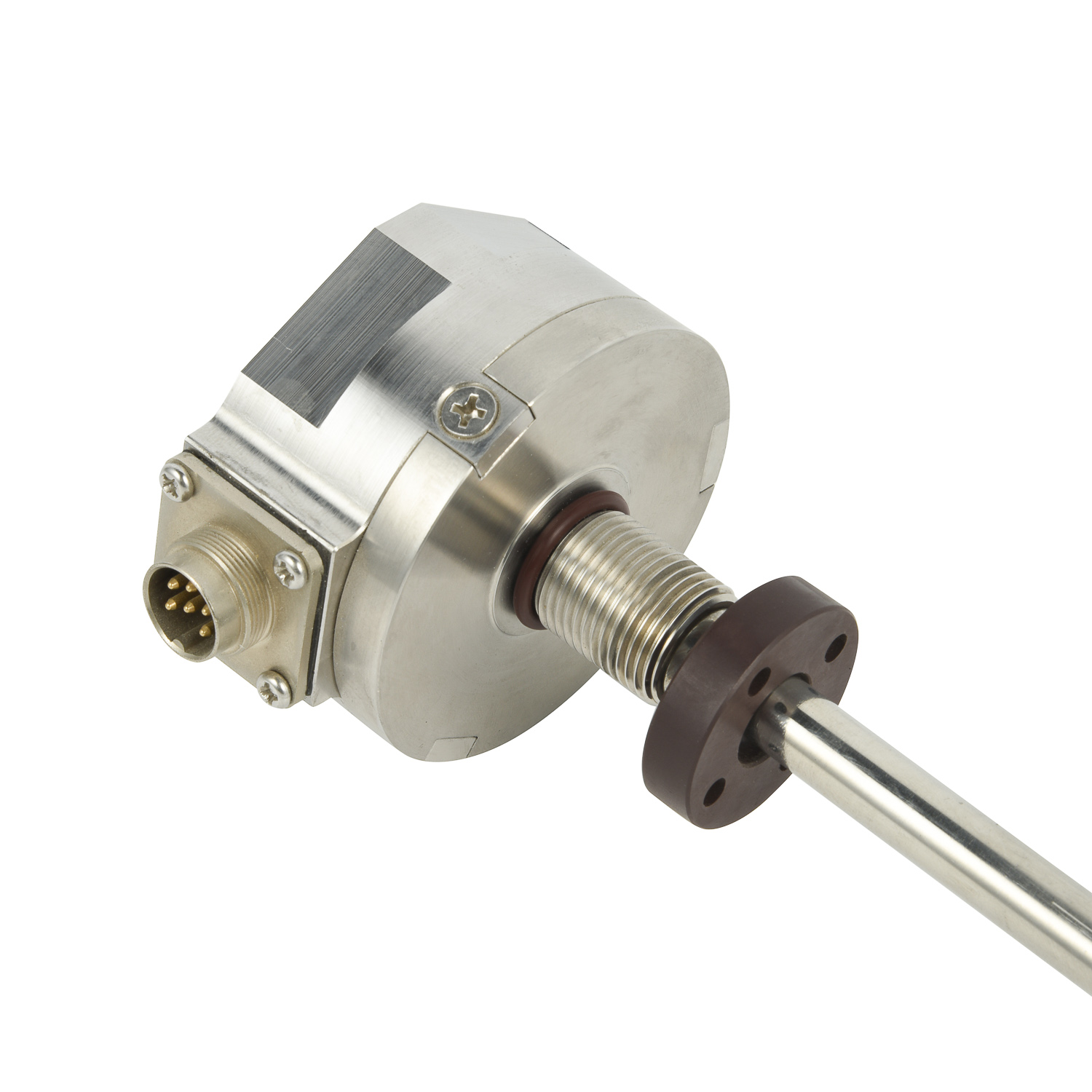 Technical Parameters of High-t
Waterproof Turbine Flowmeter P
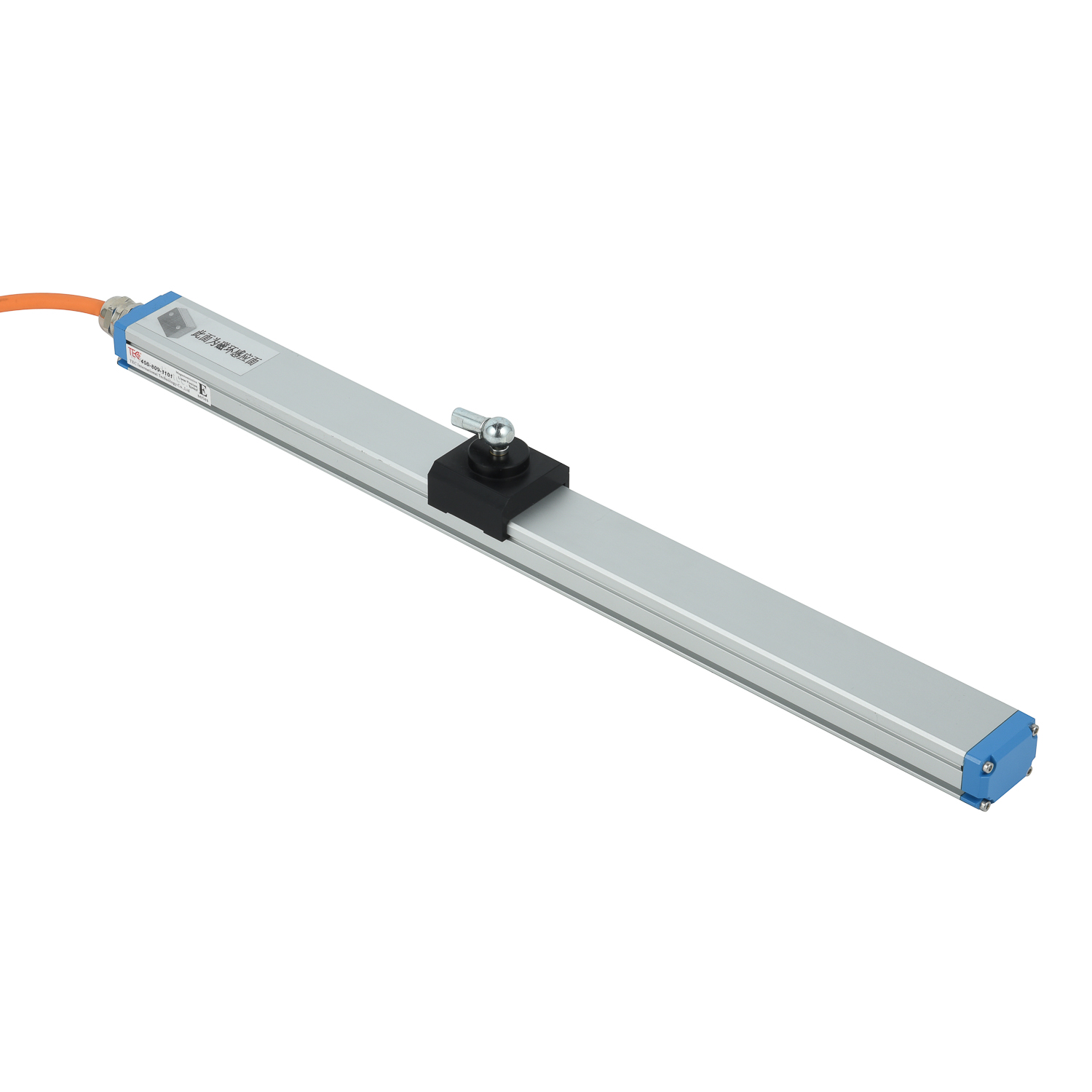 Intrinsically Safe Explosion-p
 Explosion-proof Turbine Flowme