
Intrinsically Safe Explosion-proof Turbine Flowmeter Selection
Selecting an intrinsically safe explosion-proof turbine flowmeter requires matching hazardous-area certification, process conditions, and signal safety. Confirm the zone classification and required protection level. Intrinsic safety limits circuit energy, while explosion-proof enclosures contain an internal explosion; choose the method accepted by the site and ensure the meter, barrier or isolator, and cable form a certified system. Check liquid compatibility, viscosity, density, and cleanliness. Turbine meters suit low-viscosity, clean fluids; select body and rotor materials that resist corrosion and erosion. Define maximum flow rates so the operating range stays within the linear band and avoid oversizing. Verify pressure rating, temperature limits, connection size, and pressure drop. Choose the correct output, such as pulse, 4-20 mA, or HART, and confirm it can pass through the associated safety barrier. Review accuracy, repeatability, turndown, and calibration needs. For installation, provide straight pipe, avoid trapped gas, ensure grounding and bonding, and follow manufacturer wiring and barrier parameters. Confirm that cable capacitance and inductance stay within the barrier limits. Compare ATEX/IECEx or local certificates, documentation, maintenance access, and spare-part availability before purchase. If the fluid is abrasive or contains solids, use filtration or another meter type; turbine bearings and rotor edges wear. Confirm viscosity correction and factory calibration.
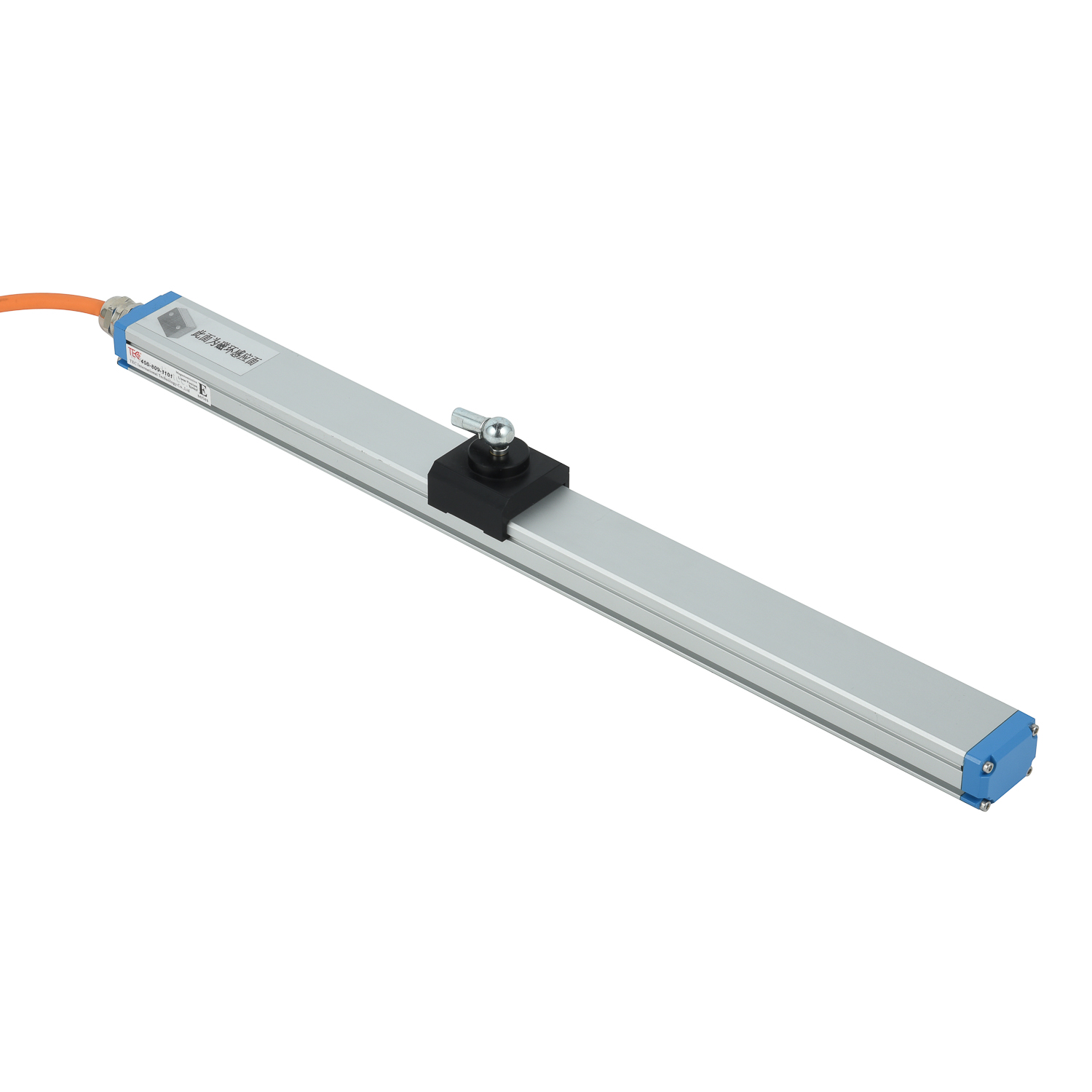
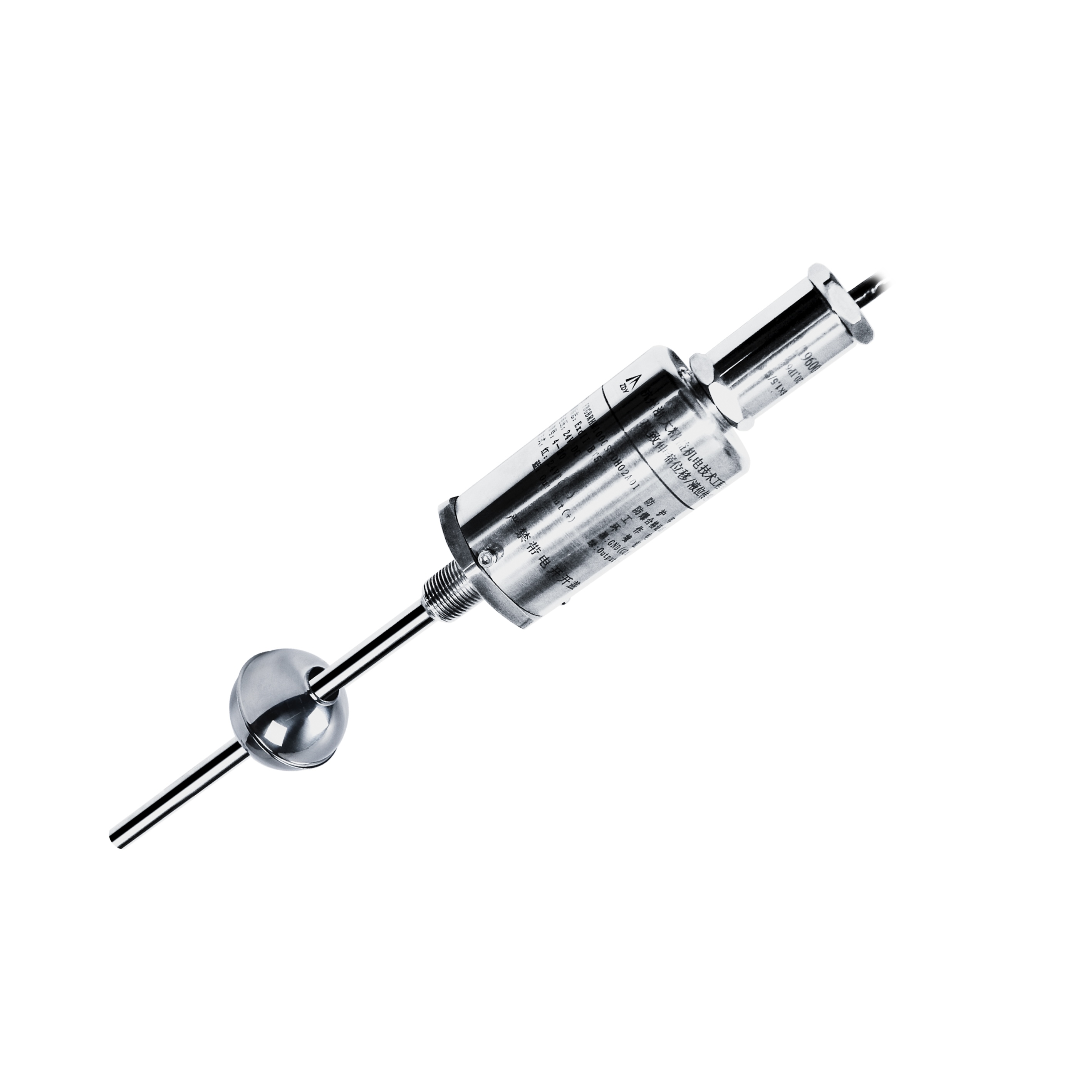 Waterproof Turbine Flowmeter P
Intrinsically Safe Explosion-p
 Explosion-proof Turbine Flowme
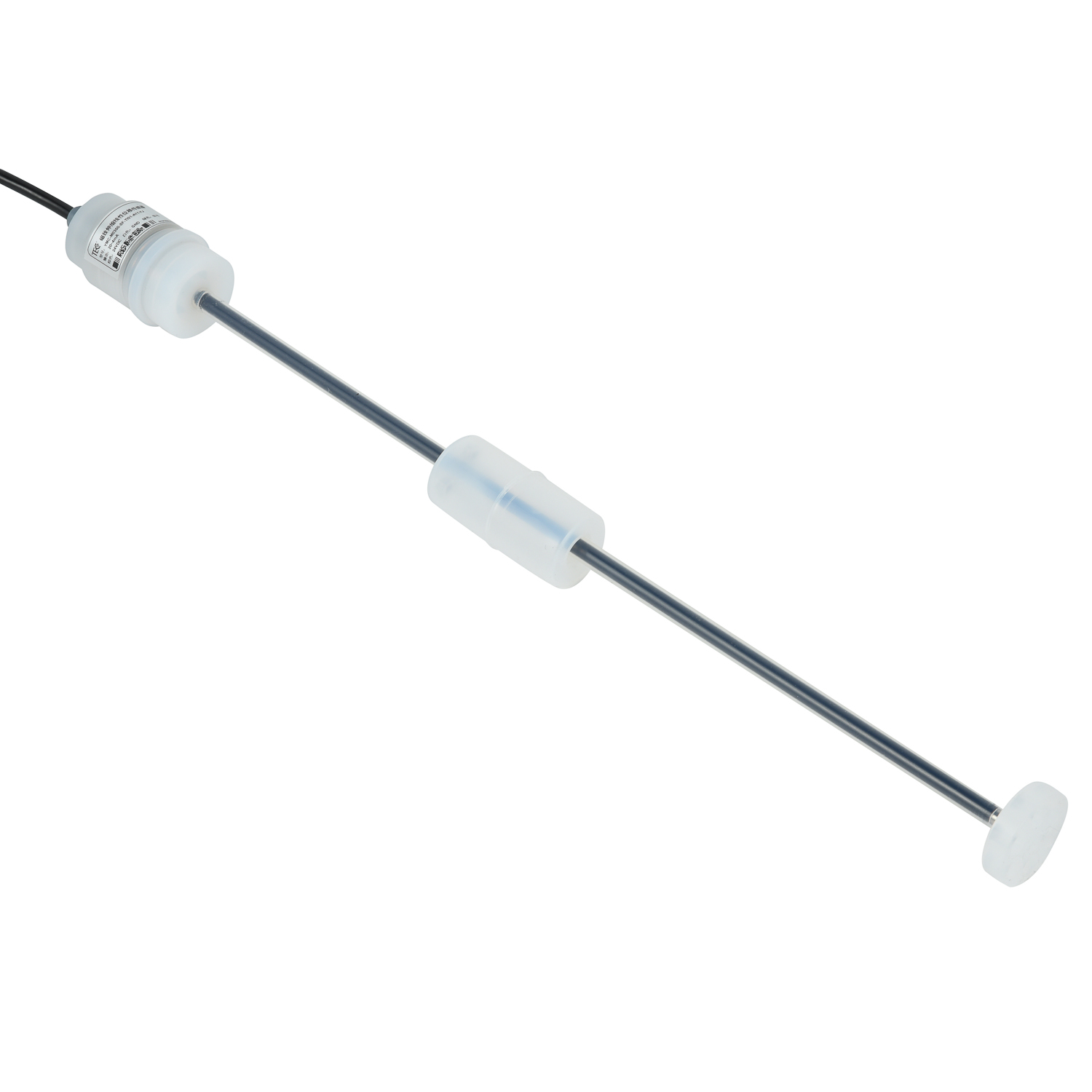 Turbine Flowmeter for Hoists