
Mixing Station Silo Radar Sensor
A mixing station silo radar sensor is a key device for accurate material level monitoring in concrete batching plants. It uses non-contact microwave technology to measure cement, fly ash, sand, and aggregate without touching the surface. Dust, humidity, and material buildup have little effect on radar signals, so the sensor performs well in harsh silo environments. The radar sensor transmits a narrow beam, receives the echo from the material, and calculates the distance to provide a continuous level reading. Common outputs include 4-20mA, RS485, and relay signals, allowing easy connection to PLC, HMI, and cloud inventory systems. Real-time data helps operators prevent overflow, avoid empty-silo downtime, and improve batching accuracy. For best results, install the sensor on the silo top away from the filling inlet and keep the radar beam clear of ladders, pipes, and internal braces. Select the antenna and frequency based on silo height, material properties, and dust conditions. Regular cleaning and parameter checks keep measurement stable over time. By using silo radar sensors, mixing stations reduce manual inspection, cut material waste, and support safer, more efficient production. Silo radar sensors are suitable for cement silos, fly ash silos, sand bins, and aggregate hoppers. They provide continuous measurement even during pneumatic filling, when dust levels are high and manual inspection is difficult. Accurate inventory data also supports automated replenishment and daily production reports.
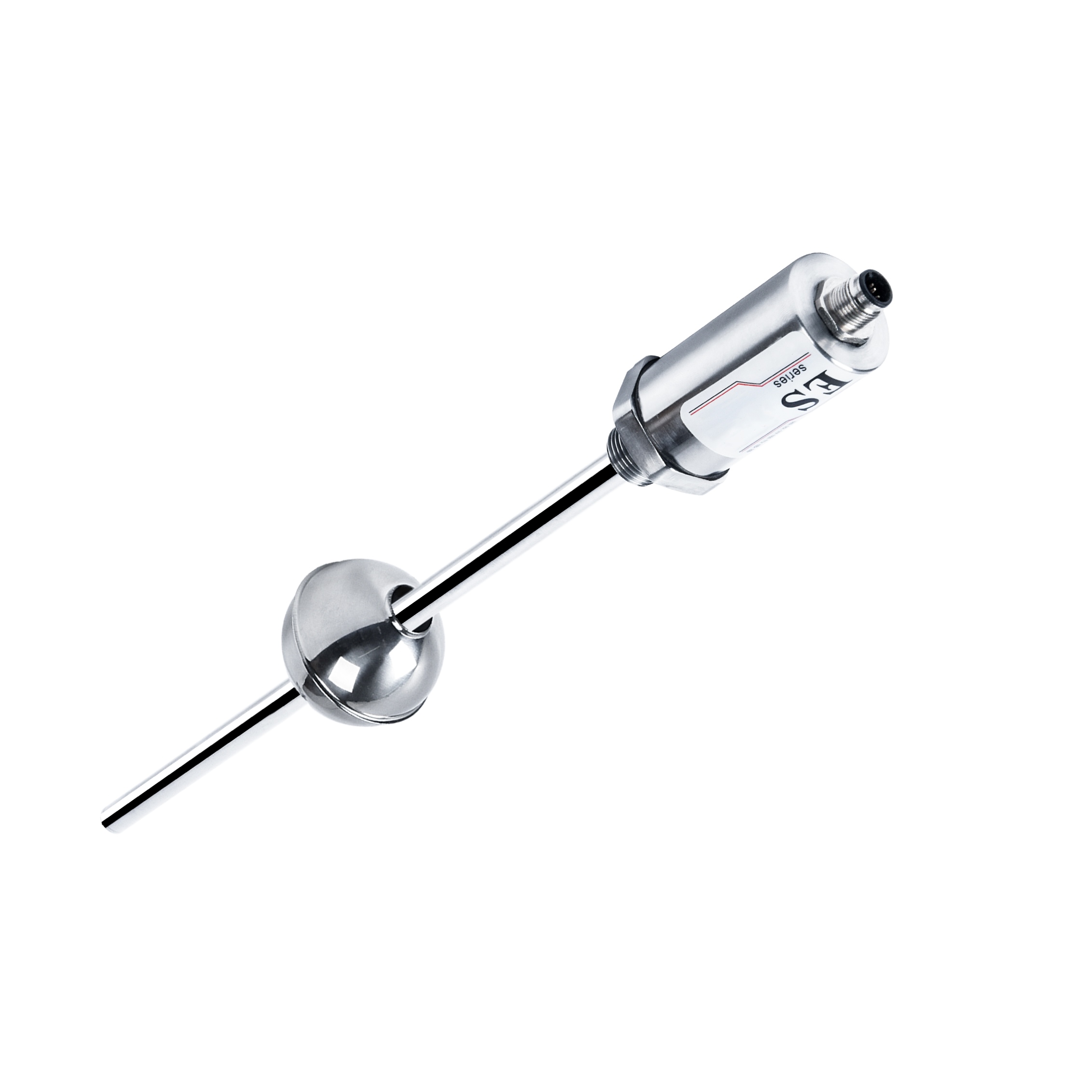
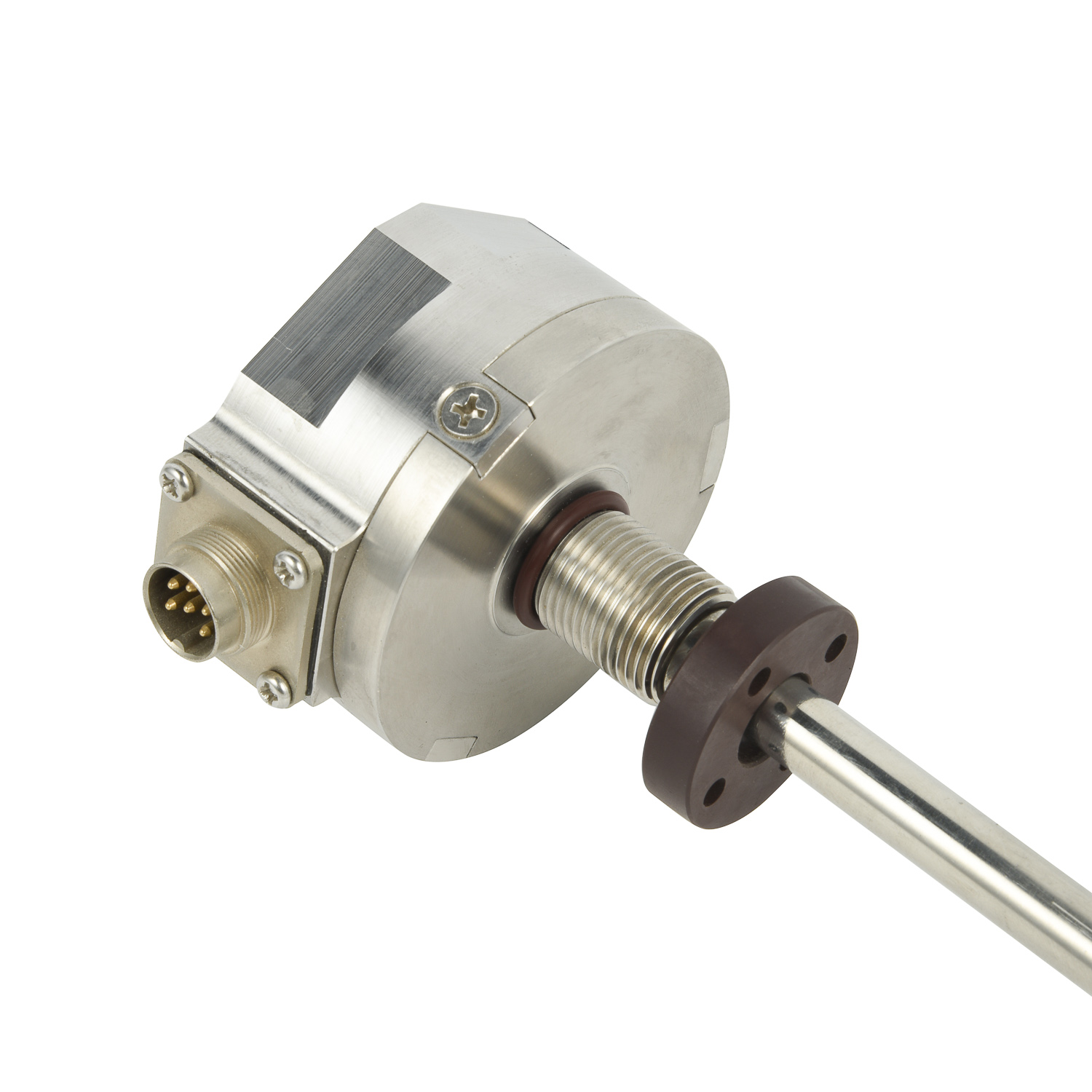 Technical Parameters of High-t
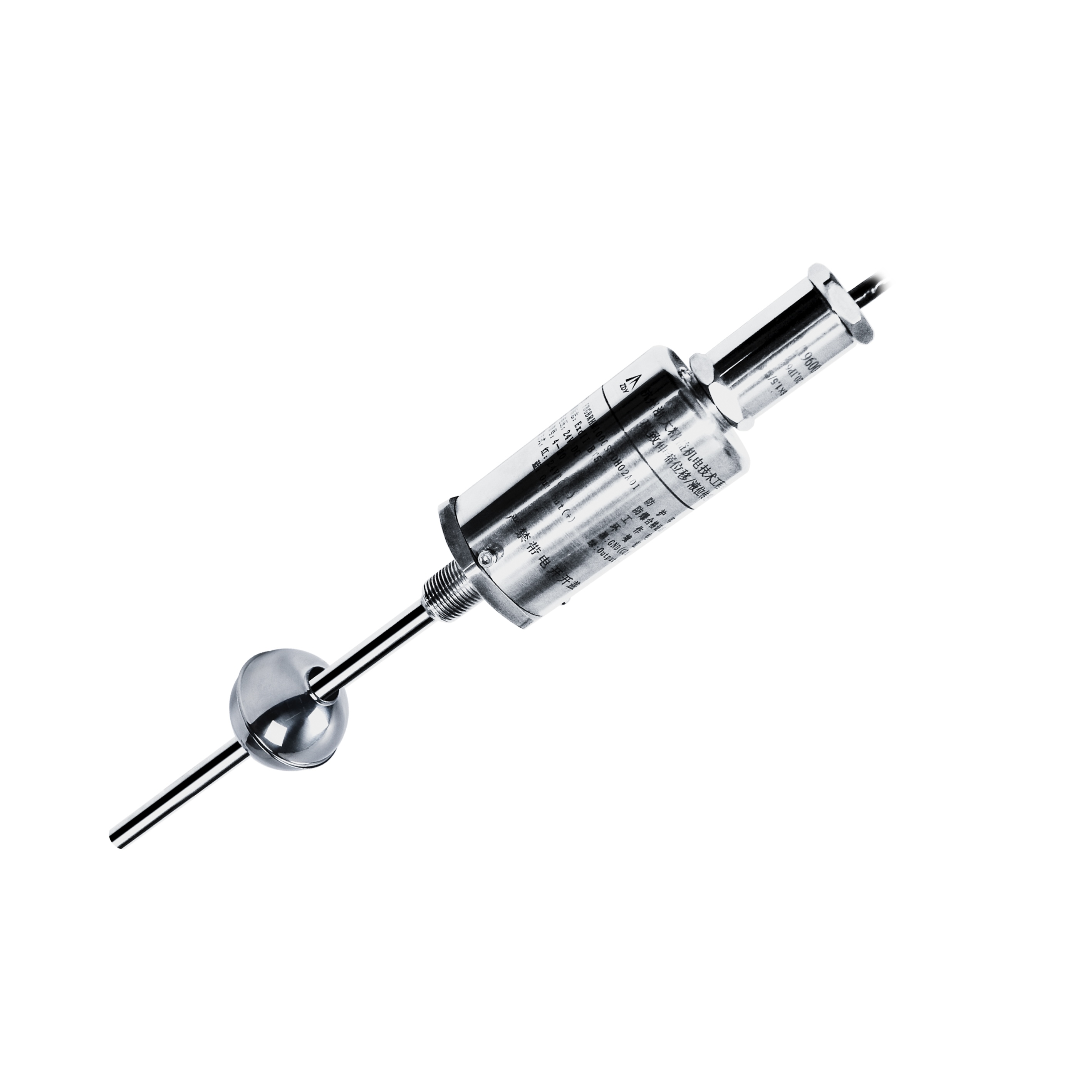 Waterproof Turbine Flowmeter P
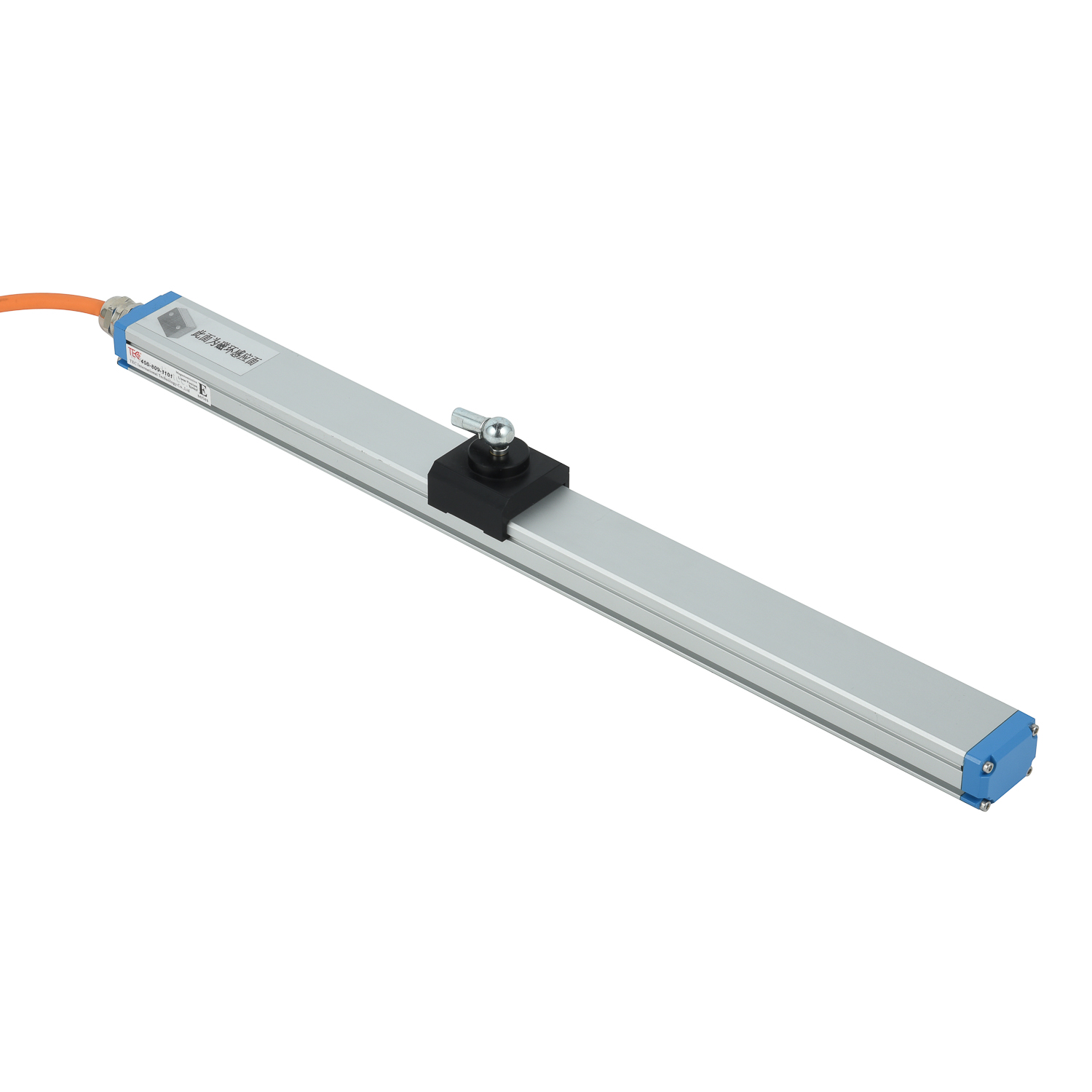 Intrinsically Safe Explosion-p
 Explosion-proof Turbine Flowme