
Crane and Trolley Positioning for Mixing Station
Accurate crane and trolley positioning is essential for mixing stations that feed aggregates, cement, and additives into batching hoppers. A reliable positioning system reduces cycle time, prevents collisions, and improves batch consistency. Typical designs combine PLC control, variable-frequency drives, encoders, and absolute position sensors. The crane handles long travel while the trolley manages cross travel; both axes must stop within tight tolerances despite load sway, rail wear, and dust.
Engineers often use laser distance sensors or magnetic tape encoders for coarse positioning, then encoder feedback on the hoist and travel motors for fine correction. Limit switches provide independent safety protection. Anti-sway algorithms adjust acceleration and deceleration profiles so the hook or grab settles quickly over the charging hopper. In automatic mode, the PLC selects target zones, verifies interlock signals, and confirms brake release before motion.
Regular calibration, rail cleaning, and sensor inspection keep positioning repeatable in harsh concrete plant environments. With proper tuning, a mixing station can achieve faster charging, lower spillage, and safer automatic operation. For retrofit projects, wireless remote diagnostics and HMI trend displays help operators monitor positioning drift and schedule maintenance before production is affected. Choose IP-rated sensors and shielded cables to resist cement dust, vibration, and electromagnetic interference.
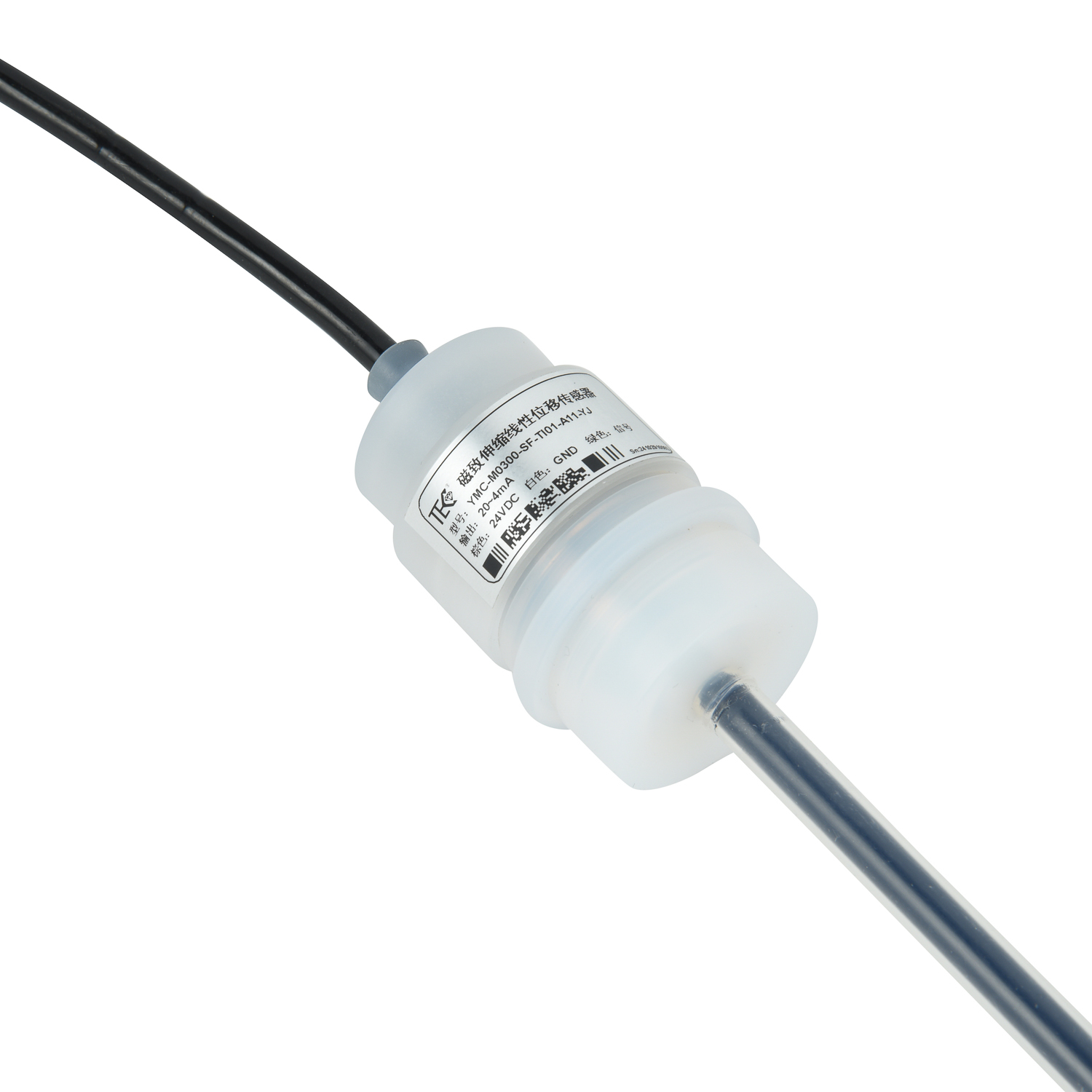
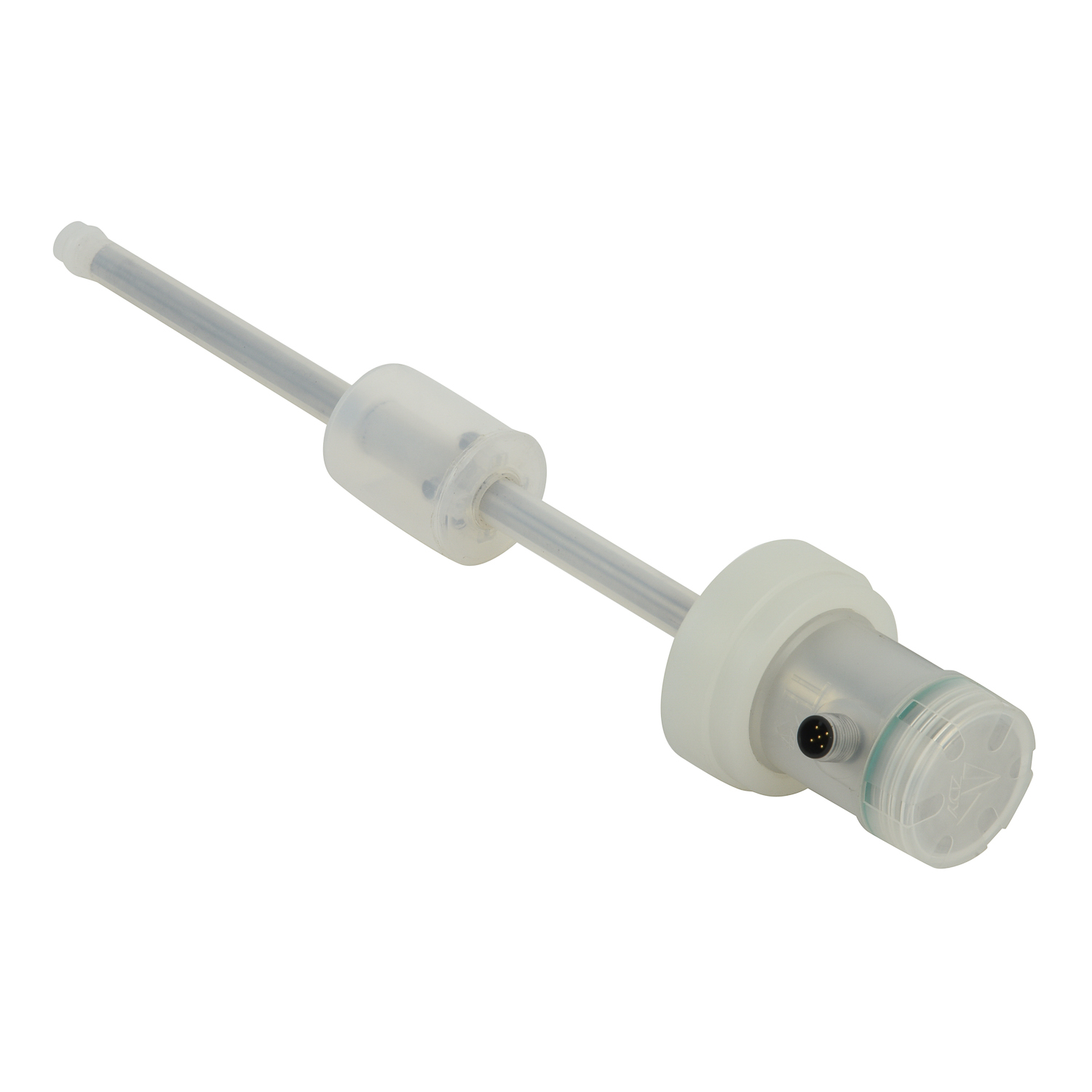 Radar Sensor for Material Tank
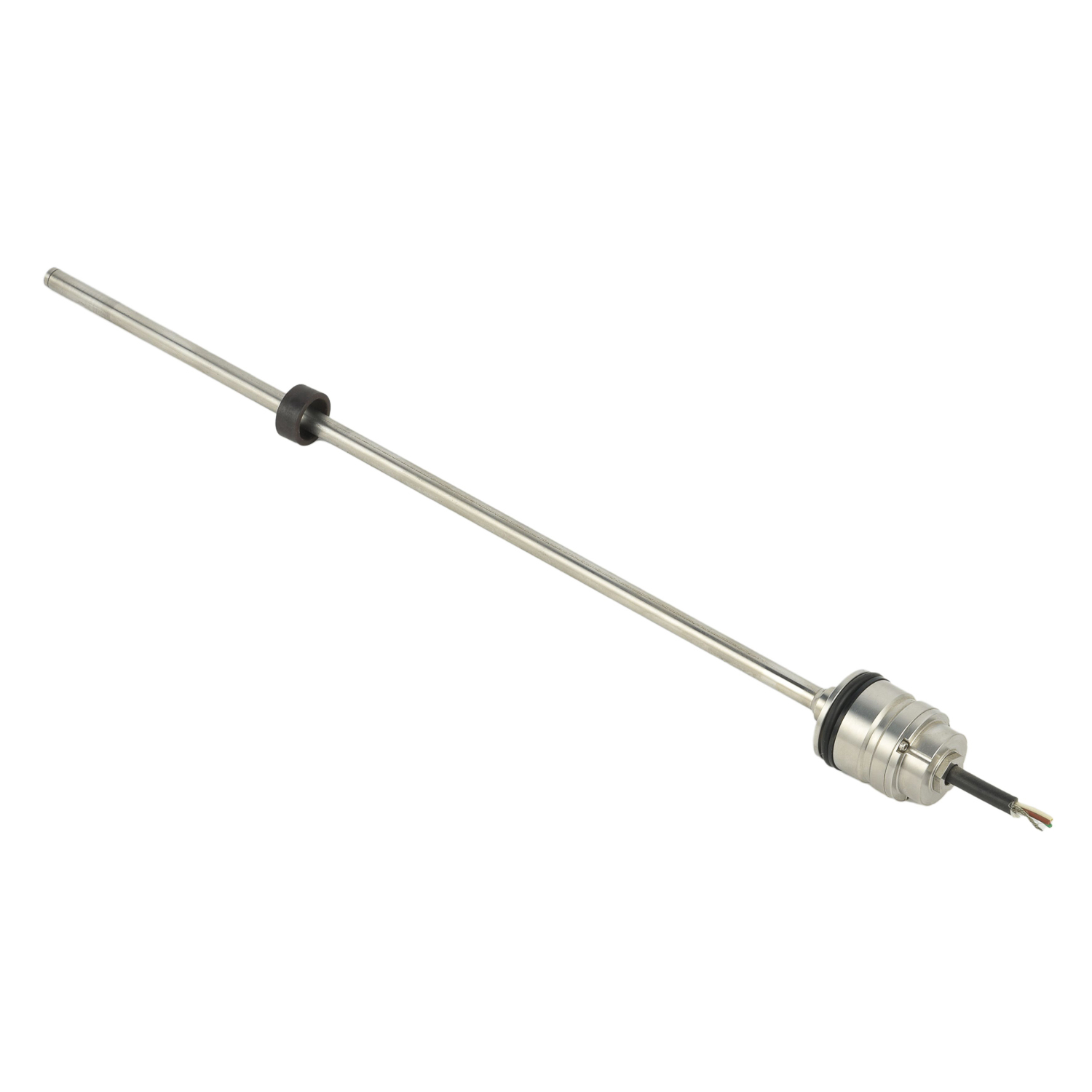 Radar Sensor for Grain and Oil
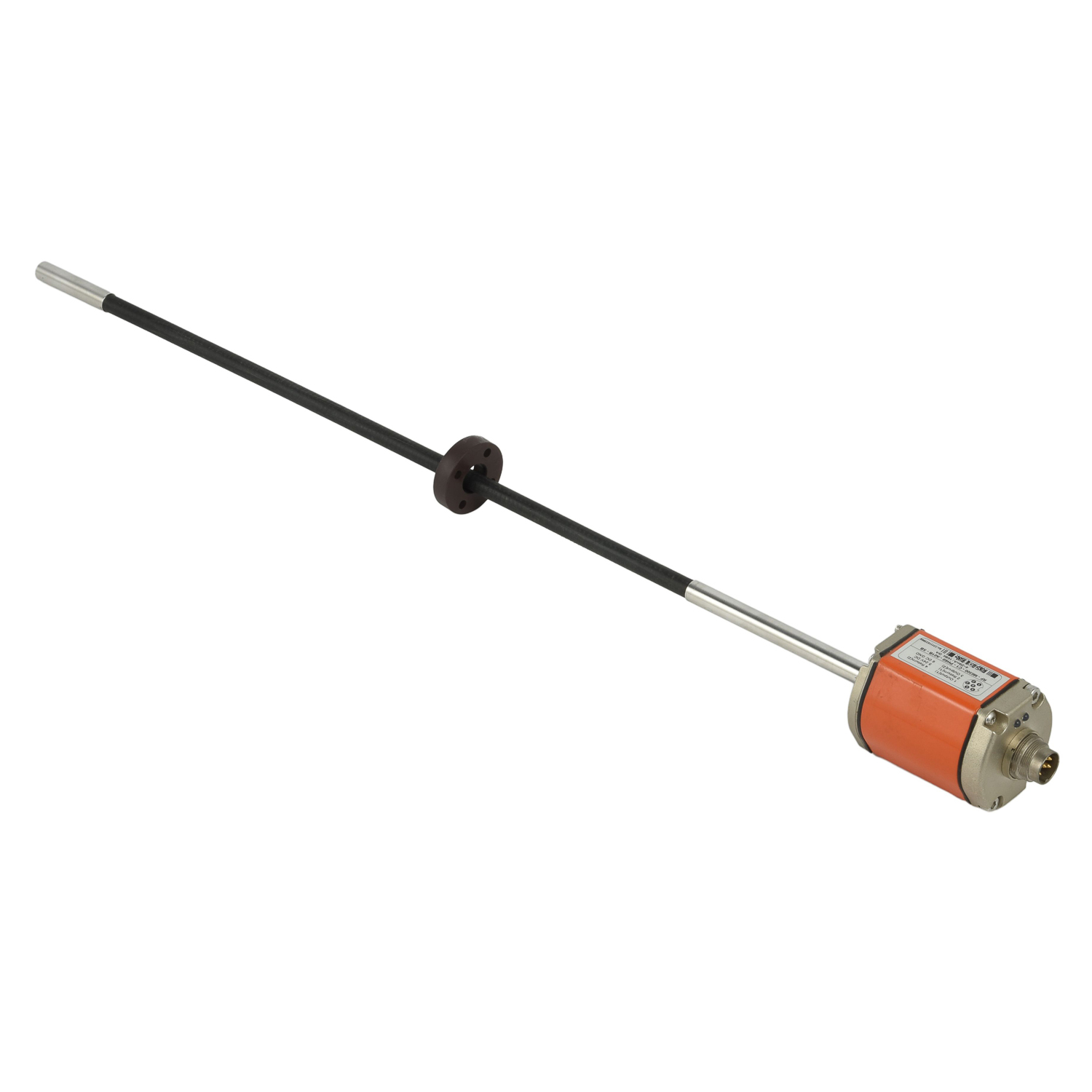 Radar Sensor for Mixing Statio
 Radar Sensor for Shield Tunnel