
Crane and Trolley Positioning for Shield Tunneling
Accurate crane and trolley positioning is critical in shield tunneling. Tunnel boring machines, segment erectors, and material handling systems operate in confined, dusty, and high-vibration environments. A crane or trolley that stops imprecisely can delay ring installation, damage precast segments, or create safety risks for workers. Modern systems combine absolute encoders, laser distance sensors, and PLC logic to track bridge, trolley, hoist, and swing motion in real time. Wireless data links send position feedback to the control cabin and tunnel management platform. Anti-sway algorithms reduce load oscillation, while zone limits and interlocks prevent collisions with gantries, conveyors, and ventilation ducts. For shield tunneling, positioning accuracy should be maintained despite uneven rails, shock loads, and limited visibility. Redundant sensors and automatic calibration improve reliability. Operators can view crane coordinates, load status, and travel paths on a human-machine interface, enabling smooth segment lifting and precise placement near the tail shield. Automated speed control and soft-stop functions further protect sensitive segments and reduce mechanical wear. Regular maintenance, rail alignment checks, sensor cleaning, and software updates keep positioning stable throughout long drives. With integrated crane and trolley positioning, contractors achieve faster segment handling, lower rework, and safer logistics in tunnel construction. This reduces downtime.
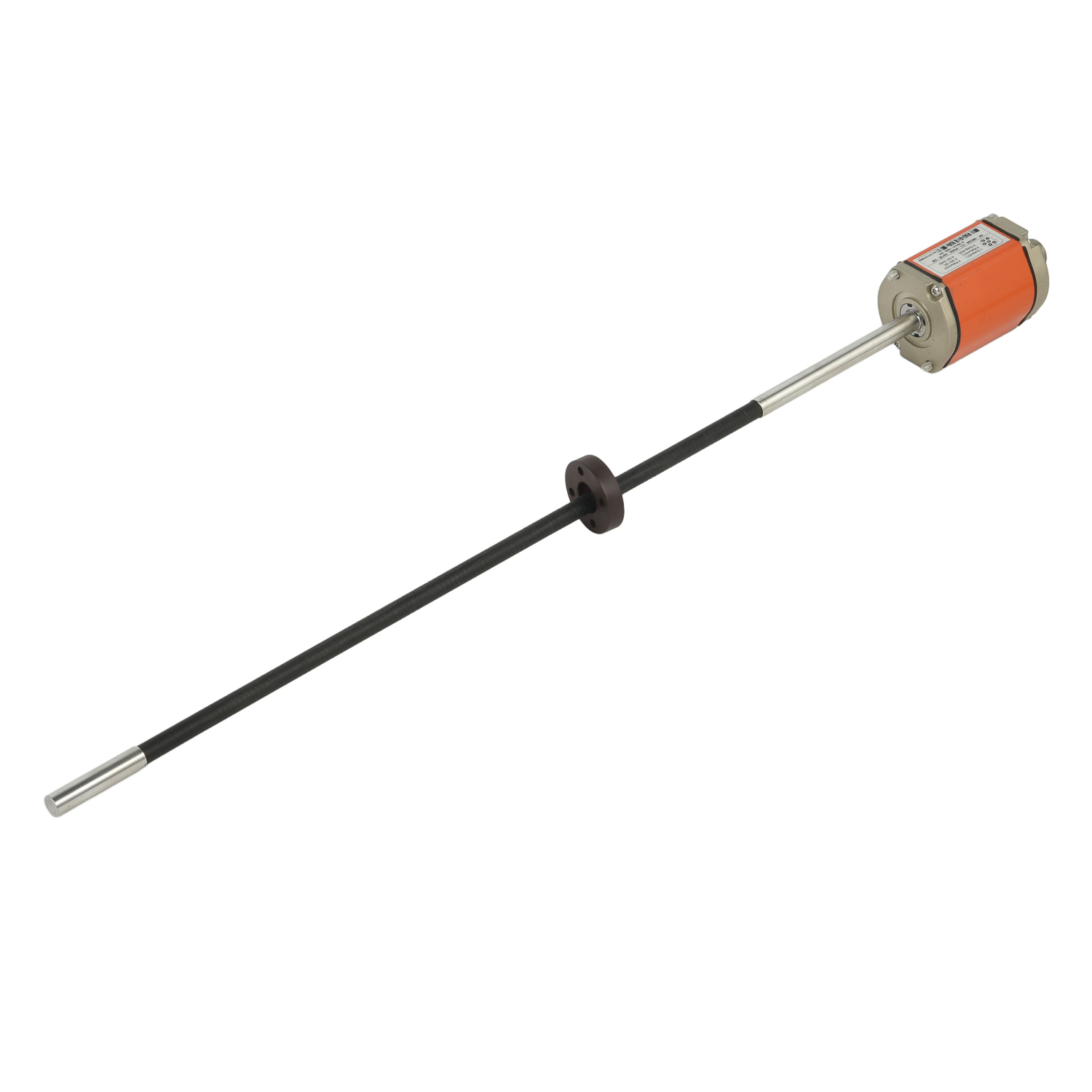 Crane and Trolley Positioning
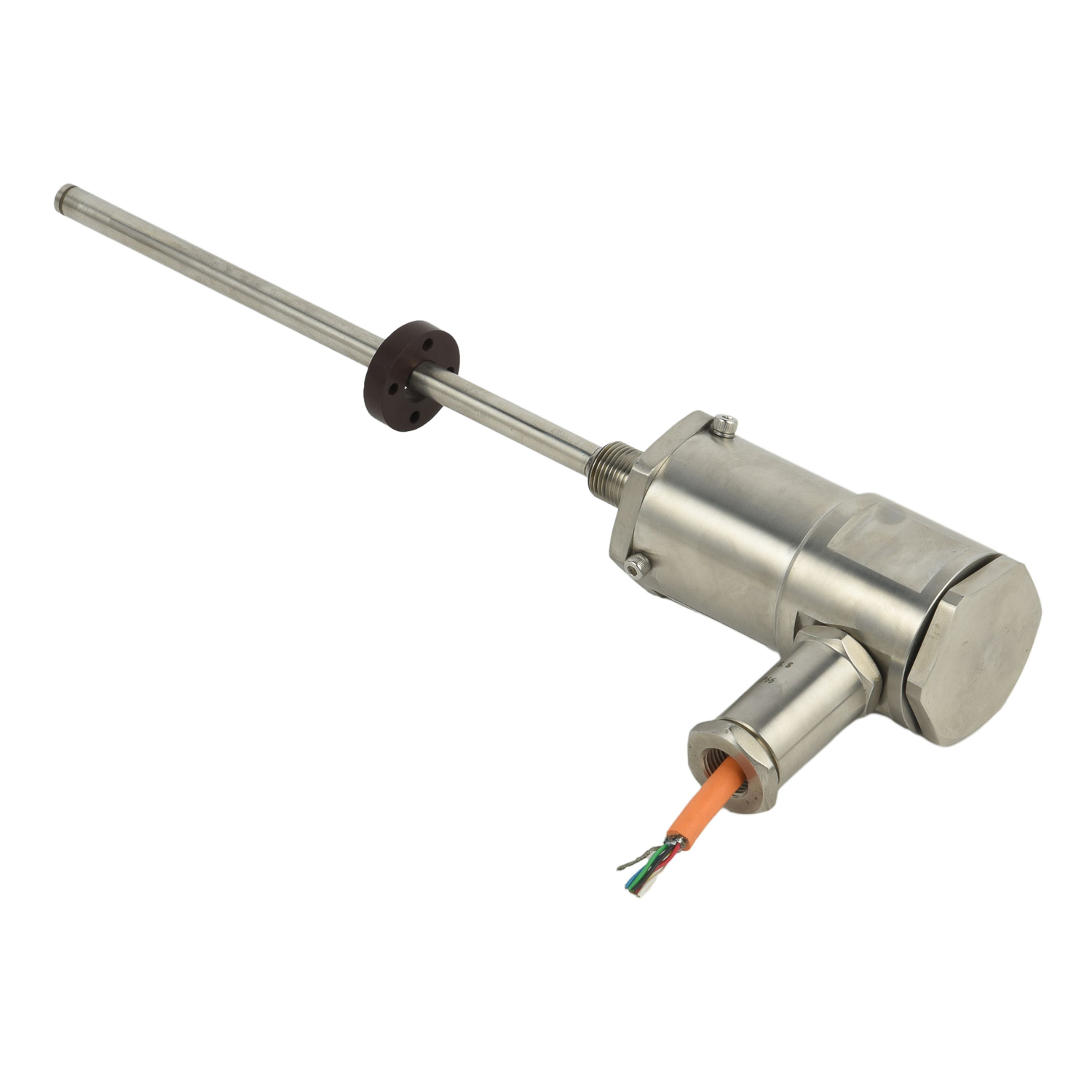 Crane and Trolley Positioning
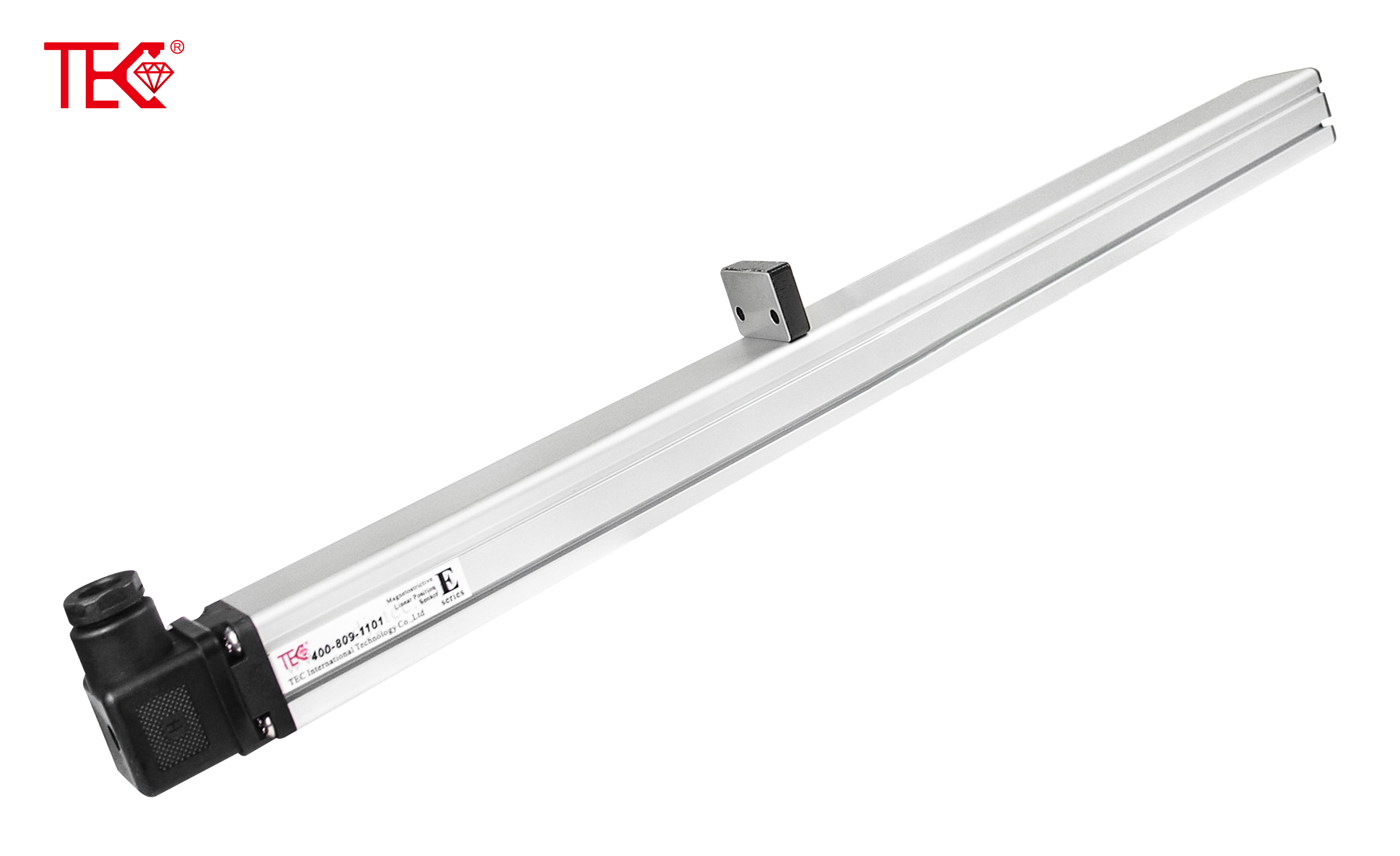 Crane and Trolley Positioning
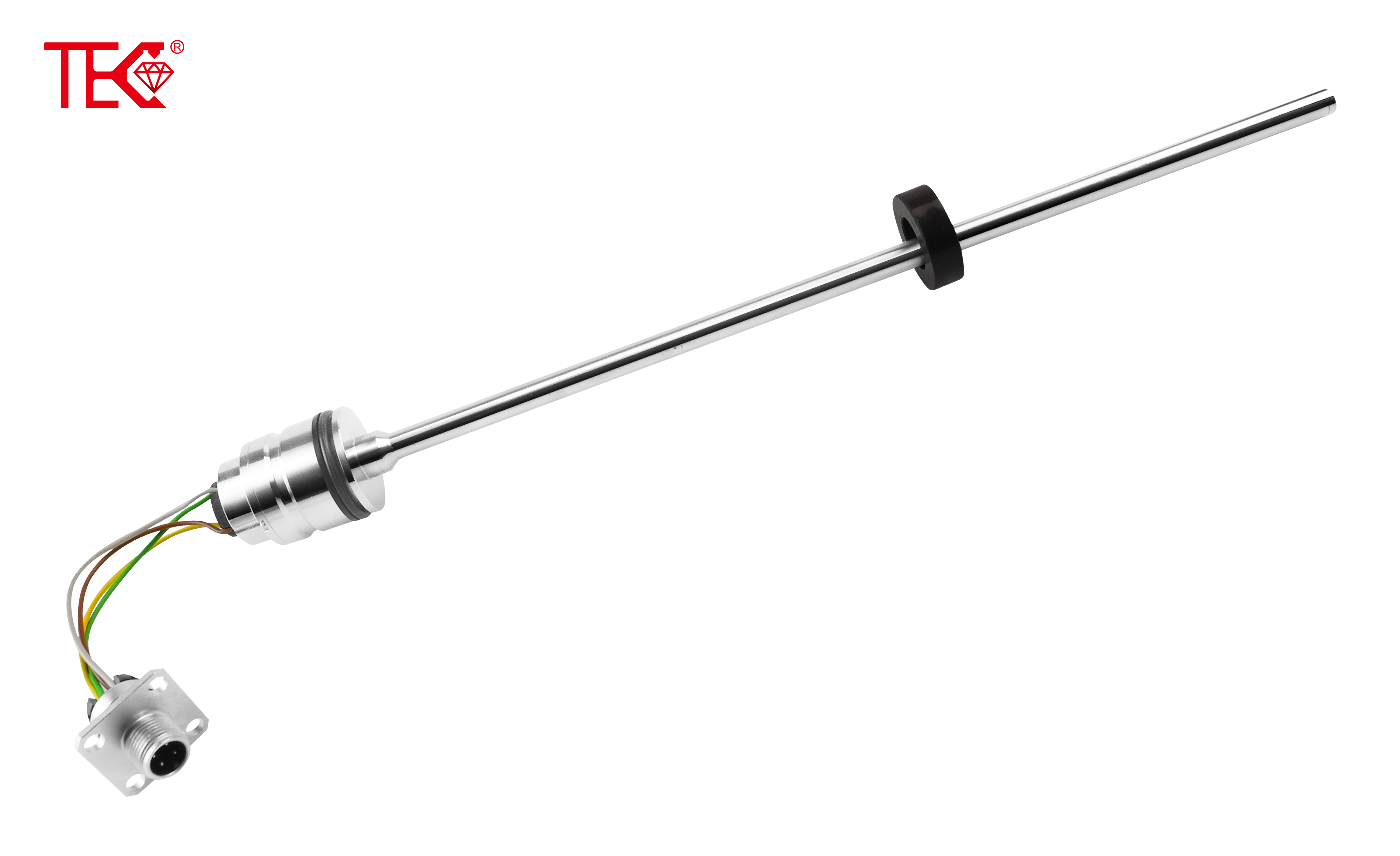 Crane and Trolley Positioning