
Port Overhead Crane Long-distance Positioning System
Port overhead cranes work in complex terminal environments where accurate long-distance positioning directly affects safety, efficiency, and automation. A modern Port Overhead Crane Long-distance Positioning System integrates GNSS RTK, laser ranging, machine vision, and inertial measurement to monitor gantry travel, trolley movement, and hoist height in real time. RTK-GNSS supplies absolute coordinates over wide yards, while laser and vision sensors provide centimeter-level local correction near container stacks, rail lines, and ship bays. Sensor fusion filters multipath interference, wind-induced vibration, and mechanical flex, allowing stable anti-sway control and precise automatic stacking. Low-latency industrial wireless or fiber communication links position data to the crane PLC and terminal operating system. Geofencing, collision avoidance, and load monitoring further improve operational safety. Remote diagnostics and predictive maintenance reduce downtime and support continuous 24/7 operations. By combining long-distance positioning with intelligent control, ports can shorten cycle times, reduce re-handling, and achieve safer, more productive container handling. The system supports redundant communication, automatic calibration, and edge computing to maintain accuracy under heavy traffic, rain, fog, and salt-air conditions. Real-time visual dashboards help operators verify crane status, while open interfaces simplify integration with terminal automation platforms. It also improves reliability.
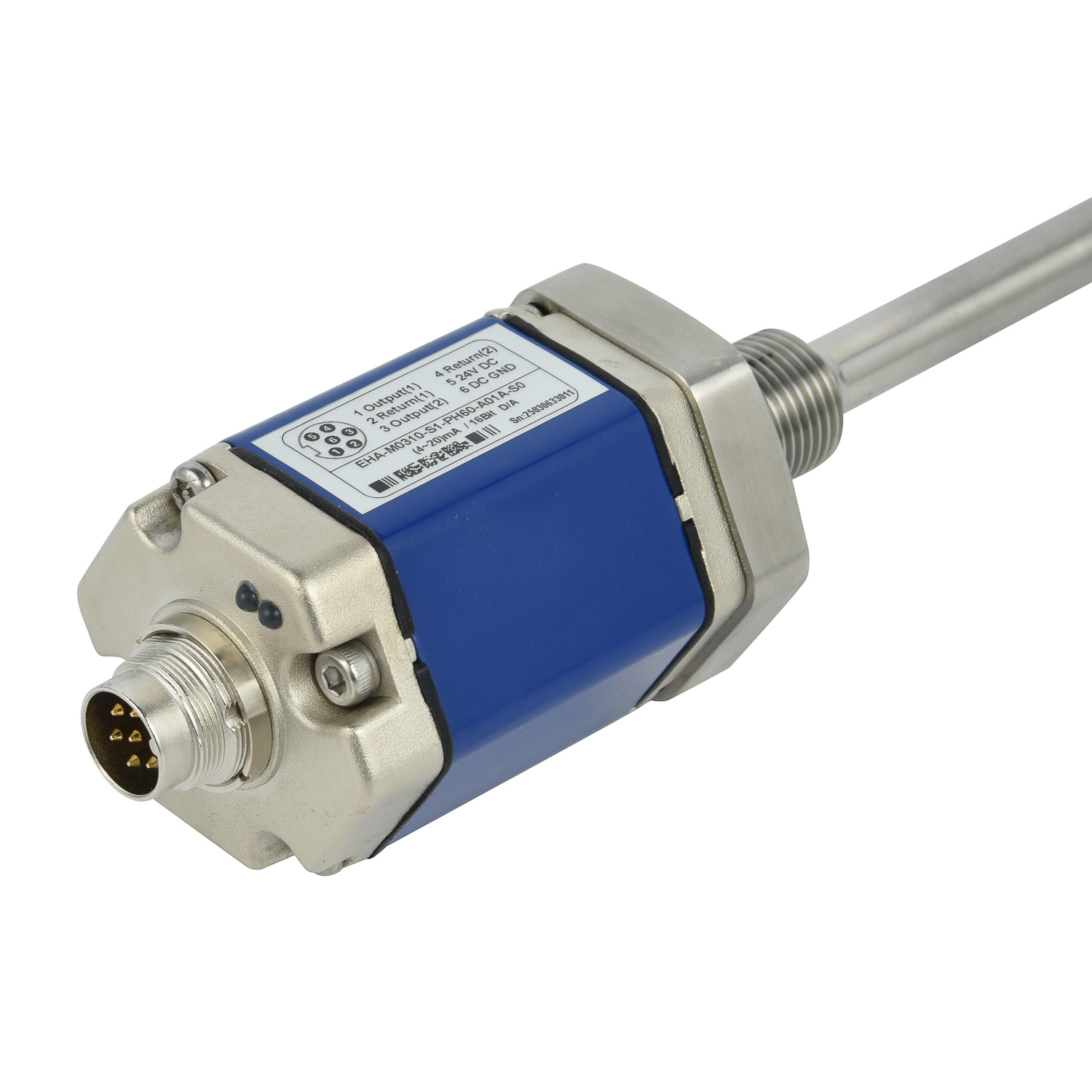
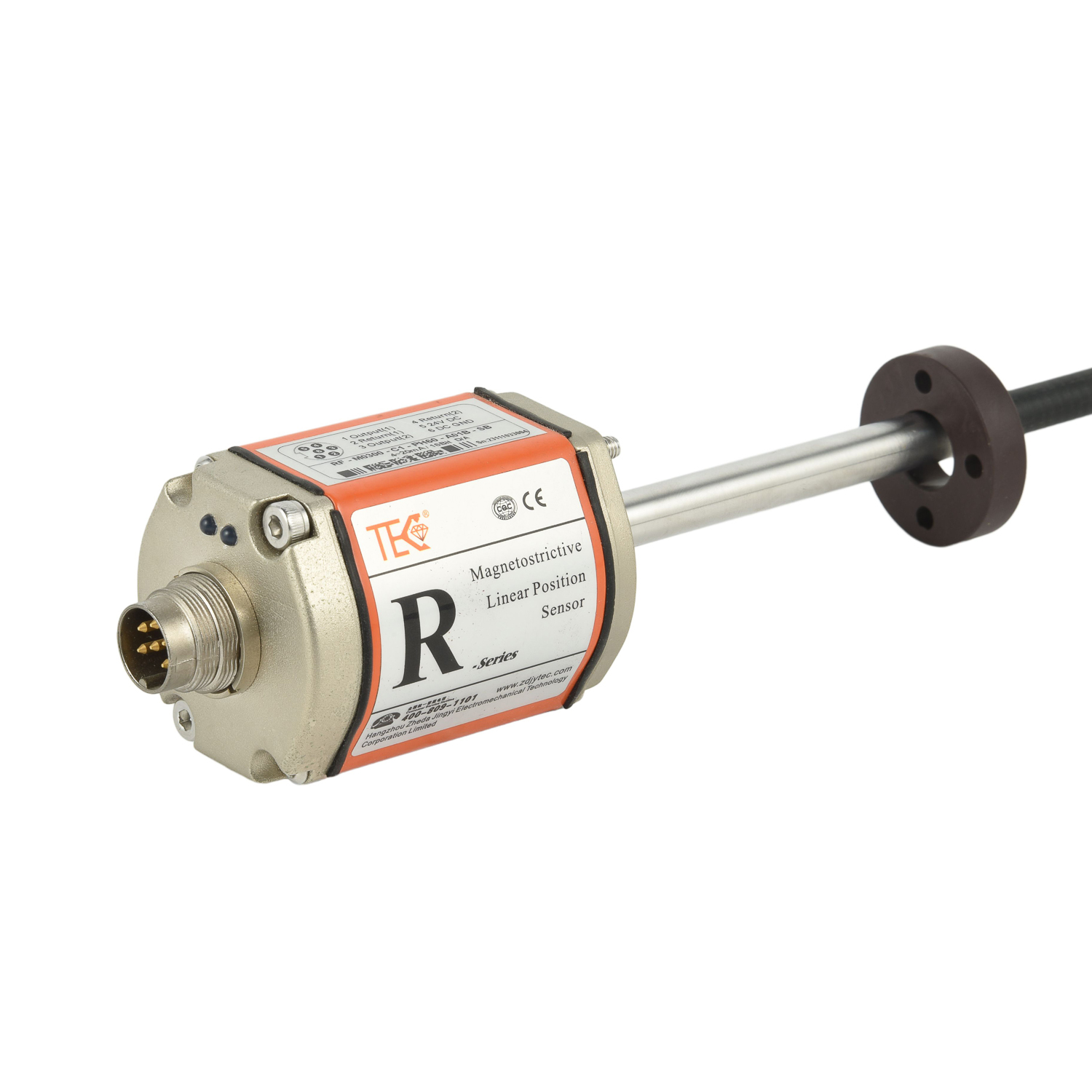 Crane and Trolley Positioning
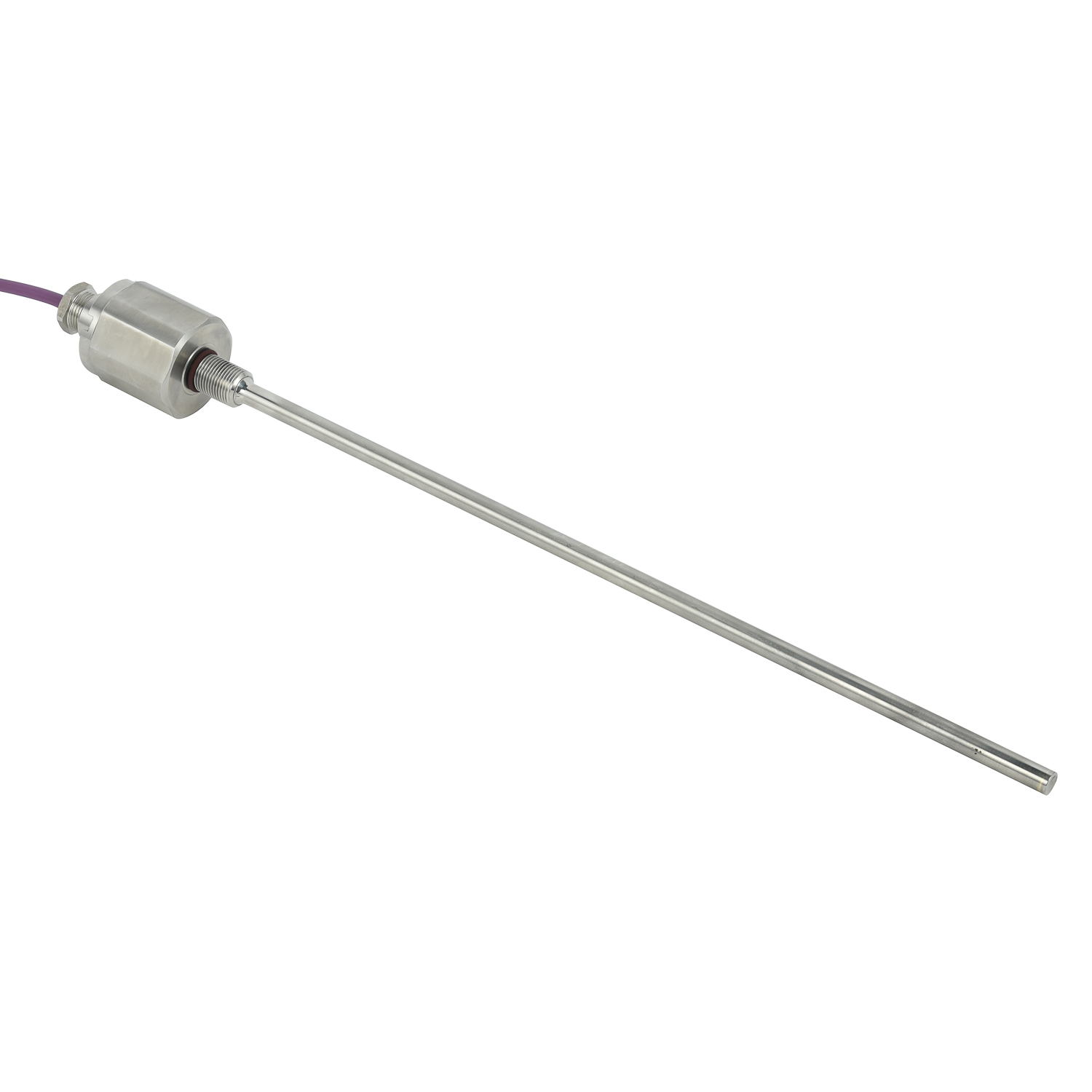 Crane and Trolley Positioning
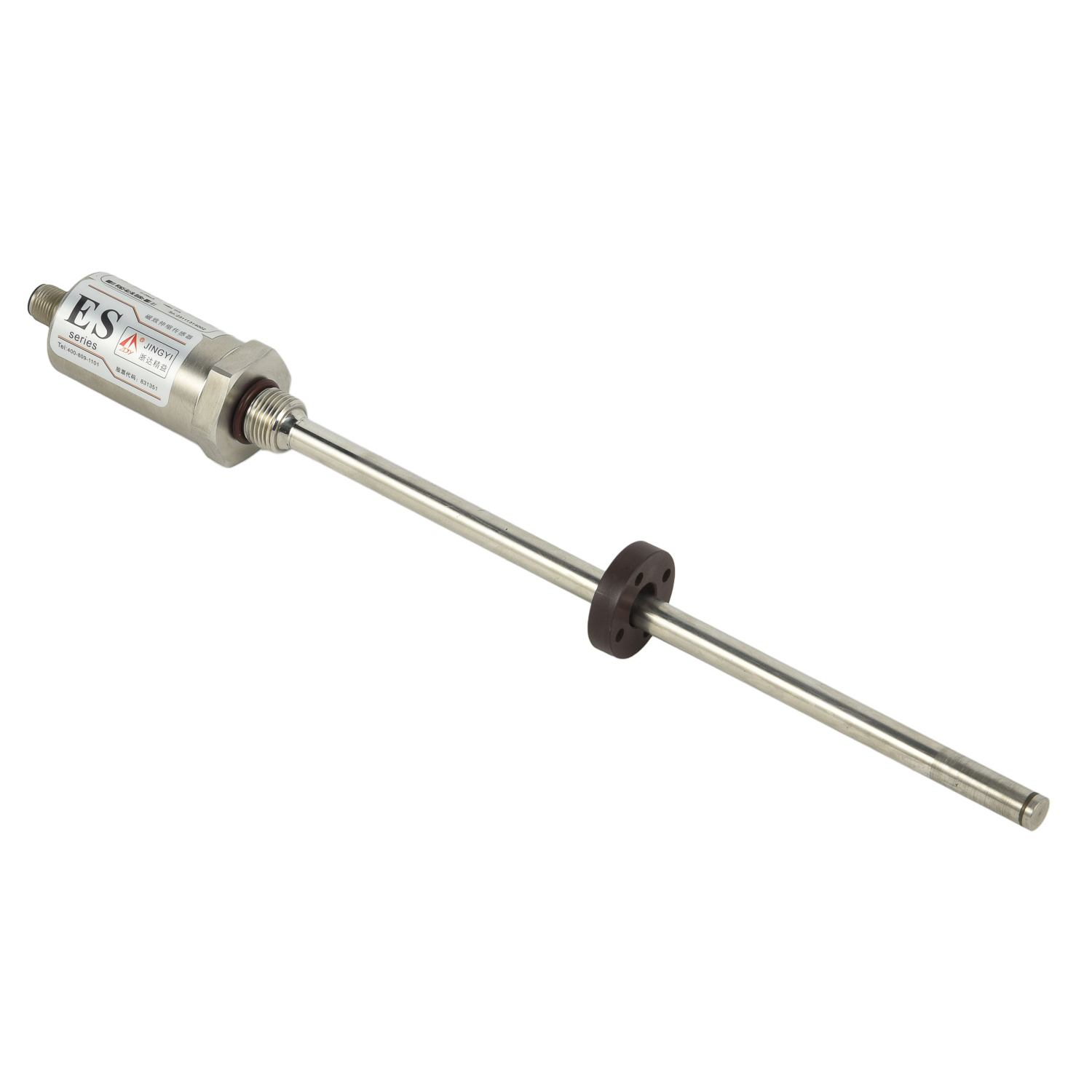 Crane and Trolley Positioning
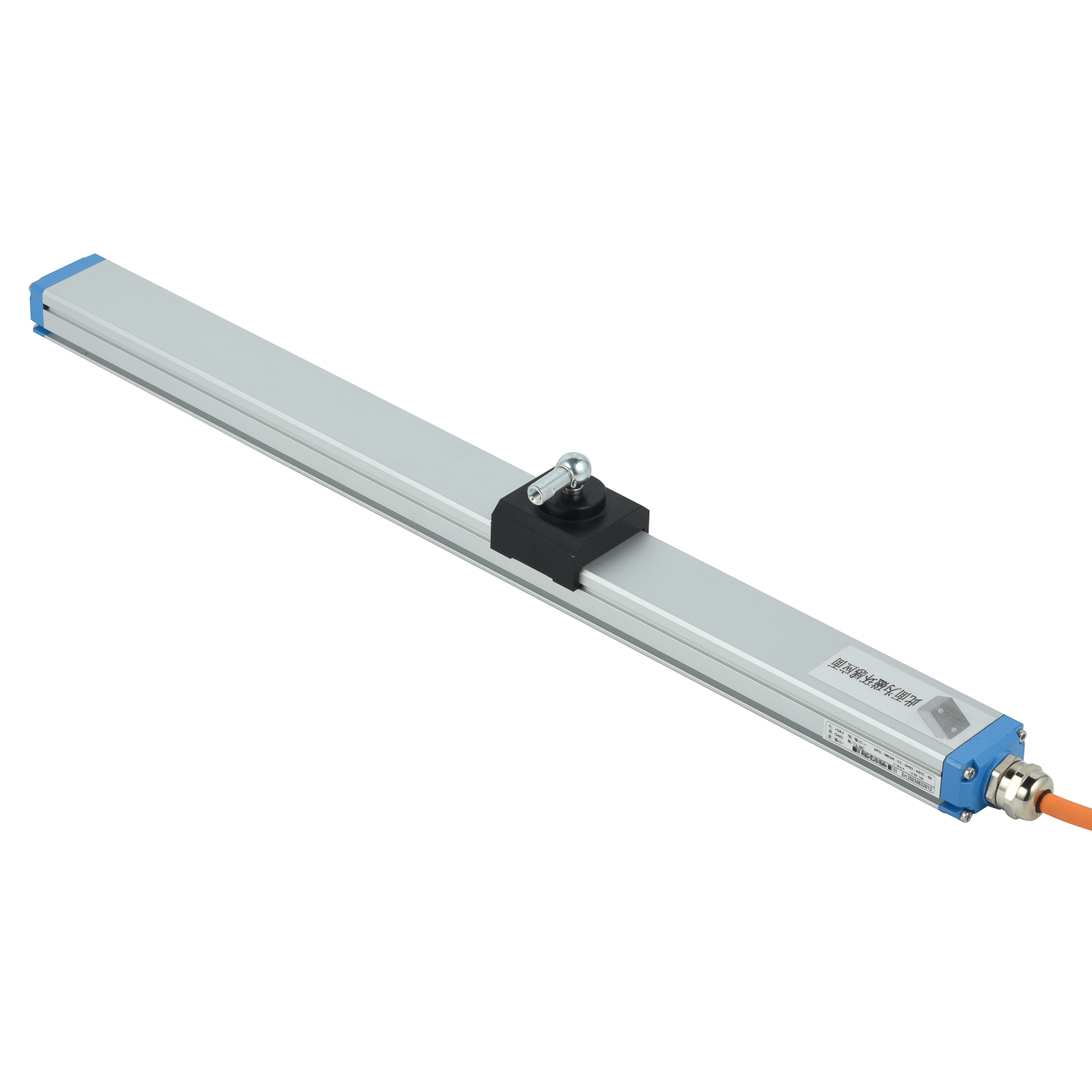 Crane and Trolley Positioning