
How Does a Magnetostrictive Displacement Sensor Work?
How Does a Magnetostrictive Displacement Sensor Work?
A magnetostrictive displacement sensor is a precision instrument that measures the displacement of a target object. Its working principle is based on the magnetoelastic effect, where magnetic materials undergo elastic deformation under the influence of an external magnetic field.
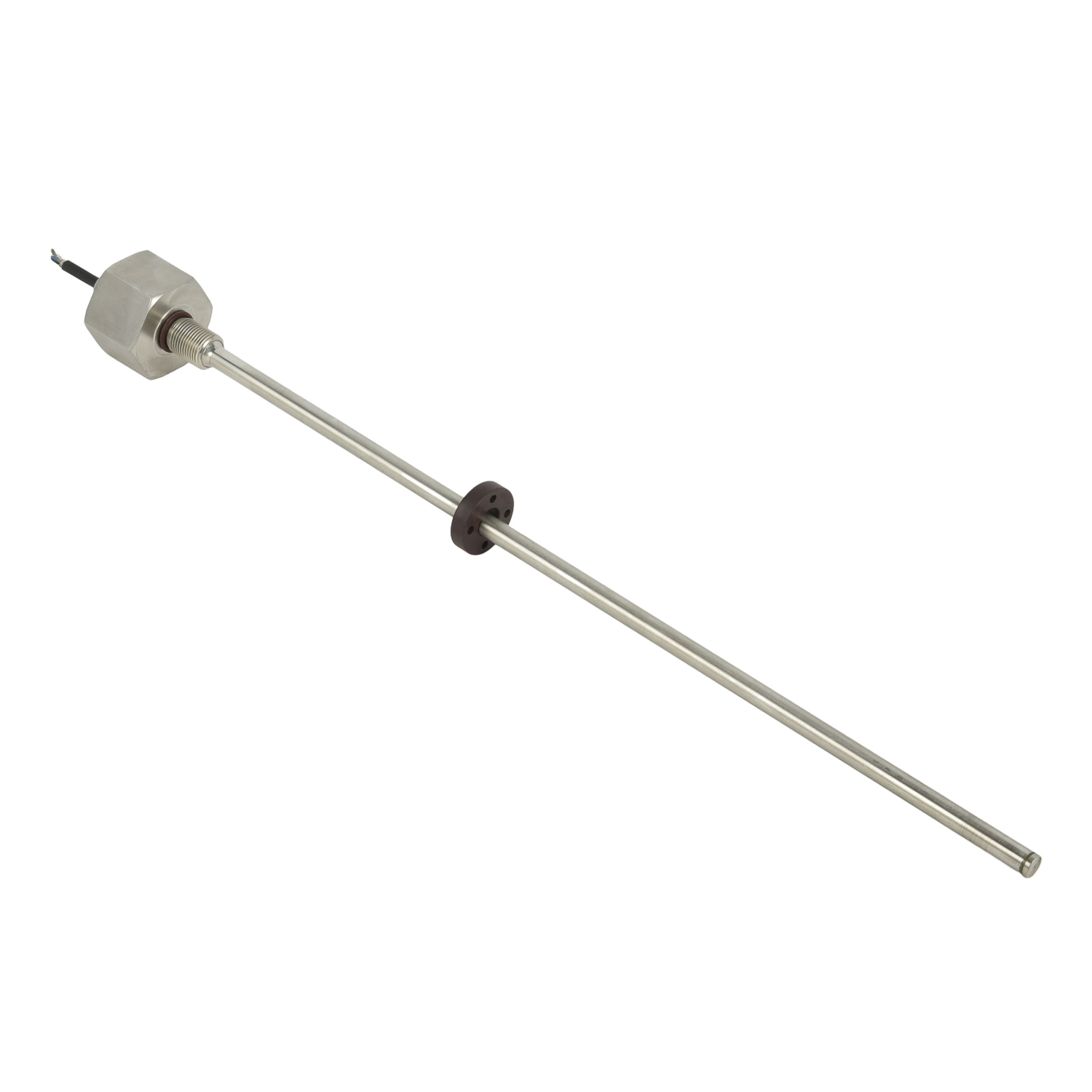
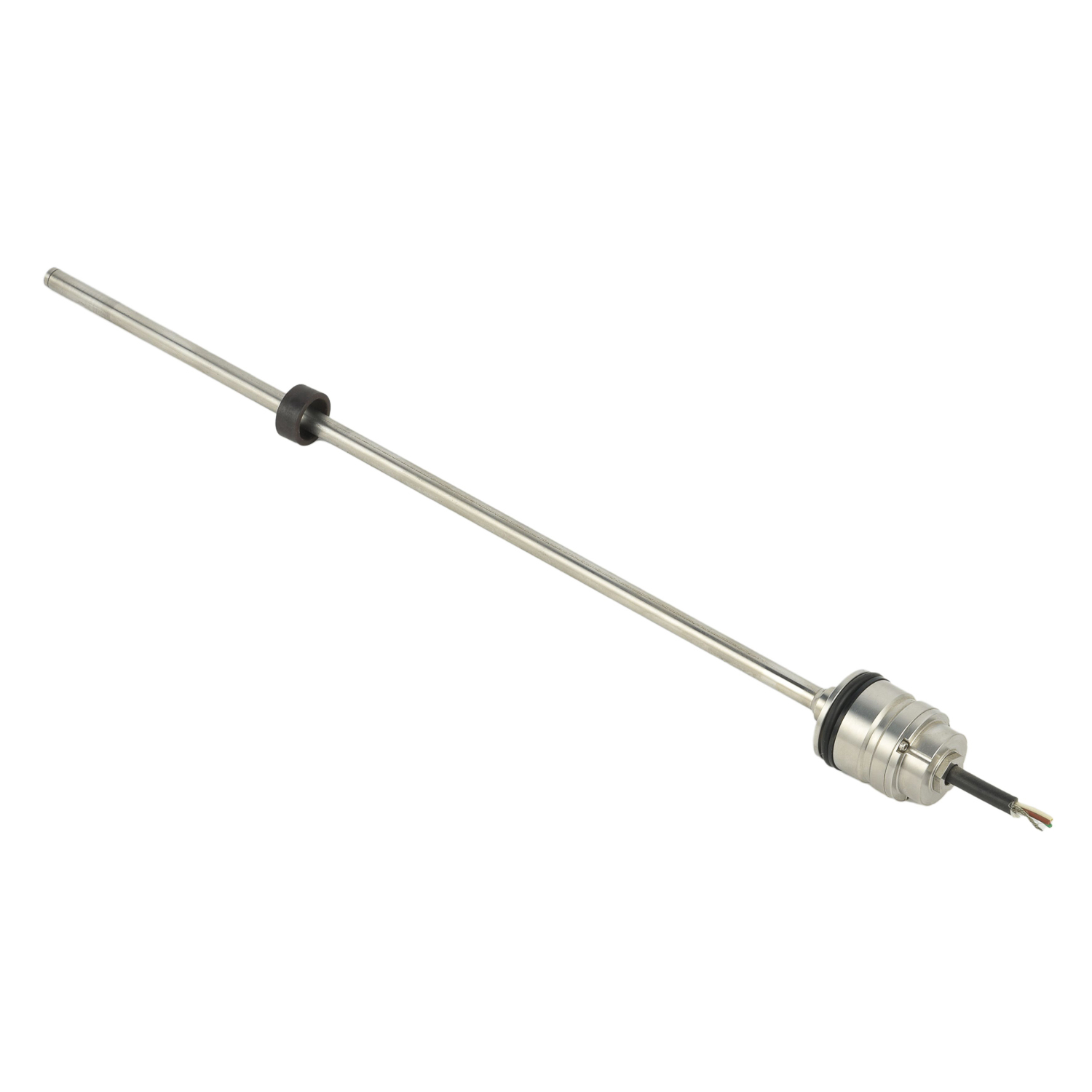
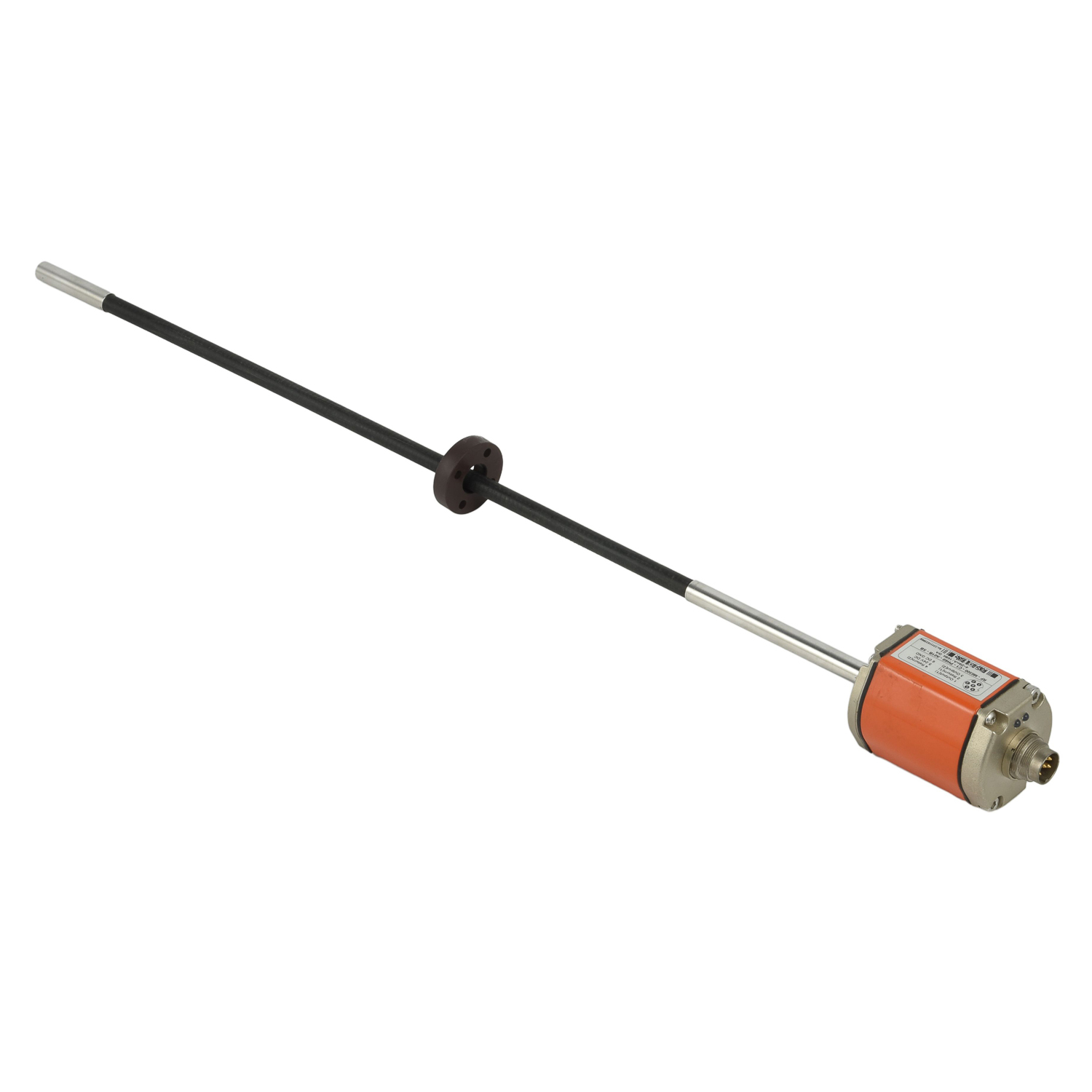
The sensor comprises three main parts: the external measurement section, the magnetic sensing section, and the signal processing section. The external measurement section typically consists of a slender magnetostrictive rod that is attached to the target object. As the target object moves, the rod moves accordingly.
The magnetic sensing section utilizes a magnetic-sensitive material, such as ferromagnetic material, which exhibits elastic deformation in response to changes in the magnetic field. This deformation, though minute, can be detected through precise measurement techniques.
The signal processing section is the heart of the sensor. It comprises an excitation coil and a sensing coil. The excitation coil generates a magnetic field by passing an electric current, which interacts with the magnetic-sensitive material, causing it to deform. The sensing coil detects the changes in the magnetic field due to this deformation and converts them into electrical signals.
The process can be summarized as follows: the excitation coil creates a magnetic field, which acts on the magnetic-sensitive material. As the target object moves, the magnetostrictive rod attached to it also moves, causing the magnetic-sensitive material to deform. This deformation alters the magnetic properties of the material, resulting in changes in the magnetic field. The sensing coil detects these changes and converts them into electrical signals. The signal processing section then amplifies, filters, and digitizes these signals to derive the displacement information of the target object.
The use of magnetoelastic effect ensures high measurement accuracy and stability, making magnetostrictive displacement sensors suitable for applications requiring precise displacement measurements, such as in machinery processing, automotive manufacturing, and robotics.
 Radar Sensor for Storage Tanks
 Radar Sensor for Material Tank
 Radar Sensor for Grain and Oil
 Radar Sensor for Mixing Statio