
How Does a Magnetostrictive Sensor Measure Long Distances with High Accuracy?
**How Does a Magnetostrictive Sensor Measure Long Distances with High Accuracy?**
In the realm of precision measurement, magnetostrictive sensors have emerged as a game-changer in achieving highly accurate long-distance readings. These sensors, with their unique ability to convert magnetic fields into mechanical strain, have revolutionized the way we perceive and measure distances in various industrial and scientific applications.
**The Principle of Magnetostriction**
The foundation of magnetostrictive sensors lies in the magnetostrictive effect, which describes the phenomenon where a magnetic material undergoes a change in length or volume when subjected to a magnetic field. This change is minute but measurable, and it is this minute change that magnetostrictive sensors harness to provide precise measurements.
**How Magnetostrictive Sensors Work**
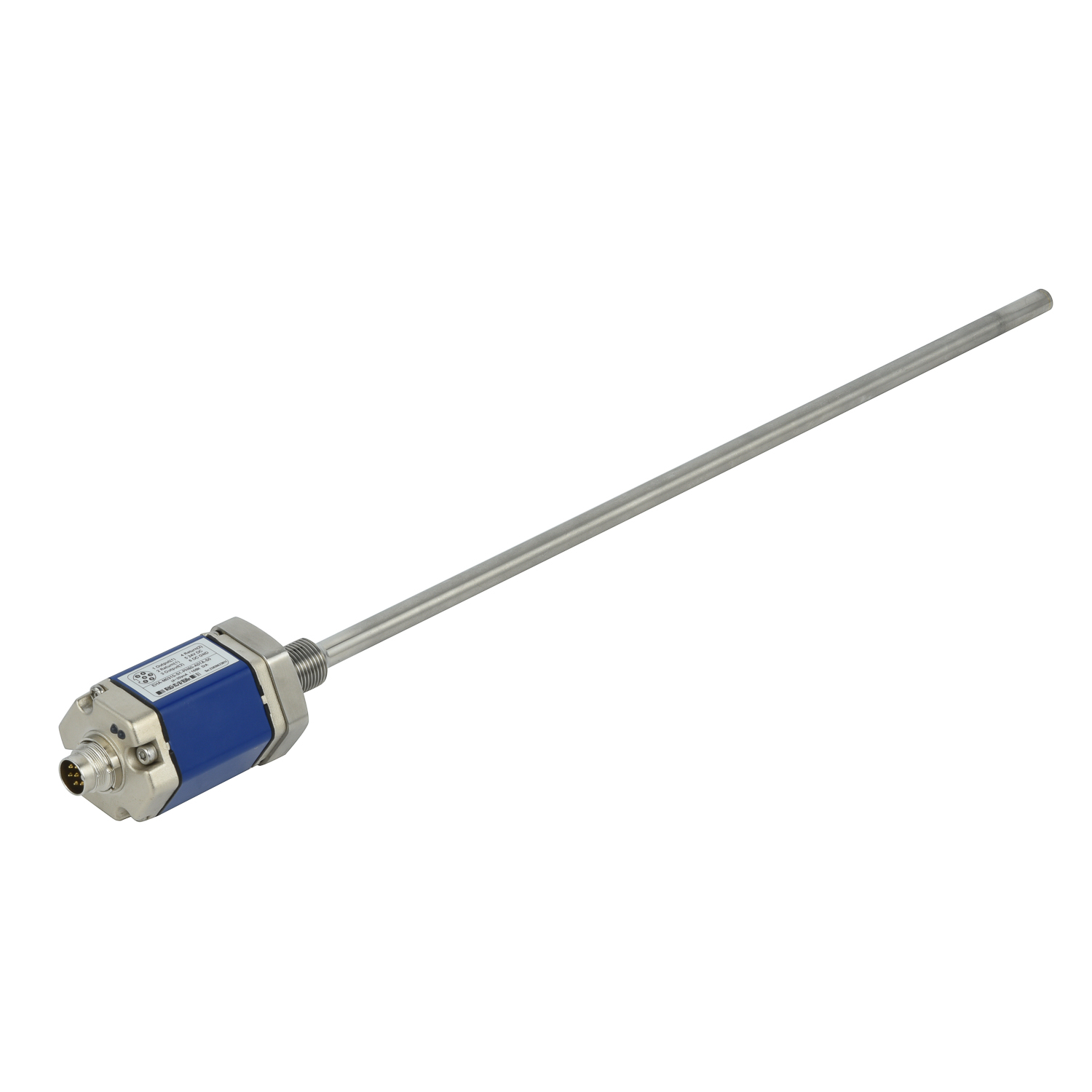
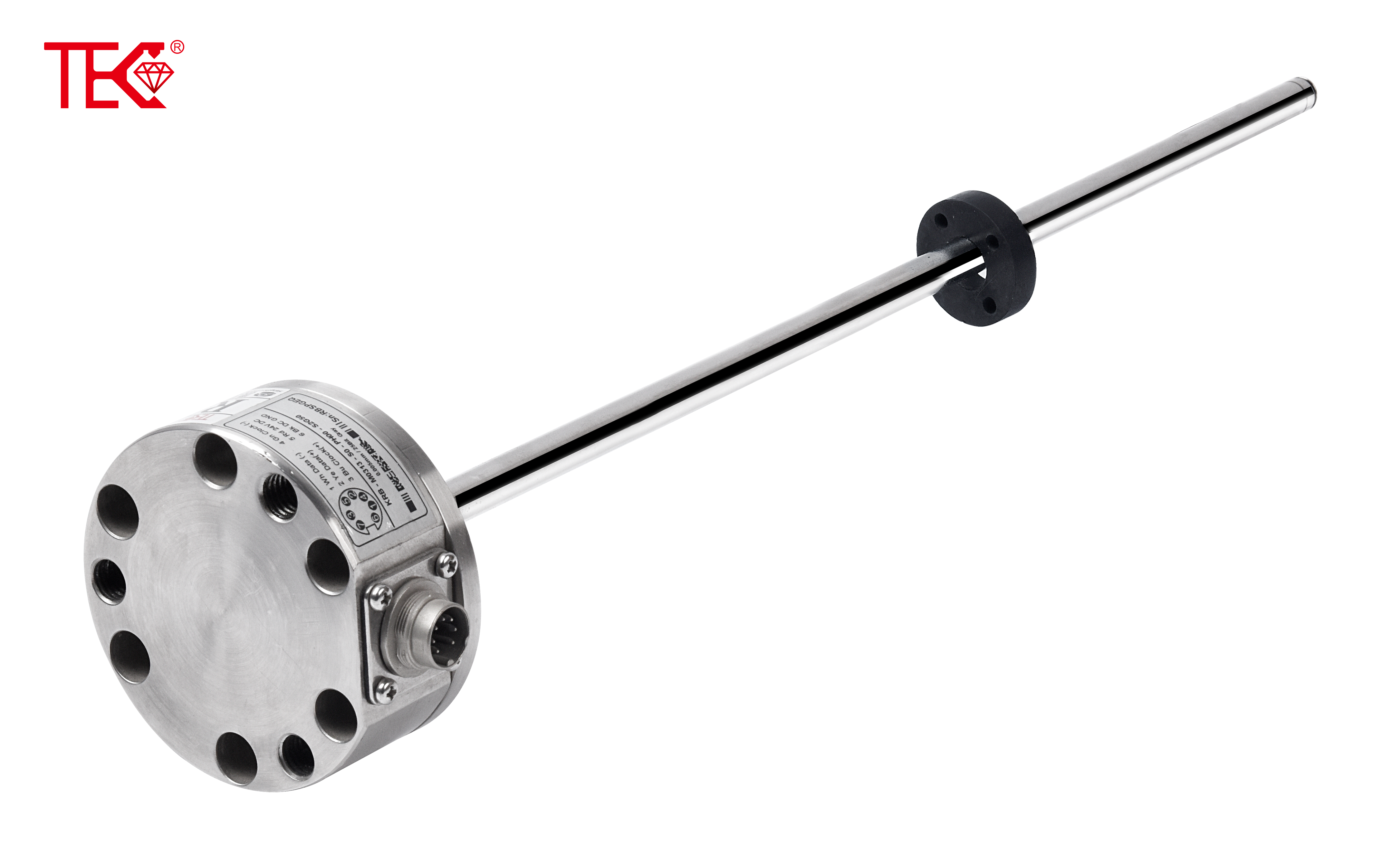
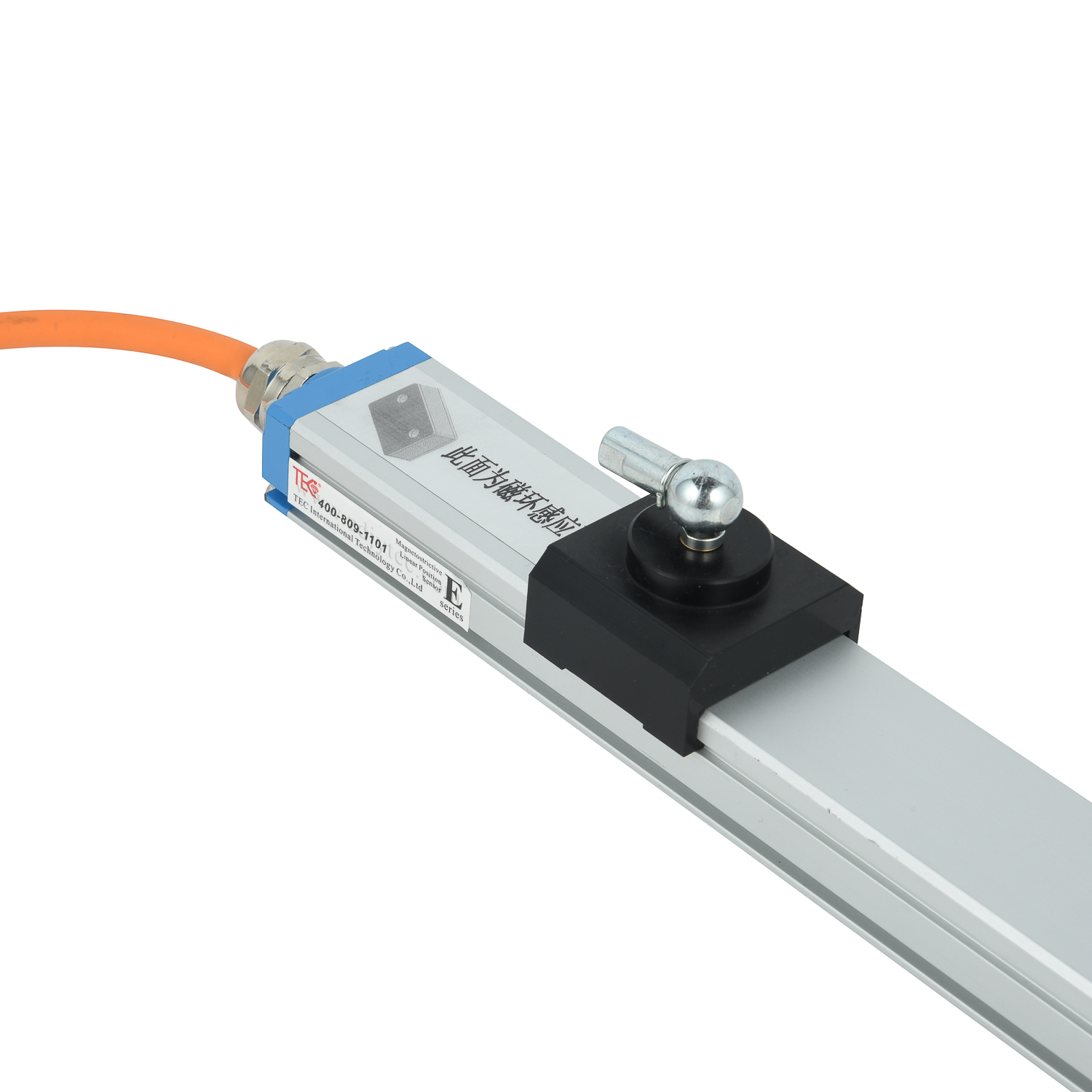
When a pulse of electrical current is passed through a magnetostrictive wire, it generates a magnetic field. This magnetic field interacts with a magnetic target attached to a moving element, such as a piston or shaft. The interaction causes the target to expand or contract, depending on the direction of the magnetic field. This expansion or contraction is then detected by the sensor, which converts it into a corresponding change in voltage or frequency.
**Achieving High Accuracy**
The key to magnetostrictive sensors' high accuracy lies in their ability to detect even the slightest changes in the magnetic field. The sensors are designed with precision components and materials that minimize interference and distortion. Additionally, the use of digital signal processing techniques enables the sensors to filter out noise and extract the desired signal with extreme precision.
**Measuring Long Distances**
The use of magnetostrictive sensors for long-distance measurements is facilitated by the continuous nature of the magnetic field generated by the sensor wire. As the moving element travels along the wire, the magnetic target attached to it interacts with different sections of the wire, generating a continuous series of expansions and contractions. The sensor is able to track these changes, resulting in accurate readings even over long distances.
**Applications of Magnetostrictive Sensors**
The wide range of applications for magnetostrictive sensors includes, but is not limited to, fluid level monitoring in tanks, position sensing in industrial machinery, and displacement measurements in scientific experiments. Their high accuracy and long-distance measurement capabilities make them invaluable tools in various industries.
In conclusion, magnetostrictive sensors have proven to be a reliable and precise solution for measuring long distances with high accuracy. Their unique principle of operation and advanced design enable them to provide accurate readings in a wide range of applications, making them a valuable addition to any precision measurement system.
 Mining Silo Intrinsically Safe
 Metallurgy Reaction Kettle Hig
 Chemical Storage Tank Explosio
 Shield Tunneling Storage Tank